Ouvrages du Libron things to do, attractions, restaurants, events info and trip planning
Basic Info
Ouvrages du Libron
34450 Vias, France
4.6(118)
Open 24 hours
Save
spot
spot
Ratings & Description
Info
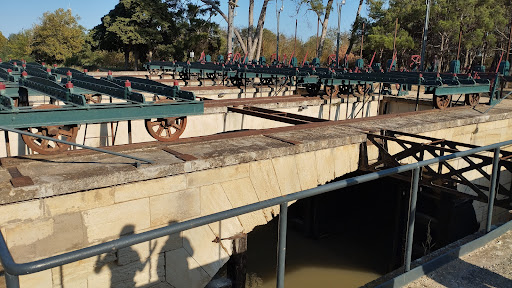
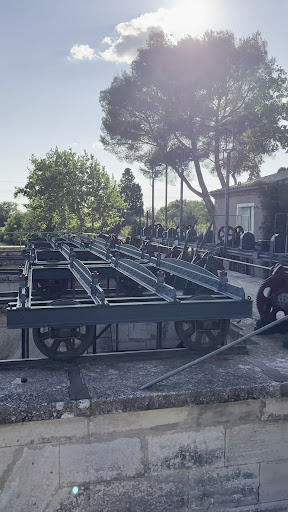
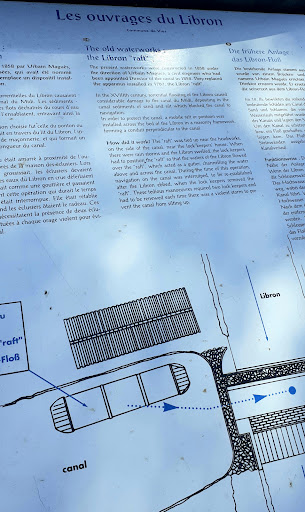
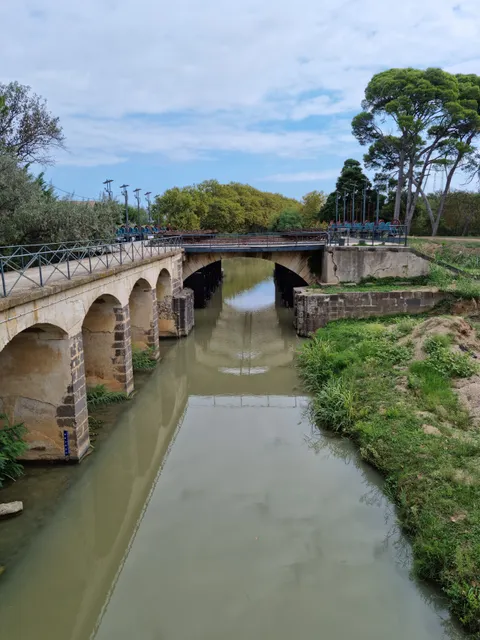
Ouvrages du Libron is a structure like no other on the Canal du Midi. It allows the Libron River, near Agde in south-west France, to traverse the Canal du Midi. At the point of intersection, the Libron is more or less at the same level as the Canal du Midi so a traditional aqueduct was not an option.
Cultural
Scenic
Family friendly
attractions: Fabrikus World - Europark Vias Plage, Europark Indoor, restaurants: La Taverne de l'Ours, local businesses:
 Learn more insights from Wanderboat AI.
Website
canal-du-midi.com
Plan your stay

Pet-friendly Hotels in Béziers
Find a cozy hotel nearby and make it a full experience.

Affordable Hotels in Béziers
Find a cozy hotel nearby and make it a full experience.

The Coolest Hotels You Haven't Heard Of (Yet)
Find a cozy hotel nearby and make it a full experience.

Trending Stays Worth the Hype in Béziers
Find a cozy hotel nearby and make it a full experience.
Reviews
Live events
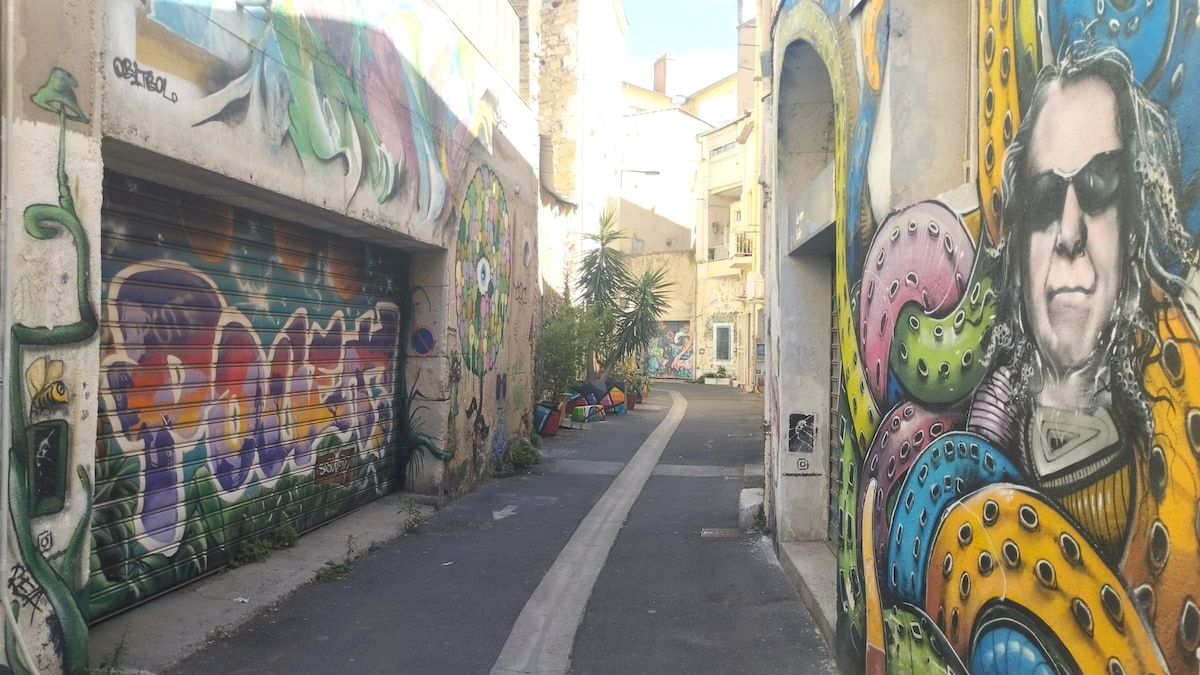
Street Art -Rue de Tunis Sète-
Wed, Feb 25 • 3:00 PM
34200, Sète, France
View details

Sushi & techno
Thu, Feb 26 • 10:00 AM
1096 Avenue de la Méditerranée 34450 Vias
View details

Jewelry creation
Sat, Feb 28 • 12:00 AM
34500, Béziers, France
View details
Nearby attractions of Ouvrages du Libron
Fabrikus World - Europark Vias Plage
Europark Indoor
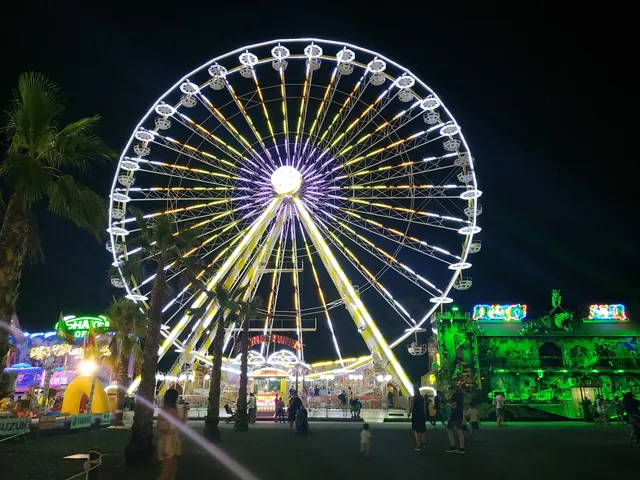
Fabrikus World - Europark Vias Plage
3.9
(4.2K)
Open 24 hours
Click for details

Europark Indoor
4.3
(791)
Open until 12:00 AM
Click for details
Nearby restaurants of Ouvrages du Libron
La Taverne de l'Ours
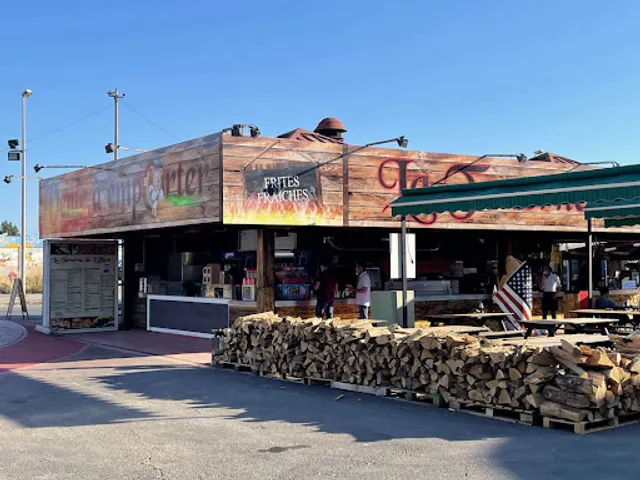
La Taverne de l'Ours
3.3
(45)
Closed
Click for details