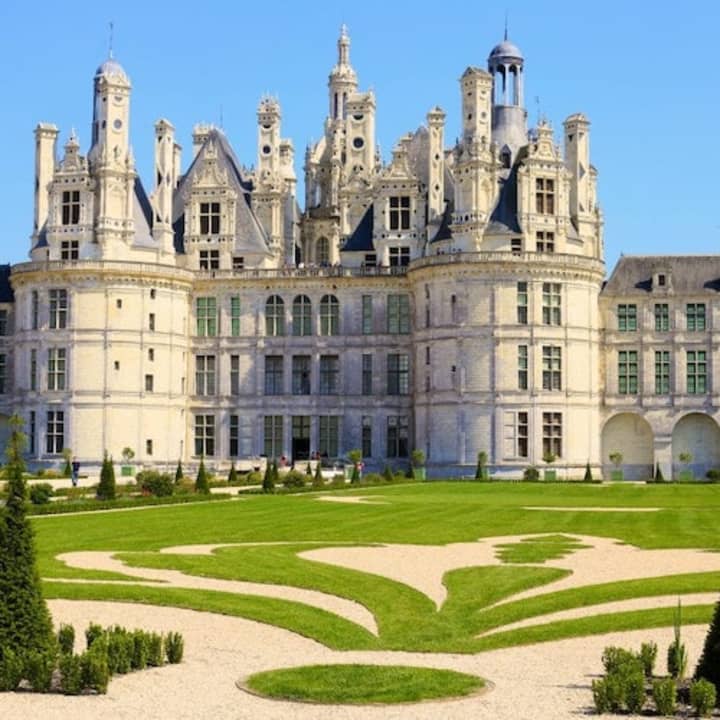
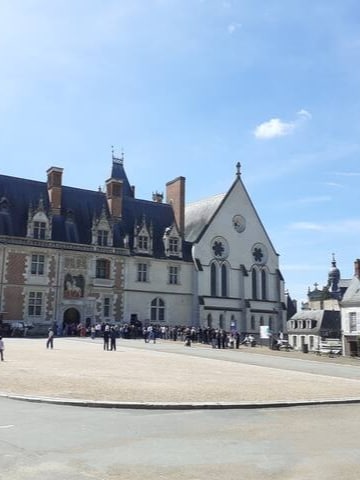
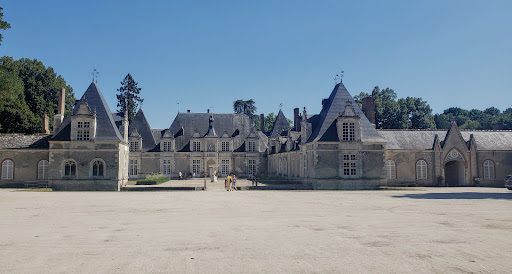
Per fortuna non mi sono lasciata fuorviare da una particolare recensione molto negativa sul castello che, sinceramente, mi è sembrata molto sconveniente e non utile ai lettori. Per chi è in zona è invece molto utile capire che a 17 km da Villesavin, c'è il magnifico castello di Blois, a 9 km quello di Chambord ed a 6 km il castello di Cheverny. Ve ne sono altri ma occorre sincerarsi che siano aperti. Il prezzo di 10 euro per vedere TUTTO il visibile (meno la parte abitata dai proprietari) viene dettagliata qui di seguito
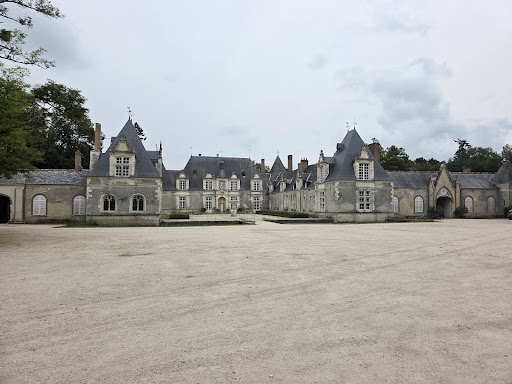
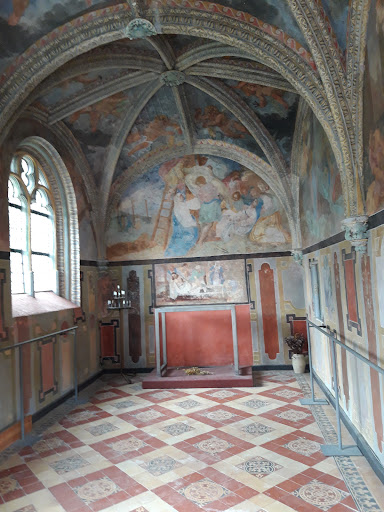
La nostra visita è iniziata alle ore 10 (gli orari cambiano in base ai mesi e li potete controllare sul loro sito) con la visita al cortile ed a seguire, la splendida cappella che offre un notevole colpo d'occhio con i magnifici affreschi alle pareti e sul soffitto. È stata restaurata completamente nel 2013, grazie alle nostre visite che permettono di mantenere così bene tutta la struttura che è un monumento storico dal 5/10/1928.
Successivamente entriamo in apposito spazio che racchiude il Museo del matrimonio LA PIÙ GRANDE COLLEZIONE AL MONDO di corone nuziali del 1800 e 1900, simboli degli auguri della madre per il matrimonio delle figlie. Le "campane" di vetro che custodiscono le corone, da sole, sono un gran pregio. Sono 350 deliziosi oggetti che mi hanno incuriosita parecchio. Prima di arrivare a questa sala si transita in un corridoio con ricostruzioni relative alle varie fasi di un evento matrimoniale, dalla preparazione del corredo sino allo sposalizio. Si possono vedere costumi datati dal 1850 al 1950 (indossati da adeguati manichini) mobili e soprammobili, rigorosamente d'epoca.
Si esce da un insolito museo e si prosegue col vedere una enorme colombaia, simbolo del potere nel rinascimento, ben restaurata di recente.
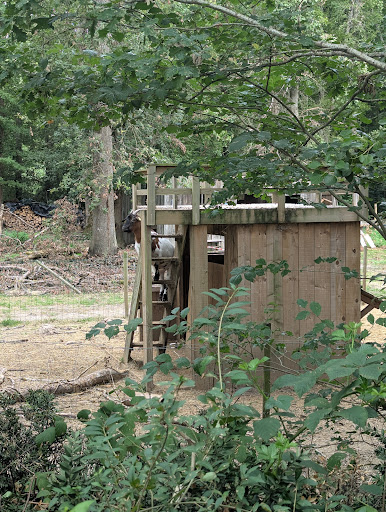
A questo punto si accede al cortile interno della villa per vedere altra insolita esposizione che è quella delle carrozze, per adulti (che venivano trainate da cavalli o altri equini) e per bambini ( trainate da capre, pecore o cani). Per la prima volta in vita mia, ho potuto vedere una carrozza da caccia con numerosi posti a sedere L'UNICA IN EUROPA.
Ci spostiamo verso la sala delle guardie per aspettare la guida che, alle 11, ci introduce all'abitazione. A partire dalla cucina si passa poi in diverse stanze adibite a studio, salotto, sala da pranzo etc. etc. Tutto ordinato, tutto curato nei minimi dettagli, accogliente, luminoso. Molto piacevole la spiegazione a raffica della guida che ha raccontato dettagli su quanto esposto all'interno e sulla costruzione del castello.
A proposito della sua costruzione. Tutto parte quando Jean le Breton, signore di Villandry e segretario di Francesco I, si ritrova con il medesimo, ad essere prigionieri a Pavia nel 1525. Ritornato in Francia, Francesco I, nomina Jean le Breton governatore degli stabilimenti di Chambord con l'incarico di fare ripartire il cantiere interrotto da ventisette mesi causa la guerra italiana, offrendogli inoltre la terra per costruire il castello di Villesavin che avrebbe ospitato gli architetti e gli addetti ai lavori di Chambord. L'edificio venne chiamato inizialmente "la capanna della costruzione di Chambord". Negli anni grandi famiglie della nobiltà sono vissute qui ed ora, la terza generazione, cerca di mantenere quello che altri hanno ideato e lo fanno in maniera egregia tanto da fare pensare di rimanere in questo luogo. Quindi CONSIGLIATO FORTEMENTE se siete nei paraggi o volete vedere qualche cosa...
Read more

 Learn more insights from Wanderboat AI.