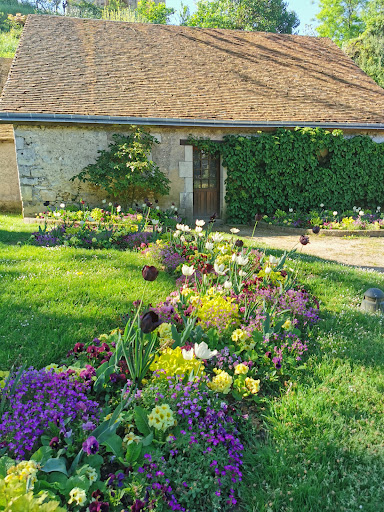
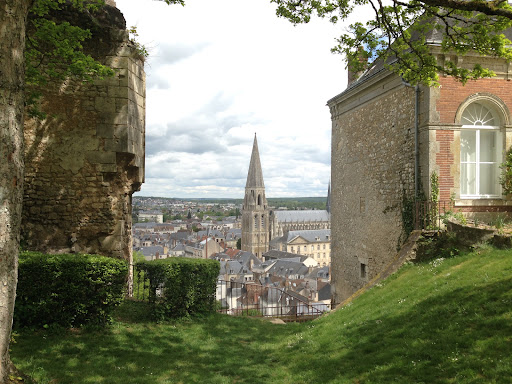
Château de Vendôme things to do, attractions, restaurants, events info and trip planning

Basic Info
Château de Vendôme
Rue du Château, Parc du Chateau, 41100 Vendôme, France
4.4(424)
Open until 9:00 PM
Save
spot
spot
Ratings & Description
Info
Cultural
Scenic
Outdoor
Family friendly
attractions: Trinity Abbey, Porte Saint Georges, Chapelle Saint-Jacques, restaurants: Alcazar bar, Pizzeria San Martino, La Cappadoce, Restaurant Indien Le Gandhara, La Comédie, DAME'S TARTINE, Le Bosphore, MY Pizza, BURGER SQUAD, Cafe City, local businesses: Tonton Renard
 Learn more insights from Wanderboat AI.
Phone
+33 2 54 77 05 07
Website
chateaudevendome.fr
Open hoursSee all hours
Fri10 AM - 9 PMOpen
Plan your stay

Pet-friendly Hotels in Vendôme
Find a cozy hotel nearby and make it a full experience.

Affordable Hotels in Vendôme
Find a cozy hotel nearby and make it a full experience.

The Coolest Hotels You Haven't Heard Of (Yet)
Find a cozy hotel nearby and make it a full experience.

Trending Stays Worth the Hype in Vendôme
Find a cozy hotel nearby and make it a full experience.
Reviews
Live events

Carton Comedy Night @ OTruck Park (Blois - 41)
Sat, Feb 21 • 7:00 PM
Impasse du Grain d'Or 41260 La Chaussée-Saint-Victor
View details
Nearby attractions of Château de Vendôme
Trinity Abbey
Porte Saint Georges
Chapelle Saint-Jacques

Trinity Abbey
4.6
(265)
Closed
Click for details

Porte Saint Georges
4.6
(41)
Open 24 hours
Click for details

Chapelle Saint-Jacques
4.5
(39)
Open 24 hours
Click for details
Nearby restaurants of Château de Vendôme
Alcazar bar
Pizzeria San Martino
La Cappadoce
Restaurant Indien Le Gandhara
La Comédie
DAME'S TARTINE
Le Bosphore
MY Pizza
BURGER SQUAD
Cafe City

Alcazar bar
4.5
(176)
Open until 2:00 AM
Click for details
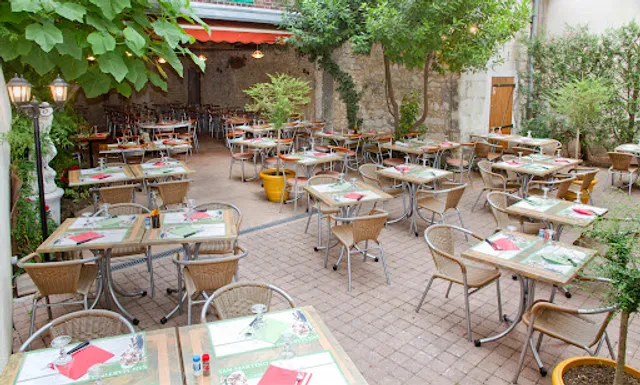
Pizzeria San Martino
4.1
(657)
Open until 11:00 PM
Click for details

La Cappadoce
4.8
(204)
Open until 9:00 PM
Click for details

Restaurant Indien Le Gandhara
4.3
(172)
Open until 11:00 PM
Click for details
Nearby local services of Château de Vendôme
Tonton Renard

Tonton Renard
4.6
(19)
Click for details