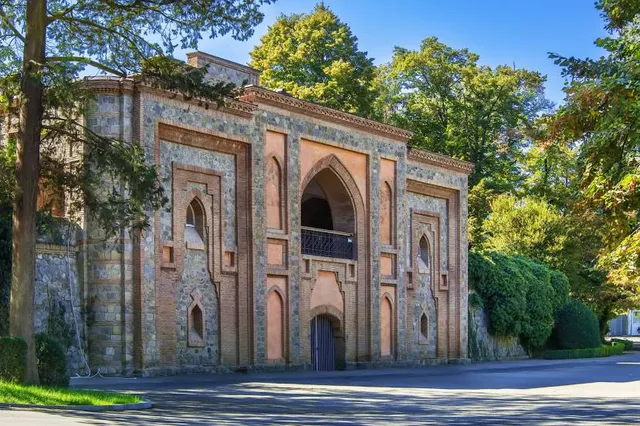
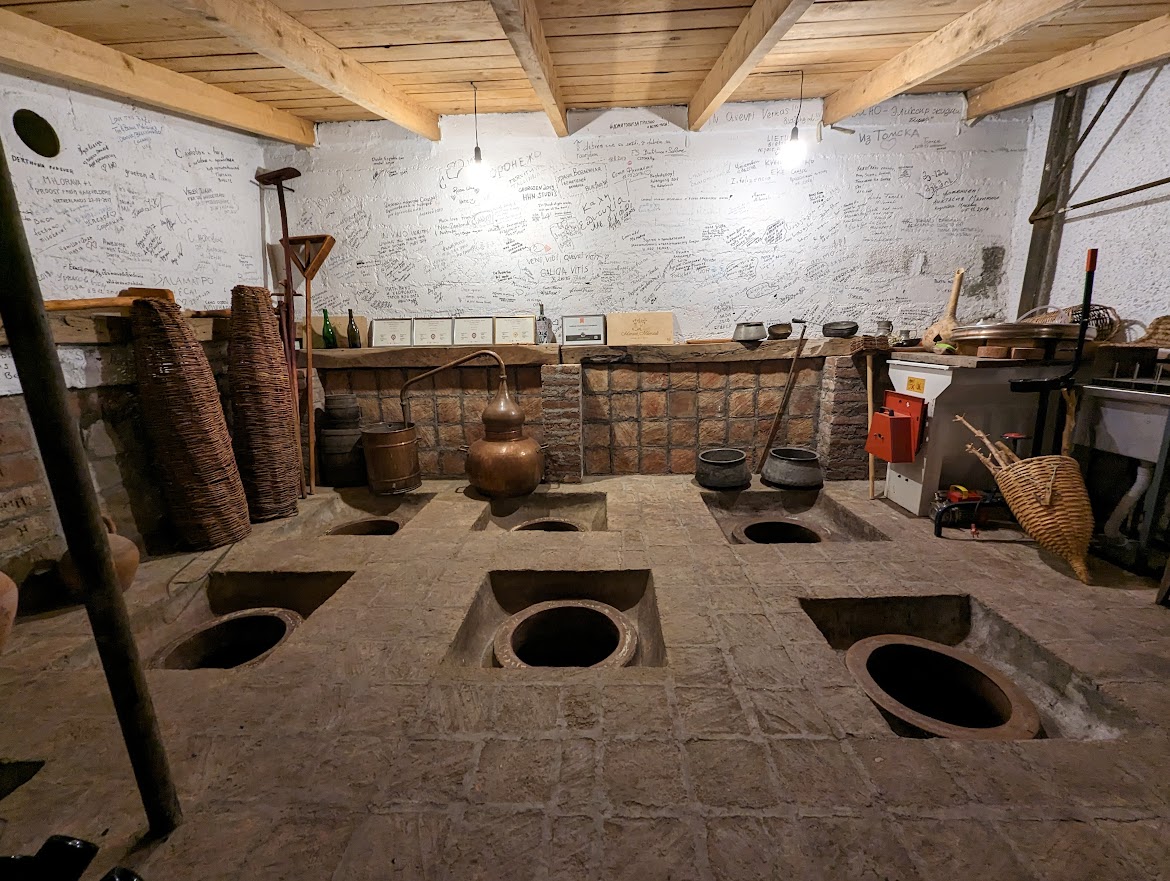
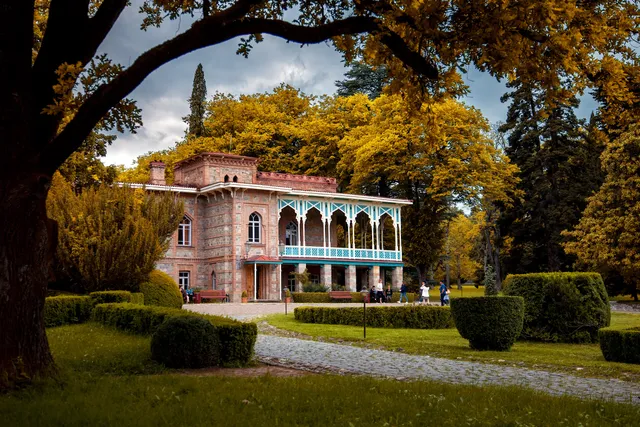
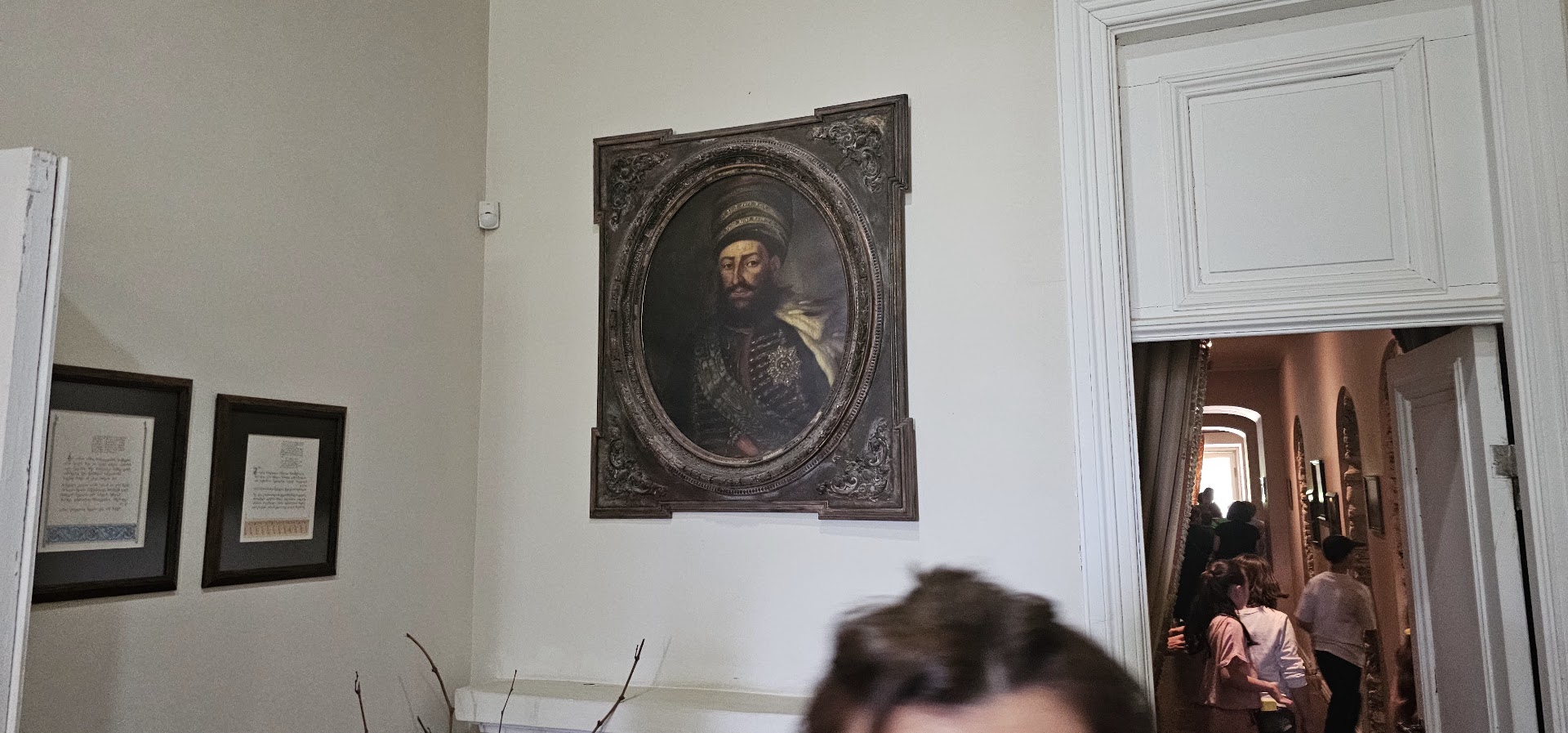
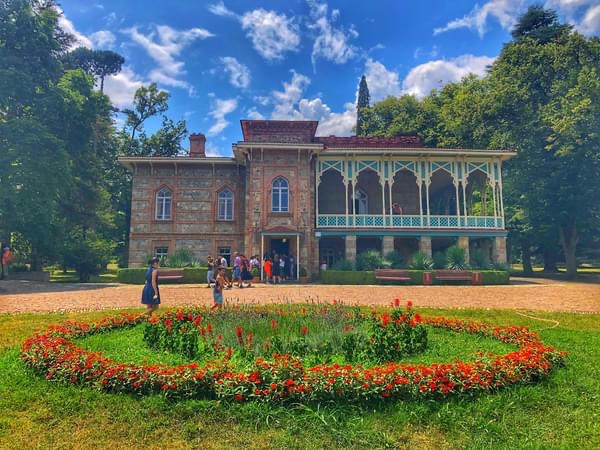
This place (now Aleksandre Chavchavadze House Museum) is very historical, extremely important and beloved for us, for our country. I ask my compatriots to read our history a lot, for example, the history of this place and other historical places of our homeland. This place has gone through many glorious and good days, but it has also gone through terrible days, tragic times. in 1854 the heinous animal Shamil attacked this estate when there were only women and children there. These inhumans burned everything here. Then the awful Russian Empire captured this glorious house financially. I am glad that now this estate belongs to its legal owner, the Georgian state and the Georgian people. It's just a crazy gorgeous house and a huge, beautiful (but, unfortunately, not well maintained now) yard with gorgeous greenery. There were a lot of people here in these May days, many excursions from schools and the official guides tried to speak briefly and quickly. That's not very good. But still, if you listen carefully to them, you can learn a few important and interesting things. All rooms here are of incomparable beauty, from which breathtaking views of the courtyard open, and from some rooms you can even see the distant mountains of the legendary Caucasus Range. The first owners founded a magnificent wine cellar here, in which they kept excellent Georgian and European varieties of wines. Here, as I remember, about 16,000 bottles of different varieties of wine are now stored. There is a sealed bottle of wine from 1841. The main cellar is located near the main house. This is a huge cellar, where the temperature is in the range of 14-16 degrees Celsius all year round. This is a glorious place, a favorite place, much like another legendary Georgian place – Dadiani Palace [now Dadiani Palaces History and Architectural Museum (Georgian: დადიანების სასახლეთა ისტორი...
Read morePrince Alexander Chavchavadze, the founder of the Georgian romanticism turned the estate in the village of Tsinandali, which he inherited from his father into cultural and intellectual center of the country, the status it preserves to this day. The place regularly hosts exhibitions, concerts, literary events and master classes.
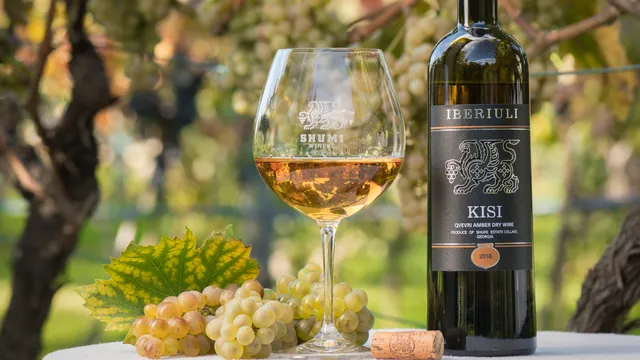
The complex in Tsinandali embraces the memorial house, a landscape garden, a historical winery, wine cellar, hotel and a café. The vineyards have been restored and wine production has resumed. We offer you a pleasurable and informative experience: you will look into the background of the noble Chavchavadze family, who played a significant part in the national history; enjoy the views of the garden, have a look at the winery and sample the “Tsinandali” (first produced by the Chavchavadzes) etc. Georgian wines and round off the visit at the historical hotel.
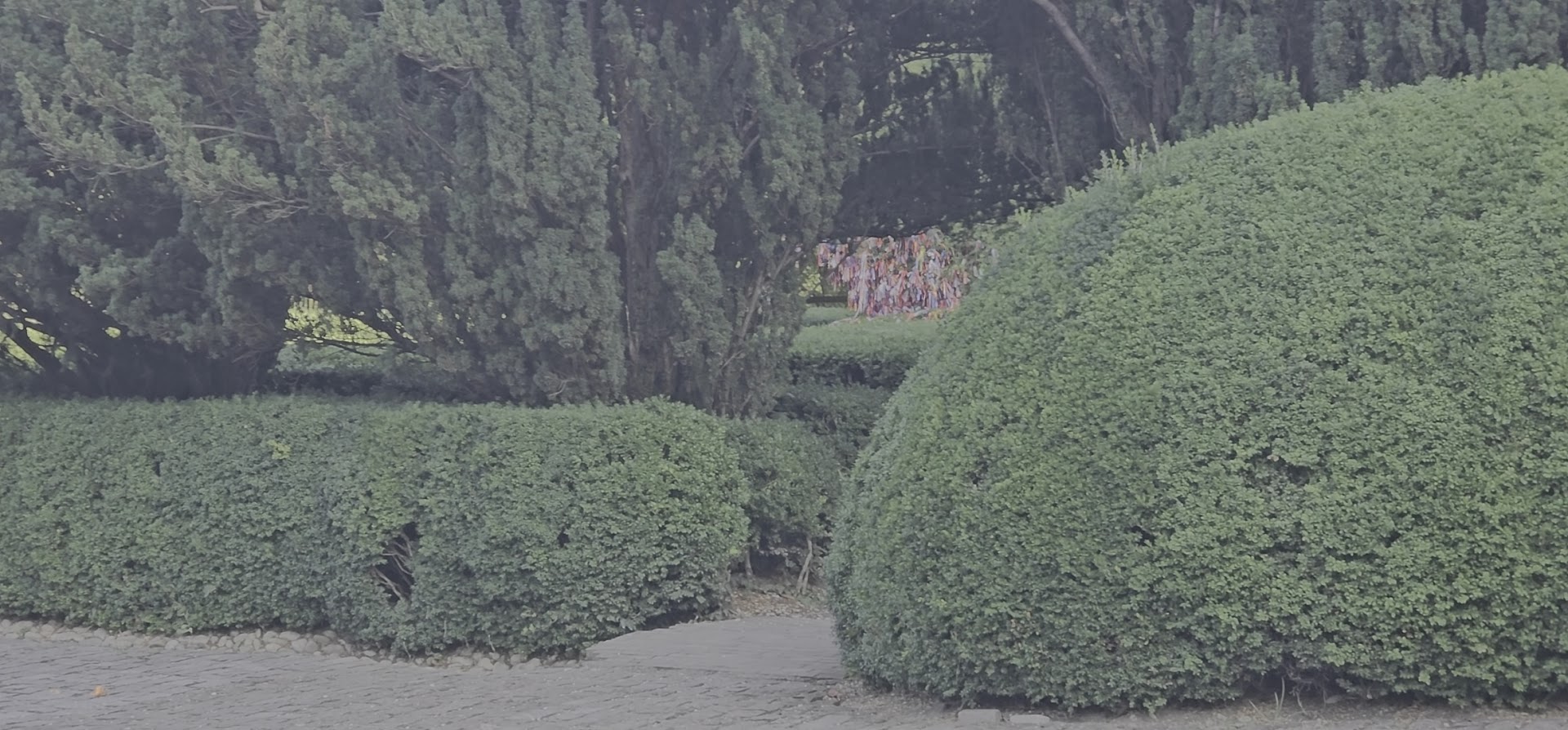
The landscape garden in Tsinandali is the first European-type recreation zone in Georgia. It was laid out by the landscape architects Alexander Chavchavadze invited from Europe. The garden is unique for its exotic plants and layout. In it, there is “the love lane”. The legend says that if lovers can walk though it with their eyes shut, their life together will be happy. It was in this garden that Nino Chavchavadze and Alexander Griboedov first met to be married soon.
It was in the Tsinandali winery that the wine was first bottled in Georgia. Al. Chavchavadze’s collection of vintage wines consists of over 15 000 bottles, with the oldest dated with 1814.
Since 2008, the Tsinandali complex has been under the patronage of Silk Road Group that has invested over 12 mln USD. Over 100 exhibits have been restored and more than 500 have been acquired.
We can tell you a lot more about the Chavchavadze family estate but you’d better come to see...
Read moreYou pay 10 GEL per person to go to the museum but inside there was NO INSCRIPTION under any of the painting or art objects. We went there with a wish to learn more about Kakheti region, Chavchavadze family and came out with the same knowledge as we had prior to entering the museum.
We were told that guides could explain things to us if we had questions. After one question, the guide looked at me as if she was doing me a big favor and as if she was already done. Other guides were polishing their nails and/or sitting in their phones.
As a Georgian, I am truly ashamed of this service. I asked the woman at the entrance why are there no explanations in ANY LANGUAGE and she said that she has heard this feedback before but not much was done about it.
Dear Tsinandali museum management team, are historians extinct in Georgia or what? Please pay some money to the knowledgeable people and make an effort to explain what you are showing in the museum instead treating visitors and tourists as ATM...
Read more