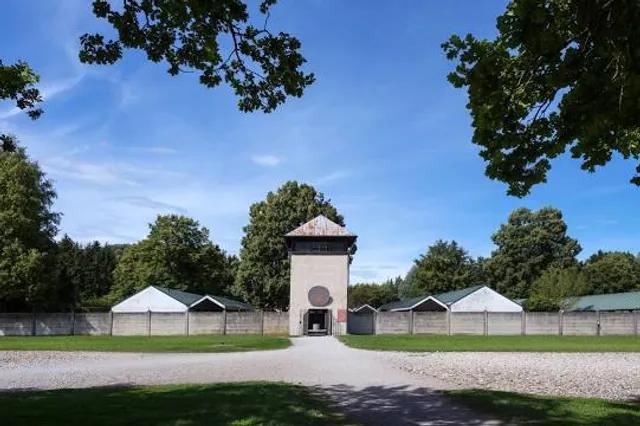
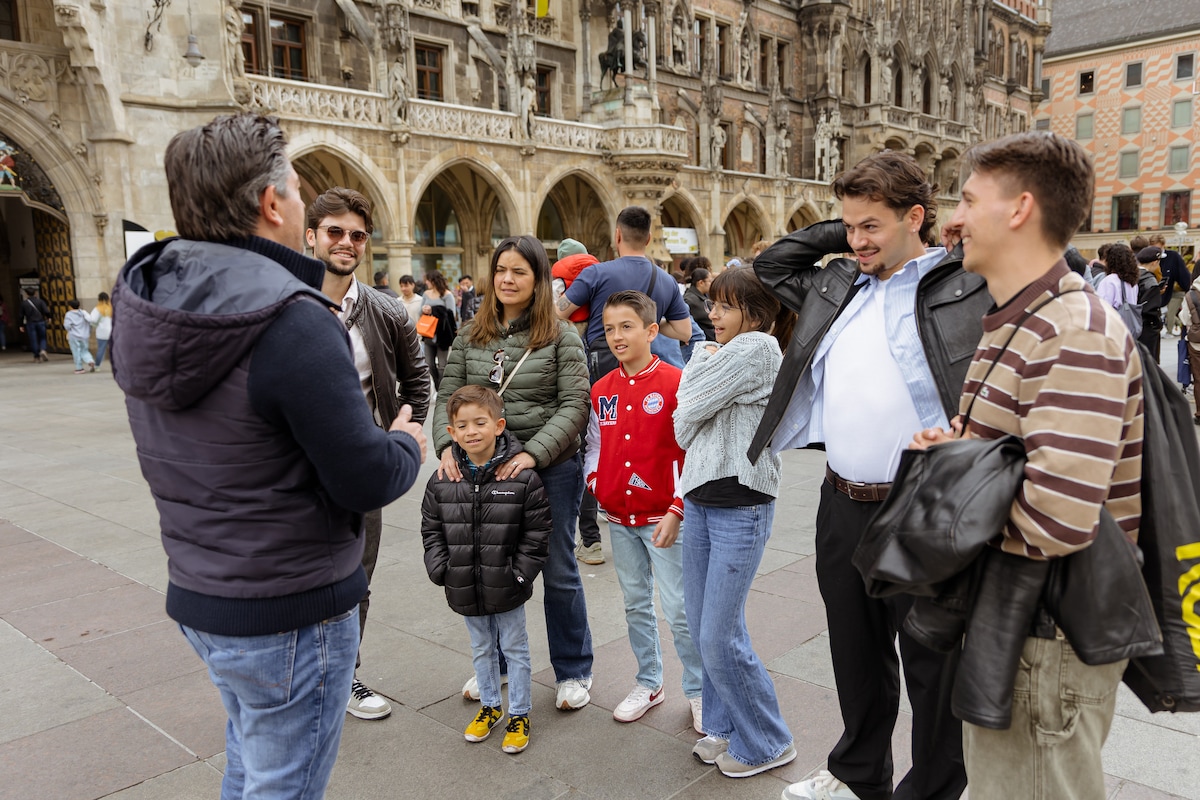
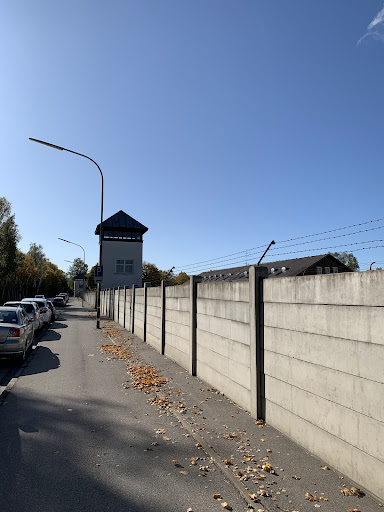
Deep. Moving. Full of history. Must see. It is what you’d expect it to be. But still, go see it. If you’re in Munich, there’s no reason not to. It’s still relevant today in our world. Without going into too much of that, let’s get onto the place itself. We drove there from Munich in our rental car and found ample parking both on the grounds and on the surrounding streets. It’s crazy how close to society it is today and you get that sense when driving up to it. Obviously it’s free to visit and walk around but I would recommend (must actually) take a guided tour. For a few euros, whatever it costed, it was incredible. Our guide was knowledgeable and really took the time to explain things that we would otherwise not get from reading the signs and just looking around. Sure you could google all of what happened but being there and having it shown to you firsthand is 1000X better IMO. You should know that a lot of it was either destroyed or taken down since the war because it was used by the Americans as a prison in some ways post war and all of the living quarters were taken down, although recently reconstructed so you can see how they were forced to live. I don’t want to tell you everything they have there cause if you’re reading this, you’re probably thinking of going anyways. Just go, no need to take pictures. Just take it all in. That’s my top advice. Take a morning or an afternoon and head out there to see what human beings were capable of doing to each other not so many years ago. There’s also an archive library where you can search for names and information of those who perished there if that’s relevant to you or...
Read moreI feel strange giving this a 5-star rating considering it'd be better if there didn't have to be a memorial at all. That said, I decided to take a guided tour of the existing/remaining buildings and structures. The tour guide, Kai, was very knowledgeable and clearly cares deeply about preserving/educating the history surrounding this site. They have informational displays throughout the site which include descriptions from how the camp was set up, treatment of prisoners, liberation of the camp, use of the camp after liberation, and everything in between. For those who really wish to learn as much as possible and revisit every building, I would recommend giving yourself most of a day, if not all day to visit the site. As someone who likes to consider himself pretty educated on the WWII era, I learned a lot from my visit.
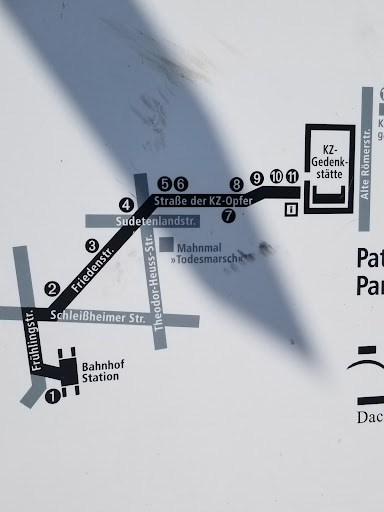
If you arrive to the city of Dachau via train, I recommend walking (if possible) the Path of Remembrance. I believe the path is 3km long and leads to the concentration camp memorial site. There are informational signs/postings along the way which describe the significance of the path and help to guide you along the way. The first sign is just outside the train station - to the right of the bus queue.
Note: As Kai pointed out and made very clear: this is a memorial - a place of tremendous suffering, sorrow, and now, a place of remembrance. Visitors should be respectful of that. Selfies (especially smiling selfies) in front of buildings or items that for thousands were an icon of suffering and death are not appropriate. Of course, you're free to take such photos, just know... others will be...
Read moreAn important, humbling, inspiring must-stop while in the Munich area. I will be forever changed by this experience.
A short, cheap trip to the north and west of Munich, Drachau is easy to get to and the way to the memorial site is clearly marked.
Entry to the memorial site is free, but I would recommend stopping by the visitor center near the entrance and paying the 5 euro for the audio tour.
The entire memorial site is set up to take you on the journey the prisoners would have taken from the train platform to the registration area to the bunkers. I recommend following the path as directed for the full experience and impact. The main museum area offers tons of information including information about the rise of the Third Reich, the construction and expansion of the concentration camp, the prisoners and life in the camp, and the war itself.
After visiting the museum, take your time walking around the expansive memorial site and exploring every area including the bunker sites, jail, guard house, memorial chapels, convent, crematorium, gas chamber, and mass graves.
Prepare to spend 4-5 hours here if you want the full experience. I took my time seeing, reading, and listening to everything and it took about 4.5 hours. Many tour groups visit and can increase the time needed to see everything.
Make time to see this. I walked away with not only a greater understanding of the memorial and its context in the world, but also a lasting understanding of the extreme sacrifice that came because of it. I know you won’t be...
Read more