St. Nikolai things to do, attractions, restaurants, events info and trip planning
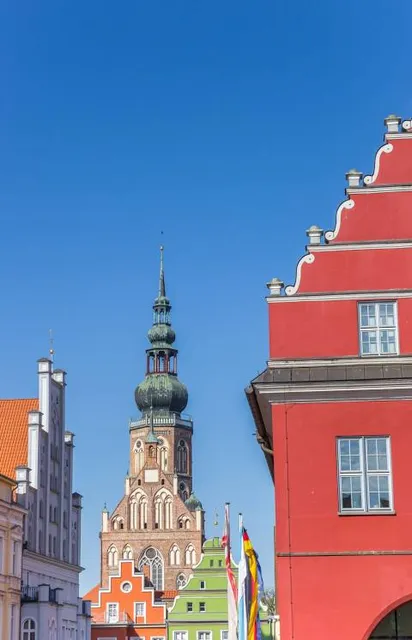
Basic Info
St. Nikolai
Domstraße 54, 17489 Greifswald, Germany
4.6(539)
Open 24 hours
Save
spot
spot
Ratings & Description
Info
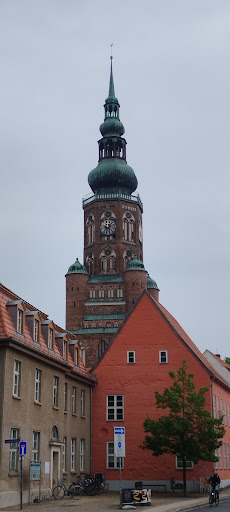
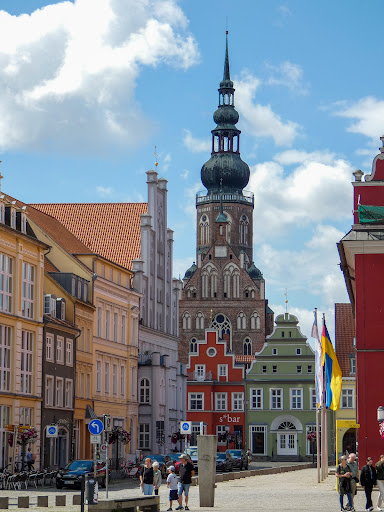
The Church of St. Nicholas was a Gothic Revival cathedral that was formerly one of the five Lutheran Hauptkirchen in the city of Hamburg, Germany. The original chapel, a wooden building, was completed in 1195. It was replaced by a brick church in the 14th century, which was eventually destroyed by fire in 1842.
Cultural
Scenic
Family friendly
Accessibility
attractions: Caspar David Friedrich Center, Animal Park Greifswald, Marienkirche, Greifswald, Museum harbour Greifswald, Universität Botanical Garden, Fangenturm, restaurants: Café Küstenkind, Sushi King Greifswald, Sorriso Italiano, FabelFrau Schmuck Café, Café & Restaurant Lichtblick, Exil Music Pub Greifswald, MiMi Salads & Bowls, s*bar – Bistro und Suppenbar, Goldmarie, Cafe Bommelz, local businesses: Marktplatz Greifswald, Musée régional de Poméranie, Ryck
 Learn more insights from Wanderboat AI.
Phone
+49 3834 2627
Website
dom-greifswald.de
Plan your stay

Pet-friendly Hotels in Greifswald
Find a cozy hotel nearby and make it a full experience.

Affordable Hotels in Greifswald
Find a cozy hotel nearby and make it a full experience.

The Coolest Hotels You Haven't Heard Of (Yet)
Find a cozy hotel nearby and make it a full experience.

Trending Stays Worth the Hype in Greifswald
Find a cozy hotel nearby and make it a full experience.
Reviews
Nearby attractions of St. Nikolai
Caspar David Friedrich Center
Animal Park Greifswald
Marienkirche, Greifswald
Museum harbour Greifswald
Universität Botanical Garden
Fangenturm
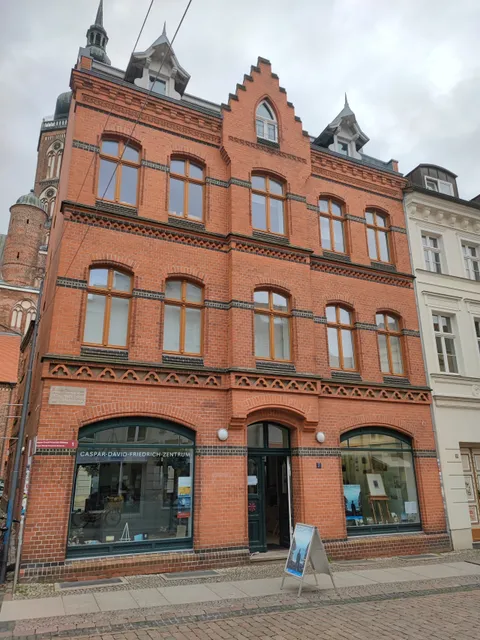
Caspar David Friedrich Center
4.2
(119)
Open until 12:00 AM
Click for details
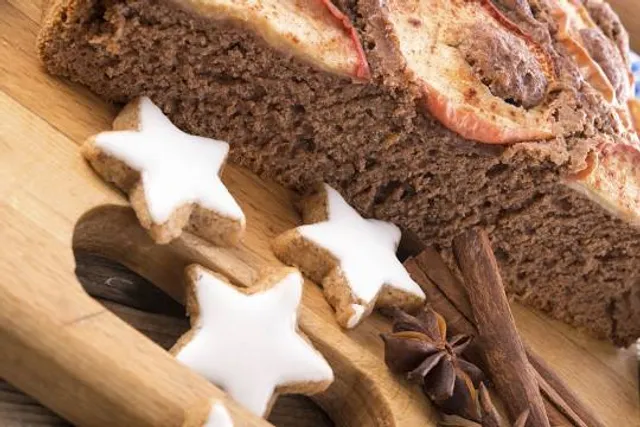
Animal Park Greifswald
4.8
(1.4K)
Closed
Click for details
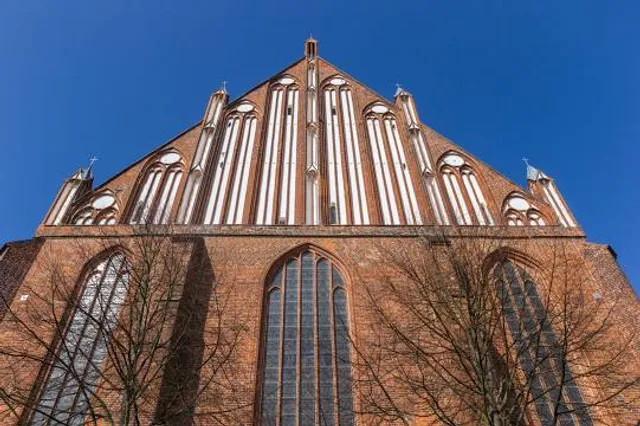
Marienkirche, Greifswald
4.5
(73)
Open 24 hours
Click for details
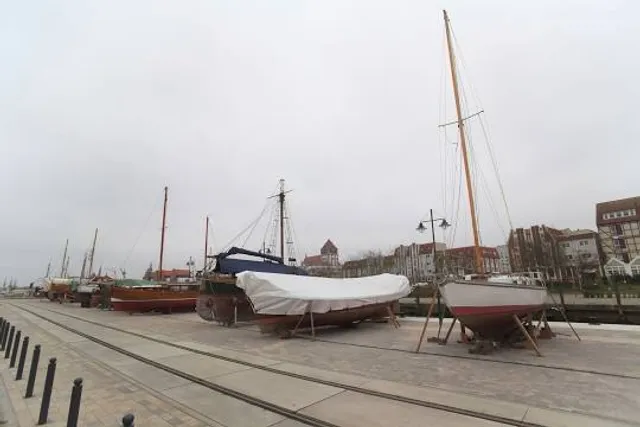
Museum harbour Greifswald
4.5
(821)
Open until 12:00 AM
Click for details
Nearby restaurants of St. Nikolai
Café Küstenkind
Sushi King Greifswald
Sorriso Italiano
FabelFrau Schmuck Café
Café & Restaurant Lichtblick
Exil Music Pub Greifswald
MiMi Salads & Bowls
s*bar – Bistro und Suppenbar
Goldmarie
Cafe Bommelz
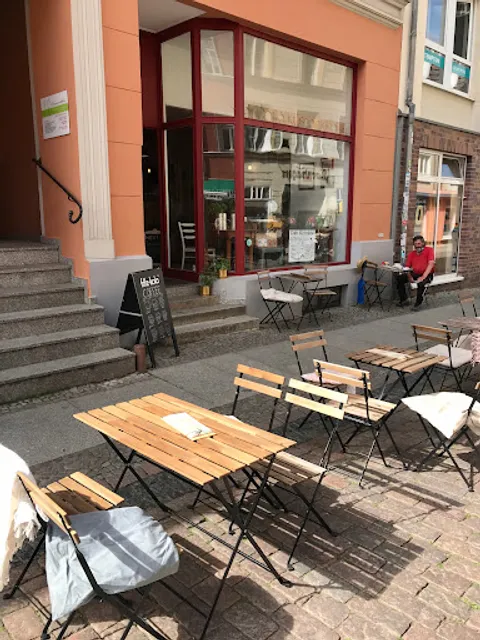
Café Küstenkind
4.5
(303)
Open until 6:00 PM
Click for details
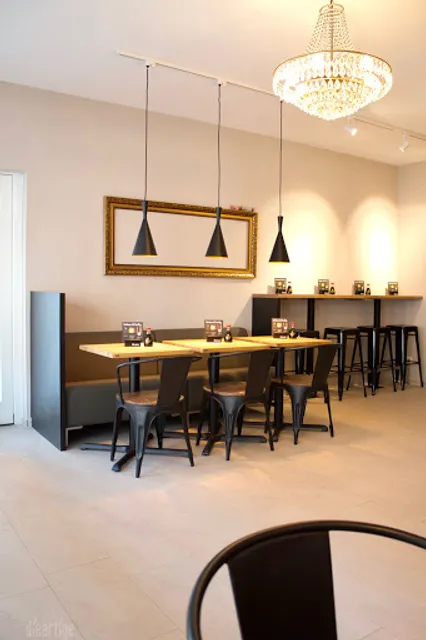
Sushi King Greifswald
4.7
(213)
Open until 9:00 PM
Click for details
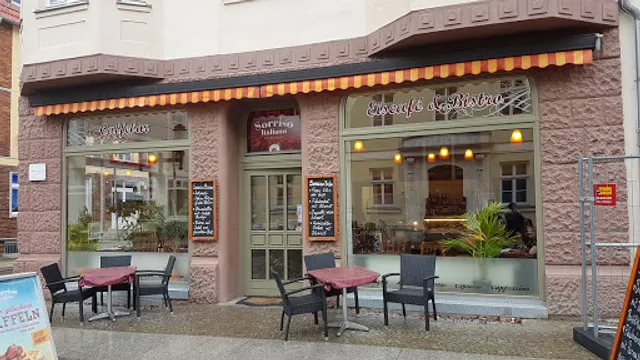
Sorriso Italiano
4.5
(146)
Open until 5:00 PM
Click for details
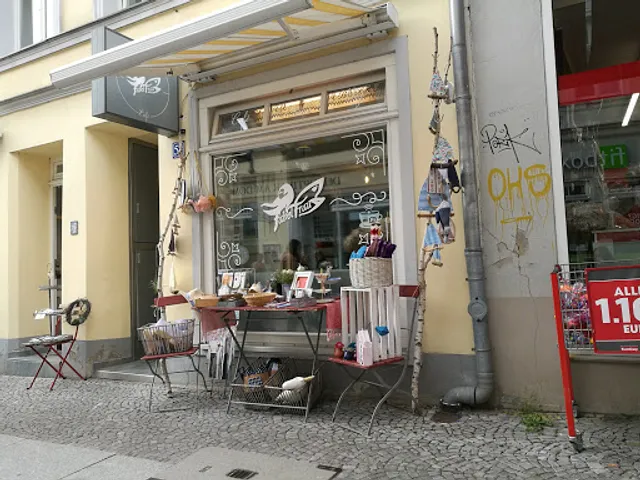
FabelFrau Schmuck Café
4.9
(41)
Open until 6:00 PM
Click for details
Nearby local services of St. Nikolai
Marktplatz Greifswald
Musée régional de Poméranie
Ryck
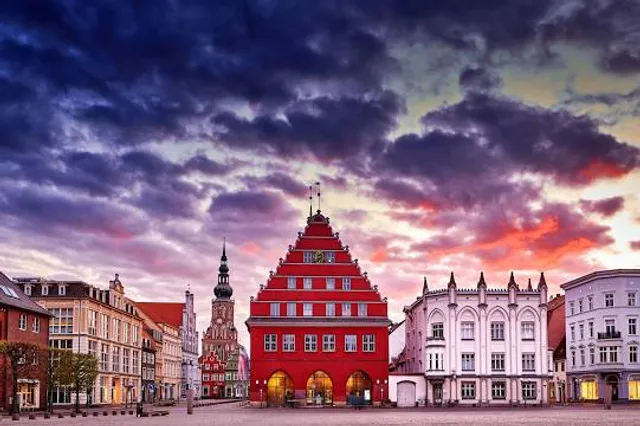
Marktplatz Greifswald
4.5
(2.1K)
Click for details
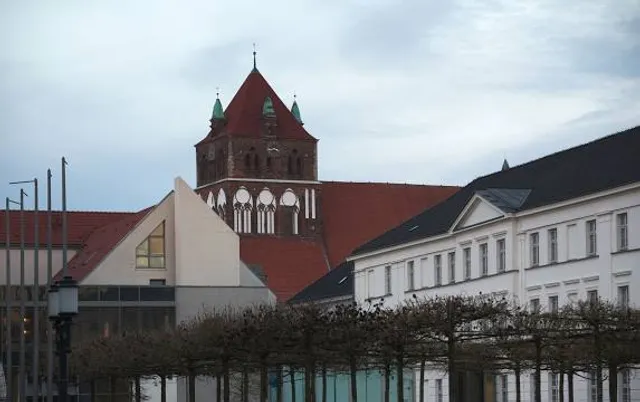
Musée régional de Poméranie
4.5
(304)
Click for details
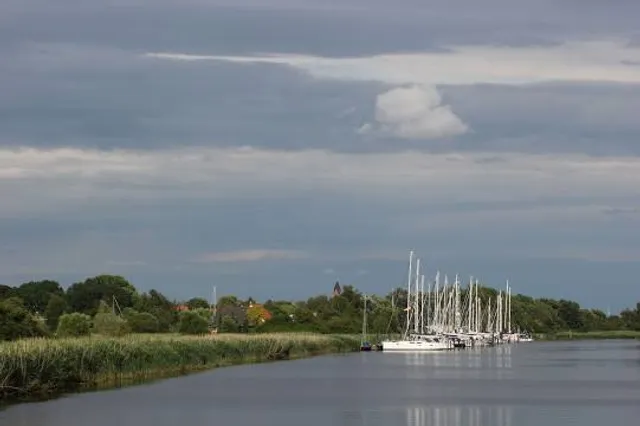
Ryck
4.6
(42)
Click for details