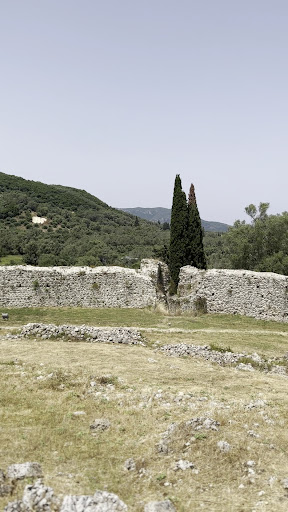
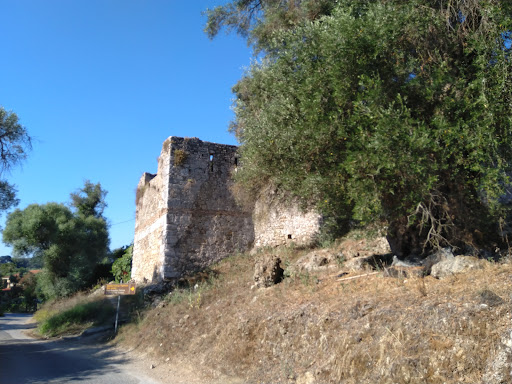
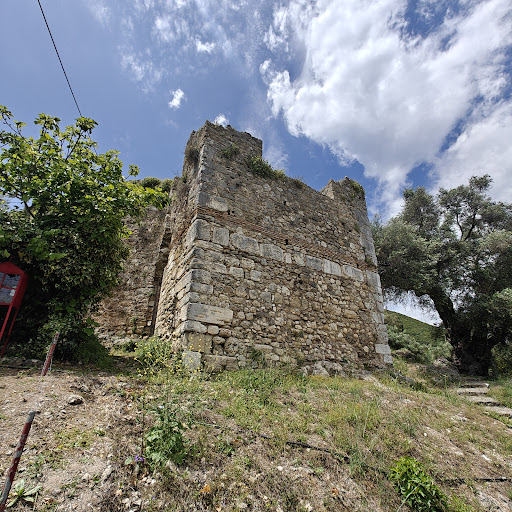
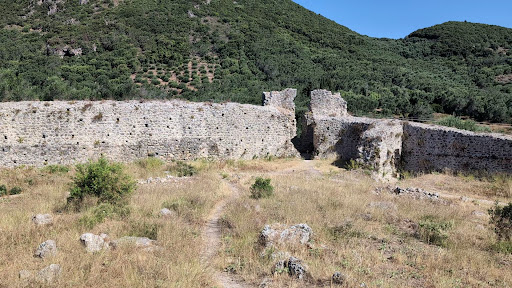
Upon arrival, the sheer magnitude of the ruins is awe-inspiring. The crumbling walls, weathered stone, and intricate architectural details evoke a sense of wonder and curiosity. As you wander through the site, imagination takes flight, painting vivid pictures of the castle’s former glory.
Exploring the ruins is like stepping back in time. With each step, you’ll discover hidden nooks, archways, and corridors that once echoed with life. The remnants of towers and bastions provide panoramic views, offering glimpses of the island’s breathtaking landscapes that stretch as far as the eye can see.
While the ruins may lack the grandeur they once possessed, their charm lies in their raw, untouched state. Overgrown vegetation adds an enchanting touch, breathing life into the ancient stones and creating a unique atmosphere. It’s a place where history and nature converge, where time seems to stand still.
Be sure to bring your camera, as every corner offers a picture-perfect opportunity. Whether you’re a history enthusiast, a photography lover, or simply seeking a serene escape, the castle ruins of Corfu Island will leave an indelible impression.
Visiting the ruins is a multi-faceted experience that engages all the senses. The whispers of the past, the soft rustling of leaves, and the aroma of nature combine to create an immersive journey. It’s a place that invites contemplation, reflection, and a deeper appreciation for the passage of time.
While there may be limited amenities at the site, the true allure lies in its unspoiled beauty. Remember to wear comfortable shoes, carry water, and embrace the adventure that awaits within the castle’s ancient walls.
Corfu Island’s castle ruins are a treasure trove of historical significance, natural beauty, and quiet serenity. They beckon travelers to embark on a voyage through time, leaving a lasting imprint on all who dare to explore their...
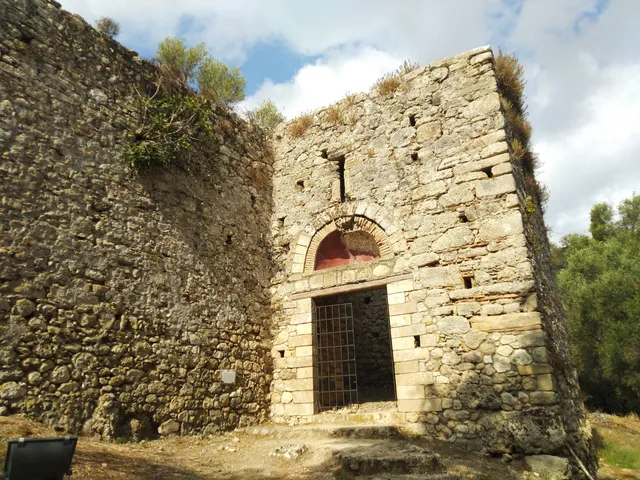
Read moreThis castle was most likely built in the 11th century to shelter the populace and the produce of the agriculturally rich surrounding countryside from the increasingly alarming conditions of this region. The Ionian, though always troubled, was never as much a death zone as the Aegean, where the Saracen piratical raids brought havoc upon the seaside settlements since the 7th century. This changed as the Saracens gained a foothold on Sicily. Things became even worse when these were succeeded by the Normans. The Eastern Roman Empire responded with the construction of effective fortifications such as Angelokastro and Gardiki. The former was more of a lookout, while Gardiki must have served more as a hideout. Shielded from unfriendly eyes and within a safe distance inland, people, wealth, and produce could be mustered here in time to be kept out of reach of seafaring invaders. If the latter chose to invade this position in force, they would have to leave their fleet dangerously exposed to attacks from other garissons upon the island, and then being surrounded as well, thus risking total annihilation. Therefore, this fortification is much more valuable than it initially implies. Furthermore, it is one of the most well preserved characteristically Byzantine constructions that survives in western Greece. Most others, especially the coastal ones, were later adjusted and modified so extensively that it is quite difficult -sometimes impossible- to discern the Byzantine features underlying beneath the overstructures (i.e. in Corfu). So when you see it, look at it for what -and when- it represents. After all, it was built about 5 centuries (perhaps even more) earlier than the massive fortifications you...
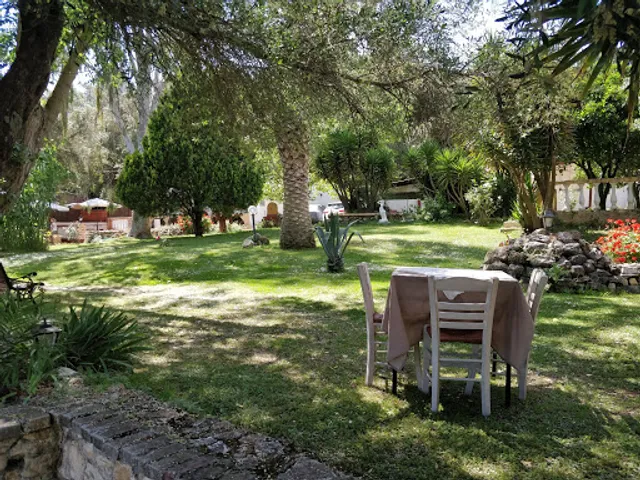
Read moreI love when you can visit old sites for free. Near the village of Agios Mattheos, 23 km from the city of Corfu, are the remains of the Byzantine castle of Gardiki dating back to the 13th century. The castle is located on a hill and has an octagonal shape with eight towers and three gates. There are lots of lovely teeny tiny wild flowers and it smells great, dusty, herby and ☀️ sunny. There are good views from the walls and in the central area. There are a couple of lovely gnarly olive trees inside.
It is considered, in a way, a twin castle with...
Read more