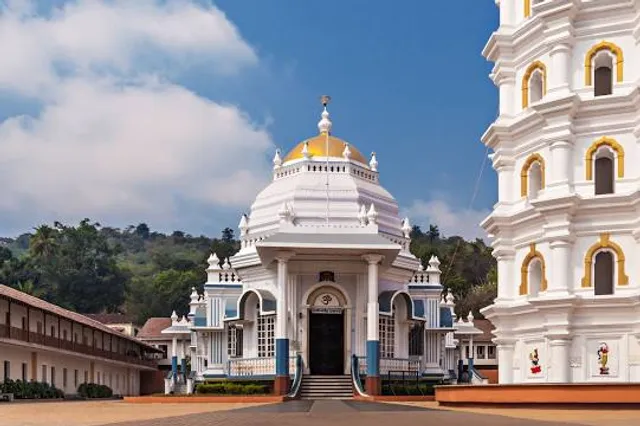
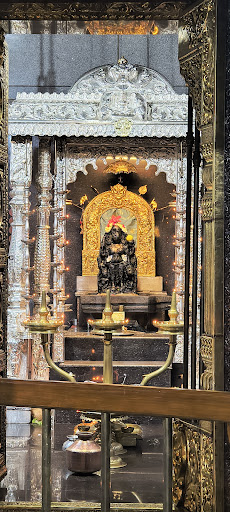
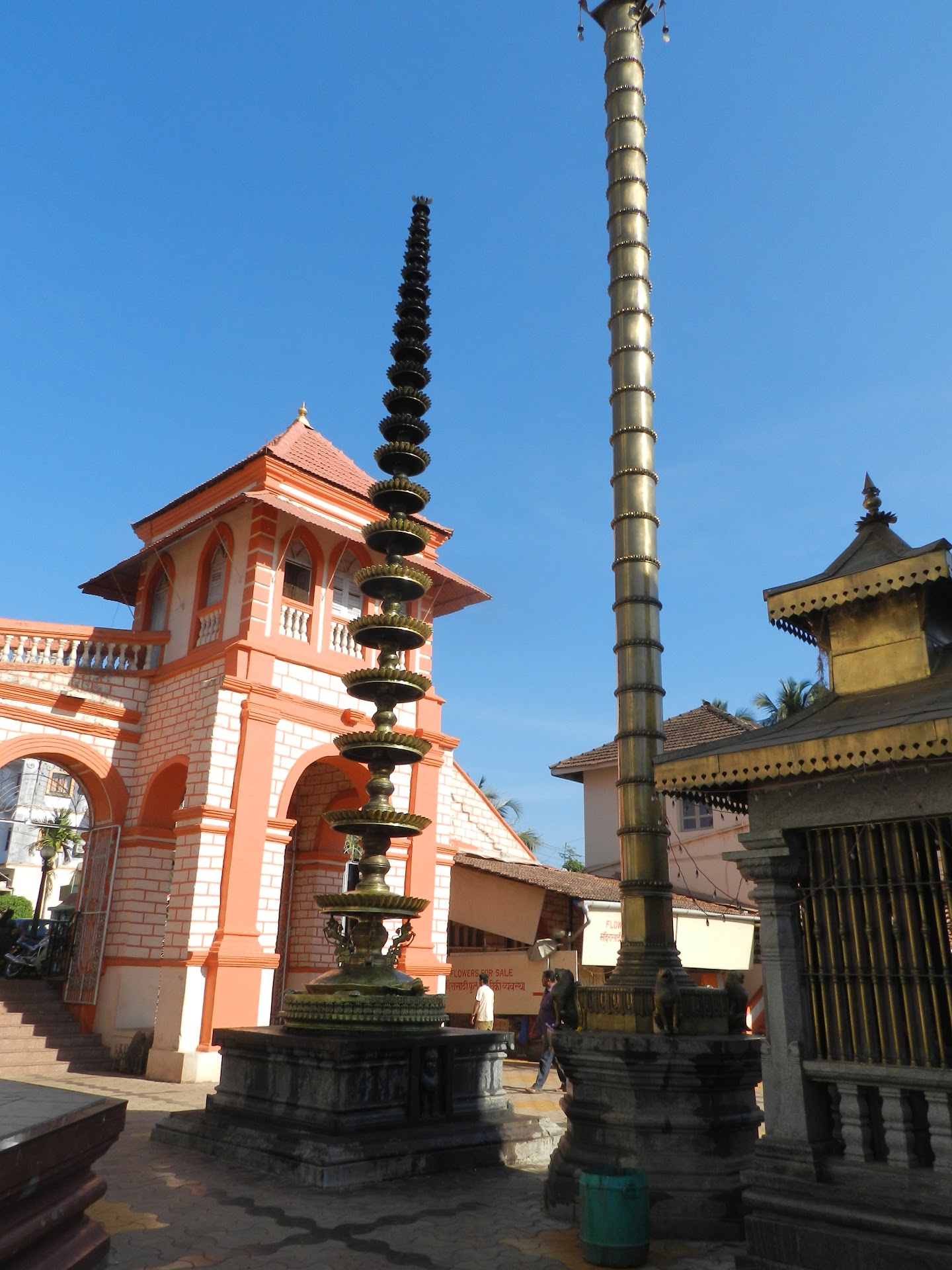
Shri Mahalasa Temple, Mardol, Goa. Lord Vishnu's Mohini Avatar worshipped as Mahalasa in Goa.
Sri Mahalasa Narayani, is also known by another more familiar name Mohini, that is Lord Vishnu's famous Avatar. Mahalasa Narayani is a powerful Kuladevata of many hindu Households in the western and southern parts of India. Temples dedicated to the worship of Shri Mahalasa Narayani are present in Maharashtra, Goa, Karnataka, Kerala and many other places. The most popular temple of Supreme Mother Mahalasa is at Mardol in Goa, which is over 450 years old. Other temples, like the ones in Kumta and Basrur, both in Karnataka, are also said to be over 400 years old. Yet, Shri Mahalasa Narayani has other ancient and historic temples dedicated to Her, including at Nevase in Ahmednagar district of Maharashtra, where she is known as Shri Mohiniraj of the Amrut Manthan (the epic churning of the ocean) fame. It is believed that it is from Nevase that Shri Mahalasa Narayani came to Verna in #Gomantak, that is present-day Goa. Before Nevase, there is a Mohini temple in Nepal, near the world-famous Pashupatinath temple.
Shri Mahalasa Narayani’s temple at Mardol in the West coastal state of Goa in India needs no introduction to Shri Mahalasa’s Kulavis and other devotees. This is Her most well-known temple and even if we visit other temples, we cannot avoid visiting Her beautiful temple at Mardol, at least once in our lifetime.
★★★★★★★ History ★★★★★★★
During the Samudra manthan (churning of the ocean of milk) by the gods and the demons, the demons steal the pot of amruta (elixir of immortality). The god Vishnu took the form of the enchantress, Mohini. Mohini seized the amruta from the demons and served it to the gods. Mohini is worshipped as Mahalasa Narayani or Mahalasa.
According to another legend linking her to Khandoba, the god Shiva enchanted by Mohini. She promises to be his wife in her earthly reincarnation when he would be incarnate as Khandoba on earth. Mhalsa (as called in the Khandoba cult) is considered a form of Mohini as well as Shiva’s wife Parvati. Mhalsa was born as the daughter of a rich Lingayat merchant in Newasa called Timmaseth. On the divine orders of Khandoba in a dream to her father, Mhalsa was married to Khandoba on Pausha Pournima (the full moon day of Hindu calendar month of Pausha) in Pali (Pembar). Two shivlingas appeared on this occasion. An annual festival marking this event is celebrated in Pali every Pausha Pournima.
Originally, the deity was housed in a temple at an ancient shrine in village of Verna which is now the site of an industrial estate. Along with other Goan temples, this beautiful temple at Verna was also marked for destruction by the Portuguese around 1543.
However, before the actual demolition could take place the idol of the deity was smuggled away across the river by faithful devotees, to the safer locale of Mardol, where it is located today.
Mahalsa is a Hindu goddess. She is venerated in two distinct traditions. As an independent goddess, she is considered as a form of Mohini, the female avatar of the god Vishnu and is called Mahalasa Narayani.
Goud Saraswat Brahmins as well as Vaishnavas from Goa and South Canara identify her with Mohini and call her Narayani and Rahu-matthani, the slayer of Rahu, as told in the Bhavishya Purana.
Temple Architecture
Lakhs of devotees and tourists visit the 450-year old temple every year to solicit blessings of the Divine Deity.
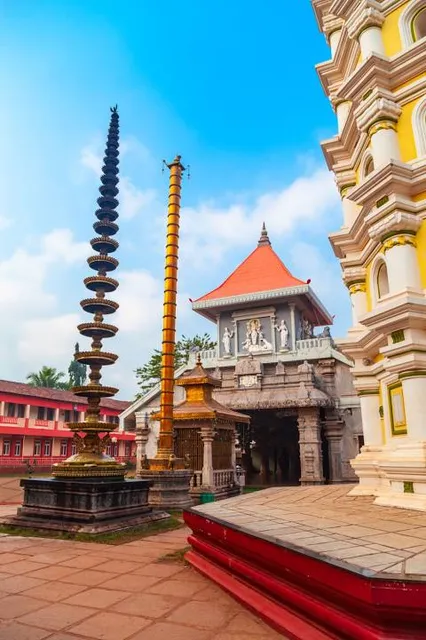
The Mardol temple has some unique features to its credit viz, the tallest Samai (lamp) or the Dnyandeepa, and the Deepasthambha (see photo below), which is famous all over the world thanks to it being highlighted in posters of the Goa Tourism Development Corporation; a full-granite Sabha Mantapa, copper roof to the main temple, historic bell with legal sanctity and many more interesting things.
A very special feature in Mardol temple is the appearance of Shri Mahalasa in various
Alankaars at various periods, sometimes during various times of the day.
To the keen devotee, she appears as various Gods...
Read moreShri Mahalasa Narayani
SHRI MAHALASA NARAYANI is the powerful Kuladevata (family deity) of many Hindus, especially in western and southern India.
‘Mahalasa’ is another name for the Supreme Lord Vishnu’s famous avatar (incarnation): Mohini, the Enchantress.
Temples dedicated to the worship of Shri Mahalasa Narayani are present in Maharashtra, Goa, Karnataka, Kerala and many other places.
The most popular temple of Supreme Mother Mahalasa is at Mardol in Goa, which is over 450 years old. Other temples, like the ones in Kumta and Basrur, both in Karnataka, are also said to be over 400 years old.
Yet, Shri Mahalasa Narayani has other ancient and historic temples dedicated to Her, including at Nevase in Ahmednagar district of Maharashtra, where she is known as Shri Mohiniraj of the Amrut Manthan (the epic churning of the ocean) fame. It is believed that it is from Nevase that Shri Mahalasa Narayani came to Verna in Gomantak, that is present-day Goa. Before Nevase, there is a Mohini temple in Nepal, near the world-famous Pashupatinath temple.
However, one temple to Amma Mahalasa that deserves special mention here is the scenic spiritual center at the idyllic Harikhandige village in Udupi district of coastal Karnataka. Nestled amidst hills & forests, Shri Mahalasa Narayani Devi Kshetra campus is an ideal example of deep faith, devotion, dedication and sacrifice exhibited by Her devotees. Constructed just over decade ago, the Harikhandige temple, by far, is growing more and more popular with every passing day as stories of Her miracles here abound! And, all because of one divine person, Her Blessed Son, whom many consider as a living God: His Holiness Guruji Shri Suresh J Pai.
This portal, consisting of information from many of Her temples, is a humble service to the almighty Beloved Kuladevata, and a contribution to millions of Her devotees by providing them information about Shri Mahalasa Narayani and Her infinite greatness; about many of the temples dedicated to Her, various alankaars (appearances), stotras and stuthis, audios, videos, and so on. And, not to forget, the nectar of information—inspired by Herself—in the form Her Charitra, the Holy Book that has given immense inspiration and relief from wordly difficulties, to Her devotees. To get more information on how to receive Her grace, click on the Charitra page.
This portal also provides an opportunity to devotees, who are otherwise constrained by distance and time, to perform a Seva to Shri Mahalasa Narayani on a date and time of their choice and receive Her Prasad and, more importantly, Her infinite love and blessings! Please visit the Seva page for details.
The most popular section of this portal is the Panchang section (at left), which gives you the tithis & festivals of the day and week ahead and events at Her various temples (from where we receive regular information). The Panchang page gives you the entire month’s calendar of tithis and events.
This site, first created in 1998, continues to grow as we receive more and more information about Shri Mahalasa Narayani and Her infinite glories. Apart from this portal, separate websites have been created as subdomains for several temples. Click on the Temple link in the navigation bar above to explore Her various temples from the drop-down menu.
Please remember to visit this Temple on the Internet regularly to receive Mother Mahalasa’s blessings and also share this useful information with your family and friends.
|| SHRI MAHALASA...
Read moreThis temple is truly one of the most beautiful I have ever visited – a breathtaking blend of serenity, architectural grace, and cultural heritage that immediately touches the soul. For me, it holds an even deeper meaning because it is my 'Kuladevastana' – the sacred family deity that carries generations of devotion, faith, and blessings. This personal connection makes every visit profoundly special, as though I am reconnecting not only with the divine but also with the roots of my own heritage.
One thoughtful aspect that enhances the experience is the convenience of parking facilities right beside the temple. This makes it accessible and comfortable for devotees, young and old, who often travel long distances just to seek darshan. It is a simple yet significant detail that allows visitors to focus entirely on their spiritual journey without the stress of logistics.
The temple itself has ancient origins, dating back to the year 1560. Standing within its sacred precincts, one cannot help but feel the weight of history and the countless prayers offered here over the centuries. It radiates a sense of timelessness – a reminder that while the world outside constantly changes, the divine remains eternal and unshaken. There is a profound spiritual depth that seems to embrace every devotee who steps into its presence.
Dedicated to Goddess Mahalasa, revered as the enchanting Mohini avatar of Lord Vishnu, the temple exudes divine grace. The idol, the rituals, and the very atmosphere carry an aura that words cannot fully capture – the divinity here is palpable. I would describe the temple as "heaven on earth".The tranquility one feels within is unmatched; it is as though every corner of the temple whispers peace to the heart, helping devotees leave behind the worries of everyday life.
Devotees strongly believe that heartfelt prayers here are answered and wishes fulfilled. This faith makes the temple not only a place of worship but also a beacon of hope, drawing countless pilgrims seeking blessings, guidance, and solace.
As you explore the premises, you will also come across the Shanteri temple, gracefully situated on the left side. This additional shrine enriches the spiritual landscape, offering an even deeper divine presence within the same sacred grounds.
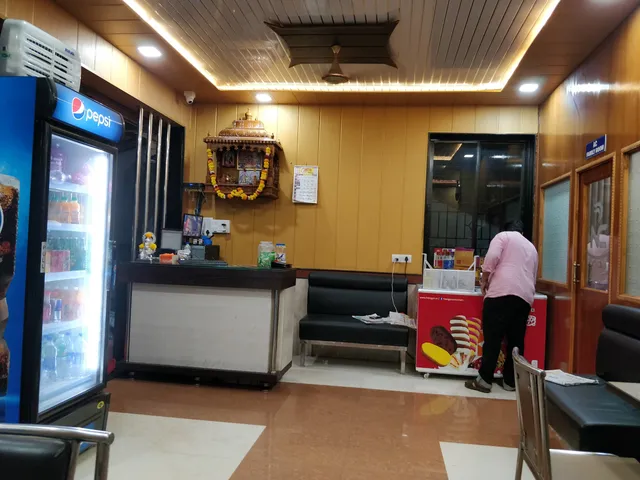
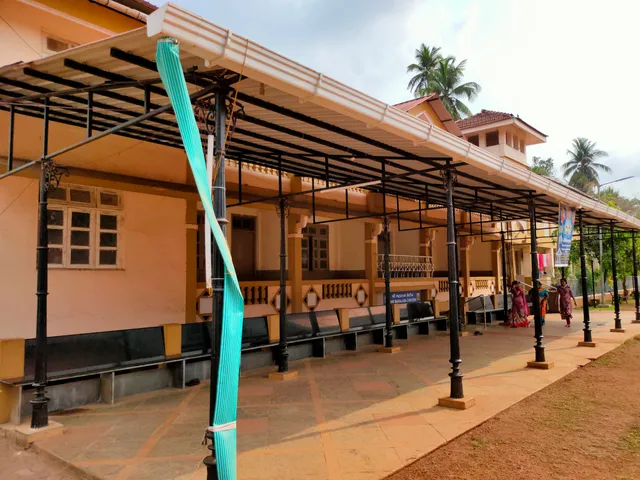
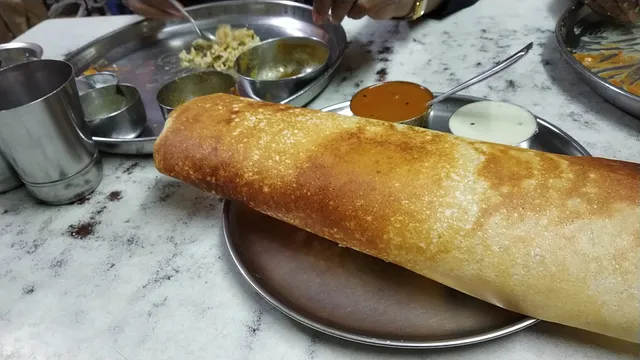
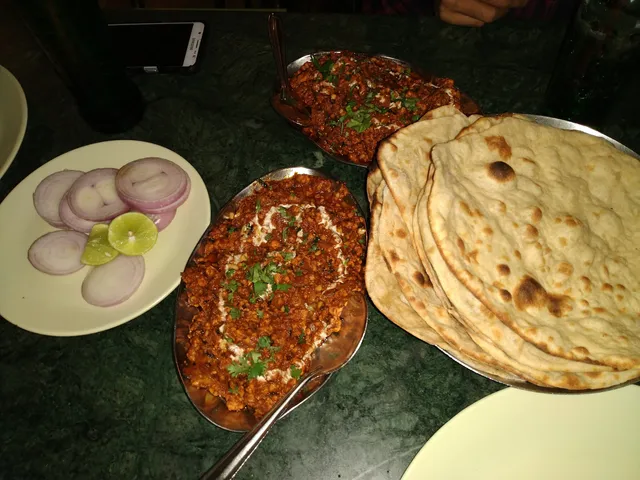
For those planning an extended stay, the temple provides practical amenities – a canteen serving wholesome food and rooms available for accommodation. These thoughtful facilities ensure that your focus remains on devotion and prayer, while your basic needs are well cared for.
One of the most charming aspects of a visit here is experienced early in the morning. At dawn, the calmness of the atmosphere is enhanced by the delightful sight of sparrows fluttering around the temple. Their presence adds a natural charm – a gentle reminder of how divinity and nature coexist in harmony.
Altogether, visiting this temple is not just about offering prayers – it is an experience that fills the mind with peace, the heart with devotion, and the soul with joy. It is a sacred place where culture, tradition, and spirituality unite, and for me, it will always remain a heavenly...
Read more