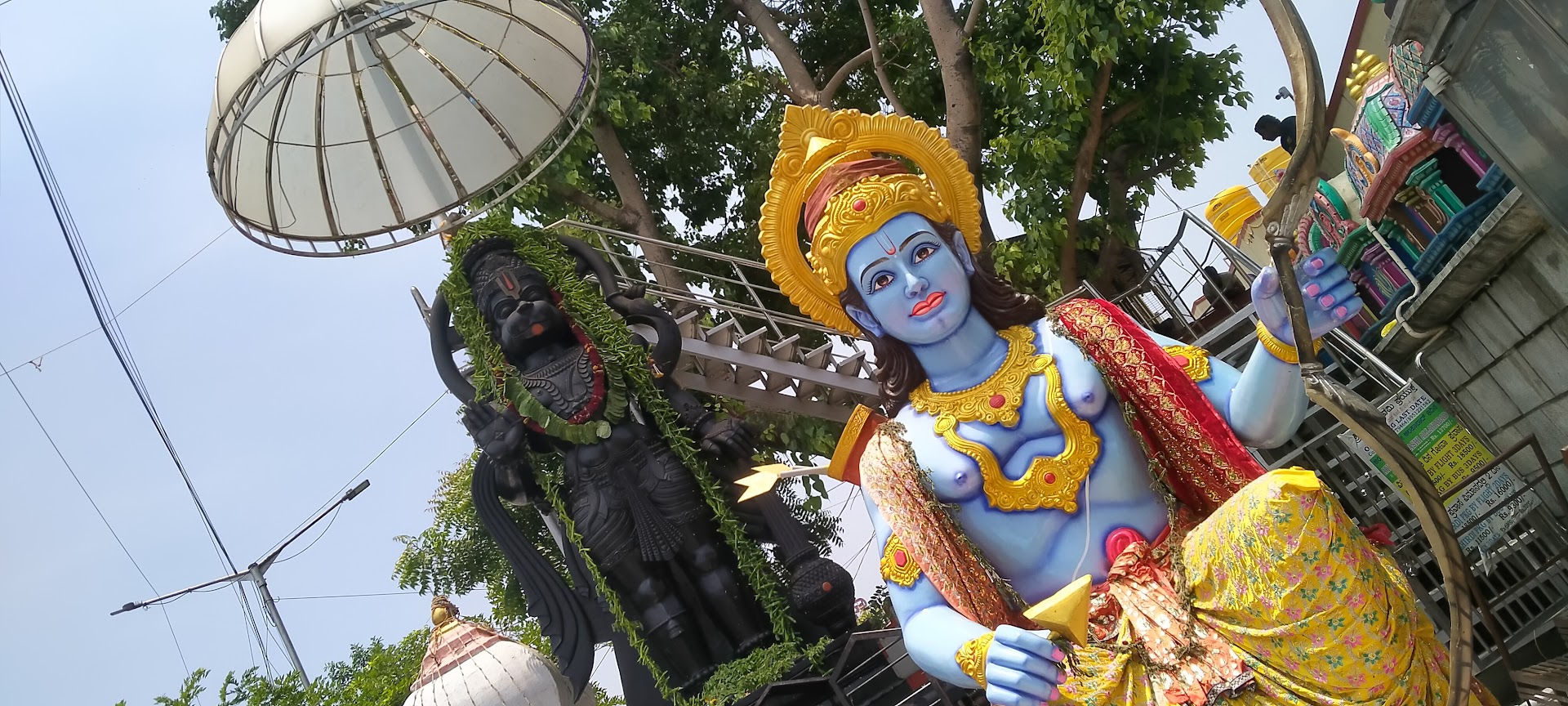
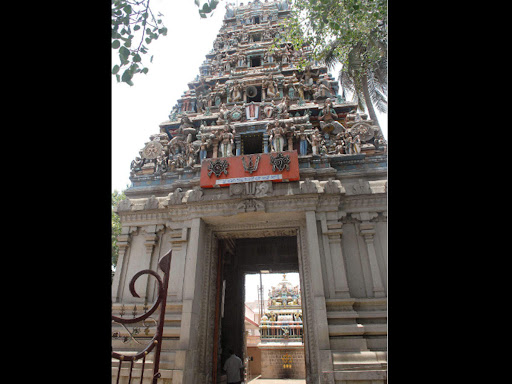
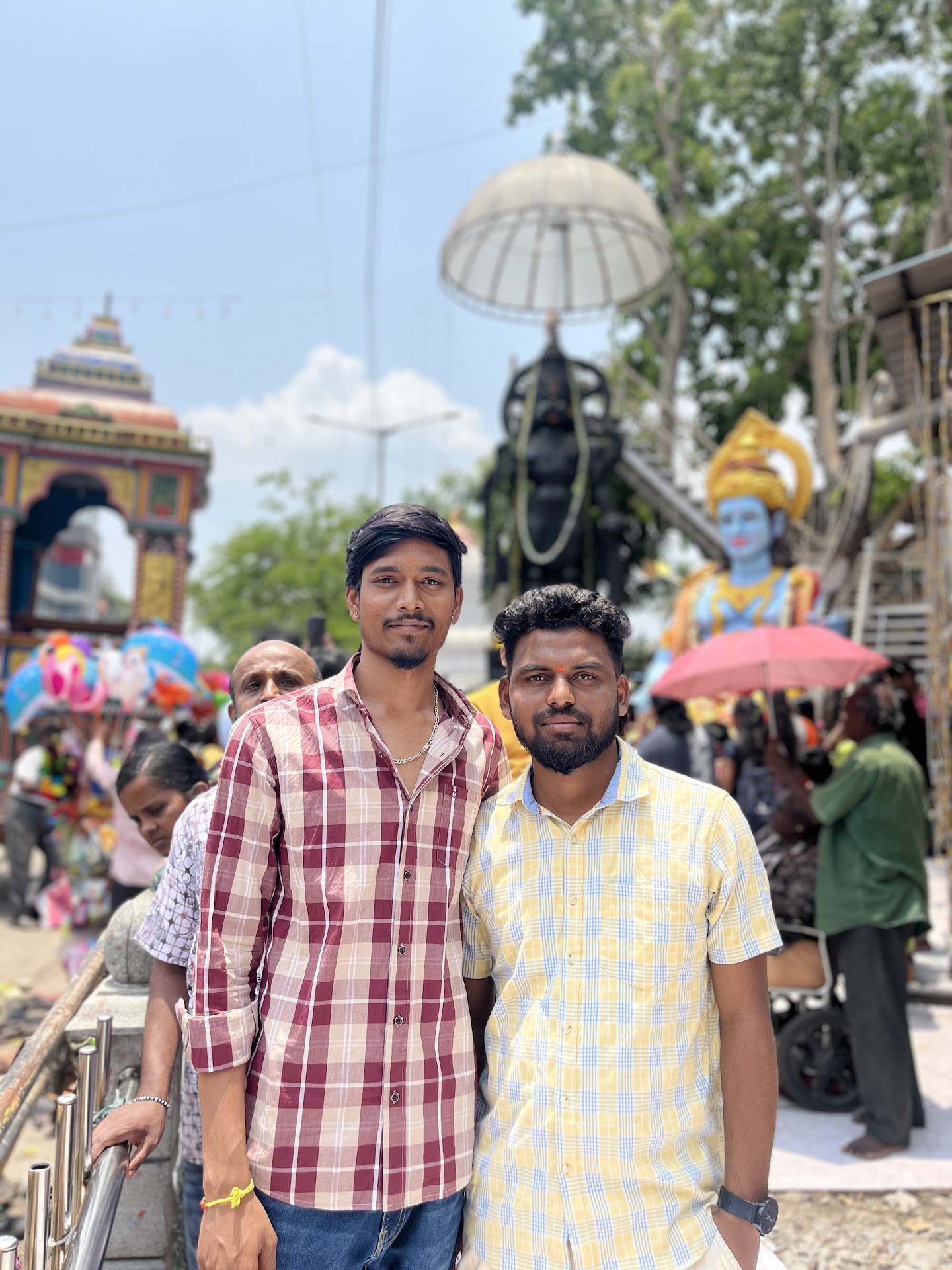
Shri Gali Anjaneya Swami Temple things to do, attractions, restaurants, events info and trip planning
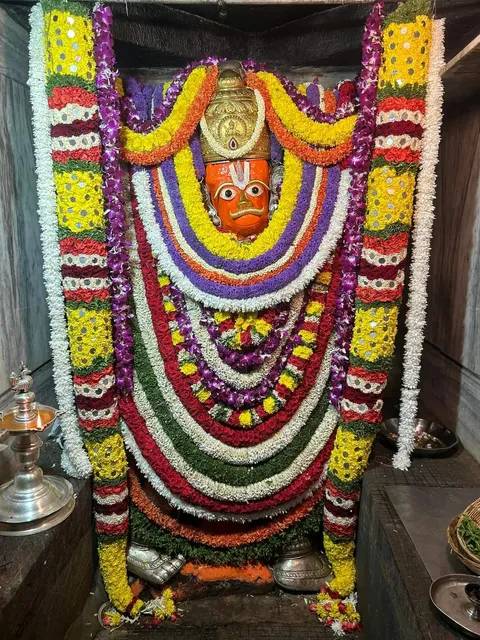
Basic Info
Shri Gali Anjaneya Swami Temple
MM Rd, Byatarayanapura New Extn, Kavika Lay Out, Banashankari, Bengaluru, Karnataka 560026, India
4.8(1.6K)
Open until 9:30 PM
Save
spot
spot
Ratings & Description
Info
Cultural
Accessibility
attractions: , restaurants: Imperial Restaurant Mysore Road, Thindi Mane, Adyar Ananda Bhavan - A2B, Mangalore Lunch Home, BRIDGEWAY FAMILY RESTAURANT, L. J. V. Iyenger Bakery & Sweets, GOWDARA MANE MUDDE OOTA, Raja Huli Tawa Fish Fry, Samipa Iyengar’s Bakery, Sri GFC Hotel, local businesses:
 Learn more insights from Wanderboat AI.
Open hoursSee all hours
Mon5:30 a.m. - 9:30 p.m.Open
Plan your stay

Pet-friendly Hotels in Bengaluru
Find a cozy hotel nearby and make it a full experience.

Affordable Hotels in Bengaluru
Find a cozy hotel nearby and make it a full experience.

The Coolest Hotels You Haven't Heard Of (Yet)
Find a cozy hotel nearby and make it a full experience.

Trending Stays Worth the Hype in Bengaluru
Find a cozy hotel nearby and make it a full experience.
Reviews
Live events
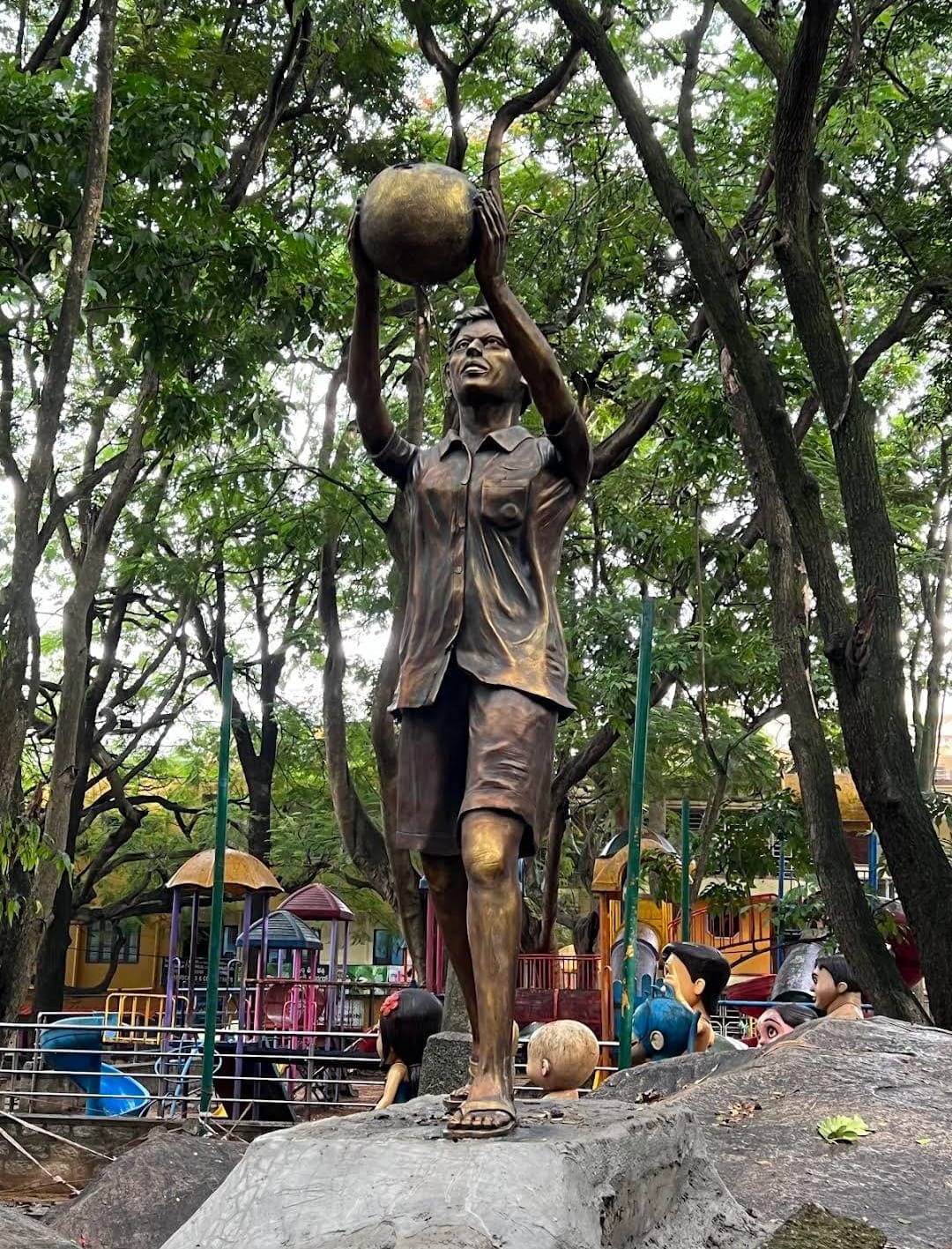
Experience Old Bangalore: Culture & Coffee
Tue, Feb 24 • 9:00 AM
Bengaluru, Karnataka, 560004, India
View details
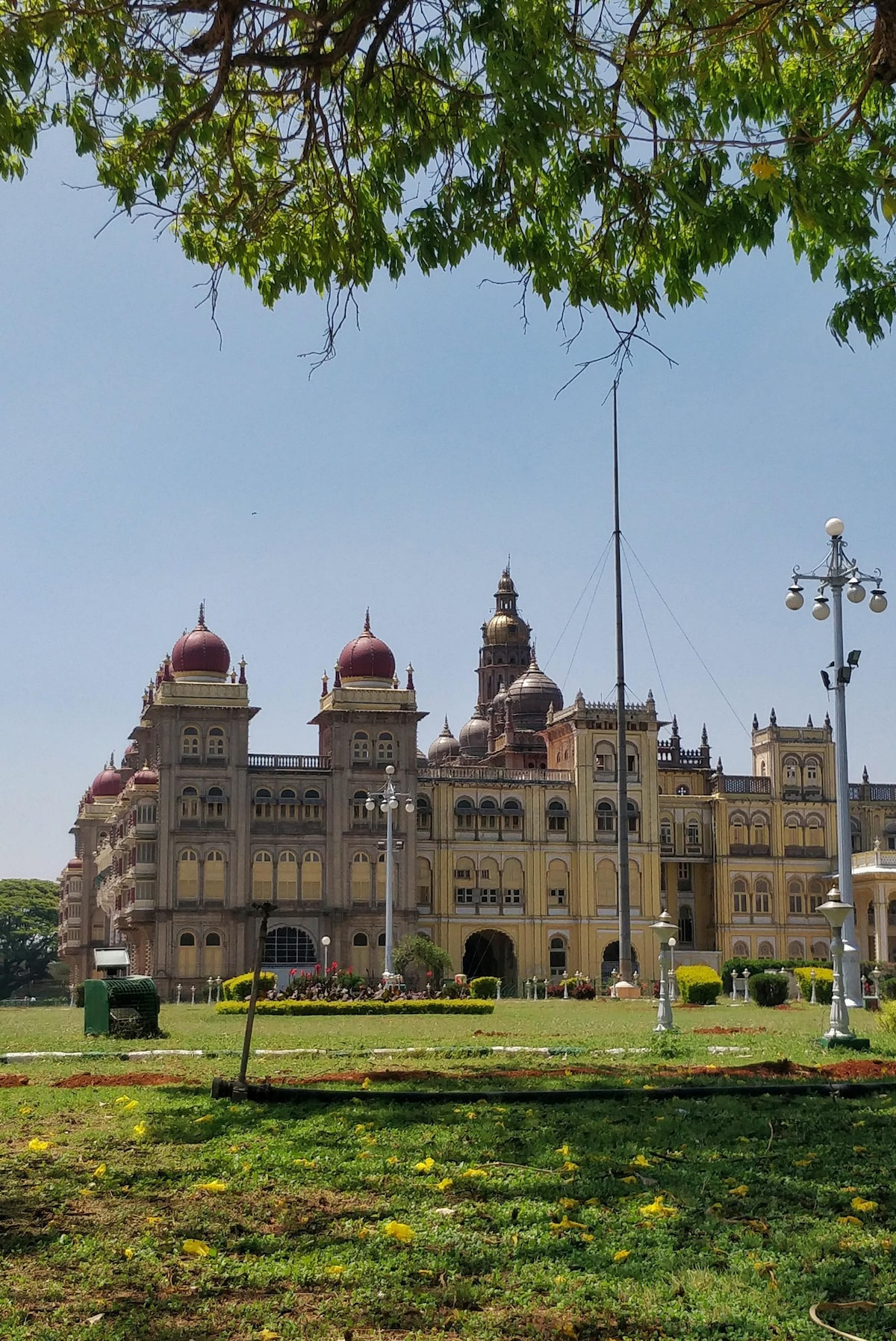
Day tour: Mysore from Bangalore with Lunch/AC car
Mon, Feb 23 • 8:00 AM
Bengaluru, Karnataka, 560001, India
View details
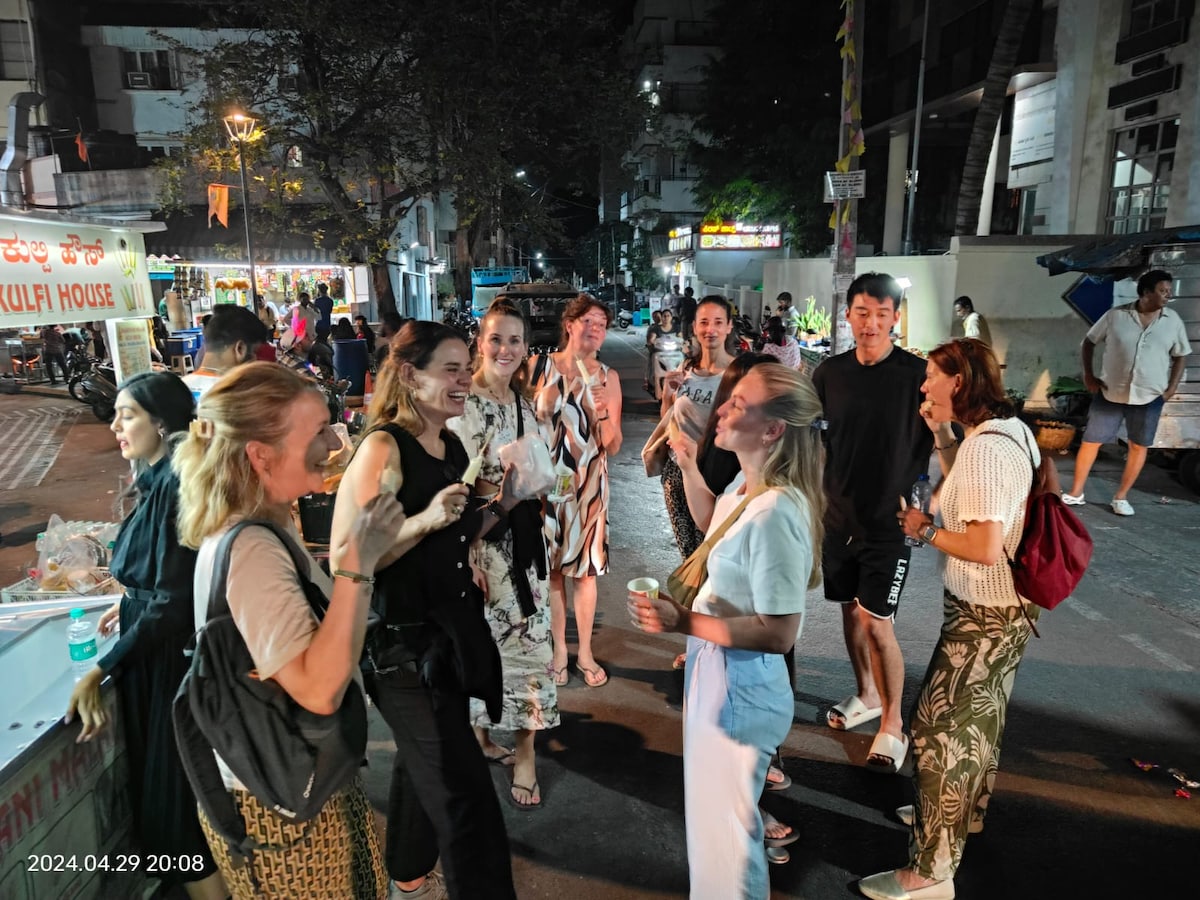
Street Food Tour near a Local Market in Bangalore
Mon, Feb 23 • 7:00 PM
Bengaluru, Karnataka, 560040, India
View details
Nearby restaurants of Shri Gali Anjaneya Swami Temple
Imperial Restaurant Mysore Road
Thindi Mane
Adyar Ananda Bhavan - A2B
Mangalore Lunch Home
BRIDGEWAY FAMILY RESTAURANT
L. J. V. Iyenger Bakery & Sweets
GOWDARA MANE MUDDE OOTA
Raja Huli Tawa Fish Fry
Samipa Iyengar’s Bakery
Sri GFC Hotel
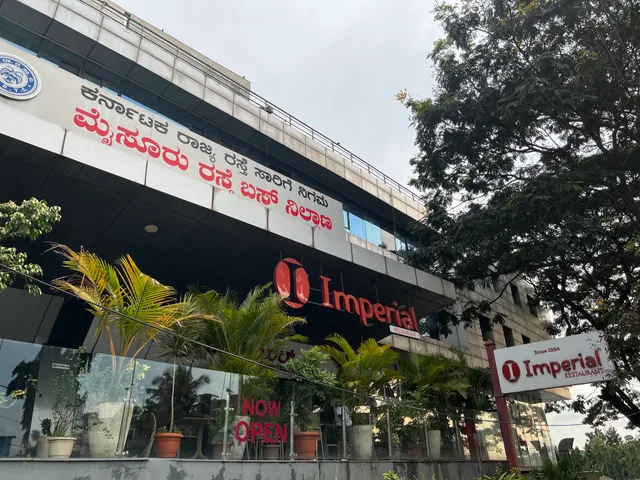
Imperial Restaurant Mysore Road
3.8
(4.2K)
Open until 2:00 AM
Click for details
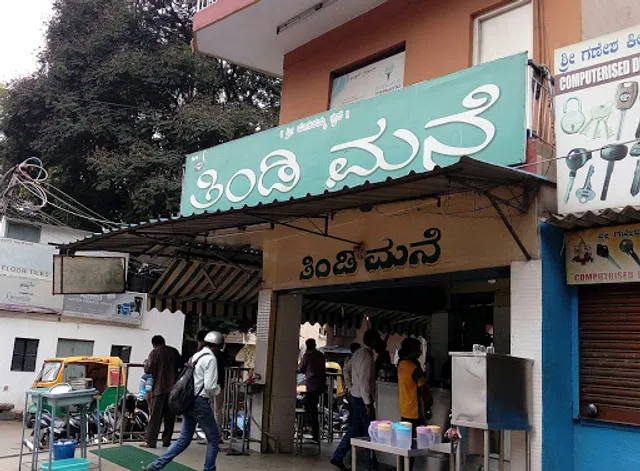
Thindi Mane
4.1
(1.0K)
Open until 11:00 PM
Click for details
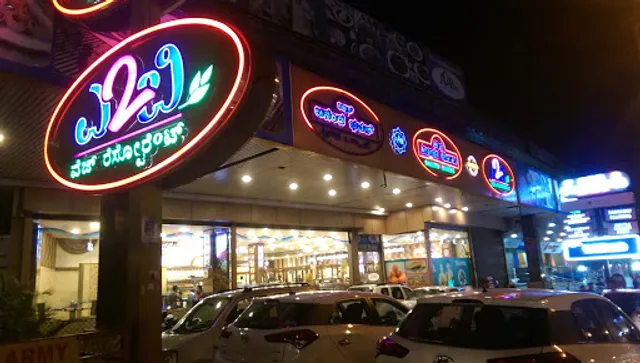
Adyar Ananda Bhavan - A2B
4.5
(17K)
Open until 10:30 PM
Click for details
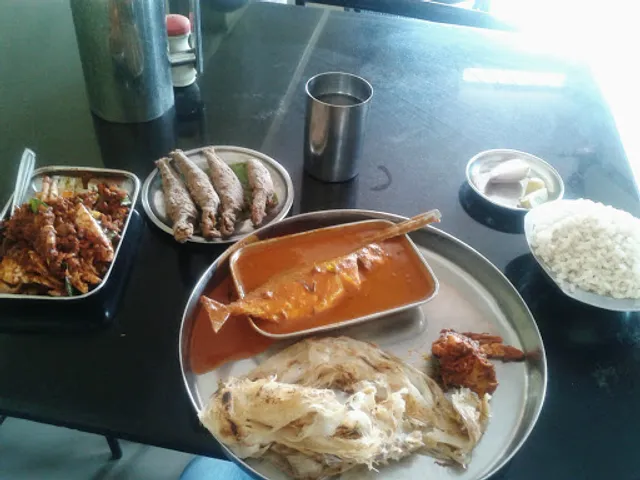
Mangalore Lunch Home
4.1
(198)
Open until 11:00 PM
Click for details