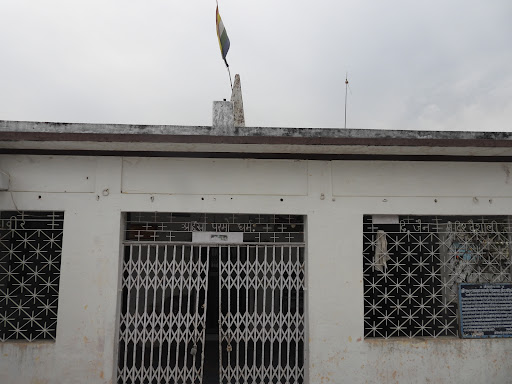
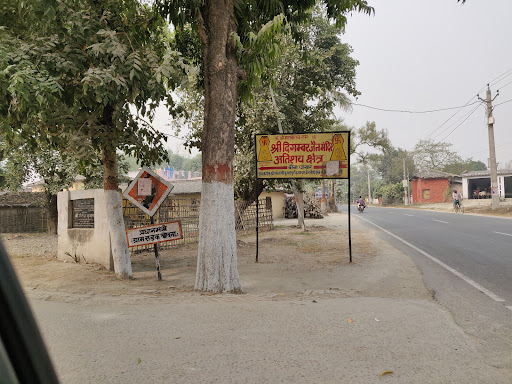
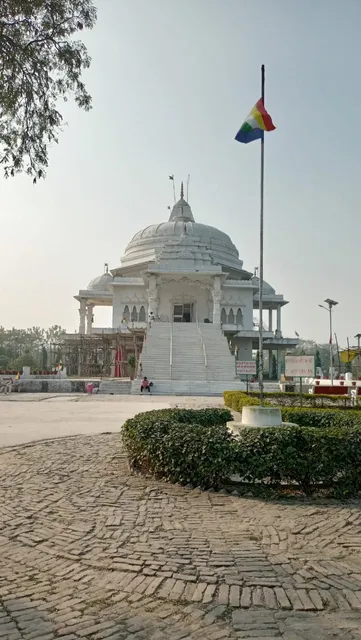
Atishaykari Jain prachin mandir, Bauna Pokhar things to do, attractions, restaurants, events info and trip planning
Basic Info
Atishaykari Jain prachin mandir, Bauna Pokhar
X4M9+WGP, Basarh, Bihar 844128, India
4.1(68)
Closed
Save
spot
spot
Ratings & Description
Info
Cultural
Family friendly
Accessibility
attractions: Ruins of The Fort of Lichhavi King Vishal, restaurants: Espresso coffee
 Learn more insights from Wanderboat AI.
Phone
+91 97084 39438
Open hoursSee all hours
Wed9 AM - 5 PMClosed
Plan your stay

Pet-friendly Hotels in Bihar
Find a cozy hotel nearby and make it a full experience.

Affordable Hotels in Bihar
Find a cozy hotel nearby and make it a full experience.

The Coolest Hotels You Haven't Heard Of (Yet)
Find a cozy hotel nearby and make it a full experience.

Trending Stays Worth the Hype in Bihar
Find a cozy hotel nearby and make it a full experience.
Reviews
Nearby attractions of Atishaykari Jain prachin mandir, Bauna Pokhar
Ruins of The Fort of Lichhavi King Vishal

Ruins of The Fort of Lichhavi King Vishal
4.3
(376)
Open 24 hours
Click for details
Nearby restaurants of Atishaykari Jain prachin mandir, Bauna Pokhar
Espresso coffee
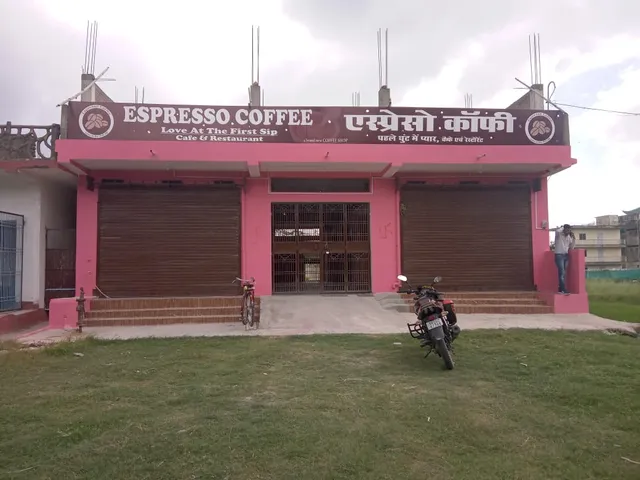
Espresso coffee
4.7
(125)
Click for details