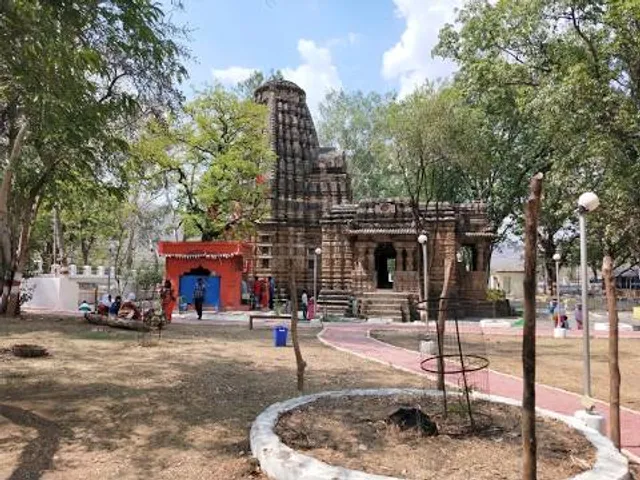
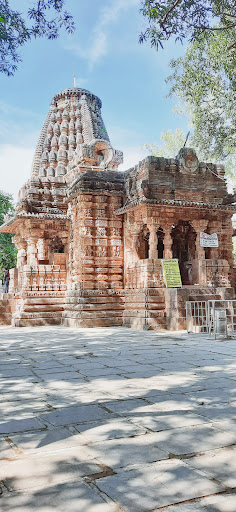
Bhoramdeo Temple is situated at a distance of 17 km from the district headquarter. Amidst bewitching surroundings, the temple carved out of stone looks splendid. It follows the Nagara style of architecture and Lord Shiva is worshipped here.
The Shivalinga in the temple is very artistic, which attracts tourists from all over the state. It was constructed in 1089 AD by the king of Fani Nagvansh, Gopal Dev. The temple looks similar to Khajuraho temples and therefore, is also known as Khajuraho of Chhattisgarh.
Other than its fascinating backdrop, the architecture is amazing. Two parts of the temple are made of ishtika and stone. A serene and calm lake is situated in front of the temple. It is five feet tall and the temple is divided into a mandap, an antarala and a garbhagriha.
It can be entered from all directions except from the west. The Shivalinga is situated at the garbhagriha. Sculptures of Lord Vishnu, Shiva and Ganesha can be seen on the outer walls of the temple. Idols of lions and elephants give the temple a royal touch.
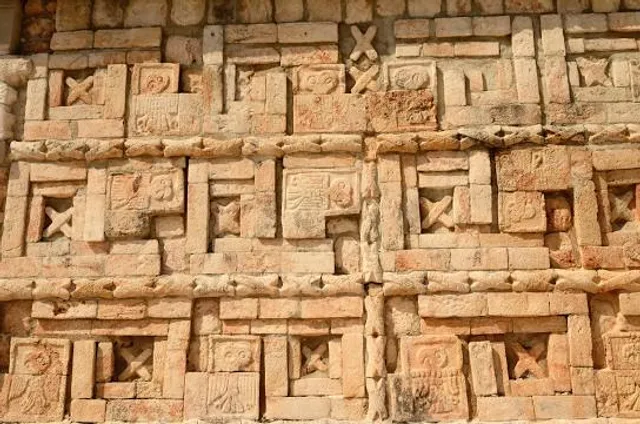
Uma Maheswar, Natraj, Narsimha, Krishna, Nritya Ganesh, Kartikeya, Chamunda, Sapta Matrika, Laxmi Narayan and idols of some other gods are found in the temple. Traces of Ram Katha is found inscribed on the walls of the temple.
Carnal sculptures in various erotic poses are famous all over the world. They reflect the social lifestyle of people during that period. The walls with traces of turmeric reflect various holy rituals that take place in the temple. The main temple is the Bhoramdeo temple built in stone. The architectural features with erotic sculptures has given a distinct style akin to the Khajuraho temple and the Konarak Sun Temple in Odisha, and hence the Bhoramdeo complex is known by the sobriquet the "Khajuraho of Chhattisgarh"
The temple complex, rich in history and archeological details, is dated to the Kalachuri period (10th-12th centuries, one ruling over areas in Central India in west Madhya Pradesh, Rajasthan and were called Chedi or Haihaya (Heyheya) (northern branch)) with close identity with the sculptures found in nearby archeological sites such as Janjgir, Kalachuri, Narayanpur and Ratanpur sites. The brick temples were built during the rule of Pandus and are similar to those built in Kharod, Palari, Rajim and Sirpur in the state.
The Temple was built by Laxman Dev Rai & Gopal Dev of Faninagvansh Dynasty.The temple complex, highlighted as a "scintillating poetry in stone", is credited to Nagwanshi Kings who practiced tantrism and who ruled in the then Southern Koshal region, which is now the state of Chhattisgarh. Its construction is dated between the 7th and 12th centuries.As the Gond Tribals of the area worshiped Lord Shiva whom they called Bhoramdeo, the temple was also named Bhoramdeo with the...
Read moreNestled amidst the lush greenery of Chhattisgarh’s Kabirdham district, Bhoramdev Temple stands as a serene testament to India’s rich spiritual heritage and architectural brilliance. Often referred to as the "Khajuraho of Chhattisgarh," this ancient temple complex is more than just a place of worship—it is a living chronicle of devotion, artistry, and cultural continuity.
The temple, dedicated to Lord Shiva, dates back to the 7th to 11th century CE and was built during the reign of the Kalachuri dynasty. What makes Bhoramdev truly captivating is its seamless blend of religious sanctity and aesthetic grandeur. The moment one steps into the temple premises, a sense of tranquility envelops the soul. Surrounded by the Maikal hills and dense forests, the setting itself feels divinely orchestrated—nature and spirituality in perfect harmony.
Architecturally, Bhoramdev Temple is a marvel. The intricate carvings on its stone walls depict scenes from mythology, daily life, and celestial beings, each etched with remarkable precision and emotion. These sculptures are not merely decorative; they narrate stories, evoke reverence, and reflect the artistic sensibilities of a bygone era. The temple’s shikhara (spire) rises gracefully, echoing the aspirations of the devotees who once gathered here in prayer and celebration.
What sets Bhoramdev apart is its accessibility and warmth. Unlike many grand temples that feel distant or overly formal, Bhoramdev invites exploration. Visitors are encouraged to walk around, observe, and absorb. The temple priests and local guides often share legends and historical insights with genuine pride, adding layers of meaning to the experience. It’s not uncommon to find locals offering flowers or lighting lamps with quiet devotion, reminding one that this is not just a monument—it is a living sanctuary.
The surrounding landscape adds to the temple’s allure. The nearby Bhoramdev Wildlife Sanctuary and the calm waters of the pond adjacent to the temple create a holistic experience for travelers. Whether one is a spiritual seeker, a history enthusiast, or a nature lover, Bhoramdev offers something profound. It’s a place where time slows down, where the past converses with the present, and where every stone seems to whisper tales of faith and resilience.
In a world increasingly driven by speed and spectacle, Bhoramdev Temple stands as a gentle reminder of the enduring power of simplicity, devotion, and craftsmanship. It is not just a destination—it is a journey into the soul of India, where spirituality and art converge in the most graceful manner.
For anyone seeking a meaningful escape, Bhoramdev Temple is not to be missed. It is a place that doesn’t just...
Read more
Search
Bhoramdeo Temple
Article
Talk
Language
Download PDF
Watch
Edit
Bhoramdeo Temple is a Hindu temples dedicated to the god Shiva in Bhoramdeo, in the Indian state of Chhattisgarh.1] It comprises a group of four temples of which the earliest is a brick-temple.[2] The main temple is the Bhoramdeo temple built in stone.[3] The architectural features with erotic sculptures has given a distinct style akin to the Khajuraho temple and the Konark Sun Temple in Odisha, and hence the Bhoramdeo complex is known by the sobriquet the "Khajuraho of Chhattisgarh".[3]
Bhoramdeo Temple
Bhoramdeo Temple
ReligionAffiliationHinduismDistrictKabirdham districtDeityShivaLocationLocationChaura village, Kawardha town.StateChhattisgarhCountryIndia


Location in Chhattisgarh
Geographic coordinates22°6′57.6″N 81°8′52.8″EArchitectureTypeNagaraCompleted1089 ADTemple(s)3Website[1]
Another temple within a distance of about 1 kilometre (0.62 mi) from Bhoramdeo, which is mentioned along with the Bhoramdeo complex is the Madwa Mahal, meaning marriage hall in local dialect, also known as Dullhadeo. It was built in 1349 during the reign of Ramchandra Deo of the Naga dynasty of Kawardha and has a unique Shiva Linga erected over 16 pillars.[3]
Location
Historyedit
The temple complex, rich in history and archeological details, is dated to the Kalachuri period (10th-12th centuries, one ruling over areas in Central India in west Madhya Pradesh, Rajasthan and were called Chedi or Haihaya (Heyheya) (northern branch)) with close identity with the sculptures found in nearby archeological sites such as Janjgir, Kalachuri, Narayanpur and Ratanpur sites. The brick temples were built during the rule of Pandus and are similar to those built in Kharod, Palari, Rajim and Sirpur in the state.[2
The Temple was built by Laxman Dev Rai & Gopal Dev of Faninagvansh Dynasty.The temple complex, highlighted as a "scintillating poetry in stone", is credited to Naga kings of Chakrakota who practiced tantrism and who ruled in the then Southern Koshal region, which is now the state of Chhattisgarh. Its construction is dated between the 7th and 12th centuries.[6] As the Gond Tribals of the area worshiped Lord Shiva whom they called Bhoramdeo, the temple was also named Bhoramdeo with the Shiva Linga deified in it.[6]
Layout
See also
References
View Mandir
External links
Last edited 1 month ago by 2409:4089:AD32:ECC5:0:0:1CCA:D109
RELATED ARTICLES
Kandariya Mahadeva TempleLargest Hindu temple in Khajuraho temple complex, India
MandapaSanskrit term for a pillard hall or pavilion
Vishvanatha Temple, KhajurahoHindu temple in...
Read more