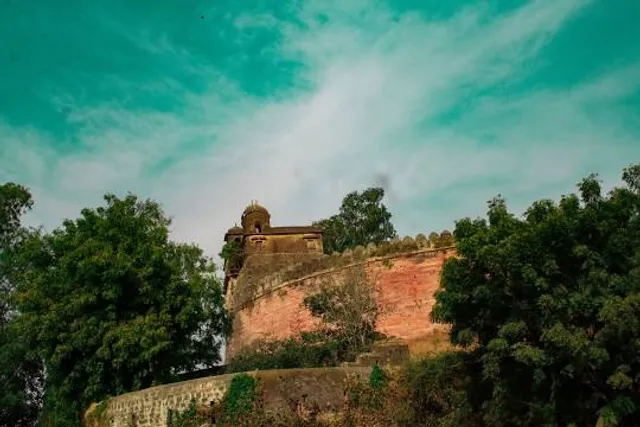
Dhar Fort, located overlooking Dhar town, is an ancient structure with a rich history.
Originally called as Dharma Giri Lilodyan by the Parmar rulers.
It was reconstructed in 1344 CE by Sultan Mahmud Tughlaq. Later, the fort came under the control of the Peshwas and Rohillas. During the revolt of 1857, the British bombarded the fort for six days before capturing it.
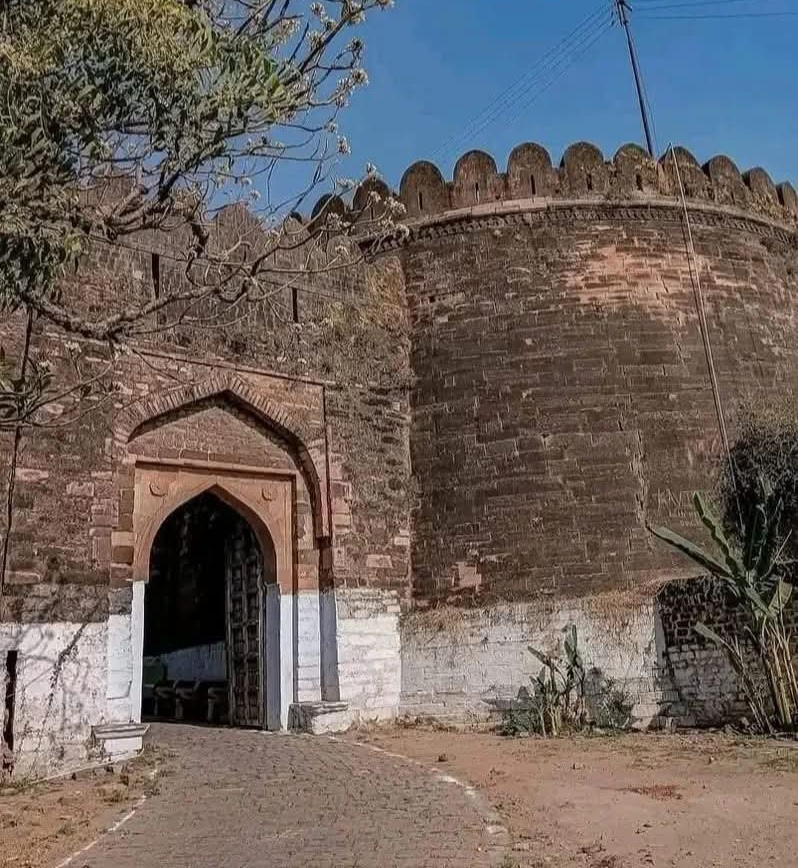
Constructed with red sandstone, black stone, and marble, the fort showcases a blend of Hindu, Islamic, and Afghan architectural styles.
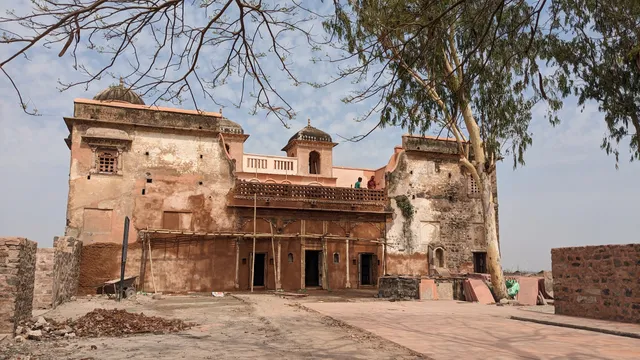
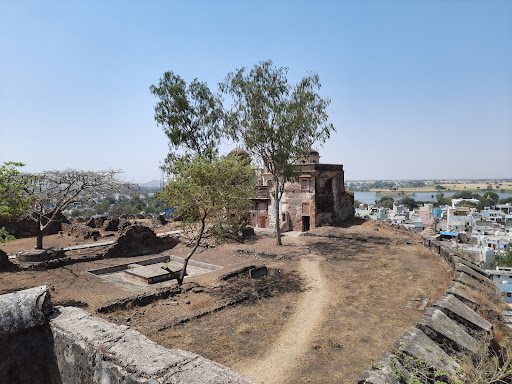
Over the years, the fort fell into disrepair. While the outer walls and gates are well-maintained, the inner parapet and grounds are poorly preserved, overgrown with foliage, and littered with garbage.
Visitors have also reported the presence of stray dogs and broken bottles, making exploration difficult.
The museum inside the fort, which was formerly a jail, houses fragmentary sculptures, ancient art, and stone carvings. However, it is in poor condition, with only two accessible blocks and others under maintenance.
Entry to the fort is ticketed at ₹20 for adults, while children under 15 years of age can enter for free. Parking is available for both two-wheelers and four-wheelers.
The fort's massive gates and overall structure remain impressive, but much of the interior is blocked or inaccessible. Construction work and overgrown pathways hinder exploration. Despite these challenges, the fort remains a historic site of significance.
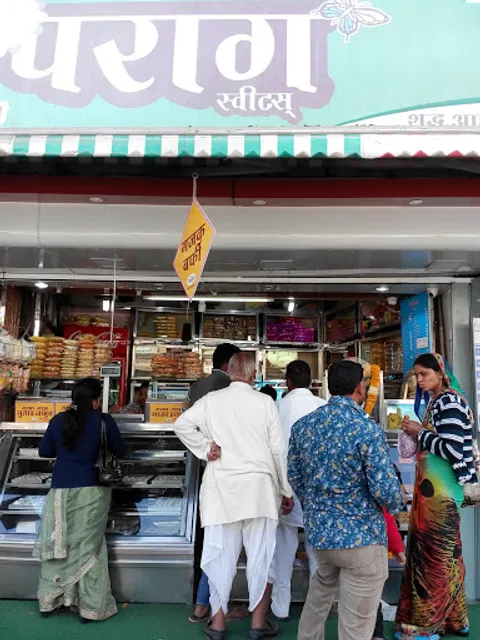
Visitors can find food stalls outside, and autos and buses are readily available for transportation. The nearby bus stand adds to its accessibility.
Overall, Dhar Fort, while offering a glimpse into its rich history, requires significant maintenance and better management to improve the...
Read moreThe Dhar Fort is the most important historical monument in Dhar which was the capital of the legendary king Bhoj. It is situated at a distance of about 3 km from the central area of the town. When Alauddin Khalji came to power in Delhi, Islamic influence started spreading in Dhar. He took initiative and started the construction of the Dhar Fort. In the year 1344 the work was completed. The Dhar Fort still stands after the passage of so many years.
Dhar was an important centre at the time of the Great revolt of 1857. The Dhar Fort was captured by the Indian freedom fighters and kept in their possession for four months from July to October.
The fort is situated to the north of the town. It stands on top of a small hill. It was constructed out of red sandstone. The architecture of the fort is a combination of Hindu, Mughal and Afghan style and this is its uniqueness. The Dhar fort in Madhya Pradesh contained the palace of the Raja. The best part is that this fort has been well preserved and you can get great views of the surrounding area from the ramparts of the fort. It is really must visit place if you ever...
Read moreधार दुर्ग ( धार का किला) मध्य प्रदेश के धार नगर में स्थित है। यह किला नगर के उत्तर में स्थित एक छोटी सी आयताकार पहाड़ी पर बना हुआ है। इस किले को बनाने के लिए इस्तेमाल की जाने वाली सामग्री इसी छोटे से टीले से ली गई है जिसमें लाल बलुआ पत्थर ,ठोस मुरम व काला पत्थर शामिल है, किले की स्थापत्य शैली हिन्दू, मुस्लिम और अफगान शैली है किले का मुख्य द्वार पश्चिम में बनाया गया था।
धार के परमार शासक राजा भोजदेव [1010-1055] के समय इस किले को [[धार गिरी लीलोद्यान]] के नाम से जाना जाता था । अलाउद्दीन खलजी के दिल्ली सिंहासन पर बैठने के कारण इस्लामिक प्रभाव धार में फैलने लगा, जिसके परिणामस्वरूप १३०५ मे अलाउद्दीन खलजी के सेनापति आईनुल मुल्क मुल्तानी ने मालवा पर आक्रमण कर परमार शासक महलकदेव की हत्या कर परमार वंश का अन्त कर दिया उसने द्वार तोड़ कर दुर्ग पर कब्जा कर लिया बाद मे इसी ने किले को पुनर्निर्मित कर दुर्गीकरण का कार्य पूर्ण किया । सन १३४६ मे मुहम्मद विन तुगलक भी देवगिरि जाते समय इस किले मे कुछ समय के लिये रुका । 1857 के विद्रोह के समय धार मध्य भारत के प्रमुख केंद्र के रुप मे रहा, इस किले पर भारतीय स्वतंत्रता सेनानियों ने कब्जा कर लिया और जुलाई से अक्टूबर , चार माह तक अपने कब्जे में रखा। [पुनर्निर्माण कर्ता एवम् वर्ष, किले मे पुरातात्विक विभाग द्वारा दी गयी जानकारी पर आधारित है ]
किले के अंदर और भी कई संरचना मौजूद हैं, जो काफी महत्वपूर्ण हैं, जैसे कि खड़बूजा महल, शीश महल । इतिहास में स्पष्ट है कि जहांगीर ने शीश महल बनबाने मे सहायता की थी । दारा शिकोह जो कि शाहजहां का सबसे बड़ा बेटा था, उसने भी औरंगजेब से युध्द के दौरान इस किले में शरण ली थी इसी समय खरबूजा महल, जिसे कस्तूरी तरबूज के आकार के कारण यह नाम मिला है, 16 वीं शताब्दी ईस्वी में बनाया गया था।
पवार वंश ने 1732 ईस्वी में इस किले पर कब्जा कर इसे शाही महल के रूप में उपयोग मे लिया। मराठा संघर्ष के दौरान, रघुनाथ राव की पत्नी आनंदी बाई ने यहां आश्रय लिया, और उन्होंने इस स्थान पर पेशवा बाजीराव द्वितीय को जन्म दिया। वैरासिंह परमार ने 10 वीं शताब्दी में धार पर विजय प्राप्त की और अपनी राजधानी बनाई।
आज यह किला खंडहर हो गया है, पर जो भी अवशेष है, वे इसके वैभवशली अतीत के प्रमाण है। किलेबंदी की दीवार उपेक्षा, रखरखाव की कमी, पानी की कमी और पेड़ों और भारी झाड़ियों की वृद्धि के कारण ढह गई थी। लेकिन प्रशासन ने और अधिक गिरावट को नियंत्रित करने के लिए मरम्मत योजनाओं को निष्पादित करना शुरू कर दिया है; एक ही डिजाइन और पैटर्न के साथ नए लकड़ी के दरवाजे के पैनलों को उकेरने की योजना है, किलेबंदी की दीवार को मजबूत किया गया है, चूने के ऊपर रेत पत्थर के पटिया का उपयोग करके प्लस्तर संरक्षण कार्य...
Read more