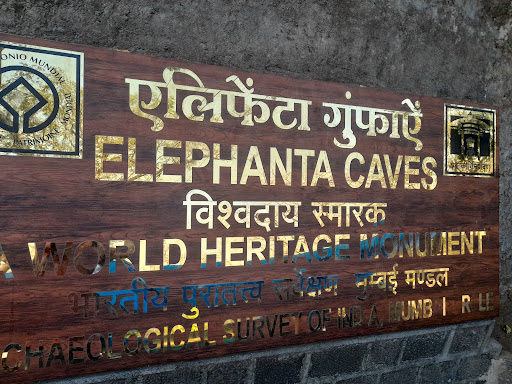
Elephanta rock-cut cave temples were listed as a UNESCO World Heritage Site in 1987. Not only are they considered to be one of the most significant examples of Indian sculpture art, but they're also one of the most important collections dedicated to Lord Shiva.
🔸️History A lack of archeological evidence means it's uncertain who exactly made the Elephanta Caves or when. Based on other similar caves in the region, the Elephanta Caves are widely thought to have been constructed sometime around the 6th century AD, either by king Krishnaraja of the Kalachuri Dynasty or by Chalukya Dynasty rulers. These dynasties were established in the region after the decline of the Vakataka Dynasty in the 6th century.
🔹️Why the Name? The island was called Elephanta Island by the Portuguese in the 16th century after they acquired it from the Gujarat Sultanate and discovered a sizeable rock-cut stone elephant statue there (the figure is now on display outside the Bhau Daji Lad in Mumbai).
By the time the British gained control of Bombay in the 17th century, the caves had become quite damaged. Large sections had been either vandalized or ruined by natural forces.
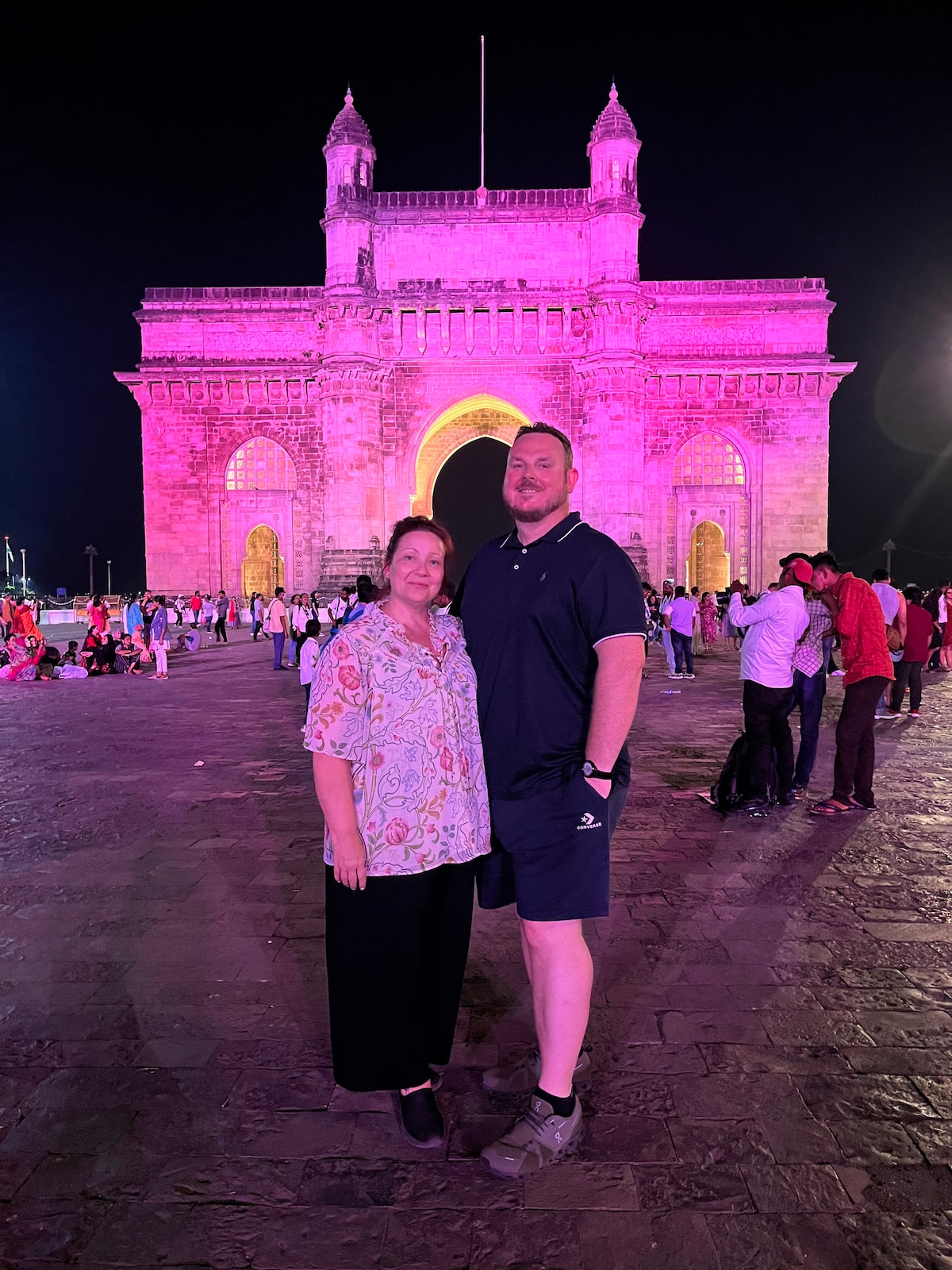
🔸️How to get there Elephanta Island is reached in about an hour by boat from the Gateway of India in Colaba. The boats depart every half hour or so from 9 a.m. to 2 p.m. There are two options: luxury or ordinary. The newer luxury boats are hardly luxurious, but they're a bit more comfortable than the standard ones. Expect to pay about 260 rupees per person for the round trip. Tickets can be purchased from the official booking office counter near the departure point. For 10 rupees extra, payable aboard the boat, you can sit on the upper deck. It's recommended for the best views (including the iconic Taj Palace Hotel and Gateway of India in one frame).
Once you arrive at the jetty on the island, you'll need to walk up about 120 steps to reach the entrance of the caves.
🔹️When to visit The caves are open from 9 a.m. to 5 p.m., daily except Mondays. Ideally, go early in the morning to beat the crowds and heat. Boat services are suspended during the monsoon season from June to August.
🔸️On the Island
Entry tickets cost 40 rupees for Indians and 600 rupees for foreigners. They can be purchased from the counter at the entrance to the caves. There's also a 10 rupee development tax.
The stairway up to the caves is lined with souvenier and snack stalls. Do stock up on anything you need to eat and drink. However, beware of the pesky monkeys that patrol the area, and keep any consumables away from them. They're known to be aggressive and will steal stuff.
Tourist guides are available for hire at the caves, and they'll likely approach you.
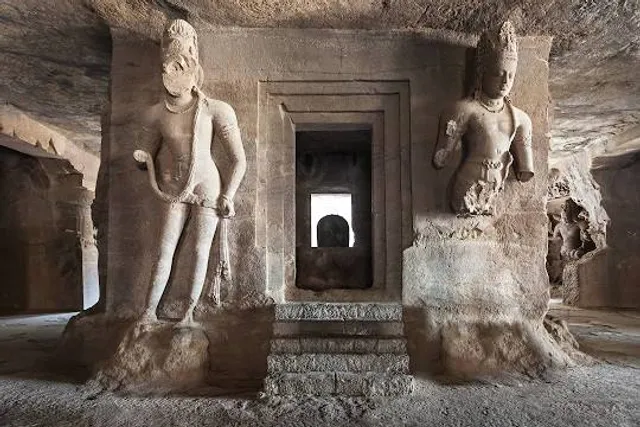
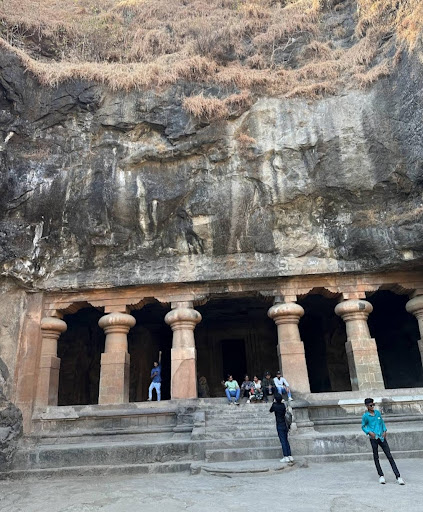
🔸️What to see There are seven caves in two groups on two different hills. Caves 1-5 are Hindu caves dedicated to Lord Shiva on Gun Hill (also called Cannon Hill). Caves 6 and 7 are Buddhist caves, situated further away on the island's eastern Stupa Hill. Not a lot of people visit them. They're not in good condition, and one is unfinished.
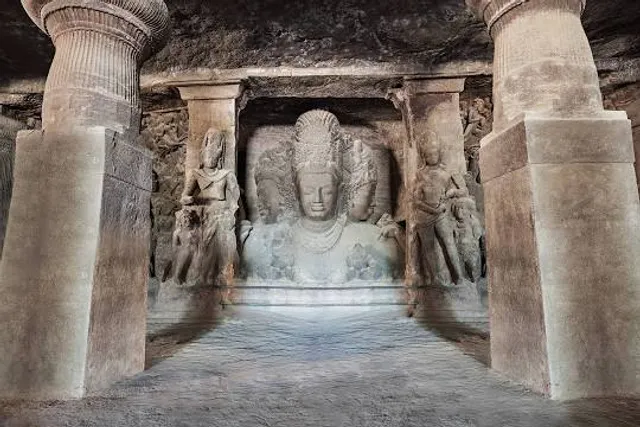
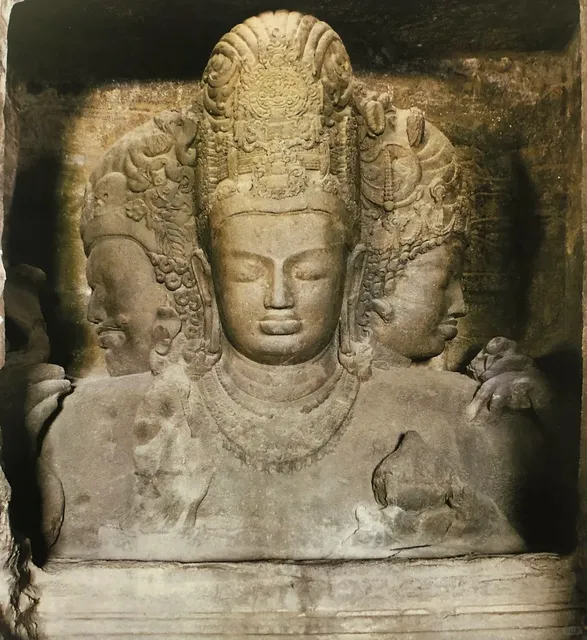
The main attraction is Cave 1, and it's the first cave you'll come across. It's difficult not to be wowed by the masterful carvings of Lord Shiva in 10 different avatars. The most impressive one is a 7 meter (22 foot) Trimurti—a three-faced Shiva in his role of the destroyer, creator and preserver of the universe. This cave is often likened to Dhumar Lena Cave 29 at Ellora.
There's less to see in Caves 2-4, as they're almost devoid of carvings.
If you climb the crumbling narrow path to the right of the entrance to the caves, it will take you to the top of the hill where there are two large cannons. The hill also provides captivating views across the island.
Source: Wikipedia,Tripsavvy: Elephanta Caves in Mumbai the...
Read moreNestled on Elephanta Island in Mumbai Harbor, the Elephanta Caves stand as a testament to India's rich cultural heritage and architectural prowess. As a UNESCO World Heritage Site, these caves attract visitors from across the globe, offering a fascinating glimpse into centuries-old art and spirituality.
Location and Accessibility : Accessible only by a short ferry ride from the Gateway of India, the journey to Elephanta Island adds to the charm of the experience. The ferry ride itself offers stunning views of the Mumbai skyline and the Arabian Sea, making it a memorable part of the excursion.
Architecture and History: The Elephanta Caves consist of a series of rock-cut temples dating back to the 5th to 8th centuries AD, showcasing exquisite craftsmanship and intricate carvings. Dedicated primarily to Lord Shiva, the caves feature grand sculptures depicting various aspects of Hindu mythology, including the iconic Trimurti, a three-headed bust of Lord Shiva.
Exploration and Highlights: Upon arrival, visitors are greeted by a network of pathways leading to different caves, each offering its own unique set of marvels. The main cave, also known as the Great Cave, is the most impressive, housing the majority of the sculptures and shrines. As you navigate through the dimly lit chambers, be prepared to be awestruck by the sheer scale and detail of the carvings, which depict gods, goddesses, and mythological scenes with remarkable precision.
One of the standout features is the famous Sadashiva panel, a colossal depiction of Lord Shiva in his various forms, including the creator, preserver, and destroyer of the universe. The attention to detail in the facial expressions, hand gestures, and ornamentation is truly remarkable and speaks volumes about the skill of the artisans who crafted them.
Aside from the main cave, exploring the island allows visitors to soak in the serene natural beauty and marvel at the panoramic views of the surrounding landscape. The island's tranquil atmosphere provides the perfect backdrop for reflection and contemplation, making it an ideal escape from the hustle and bustle of Mumbai city life.
Tips for Visitors: Wear comfortable footwear as the pathways can be uneven and rocky. Carry sufficient water and snacks, especially during hot weather. Plan your visit early in the day to avoid crowds and make the most of your time exploring the caves. Consider hiring a guide to provide insights into the history and significance of the site.
Conclusion: A visit to the Elephanta Caves is not just a journey through time but also a spiritual and cultural awakening. From the awe-inspiring sculptures to the tranquil surroundings, every aspect of the experience leaves a lasting impression on visitors. Whether you're a history enthusiast, an art lover, or simply seeking a peaceful retreat, Elephanta Caves offers something for everyone, making it a must-visit...
Read moreNestled amidst the turquoise waters of the Arabian Sea, just off the coast of Mumbai, lies a treasure trove of ancient art and history - the Elephanta Caves. Carved into the hillock of Gharapuri island, these caves stand as a testament to the artistic and spiritual grandeur of India's bygone era. For history enthusiasts, a trip to Elephanta Caves is not just a sightseeing excursion; it's a captivating journey through time, offering a glimpse into the religious and cultural tapestry of ancient India.
Stepping Back into the 5th Century
The caves, believed to have been carved between the 5th and 7th centuries AD, were initially dedicated to Hinduism. Later, in the 8th century, they were taken over by Buddhist monks who left their own mark on the cave walls. As you enter the main cave, also known as the 'Great Cave', you're greeted by a towering 6-meter-high Trimurti sculpture, depicting the three forms of Lord Shiva - the Creator, the Preserver, and the Destroyer. This awe-inspiring masterpiece, carved with intricate detail and radiating divine energy, sets the tone for the breathtaking wonders that lie ahead.
A Canvas of Myths and Legends
As you delve deeper into the cave, the walls come alive with a mesmerizing array of sculptures and paintings that narrate tales from Hindu mythology. Scenes from the epics Ramayana and Mahabharata, along with depictions of celestial beings and mythical creatures, adorn the cave walls, whispering forgotten stories and transporting you to a bygone era. Each panel, meticulously crafted by skilled artisans, showcases a remarkable interplay of light and shadow, adding an element of drama and intrigue to the narrative.
Beyond the Grand Cave
While the Great Cave undoubtedly takes center stage, the Elephanta complex comprises five caves in total, each with its own unique charm. The smaller caves, though less ornate, offer a more intimate experience and provide insights into the lives of the monks who once resided there. The Buddhist cave, Cave 3, features a colossal reclining Buddha statue, exuding an aura of serenity and peace.
A Must-Visit for History Buffs
A trip to Elephanta Caves is not just about marveling at ancient art and architecture; it's about experiencing the very essence of India's rich cultural heritage. The caves offer a fascinating glimpse into the beliefs, practices, and artistic sensibilities of a bygone era, making them a must-visit for history lovers.
Tips for planning your visit:
The best time to visit the Elephanta Caves is during the cooler months, from October to March. Take a ferry from Gateway of India to reach Elephanta Island. Wear comfortable shoes as there's a bit of walking involved. Carry a water bottle and snacks as there are limited food options available on the island. Photography is allowed inside the caves, but avoid...
Read more