HTML SitemapExplore

Dutch & Armenian Cemetery — Attraction in Gujarat

Name
Dutch & Armenian Cemetery
Description
Nearby attractions
Tomb of Khudawand Khan
6R3F+PF6, Sayedpura, Surat, Gujarat 395003, India
Nearby restaurants
City Point Restaurant
3, 4, 5, Ganpati Plaza, G-2, Katargam Rd, Kubernagar, Katargam Darwaja, Surat, Gujarat 395003, India
Nawab Restaurant
7/1236, Shop no G-1/2, Nurani Plaza, Surat, Kamila Rd, Katargam, Surat, Gujarat 395003, India
Aqsa Restaurant
s.No.6-7,Malek Bawa complex,Hodi Bangla, Gujarat 395003, India
Taqwa Restaurant
7/1675,nr saiyedpura pumpingstation, opposite malekbaba appartment, Surat, Gujarat 395003, India
Apsara Restaurant
Shop no. 9-10, Refai Gadi, Hodi Bungalow, Natraj Compound, Sayedpura, Surat, Gujarat 395003, India
Jai Jalaram Locho & Khaman
Katargam Rd, Peoples Char Rasta, Gotalawadi, Tunki, Katargam, Surat, Gujarat 395004, India
Gita's Fast Food - katargam
Shop No 1, Doctor House, Peoples Char Rasta, Katargam Rd, Surat, Gujarat 395004, India
Sainath Surati Locho
Shop Number B-3,Shiv Residency,Paras Society, Kubernagar, Surat, Gujarat 395004, India
Shreeji Restaurant
Gokul Complex, Keshavpark, Ved Rd, opp. Pandol, Surat, Gujarat 395004, India
Quality Bakery
Natraj Compound, Sayedpura, Surat, Gujarat 395003, India
Nearby local services
Nearby hotels
Maa Kaamal Deep Home Stay - Hostel - PG
Home Stay, Maa Kaamal Deep Ved Road, E-2, Darbar Nagar, Surat, Gujarat 395004, India
Related posts
Keywords
Dutch & Armenian Cemetery tourism.Dutch & Armenian Cemetery hotels.Dutch & Armenian Cemetery bed and breakfast. flights to Dutch & Armenian Cemetery.Dutch & Armenian Cemetery attractions.Dutch & Armenian Cemetery restaurants.Dutch & Armenian Cemetery local services.Dutch & Armenian Cemetery travel.Dutch & Armenian Cemetery travel guide.Dutch & Armenian Cemetery travel blog.Dutch & Armenian Cemetery pictures.Dutch & Armenian Cemetery photos.Dutch & Armenian Cemetery travel tips.Dutch & Armenian Cemetery maps.Dutch & Armenian Cemetery things to do.
Dutch & Armenian Cemetery things to do, attractions, restaurants, events info and trip planning
Dutch & Armenian Cemetery
IndiaGujaratDutch & Armenian Cemetery

Basic Info

Dutch & Armenian Cemetery

1, Katargam Rd, Rampura, Raman Nagar, Katargam Darwaja, Surat, Gujarat 395003, India
4.2(322)
Closed
Save
spot

Ratings & Description

Info

Cultural
Scenic
Off the beaten path
attractions: Tomb of Khudawand Khan, restaurants: City Point Restaurant, Nawab Restaurant, Aqsa Restaurant, Taqwa Restaurant, Apsara Restaurant, Jai Jalaram Locho & Khaman, Gita's Fast Food - katargam, Sainath Surati Locho, Shreeji Restaurant, Quality Bakery, local businesses:

logoLearn more insights from Wanderboat AI.
Open hoursSee all hours
Tue10 AM - 7 PMClosed

Plan your stay

hotel
Pet-friendly Hotels in Gujarat
Find a cozy hotel nearby and make it a full experience.

hotel
Affordable Hotels in Gujarat
Find a cozy hotel nearby and make it a full experience.

hotel
The Coolest Hotels You Haven't Heard Of (Yet)
Find a cozy hotel nearby and make it a full experience.

hotel
Trending Stays Worth the Hype in Gujarat
Find a cozy hotel nearby and make it a full experience.

Reviews

Live events
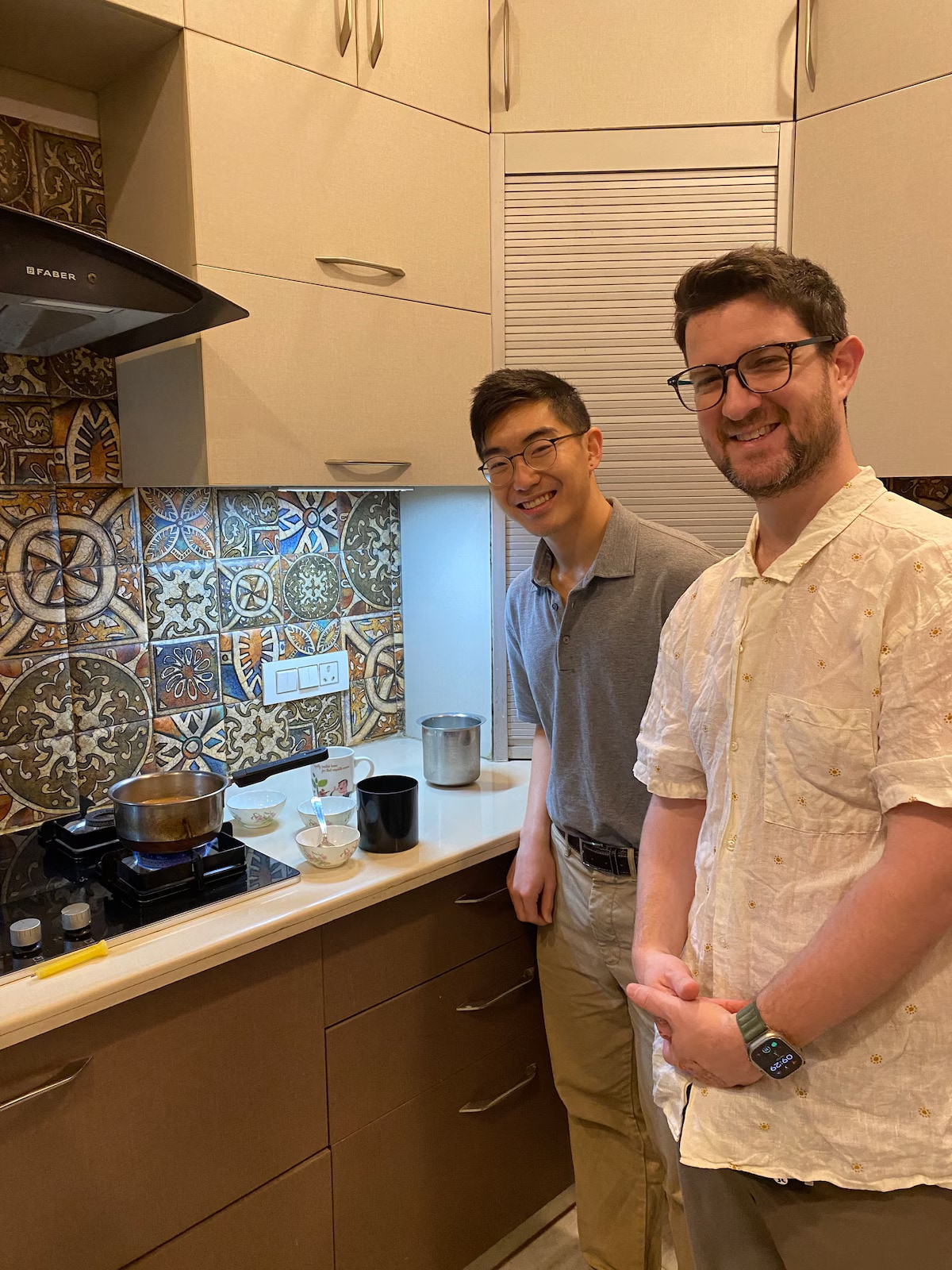
Learn to Make Masala Chai in a Local Indian Family
Tue, Jan 13 • 12:00 AM
Surat, Gujarat, 394210, India
View details
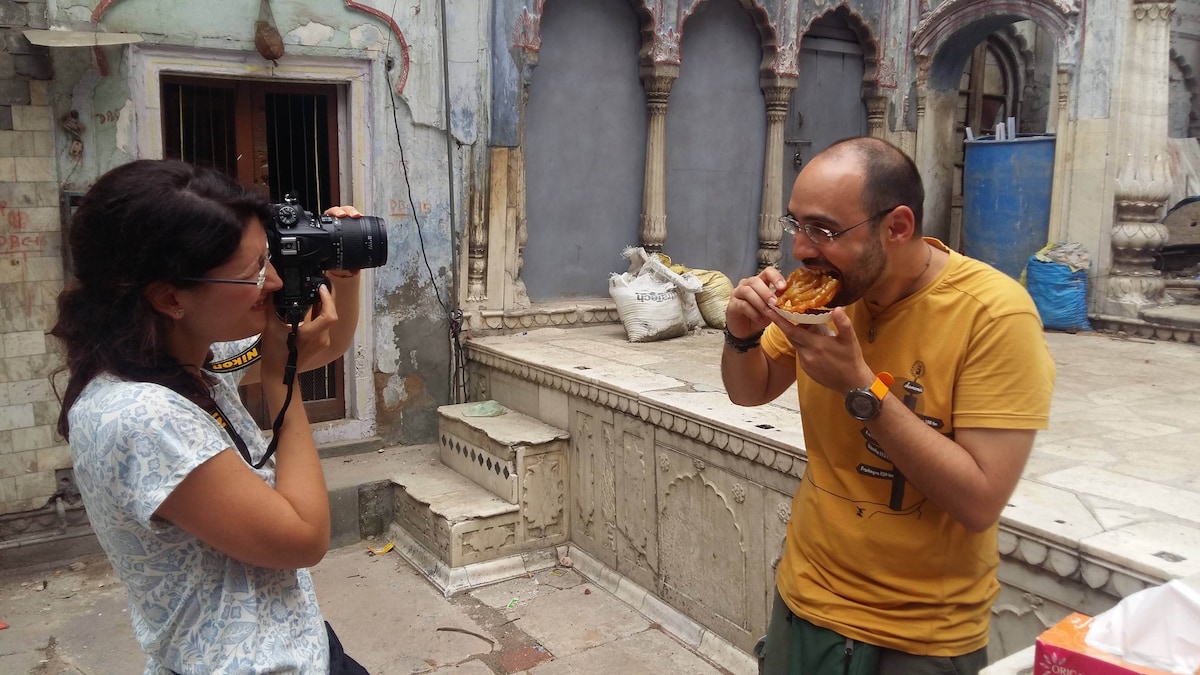
Explore the grand, crumbling havelis of Old Delhi
Tue, Jan 13 • 9:00 AM
Surat, Gujarat, 395004, India
View details

Nearby attractions of Dutch & Armenian Cemetery

Tomb of Khudawand Khan
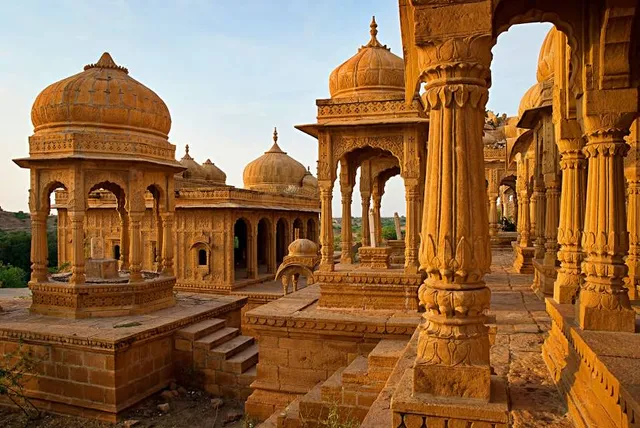
Tomb of Khudawand Khan

Tomb of Khudawand Khan

4.5

(299)

Open 24 hours
Click for details

Nearby restaurants of Dutch & Armenian Cemetery

City Point Restaurant

Nawab Restaurant

Aqsa Restaurant

Taqwa Restaurant

Apsara Restaurant

Jai Jalaram Locho & Khaman

Gita's Fast Food - katargam

Sainath Surati Locho

Shreeji Restaurant

Quality Bakery

City Point Restaurant

City Point Restaurant

4.2

(534)

Closed
Click for details

Nawab Restaurant

Nawab Restaurant

4.1

(221)

Open until 12:00 AM
Click for details
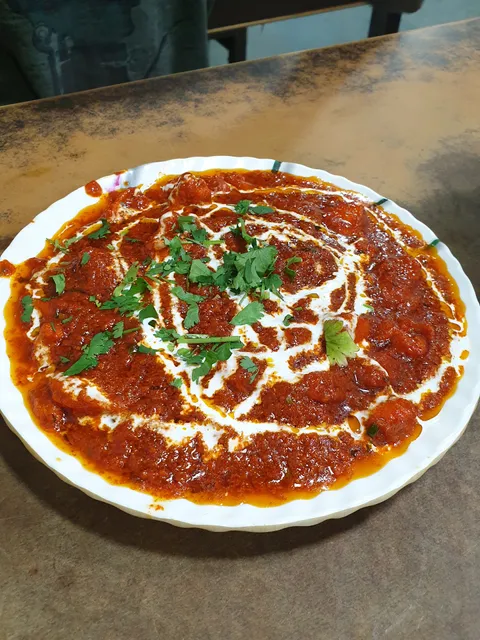
Aqsa Restaurant

Aqsa Restaurant

4.1

(210)

Closed
Click for details
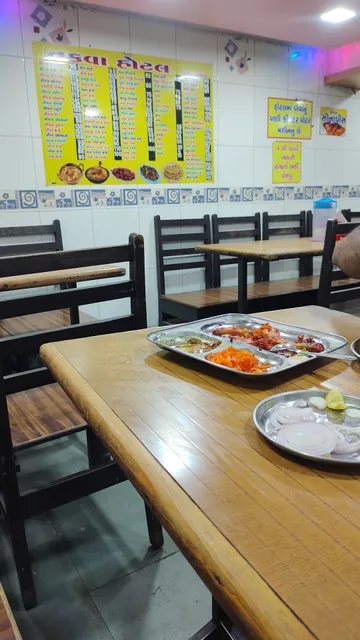
Taqwa Restaurant

Taqwa Restaurant

4.3

(261)

Closed
Click for details

Get the Appoverlay
Get the AppOne tap to find yournext favorite spots!
Wanderboat LogoWanderboat

Your everyday Al companion for getaway ideas

CompanyAbout Us
InformationAI Trip PlannerSitemap
SocialXInstagramTiktokLinkedin
LegalTerms of ServicePrivacy Policy

Get the app

© 2025 Wanderboat. All rights reserved.

Reviews of Dutch & Armenian Cemetery

4.2
(322)
avatar
4.0
2y

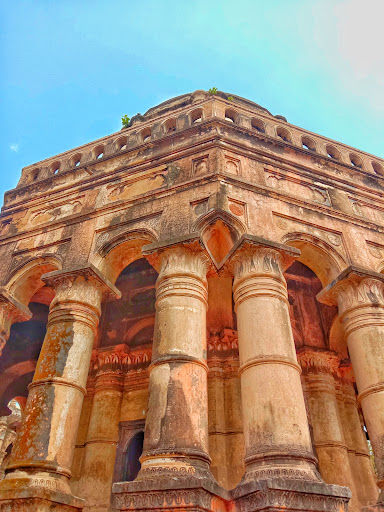
The Dutch Cemetery in Surat stands as a poignant testament to the city's historical tapestry, a quiet sanctuary that breathes life into the tales of a bygone era. Spread over a serene expanse, this cemetery encapsulates the Dutch influence on Surat during the colonial period.

As one enters the gates, a tranquil ambiance envelops the visitor. The well-maintained pathways wind through the cemetery, flanked by weathered tombstones that bear witness to centuries past. Each grave tells a silent story, engraved with names, dates, and often adorned with intricate carvings that reflect the artistry of that period. The solemnity of the surroundings fosters a reflective atmosphere, inviting visitors to delve into the narratives etched in stone.

The Dutch Cemetery is not merely a burial ground; it is a living archive. The tombstones, with inscriptions in Dutch and other languages, provide a glimpse into the lives of those laid to rest. The diversity of names and backgrounds speaks to the cosmopolitan nature of Surat during the Dutch presence. Some graves belong to soldiers, merchants, and colonial officials, their final resting place a reflection of the city's role as a hub of trade and cultural exchange.

The meticulous restoration efforts deserve commendation. The cemetery, although weathered by time, stands as a tribute to the resilience of historical landmarks. The architectural details of the tombstones and the surrounding landscape have been carefully preserved, allowing visitors to step back in time. The Dutch Cemetery serves as a bridge between the past and present, fostering a connection with Surat's rich heritage.

Visitors seeking a serene retreat from the hustle and bustle of modern Surat will find solace in the Dutch Cemetery. It is a site where one can appreciate the confluence of diverse cultures and histories that have shaped the city. Whether a history enthusiast or a casual visitor, the Dutch Cemetery offers a unique, reflective experience that leaves an indelible mark on the soul. In the heart of Surat, this sacred ground beckons, inviting all to pay homage to the lives and stories eternally preserved within its...

   Read more
avatar
5.0
6y

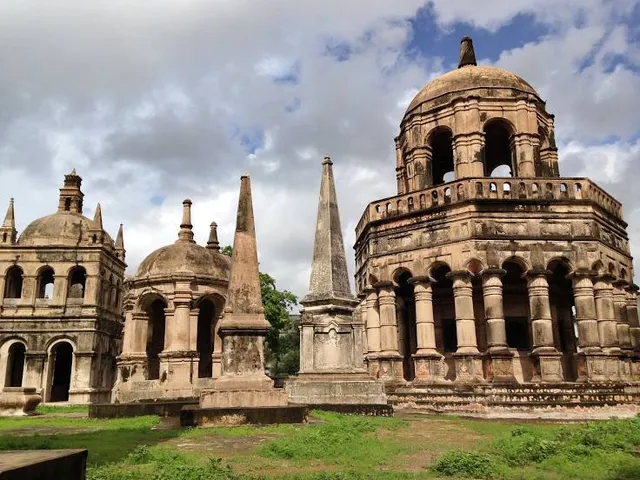
The Dutch as well as Armenian cemeteries at Surat are situated in a locality known as 'Gulam Falia' near the mail road leading to Katargam Gate. The Dutch tombs are of various sizes and shapes, but the one that excels all the rest in magnificence is the grandiose mausoleum of Baron Adrian Van Reede and, is described here in detail. The Armenian Cemeteries

The Armenian cemetery is situated adjacent to that of the Dutch. Though, the graves in this cemetery, arc bearing a large number of inscription slabs they have no super-structures raised above them as is the case in the English and Dutch cemeteries. The oldest epitaph is the one of Armenian verse over the tombstone of a lady named Marinas, the wife of the priest Woksan, who was a crown to her husband, according to the proverbs of Solomon. The date of her death is mentioned as 1028 of the Armenian era ( Christian year 1579).

There is also a beautiful mortuary chapel, but there is no date showing the year of its construction. However, the same may be concluded from the tombstone over the grave which is inside this chapel, bearing the date 1695. Its Amenian inscription is rendered as under : While nearly two hundred graves lie outside this chapel, it is the only tomb situated inside this building. It thus shows that the deceased must have belonged to a family of very high repute at Surat. He was the only son of Khwaja Phanoos Kalandar, an eminent merchant of Julfa and the acknowledged leader of the nationality in Persia and India. The records of the English East India Company in London also show that an important agreement between the company and the Armenian nation represented by this magnate, who is described as an Armenian merchant of eminency and an inhabitant of Isfahan in Persia was signed on 22 June 1688. It appears that the elder Phanoos settled down at Surat, and the body of his only son, who died there in 1695, was as a special privilege, in token of the high position held by his father, buried within the mortuary chapel in the Armenian cemetery...

   Read more
avatar
5.0
5y

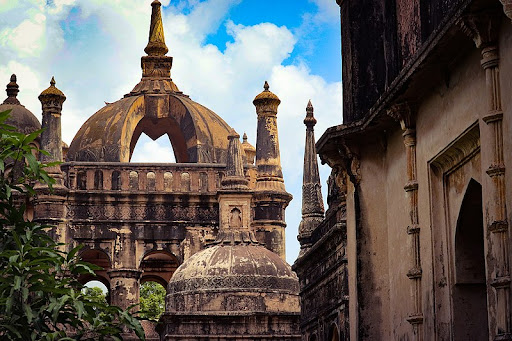
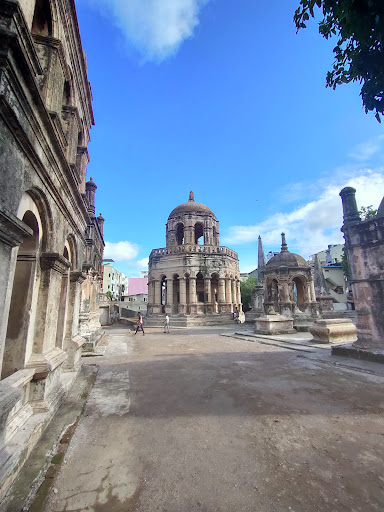
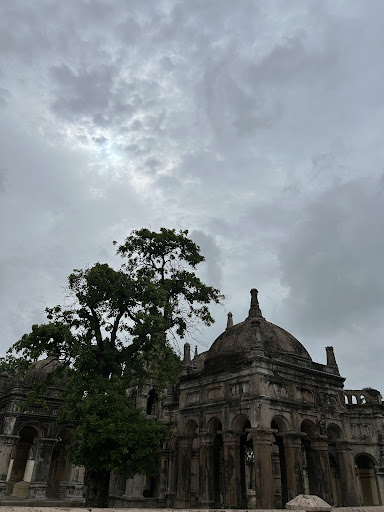
The tombs in English, Dutch and Armenian cemeteries at Surat are reckoned among the most important historical monuments in the city. It is reported that there was so much competition between the Dutch and the English in Surat to impress upon the natives their importance and power that they put mausoleums instead of tomb stones. Many of these are so ridiculously large and ornamental resembling Muslim tombs rather than the ordinary tomb stones in Europe.

One of the tomb in the Dutch cemetery is quoted as unequalled among the structures of its kind (barring a few) in Europe. However, Mr. A.F. Bellasis who had given a detailed account of these monuments and their epitaphs in the Journal of the Royal Asiatic Society of Bombay for January 1861 was evidently apprehensive that within another fifty years or so the majority of these monuments, totally uncared for as they were in his time, would disappear.

Thanks, however, to Lord Curzon's solicitude for India's historical monuments, and to the efforts of the Archaeological Survey of India, established forty years after Bellasis wrote and which has under its charge a legacy of monuments and archaeological sites of national importance that these cemeteries in Surat are declared as protected monuments. In-spite of this, majority of these monuments are showing the signs of serious deterioration and it is feared that if measures to conserve them are not expedited the city would loose its historic memorials...

   Read more
Page 1 of 7
Previous
Next

Posts

Explore With RoshanExplore With Roshan
The Dutch as well as Armenian cemeteries at Surat are situated in a locality known as 'Gulam Falia' near the mail road leading to Katargam Gate. The Dutch tombs are of various sizes and shapes, but the one that excels all the rest in magnificence is the grandiose mausoleum of Baron Adrian Van Reede and, is described here in detail. The tomb of Baron Adrian Van Reede, who was the Director of the Dutch Company in the Indies was intended to rival and eclipse that of the Oxendens in English cemetery. It consists of a double cupola of great size, with a gallery above and below, supported on handsome columns. This monument was formerly ornamented with frescoes, escutcheons, and passages from the Scripture, and the windows were filled with beautiful wood carving. The Armenian cemetery is situated adjacent to that of the Dutch. Though, the graves in this cemetery, arc bearing a large number of inscription slabs they have no super-structures raised above them as is the case in the English and Dutch cemeteries. The oldest epitaph is the one of Armenian verse over the tombstone of a lady named Marinas, the wife of the priest Woksan, who was a crown to her husband, according to the proverbs of Solomon. The date of her death is mentioned as 1028 of the Armenian era ( Christian year 1579).
ShaktiSinh JadejaShaktiSinh Jadeja
Dutch as well as Armenian cemeteries at Surat are situated in a locality known as 'Gulam Falia' near the mail road leading to Katargam Gate. The Dutch tombs are of various sizes and shapes, but the one that excels all the rest in magnificence is the grandiose mausoleum of Baron Adrian Van Reede and, is described here in detail. The tomb of Baron Adrian Van Reede, who was the Director of the Dutch Company in the Indies was intended to rival and eclipse that of the Oxendens in English cemetery. It consists of a double cupola of great size, with a gallery above and below, supported on handsome columns. This monument was formerly ornamented with frescoes, escutcheons, and passages from the Scripture, and the windows were filled with beautiful wood carving. The Armenian cemetery is situated adjacent to that of the Dutch. Though, the graves in this cemetery, arc bearing a large number of inscription slabs they have no super-structures raised above them as is the case in the English and Dutch cemeteries. The oldest epitaph is the one of Armenian verse over the tombstone of a lady named Marinas, the wife of the priest Woksan, who was a crown to her husband, according to the proverbs of Solomon. The date of her death is mentioned as 1028 of the Armenian era ( Christian year 1579).
PP
Good for having your photos clicked Good for individual photoshoot It not comes under smc , So for wedding ,or video shooting u have to take permission from central govt vadodara or daman centre Front big gate is of armenian cementry Back small gate in very small gali(road) is of dutch cemetery Don't ask for clean place there😅 The tombs in English, Dutch and Armenian cemeteries at Surat are reckoned among the most important historical monuments in the city. It is reported that there was so much competition between the Dutch and the English in Surat to impress upon the natives their importance and power that they put mausoleums instead of tomb stones. Many of these are so ridiculously large and ornamental resembling Muslim tombs rather than the ordinary tomb stones in Europe. One of the tomb in the Dutch cemetery is quoted as unequalled among the structures of its kind (barring a few) in Europe. However, Mr. A.F. Bellasis who had given a detailed account of these monuments and their epitaphs in the Journal of the Royal Asiatic Society of Bombay for January 1861 was evidently apprehensive that within another fifty years or so the majority of these monuments, totally uncared for as they were in his time, would disappear.
See more posts
See more posts
hotel
Find your stay

Pet-friendly Hotels in Gujarat

Find a cozy hotel nearby and make it a full experience.

The Dutch as well as Armenian cemeteries at Surat are situated in a locality known as 'Gulam Falia' near the mail road leading to Katargam Gate. The Dutch tombs are of various sizes and shapes, but the one that excels all the rest in magnificence is the grandiose mausoleum of Baron Adrian Van Reede and, is described here in detail. The tomb of Baron Adrian Van Reede, who was the Director of the Dutch Company in the Indies was intended to rival and eclipse that of the Oxendens in English cemetery. It consists of a double cupola of great size, with a gallery above and below, supported on handsome columns. This monument was formerly ornamented with frescoes, escutcheons, and passages from the Scripture, and the windows were filled with beautiful wood carving. The Armenian cemetery is situated adjacent to that of the Dutch. Though, the graves in this cemetery, arc bearing a large number of inscription slabs they have no super-structures raised above them as is the case in the English and Dutch cemeteries. The oldest epitaph is the one of Armenian verse over the tombstone of a lady named Marinas, the wife of the priest Woksan, who was a crown to her husband, according to the proverbs of Solomon. The date of her death is mentioned as 1028 of the Armenian era ( Christian year 1579).
Explore With Roshan

Explore With Roshan

hotel
Find your stay

Affordable Hotels in Gujarat

Find a cozy hotel nearby and make it a full experience.

Get the Appoverlay
Get the AppOne tap to find yournext favorite spots!
Dutch as well as Armenian cemeteries at Surat are situated in a locality known as 'Gulam Falia' near the mail road leading to Katargam Gate. The Dutch tombs are of various sizes and shapes, but the one that excels all the rest in magnificence is the grandiose mausoleum of Baron Adrian Van Reede and, is described here in detail. The tomb of Baron Adrian Van Reede, who was the Director of the Dutch Company in the Indies was intended to rival and eclipse that of the Oxendens in English cemetery. It consists of a double cupola of great size, with a gallery above and below, supported on handsome columns. This monument was formerly ornamented with frescoes, escutcheons, and passages from the Scripture, and the windows were filled with beautiful wood carving. The Armenian cemetery is situated adjacent to that of the Dutch. Though, the graves in this cemetery, arc bearing a large number of inscription slabs they have no super-structures raised above them as is the case in the English and Dutch cemeteries. The oldest epitaph is the one of Armenian verse over the tombstone of a lady named Marinas, the wife of the priest Woksan, who was a crown to her husband, according to the proverbs of Solomon. The date of her death is mentioned as 1028 of the Armenian era ( Christian year 1579).
ShaktiSinh Jadeja

ShaktiSinh Jadeja

hotel
Find your stay

The Coolest Hotels You Haven't Heard Of (Yet)

Find a cozy hotel nearby and make it a full experience.

hotel
Find your stay

Trending Stays Worth the Hype in Gujarat

Find a cozy hotel nearby and make it a full experience.

Good for having your photos clicked Good for individual photoshoot It not comes under smc , So for wedding ,or video shooting u have to take permission from central govt vadodara or daman centre Front big gate is of armenian cementry Back small gate in very small gali(road) is of dutch cemetery Don't ask for clean place there😅 The tombs in English, Dutch and Armenian cemeteries at Surat are reckoned among the most important historical monuments in the city. It is reported that there was so much competition between the Dutch and the English in Surat to impress upon the natives their importance and power that they put mausoleums instead of tomb stones. Many of these are so ridiculously large and ornamental resembling Muslim tombs rather than the ordinary tomb stones in Europe. One of the tomb in the Dutch cemetery is quoted as unequalled among the structures of its kind (barring a few) in Europe. However, Mr. A.F. Bellasis who had given a detailed account of these monuments and their epitaphs in the Journal of the Royal Asiatic Society of Bombay for January 1861 was evidently apprehensive that within another fifty years or so the majority of these monuments, totally uncared for as they were in his time, would disappear.
P

P

See more posts
See more posts