Dharampur is located at 20.53°N 73.18°E.[1] It has an average elevation of 74 metres (242 feet). Dharampur is the small and beautiful town situated east of Valsad. Dharampur is situated on the banks of the Swargavahini River and is surrounded by the Sahyadri or Western Ghats range on the east, west and south. Due to its location, the town enjoys a very pleasant climate throughout the year. Dharampur was created in Dharampur, situated in south Gujarat, was a capital of the former princely State of Dharampur. It was founded 1262 as Ramnagar, and the first king of this state was Maharana Ramsinh. The present day Dharampur dates back to 1764 and was founded by King Dharmdevji. The descendants of the Sisodia Rajputs of Chittor ruled in the history of Dharampur. After the fall of the Delhi Sultanate in south Gujarat, the State of Dharampur flourished and gained a very significant and powerful position by controlling at least seven strategic forts in the region. The Dharampur State was surrounded by the Muslim states of Khandesh, Ahmednagar and the Sultanate of Gujarat, but because of its strategic importance, was never attacked by the Muslims. Even the 'Parsis' found political patronage under the Dharampur kings. The Dharampur kings had cordial relations with Portuguese traders from the south Gujarat ports and used to receive tax revenue from them. Development in Phases the City of Dharampur had two major phases of development the first in the late 18th century, when the Rana undertook the construction of Raj Mahal, public buildings, stepwells and temples. The second phase was in the late 19th century, when as a part of the Queen Victoria Golden Jubilee celebrations, the Anglo Vernacular School, jail and hospitals was constructed. King Mohandevji (1891-1921) studied at Rajkumar College, Rajkot and introduced many reforms. Under his patronage, Mohan Vilas Palace, Pramod Bhavan, State guesthouse and several temples were constructed. Roads, water tanks and bridges were built to improve the infrastructure of the state. King Vijaydevji, on his accession to kingdom in 1921, constructed a museum and dedicated it to Lady Wilson. Vijaydevji undertook extensive travelling to collect rare and genuine art objects for display in museum. He was a great patron of art and music and a well-known musician, with equal command over both Indian and western classical music. He wrote a treatise on music 'Sangeet Bhav' in six volumes, with Gujarati, Hindi, English and French notations. He was also fond of hunting and constructed a hunting lodge at Audha and residences at Wilson Hills as summer retreats. The town has a very beautiful entrance gate (Rajya Rohan Gate) done in European style with life-size statues in Greek style adorning the top. Bandstand and gymkhana building are located, near the gate. In the old days, the State Band used to play music in the evenings for the citizens of Dharampur, at the BandStand. In 1900, Shrimad Rajchandra had consecrated the soil of Dharampur for about 35 days (from chaitra sud ekam to vaishakh sud pancham, V.S. 1956). He had spent much of this time in solitude, at the crematorium and in the surrounding jungles, immersed in spiritual bliss. Dharampur today is home to the international headquarters of the Shrimad Rajchandra Mission founded by Rakesh Jhaveri. The mission's international headquarters is located on the hillock of Mohangadh.
On 10 June 1948, the Raja of Dharampur acceded to the Indian Union, and Dharampur state became part of...
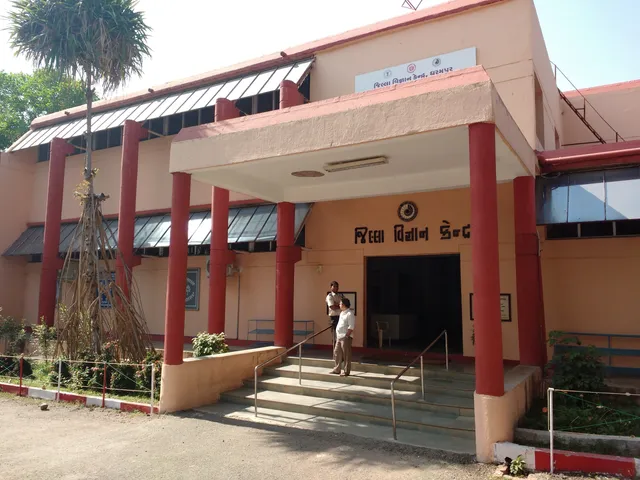
Read more🎨✨ Lady Wilson Museum – Dharampur, Valsad ✨🎨 Step into a time capsule of art, nature, culture, and history!
🗓️ Historic Gem: Founded in 1928 by Maharana Vijayadevji, named after Lady Leslie Wilson who inaugurated it on 31 Jan 1928.
🏛️ Architectural Marvel: Built in elegant Indo-Saracenic style, the museum resembles a graceful heritage hall.
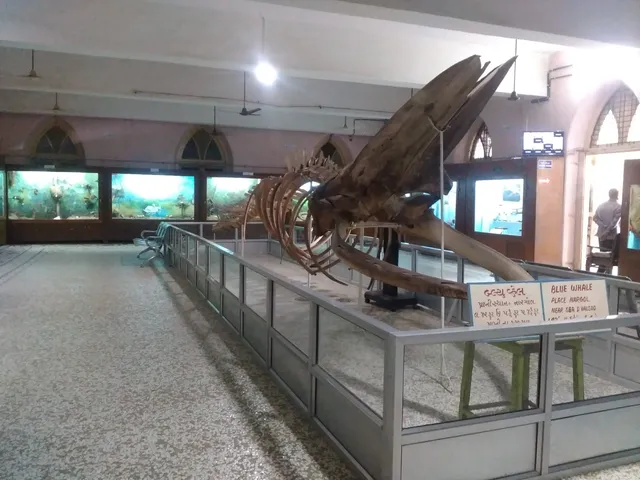
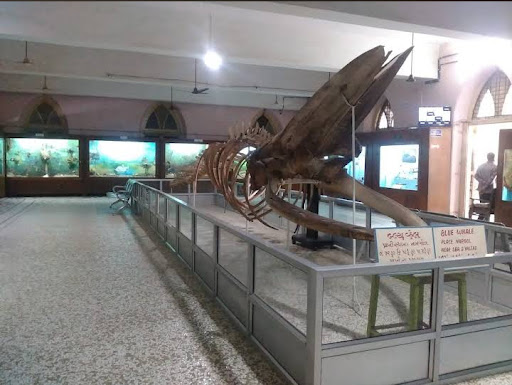
🔍 13 Captivating Galleries: Natural History: Includes the famous 42-foot Blue Whale skeleton found in Nargol (1989) .
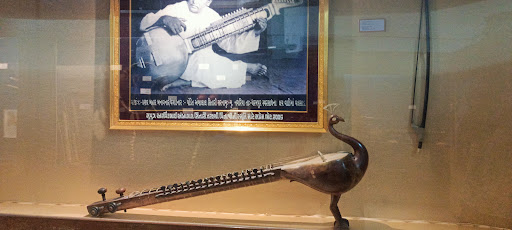
Anthropology & Tribal Arts: Showcases traditional Gujarat tribal artifacts, musical instruments, and dolls.
Philatelic & Arms: Rare stamps from 30+ countries and colonial-era weaponry.
Indian & Foreign Art: Features Pahari miniatures, porcelain, carvings, pottery, metalwork, textiles, & ivory.
Geology & Zoology: Displays rocks, minerals, taxidermy animals, and aquatic specimens.
🎯 Why Visit? 📚 Rich educational experience for all ages 🌿 Ideal spot in Wilson Hills circuit – along with Science Centre & Wilson Hills lookout. 🎨 Perfect for students, history buffs, and families 🧒 Hosts “FunWay Sunday” workshops—think clay modelling, Warli painting & crafts.
🕘 Timings & Access: 🕥 10:30 AM to 5:00 PM, closed Wednesday & public holidays 📍 Just 1 km from Dharampur station
💫 Final Take Whether you're drawn to heritage architecture, tribal art, geology, or that majestic whale skeleton—Lady Wilson Museum is a captivating stop on your Dharampur tour. A true blend of education, culture, and nature tucked away in Valsad district.
Bring your curiosity and explore the treasures of...
Read moreLady Wilson Museum: A Window into Dharampur's Rich Heritage
The Lady Wilson Museum in Dharampur, Valsad, Gujarat, India is a treasure trove of the region's vibrant history and culture. Nestled in the heart of this picturesque town, the museum offers visitors a captivating glimpse into the past, inviting them to immerse themselves in the rich tapestry of Dharampur's heritage.
Exploring the Museum's Exhibits
The museum's extensive collection spans a wide range of artifacts, from intricate textiles and traditional jewelry to ancient pottery and carved wooden sculptures. Each piece tells a story, transporting visitors back in time and allowing them to connect with the region's vibrant past. The exhibits are meticulously curated, providing visitors with a comprehensive understanding of the local arts, crafts, and traditions that have been passed down through generations.
Preserving Dharampur's Legacy
The Lady Wilson Museum plays a crucial role in preserving the legacy of Dharampur, serving as a hub for the community to celebrate and share its cultural heritage. Through educational programs, workshops, and interactive displays, the museum encourages visitors to engage with the region's history, fostering a deeper appreciation for the unique customs and practices that have shaped the...
Read more