HTML SitemapExplore
logo
Find Things to DoFind The Best Restaurants

Rani Ki Vav — Attraction in Gujarat

Name
Rani Ki Vav
Description
Rani Ki Vav is a stepwell situated in the town of Patan in Gujarat, India. It is located on the banks of the Saraswati River.
Nearby attractions
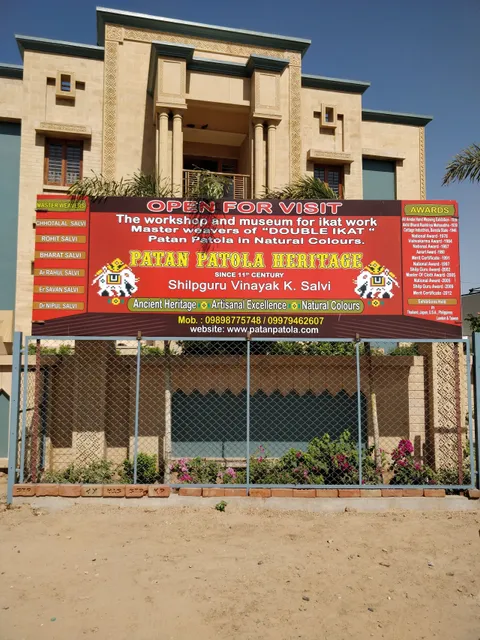
Patan Patola Heritage
Rani Ki Vav Road, opp. New Kalika Mandir, Gujarat 384265, India
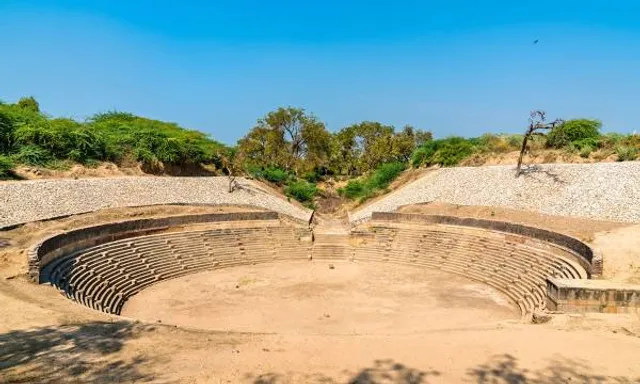
Shahstraling Talav
V37W+5PQ, Samalpati, Gujarat 384265, India
Nearby restaurants
Prajapati Nasta House
near by Ranki Vav Ni Same, Patan, Samalpati, Gujarat 384265, India
Nearby hotels
Related posts
Rani ki Vav: The Sunken Temple of Timeless WonderIndia travel diary: Day 1
Keywords
Rani Ki Vav tourism.Rani Ki Vav hotels.Rani Ki Vav bed and breakfast. flights to Rani Ki Vav.Rani Ki Vav attractions.Rani Ki Vav restaurants.Rani Ki Vav travel.Rani Ki Vav travel guide.Rani Ki Vav travel blog.Rani Ki Vav pictures.Rani Ki Vav photos.Rani Ki Vav travel tips.Rani Ki Vav maps.Rani Ki Vav things to do.
Rani Ki Vav things to do, attractions, restaurants, events info and trip planning
Rani Ki Vav
IndiaGujaratRani Ki Vav

Basic Info

Rani Ki Vav

Mohan Nagar Socity, Patan, Samalpati, Gujarat 384265, India
4.7(9.2K)
Closed
Save
spot

Ratings & Description

Info

Rani Ki Vav is a stepwell situated in the town of Patan in Gujarat, India. It is located on the banks of the Saraswati River.

Cultural
Family friendly
attractions: Patan Patola Heritage, Shahstraling Talav, restaurants: Prajapati Nasta House
logoLearn more insights from Wanderboat AI.
Phone
+91 1800 203 1111
Website
gujarattourism.com
Open hoursSee all hours
Mon7 AM - 6 PMClosed

Plan your stay

hotel
Pet-friendly Hotels in Gujarat
Find a cozy hotel nearby and make it a full experience.
hotel
Affordable Hotels in Gujarat
Find a cozy hotel nearby and make it a full experience.
hotel
The Coolest Hotels You Haven't Heard Of (Yet)
Find a cozy hotel nearby and make it a full experience.
hotel
Trending Stays Worth the Hype in Gujarat
Find a cozy hotel nearby and make it a full experience.

Reviews

Nearby attractions of Rani Ki Vav

Patan Patola Heritage

Shahstraling Talav

Patan Patola Heritage

Patan Patola Heritage

4.5

(876)

Open 24 hours
Click for details
Shahstraling Talav

Shahstraling Talav

4.3

(183)

Closed
Click for details

Nearby restaurants of Rani Ki Vav

Prajapati Nasta House

Prajapati Nasta House

Prajapati Nasta House

5.0

(1)

Click for details
Get the Appoverlay
Get the AppOne tap to find yournext favorite spots!
Wanderboat LogoWanderboat

Your everyday Al companion for getaway ideas

CompanyAbout Us
InformationAI Trip PlannerSitemap
SocialXInstagramTiktokLinkedin
LegalTerms of ServicePrivacy Policy

Get the app

© 2025 Wanderboat. All rights reserved.
logo

Reviews of Rani Ki Vav

4.7
(9,217)
avatar
5.0
1y

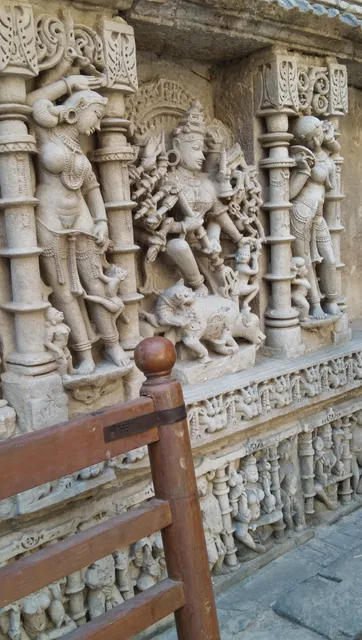
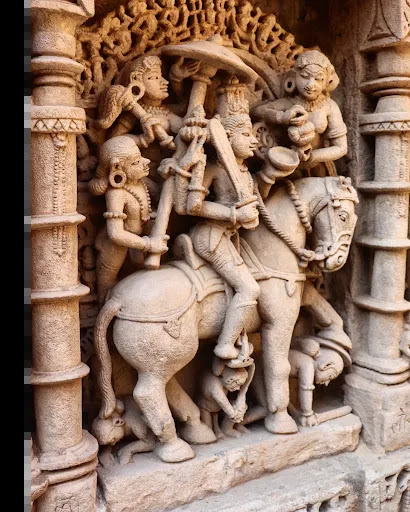
Exploring Rani-ki-Vav (the Queen’s Stepwell) at Patan, Gujarat The only real sign of Patan’s former glory is this astoundingly beautiful step-well. Located on the banks of the Saraswati River, this is one of the oldest and finest stepwells in Gujarat and is remarkably preserved. Steps lead down through multiple levels with lines of carved pillars and more than 800 sculptures, mostly on Vishnu-avatar themes, as well as striking geometric patterns. The stepwell is made in the form of an inverted temple. It showcases superior craftsmanship of the era, and the unique Maru-Gurjara architectural style and houses sculptures similar to the Vimalavasahi temple in Mount Abu and Sun temple at Modhera.

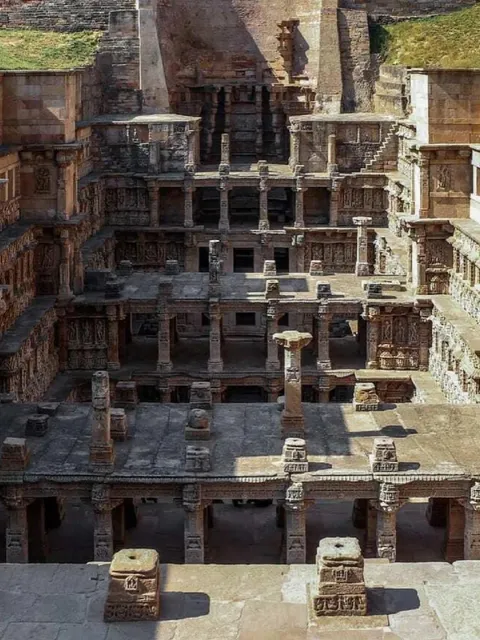
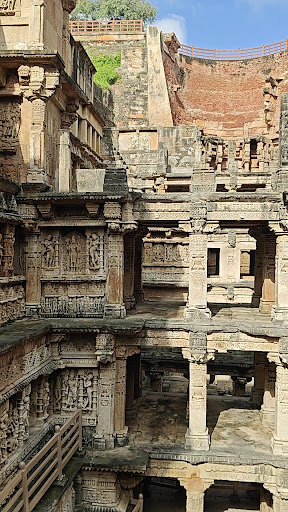
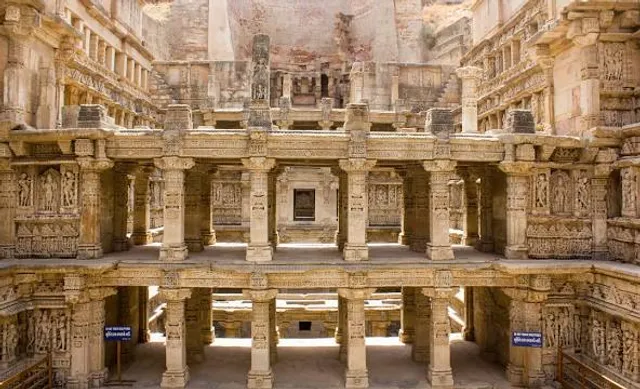
They evolved over time from what was basically a pit in sandy soil towards elaborate multi-storey works of art and architecture. Rani-ki-Vav was built at the height of craftsmens’ ability in stepwell construction and the Maru-Gurjara architectural style, reflecting mastery of this complex technique and great beauty of detail and proportions. Designed as an inverted temple highlighting the sanctity of water, it is divided into seven levels of stairs with sculptural panels of high artistic quality; more than 500 principle sculptures and over a thousand minor ones combine religious, mythological and secular imagery, often referencing literary works. The fourth level is the deepest and leads into a rectangular tank 9.5 m by 9.4 m, at a depth of 23 m. The well is located at the westernmost end of the property and consists of a shaft 10 m in diameter and 30 m deep.

Brief History: The stepwell was built in 1063 by Rani Udayamati of the Chaulukya Dynasty to commemorate her husband, Bhimdev I. A 1304 composition of Jain monk, Merutunga, mentions that Udayamati, the daughter of Naravaraha Khangara, built this stepwell at Patan. The same composition also mentions that the stepwell was commissioned in 1063 and was completed after 20 years. Archeologists Henry Cousens and James Burgess visited it in 1890s when it was completely buried under silt and only the shaft and few pillars were visible. The stepwell was rediscovered in 1940s, and the Archeological Survey of India restored it in 1980s. The stepwell has been listed as one of UNESCO's World Heritage Sites since 2014.

Rani-ki-Vav is an exceptional example of a distinctive form of subterranean water architecture of the Indian subcontinent, the stepwell, which is located on the banks of the Saraswati River in Patan. Initially built as a memorial in the 11th century CE, the stepwell was constructed as a religious as well as functional structure and designed as an inverted temple highlighting the sanctity of water. Rani-ki-Vav is a single-component, water management system divided into seven levels of stairs and sculptural panels of high artistic and aesthetic quality. It is oriented in an east-west direction and combines all of the principle components of a stepwell, including a stepped corridor beginning at ground level, a series of four pavilions with an increasing amount of storeys towards the west, the tank, and the well in tunnel shaft form. More than five hundred principle sculptures and over a thousand minor ones combine religious, mythological and secular imagery, often referencing literary works.

Rani-ki-Vav impresses not only with its architectural structure and technological achievements in water sourcing and structural stability, but also in particular with its sculptural decoration, of true artistic mastery. The figurative motifs and sculptures, and the proportion of filled and empty spaces, provide the stepwell’s interior with its unique aesthetic character. The setting enhances these attributes in the way in which the well descends suddenly from a plain plateau, which strengthens the perception...

   Read more
avatar
5.0
1y

Overview: Rani Ki Vav, located in Patan, Gujarat, is an exquisite stepwell constructed in the 11th century during the reign of the Solanki dynasty. This UNESCO World Heritage site is renowned for its architectural brilliance and intricate carvings, serving both a functional and aesthetic purpose in ancient water management.

Architectural Highlights

Design: Rani Ki Vav is designed in a linear pattern, descending seven levels deep. The structure is adorned with over 800 intricate sculptures, featuring deities, mythological figures, and floral motifs.

Iconography: The carvings include representations of the Hindu pantheon, including Vishnu, Shiva, and various goddesses, illustrating the artistic prowess of the time.

Symbolism: The stepwell not only provided water but also acted as a spiritual and social gathering place, reflecting the significance of water in arid regions.

Historical Significance

Built for a Queen: It was commissioned by Queen Udayamati in memory of her husband, King Bhimdev I. The stepwell served both as a memorial and a functional reservoir.

Cultural Heritage: Rani Ki Vav reflects the advanced engineering skills of ancient India and the importance of water conservation practices in desert landscapes.

Visitor Experience

Exploration: Visitors can descend the steps to explore the intricately carved walls and pillars. The serene atmosphere and coolness of the stepwell provide a refreshing escape from the heat.

Photography: The stunning architecture offers fantastic opportunities for photography, especially the detailed carvings and the interplay of light and shadow.

Guided Tours: Local guides are available to provide insights into the history and significance of the site.

Wheelchairs with attendants available.

Tourism Information

Location: Patan, Gujarat, approximately 125 km from Ahmedabad.

Best Time to Visit: October to March, when temperatures are milder, making it more comfortable for sightseeing.

Entry Fee: A nominal entry fee is charged. Best to do online booking else at location ticket counter/QR code.

Opening Hours: Generally open . Confirm local timings prior to your visit.

Getting There: 0830h to 1900h

By Air: The nearest airport is Sardar Vallabhbhai Patel International Airport in Ahmedabad.

By Train: Patan has a railway station with connections to major cities like Ahmedabad and Mumbai.

By Road: Well-connected by state highways; public buses and taxis are available from nearby towns.

Facilities:

Restrooms: Basic facilities are available near the site.

Food: Limited dining options are available in Patan; local eateries offer traditional Gujarati cuisine.

Nearby Attractions

Patan Fort: Explore the remnants of this historic fort, offering panoramic views of the city.

Sun Temple, Modhera: Located about 30 km away, this stunning temple dedicated to the sun god is another architectural marvel worth visiting.

Shankar Vav: Another beautiful stepwell in the region that showcases similar architectural styles.

Tips for Visitors

Wear Comfortable Footwear: Be prepared for stairs and uneven surfaces.

Stay Hydrated: Carry water, especially during warmer months.

Respect the Site: Maintain silence and decorum, as it is a site of historical significance.

Conclusion

Rani Ki Vav is not just an architectural wonder but a testament to the ingenuity of ancient India. Its beauty, history, and cultural significance make it a must-visit destination for anyone traveling to Gujarat.

Highly recommended....

   Read more

avatar
5.0
51w

Behold Rani Ki Vav, a breathtaking testament to artistry and ingenuity, nestled in the heart of Patan, Gujarat! This UNESCO World Heritage Site isn't just a stepped well; it's a portal to a bygone era, a symphony in stone that resonates with history, spirituality, and architectural brilliance. Built in the 11th century by the devoted Queen Udaymati as a tribute to her beloved King Bhimdev I, Rani Ki Vav is an ode to love and devotion. Imagine this magnificent structure rising beside the flowing Saraswati River, only to be swallowed by time and the river's shifting sands, lying dormant for centuries! Then, like a phoenix from the ashes, the Archaeological Survey of India (ASI) unearthed this treasure in the 1980s, revealing its splendor to the world once more! Prepare to be mesmerized by its sheer scale – a staggering 64 meters long, 20 meters wide, and 27 meters deep! Descend into its depths via a seven-story staircase, each step a journey further into the past. Feast your eyes on the intricate carvings that adorn every wall and pillar, a breathtaking display of artistry. Marvel at the exquisite sculptures depicting the ten incarnations of Lord Vishnu, alongside a pantheon of other deities, each figure imbued with life and devotion. The delicate geometric patterns and floral motifs weave a tapestry of beauty that will leave you spellbound. Rani Ki Vav is not merely a well; it is a sanctuary of coolness and purity, a testament to the ingenuity of ancient water management. Its ingenious design ensured that water remained pristine and refreshing, a vital resource in the arid landscape. But it’s more than just function; it's a spiritual experience. This inverted temple, defying the conventional notion of a simple well, embodies the harmonious blend of the spiritual and the utilitarian. Rani Ki Vav pulsates with cultural and religious significance. The sculptures of Lord Vishnu and other deities transform this space into a sacred sanctuary, a place of reverence and contemplation. It stands as a powerful symbol of feminine strength and unwavering love, a tribute to Queen Udaymati’s enduring devotion. This ancient marvel also serves as a beacon of sustainable practices, showcasing the wisdom of our ancestors in water conservation and environmental harmony. Its ability to maintain a cool microclimate, even during scorching summers, is a testament to its intelligent design. Today, Rani Ki Vav draws visitors from across the globe, each captivated by its grandeur and intricate artistry. It's a pilgrimage for those seeking to connect with India's rich heritage, a place where history whispers secrets through the stones. Its prominence is further cemented by its appearance on the Indian 100 rupee note in 2016, a symbol of national pride and historical significance. Rani Ki Vav is more than just a monument; it's a living testament to India's architectural prowess, ingenious water management, and profound religious beliefs. It's a story etched in stone, a celebration of our rich past and a source of inspiration for...

   Read more
Page 1 of 7
Previous
Next

Posts

 Rani ki Vav: The Sunken Temple of Timeless Wonder
Kate SmithKate Smith
Rani ki Vav: The Sunken Temple of Timeless Wonder
India travel diary:  Day 1
Alice MartinAlice Martin
India travel diary: Day 1
Saurabh MashelkarSaurabh Mashelkar
Exploring Rani-ki-Vav (the Queen’s Stepwell) at Patan, Gujarat The only real sign of Patan’s former glory is this astoundingly beautiful step-well. Located on the banks of the Saraswati River, this is one of the oldest and finest stepwells in Gujarat and is remarkably preserved. Steps lead down through multiple levels with lines of carved pillars and more than 800 sculptures, mostly on Vishnu-avatar themes, as well as striking geometric patterns. The stepwell is made in the form of an inverted temple. It showcases superior craftsmanship of the era, and the unique Maru-Gurjara architectural style and houses sculptures similar to the Vimalavasahi temple in Mount Abu and Sun temple at Modhera. They evolved over time from what was basically a pit in sandy soil towards elaborate multi-storey works of art and architecture. Rani-ki-Vav was built at the height of craftsmens’ ability in stepwell construction and the Maru-Gurjara architectural style, reflecting mastery of this complex technique and great beauty of detail and proportions. Designed as an inverted temple highlighting the sanctity of water, it is divided into seven levels of stairs with sculptural panels of high artistic quality; more than 500 principle sculptures and over a thousand minor ones combine religious, mythological and secular imagery, often referencing literary works. The fourth level is the deepest and leads into a rectangular tank 9.5 m by 9.4 m, at a depth of 23 m. The well is located at the westernmost end of the property and consists of a shaft 10 m in diameter and 30 m deep. Brief History: The stepwell was built in 1063 by Rani Udayamati of the Chaulukya Dynasty to commemorate her husband, Bhimdev I. A 1304 composition of Jain monk, Merutunga, mentions that Udayamati, the daughter of Naravaraha Khangara, built this stepwell at Patan. The same composition also mentions that the stepwell was commissioned in 1063 and was completed after 20 years. Archeologists Henry Cousens and James Burgess visited it in 1890s when it was completely buried under silt and only the shaft and few pillars were visible. The stepwell was rediscovered in 1940s, and the Archeological Survey of India restored it in 1980s. The stepwell has been listed as one of UNESCO's World Heritage Sites since 2014. Rani-ki-Vav is an exceptional example of a distinctive form of subterranean water architecture of the Indian subcontinent, the stepwell, which is located on the banks of the Saraswati River in Patan. Initially built as a memorial in the 11th century CE, the stepwell was constructed as a religious as well as functional structure and designed as an inverted temple highlighting the sanctity of water. Rani-ki-Vav is a single-component, water management system divided into seven levels of stairs and sculptural panels of high artistic and aesthetic quality. It is oriented in an east-west direction and combines all of the principle components of a stepwell, including a stepped corridor beginning at ground level, a series of four pavilions with an increasing amount of storeys towards the west, the tank, and the well in tunnel shaft form. More than five hundred principle sculptures and over a thousand minor ones combine religious, mythological and secular imagery, often referencing literary works. Rani-ki-Vav impresses not only with its architectural structure and technological achievements in water sourcing and structural stability, but also in particular with its sculptural decoration, of true artistic mastery. The figurative motifs and sculptures, and the proportion of filled and empty spaces, provide the stepwell’s interior with its unique aesthetic character. The setting enhances these attributes in the way in which the well descends suddenly from a plain plateau, which strengthens the perception of this space
See more posts
See more posts
hotel
Find your stay

Pet-friendly Hotels in Gujarat

Find a cozy hotel nearby and make it a full experience.

Rani ki Vav: The Sunken Temple of Timeless Wonder
Kate Smith

Kate Smith

hotel
Find your stay

Affordable Hotels in Gujarat

Find a cozy hotel nearby and make it a full experience.

Get the Appoverlay
Get the AppOne tap to find yournext favorite spots!
India travel diary: Day 1
Alice Martin

Alice Martin

hotel
Find your stay

The Coolest Hotels You Haven't Heard Of (Yet)

Find a cozy hotel nearby and make it a full experience.

hotel
Find your stay

Trending Stays Worth the Hype in Gujarat

Find a cozy hotel nearby and make it a full experience.

Exploring Rani-ki-Vav (the Queen’s Stepwell) at Patan, Gujarat The only real sign of Patan’s former glory is this astoundingly beautiful step-well. Located on the banks of the Saraswati River, this is one of the oldest and finest stepwells in Gujarat and is remarkably preserved. Steps lead down through multiple levels with lines of carved pillars and more than 800 sculptures, mostly on Vishnu-avatar themes, as well as striking geometric patterns. The stepwell is made in the form of an inverted temple. It showcases superior craftsmanship of the era, and the unique Maru-Gurjara architectural style and houses sculptures similar to the Vimalavasahi temple in Mount Abu and Sun temple at Modhera. They evolved over time from what was basically a pit in sandy soil towards elaborate multi-storey works of art and architecture. Rani-ki-Vav was built at the height of craftsmens’ ability in stepwell construction and the Maru-Gurjara architectural style, reflecting mastery of this complex technique and great beauty of detail and proportions. Designed as an inverted temple highlighting the sanctity of water, it is divided into seven levels of stairs with sculptural panels of high artistic quality; more than 500 principle sculptures and over a thousand minor ones combine religious, mythological and secular imagery, often referencing literary works. The fourth level is the deepest and leads into a rectangular tank 9.5 m by 9.4 m, at a depth of 23 m. The well is located at the westernmost end of the property and consists of a shaft 10 m in diameter and 30 m deep. Brief History: The stepwell was built in 1063 by Rani Udayamati of the Chaulukya Dynasty to commemorate her husband, Bhimdev I. A 1304 composition of Jain monk, Merutunga, mentions that Udayamati, the daughter of Naravaraha Khangara, built this stepwell at Patan. The same composition also mentions that the stepwell was commissioned in 1063 and was completed after 20 years. Archeologists Henry Cousens and James Burgess visited it in 1890s when it was completely buried under silt and only the shaft and few pillars were visible. The stepwell was rediscovered in 1940s, and the Archeological Survey of India restored it in 1980s. The stepwell has been listed as one of UNESCO's World Heritage Sites since 2014. Rani-ki-Vav is an exceptional example of a distinctive form of subterranean water architecture of the Indian subcontinent, the stepwell, which is located on the banks of the Saraswati River in Patan. Initially built as a memorial in the 11th century CE, the stepwell was constructed as a religious as well as functional structure and designed as an inverted temple highlighting the sanctity of water. Rani-ki-Vav is a single-component, water management system divided into seven levels of stairs and sculptural panels of high artistic and aesthetic quality. It is oriented in an east-west direction and combines all of the principle components of a stepwell, including a stepped corridor beginning at ground level, a series of four pavilions with an increasing amount of storeys towards the west, the tank, and the well in tunnel shaft form. More than five hundred principle sculptures and over a thousand minor ones combine religious, mythological and secular imagery, often referencing literary works. Rani-ki-Vav impresses not only with its architectural structure and technological achievements in water sourcing and structural stability, but also in particular with its sculptural decoration, of true artistic mastery. The figurative motifs and sculptures, and the proportion of filled and empty spaces, provide the stepwell’s interior with its unique aesthetic character. The setting enhances these attributes in the way in which the well descends suddenly from a plain plateau, which strengthens the perception of this space
Saurabh Mashelkar

Saurabh Mashelkar

See more posts
See more posts