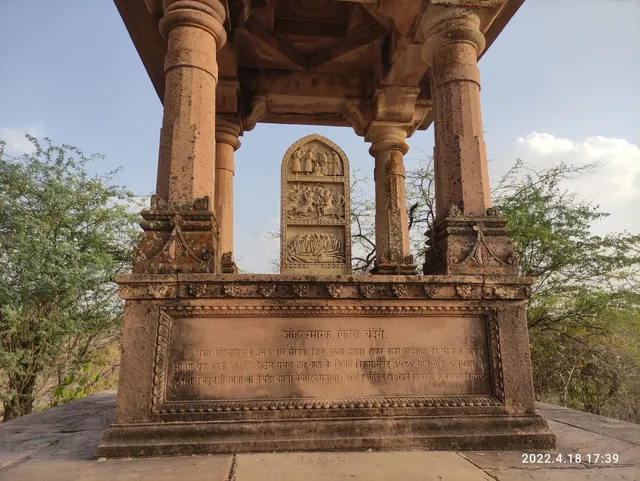
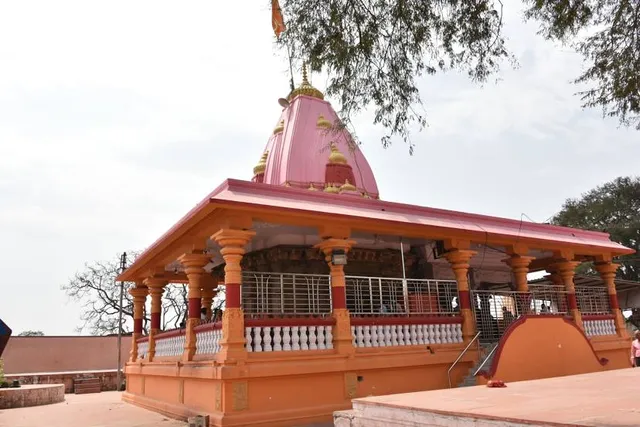
Jahangir Mahal, Gwalior: A Blend of Mughal Grandeur and Historical Intrigue
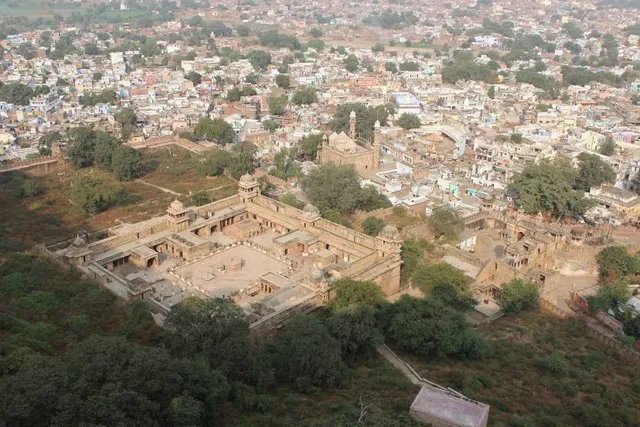
The Jahangir Mahal within the sprawling Gwalior Fort is a architectural gem boasting a rich history. While not as widely known as some of the other structures within the fort, Jahangir Mahal offers a unique perspective on Mughal-era design and its intriguing connection to a legendary emperor.
A Palace Steeped in History
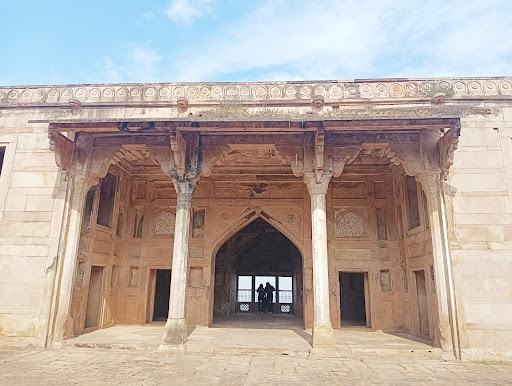
There's some debate about the origins of the Jahangir Mahal. While some accounts credit the initial construction to Sher Shah Suri, the Mughal emperor Jahangir is believed to have extensively renovated and used the palace during his visits. The architectural style reflects this blend of influences, showcasing both Mughal grandeur and Rajput elements.
Architectural Delights
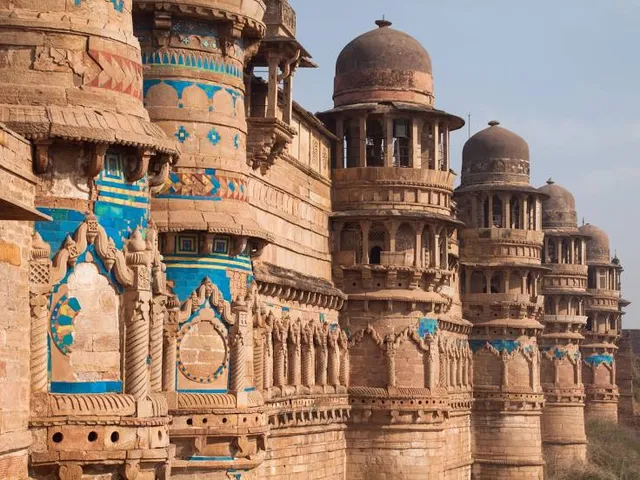
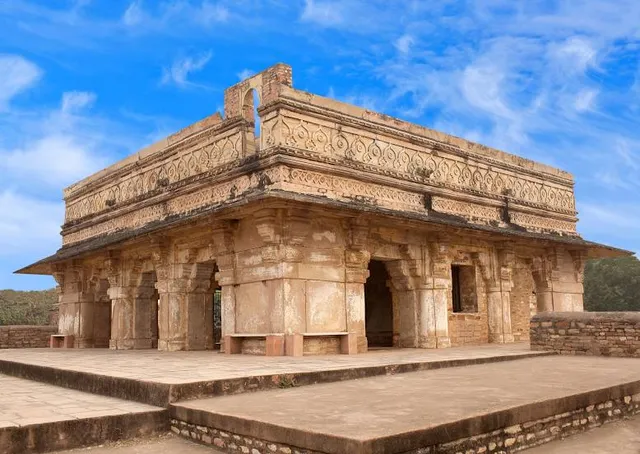
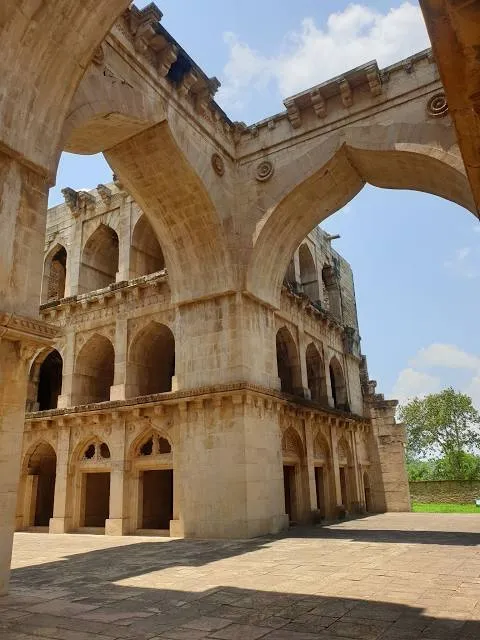
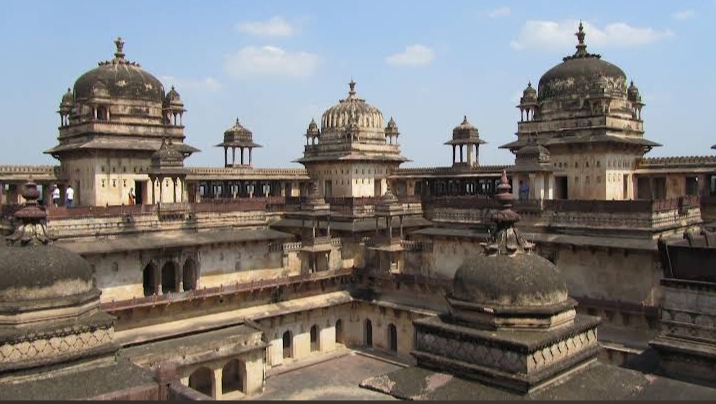
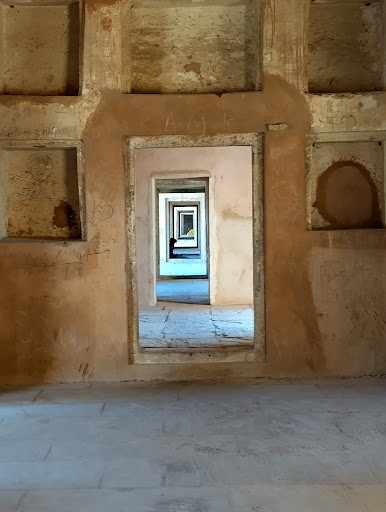
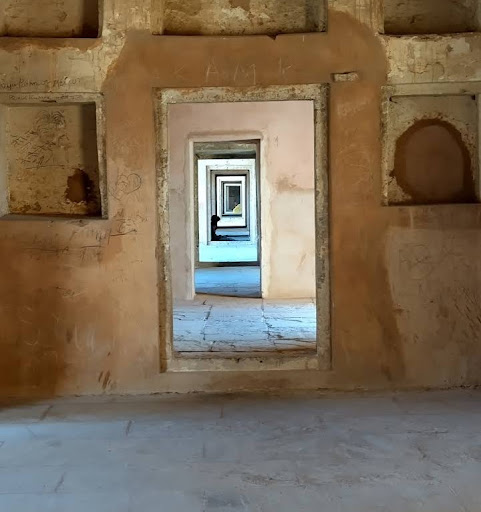
The three-story palace is constructed primarily of red sandstone and features intricate carvings and beautiful balconies. The use of domes and courtyards reflects Mughal design principles, while decorative flourishes hint at Rajput influence. Exploring the various chambers provides a glimpse into the lives of royalty from a bygone era.
Beyond the Grandeur
The real intrigue surrounding Jahangir Mahal lies in its connection to the emperor himself. While some historical accounts suggest he spent a significant amount of time here, others claim his stays were brief. Regardless, the palace stands as a testament to the reach of the Mughal empire and its connection to the Gwalior region.
Tips for Your Visit
The Jahangir Mahal is a relatively smaller structure compared to other monuments within the fort complex. However, it's still worth factoring in some time to explore its architectural details and historical significance. Since it's located within the fort, plan to spend a good portion of the day exploring the other historical sites as well.
Overall
The Jahangir Mahal offers a fascinating glimpse into Mughal-era architecture and its intriguing connection to Emperor Jahangir. While not the most prominent structure within the fort, it's a worthwhile stop for history buffs and architecture enthusiasts. Combine your visit with exploring the Gwalior Fort as a whole for a well-rounded...
Read moreGwalior Fort, a magnificent architectural marvel, stands proudly in the heart of Gwalior, India, and it's a testament to the city's rich history. This imposing structure is a blend of history, art, and culture, making it a must-visit destination.
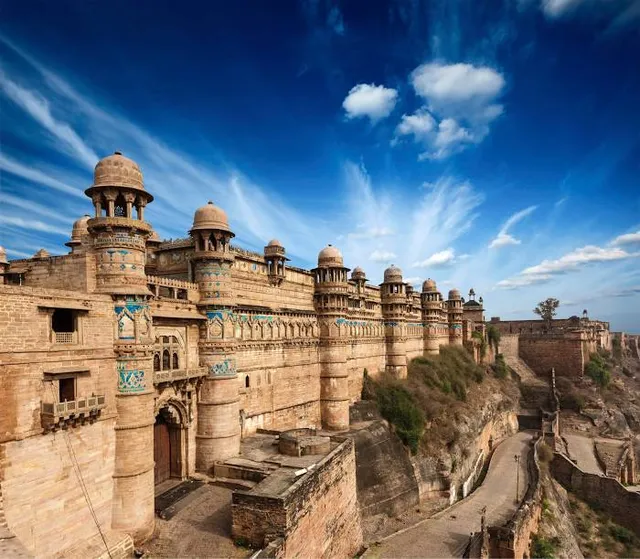
The fort's sheer grandeur is awe-inspiring, with its towering walls and intricate design. Inside, you'll discover a wealth of historical treasures. The Man Singh Palace, with its stunning blue-tiled mosaic work, is a prime example of Mughal architecture. The Saas Bahu Temples, renowned for their intricate carvings, showcase the city's ancient religious heritage.
The panoramic view from the fort's highest point is breathtaking, offering a sweeping vista of Gwalior and its surroundings. The fort's history is equally captivating, with legends of valor and intrigue woven into its stone walls.
However, the maintenance of the fort could be better, as some parts show signs of neglect. Nevertheless, this UNESCO World Heritage Site remains an essential stop for history buffs, architecture enthusiasts, and anyone eager to immerse themselves in India's rich past.
Gwalior Fort is a living testament to the city's glorious history, and a visit here is a journey through time that leaves a...
Read moreجہانگیر محل، گوالیار: مغل عظمت اور تاریخی سازش کا امتزاج
وسیع و عریض گوالیار قلعہ کے اندر جہانگیر محل ایک آرکیٹیکچرل جوہر ہے جو ایک بھرپور تاریخ پر فخر کرتا ہے۔ اگرچہ قلعہ کے اندر کچھ دیگر ڈھانچے کی طرح وسیع پیمانے پر جانا نہیں جاتا ہے، جہانگیر محل مغل دور کے ڈیزائن اور ایک افسانوی شہنشاہ سے اس کے دلچسپ تعلق کے بارے میں ایک منفرد نقطہ نظر پیش کرتا ہے۔
تاریخ کا ایک محل
جہانگیر محل کی ابتدا کے بارے میں کچھ بحث ہے۔ جب کہ کچھ اکاؤنٹس ابتدائی تعمیر کا سہرا شیر شاہ سوری کو دیتے ہیں، خیال کیا جاتا ہے کہ مغل بادشاہ جہانگیر نے اپنے دوروں کے دوران اس محل کی بڑے پیمانے پر تزئین و آرائش کی تھی۔ تعمیراتی طرز اثرات کے اس امتزاج کی عکاسی کرتا ہے، جو مغلیہ شان و شوکت اور راجپوت عناصر دونوں کو ظاہر کرتا ہے۔
آرکیٹیکچرل لائٹس
تین منزلہ محل بنیادی طور پر سرخ ریت کے پتھر سے بنایا گیا ہے اور اس میں پیچیدہ نقش و نگار اور خوبصورت بالکونیاں ہیں۔ گنبد اور صحن کا استعمال مغل ڈیزائن کے اصولوں کی عکاسی کرتا ہے، جبکہ آرائشی پنپنا راجپوت اثر و رسوخ کی طرف اشارہ کرتا ہے۔ مختلف چیمبروں کی کھوج ایک پرانے دور سے رائلٹی کی زندگیوں کی ایک جھلک فراہم کرتی ہے۔
عظمت سے آگے
جہانگیر محل کے اردگرد کی اصل سازش خود شہنشاہ سے جڑی ہوئی ہے۔ اگرچہ کچھ تاریخی اکاؤنٹس بتاتے ہیں کہ اس نے یہاں کافی وقت گزارا، دوسروں کا دعویٰ ہے کہ اس کا قیام مختصر تھا۔ قطع نظر، یہ محل مغل سلطنت کی رسائی اور گوالیار کے علاقے سے اس کے تعلق کا ثبوت ہے۔
آپ کے دورے کے لیے تجاویز
جہانگیر محل قلعہ احاطے میں موجود دیگر یادگاروں کے مقابلے نسبتاً چھوٹا ڈھانچہ ہے۔ تاہم، اس کی تعمیراتی تفصیلات اور تاریخی اہمیت کو تلاش کرنے کے لیے ابھی بھی کچھ وقت میں فیکٹرنگ کے قابل ہے۔ چونکہ یہ قلعہ کے اندر واقع ہے، اس لیے دن کا ایک اچھا حصہ دیگر تاریخی مقامات کی تلاش میں گزارنے کا منصوبہ بنائیں۔
مجموعی طور پر
جہانگیر محل مغل دور کے فن تعمیر اور شہنشاہ جہانگیر سے اس کے دلچسپ تعلق کی ایک دلچسپ جھلک پیش کرتا ہے۔ اگرچہ قلعہ کے اندر سب سے نمایاں ڈھانچہ نہیں ہے، لیکن یہ تاریخ کے شائقین اور فن تعمیر کے شائقین کے لیے ایک قابل قدر جگہ ہے۔ اپنے دورے کو گوالیار قلعہ کو مکمل طور پر دریافت کرنے کے ساتھ جوڑ کر ایک بہترین تاریخی...
Read more