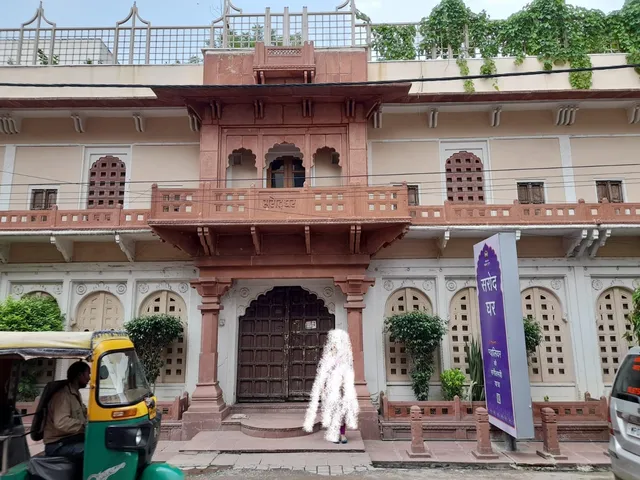
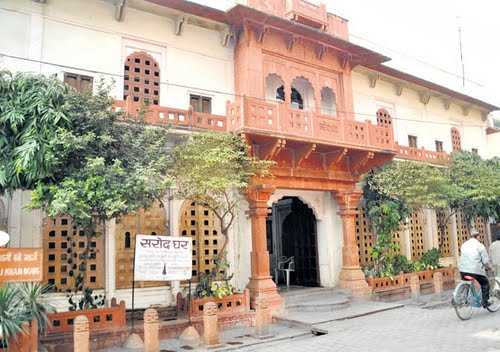
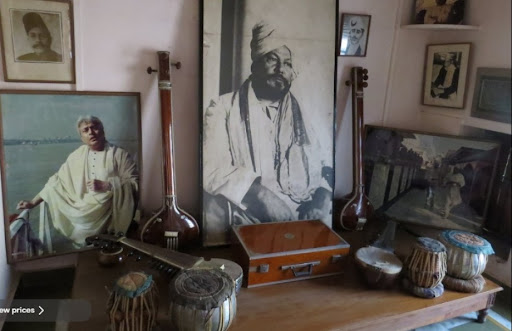
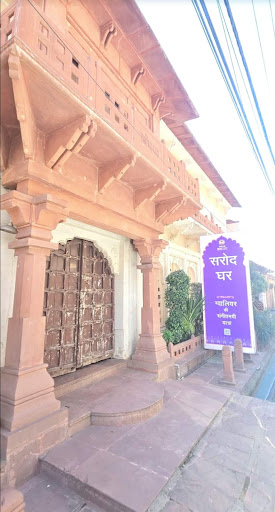
At a distance of 5 km from Gwalior Junction and 5 km from Gwalior Fort, Sarod Ghar is a museum situated at Jiwaji Ganj in the historical town of Gwalior. It is one of the famous places to visit in Gwalior for music lovers.
Also known as Kala Vithika, Sarod Ghar was established in Gwalior with a motive to promote classical Indian music, heritage and culture. The museum has been housed in the ancestral home of Amjad Ali Khan, the renowned Sarod Maestro, who donated the property for this purpose and is owned by Ustad Hafiz Ali Khan Memorial Trust. The museum also aims at creating awareness about Indian classical music and musical instruments of India.
The museum exhibits ancient instruments of the great Indian Masters and an impressive collection of photographs and documents. The first instruments exhibited at the Sarod Ghar museum are the instruments belonging to the forefathers of Amjad Ali Khan. The exhibits of the museum includes, Sarods of Nanne Khan & Rabab belonging to Ghulam Bandagi Khan Bangash. The instruments belonging to Haafiz Ali Khan and Asghar Ali Khan are part of the collection housed at Sarod Ghar of Gwalior.
The Museum conducts regular audio programs and live performance for the public in keeping with its aims and objectives. The central courtyard is designed as an open-air auditorium for live performance. The Museum will also collect and make available to the public a database on classical music in the form of books, and articles.
Timings: 10 AM to 5 PM, Closed on Sunday
Entry Fee: Rs.20 for Indians & Rs.100...
Read morea distance of 5 km from Gwalior Junction and 5 km from Gwalior Fort, Sarod Ghar is a museum situated at Jiwaji Ganj in the historical town of Gwalior. It is one of the famous places to visit in Gwalior for music lovers.
Also known as Kala Vithika, Sarod Ghar was established in Gwalior with a motive to promote classical Indian music, heritage and culture. The museum has been housed in the ancestral home of Amjad Ali Khan, the renowned Sarod Maestro, who donated the property for this purpose and is owned by Ustad Hafiz Ali Khan Memorial Trust. The museum also aims at creating awareness about Indian classical music and musical instruments of India.
The museum exhibits ancient instruments of the great Indian Masters and an impressive collection of photographs and documents. The first instruments exhibited at the Sarod Ghar museum are the instruments belonging to the forefathers of Amjad Ali Khan. The exhibits of the museum includes, Sarods of Nanne Khan & Rabab belonging to Ghulam Bandagi Khan Bangash. The instruments belonging to Haafiz Ali Khan and Asghar Ali Khan are part of the collection housed at Sarod Ghar of Gwalior.
The Museum conducts regular audio programs and live performance for the public in keeping with its aims and objectives. The central courtyard is designed as an open-air auditorium for live performance. The Museum will also collect and make available to the public a database on classical music in the form of books, and articles.
Timings: 10 AM to 5 PM, Closed on Sunday
Entry Fee: Rs.20 for Indians & Rs.100...
Read moreUstad Haafiz Ali Khan Saheb of Gwalior, father and Guru of Ustad Amjad Ali Khan, was one of the foremost classical instrumentalist of his time. Born in 1877, He belonged to the fifth generation in the Bangash family that is credited with the Sarod’s origin and development. The Ustad Haafiz Ali Khan Trust was formed in the year following the death of Ustad Haafiz Ali Khan Saheb in 1972. The objectives of the Trust are to propogate the memories of past masters and promote Indian classical music all over the world.
The first event planned by the Trust was a 17 day long music festival in Calcutta honouring the memory of Ustad Haafiz Ali Khan. Since then the Trust has been hosting the Ustad Haafiz Ali Khan music festival, and from 1985, presenting the Haafiz Ali Khan Award to artistes from all over the world for their contribution to the world of Music. The award functions are rotated between the 5 major metro cities and Gwalior, birthplace of Ustad...
Read more