Teli Temple things to do, attractions, restaurants, events info and trip planning
Basic Info
Teli Temple
65C8+574, Gwalior Fort, Gwalior, Madhya Pradesh 474008, India
4.4(121)
Open 24 hours
Save
spot
spot
Ratings & Description
Info
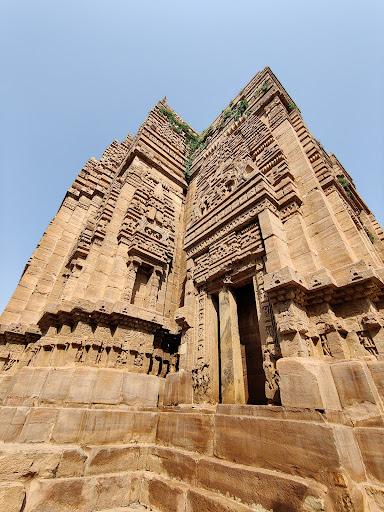
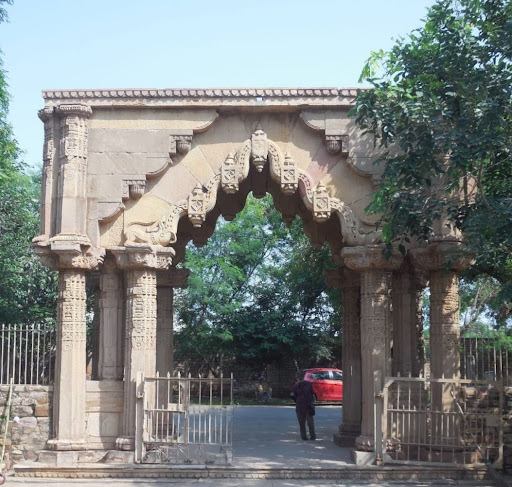
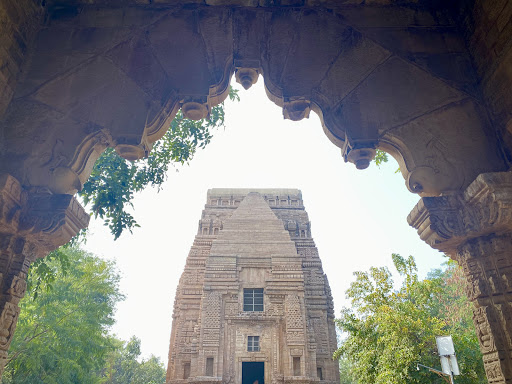
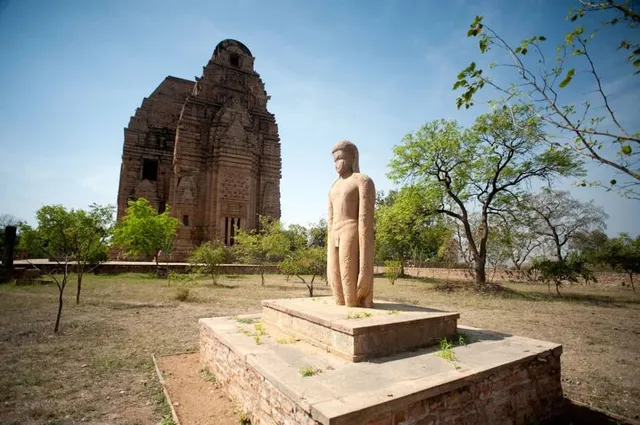
Teli ka Mandir, also known as Telika Temple, is a Hindu temple located within the Gwalior Fort in Madhya Pradesh, India. Dedicated to Shiva, Vishnu and Matrikas, it has been variously dated between the early 8th and early 9th century CE.
Cultural
Scenic
Family friendly
Accessibility
attractions: Gwalior Fort Urvai Gate, Suraj Kund, restaurants: Cafe Dream Arena - Gwalior, King Uncle, Love tea cafe, Punjabi Food Factory ( Irctc Food Delivery In Train ), Maa Annapurna Bhojnalay & Tiffin Center, pizzalay(लय) india, Namaste foodies, Green olive restaurant gwalior, Khedapati Home Point Mess, Burger Buddy Phoolbagh, local businesses: Gurudwara Data Bandi Chhor Sahib, Sahastrabahu temple, Raja Rani Mahal, Gopachal Parvat
 Learn more insights from Wanderboat AI.
Phone
+91 755 278 0600
Plan your stay

Pet-friendly Hotels in Gwalior
Find a cozy hotel nearby and make it a full experience.

Affordable Hotels in Gwalior
Find a cozy hotel nearby and make it a full experience.

The Coolest Hotels You Haven't Heard Of (Yet)
Find a cozy hotel nearby and make it a full experience.

Trending Stays Worth the Hype in Gwalior
Find a cozy hotel nearby and make it a full experience.
Reviews
Nearby attractions of Teli Temple
Gwalior Fort Urvai Gate
Suraj Kund
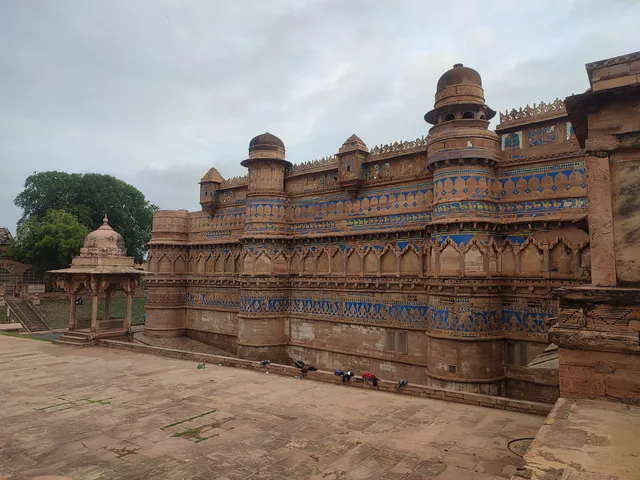
Gwalior Fort Urvai Gate
4.5
(539)
Open until 10:00 PM
Click for details
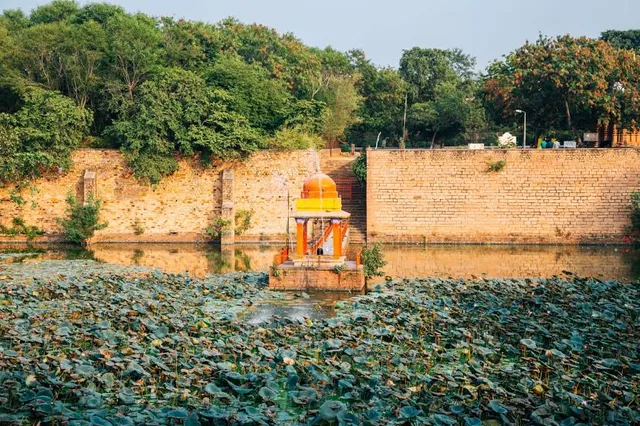
Suraj Kund
4.3
(24)
Open 24 hours
Click for details
Nearby restaurants of Teli Temple
Cafe Dream Arena - Gwalior
King Uncle
Love tea cafe
Punjabi Food Factory ( Irctc Food Delivery In Train )
Maa Annapurna Bhojnalay & Tiffin Center
pizzalay(लय) india
Namaste foodies
Green olive restaurant gwalior
Khedapati Home Point Mess
Burger Buddy Phoolbagh

Cafe Dream Arena - Gwalior
4.5
(470)
Open until 10:00 PM
Click for details
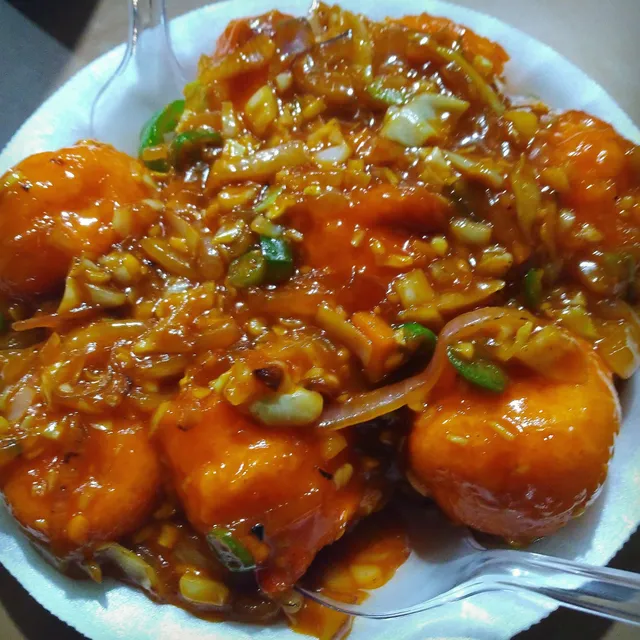
King Uncle
4.1
(226)
Closed
Click for details
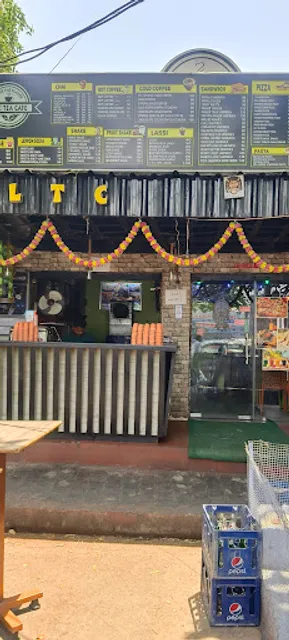
Love tea cafe
4.5
(9)
Open until 10:00 PM
Click for details
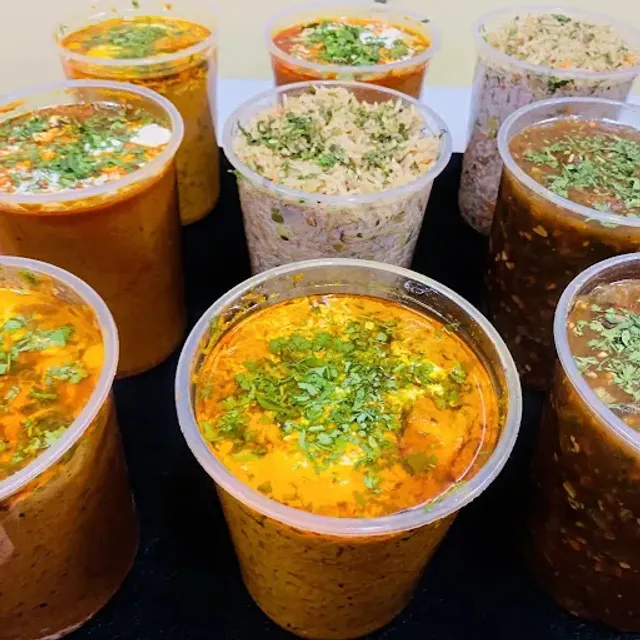
Punjabi Food Factory ( Irctc Food Delivery In Train )
4.7
(279)
Open until 11:00 PM
Click for details
Nearby local services of Teli Temple
Gurudwara Data Bandi Chhor Sahib
Sahastrabahu temple
Raja Rani Mahal
Gopachal Parvat
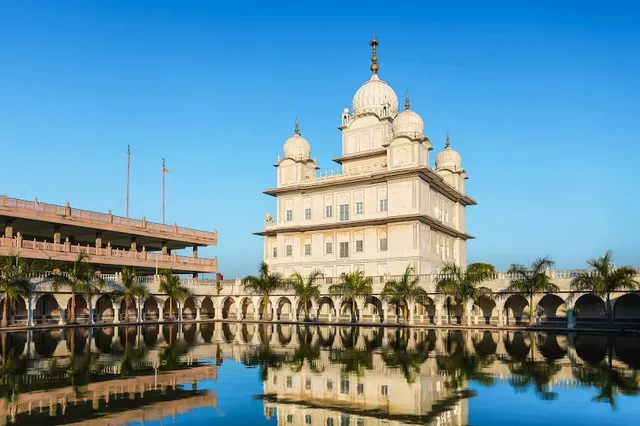
Gurudwara Data Bandi Chhor Sahib
4.8
(1.4K)
Click for details

Sahastrabahu temple
4.5
(978)
Click for details
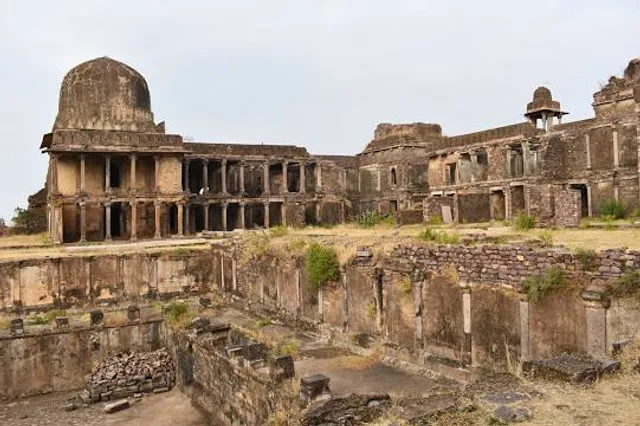
Raja Rani Mahal
4.1
(60)
Click for details
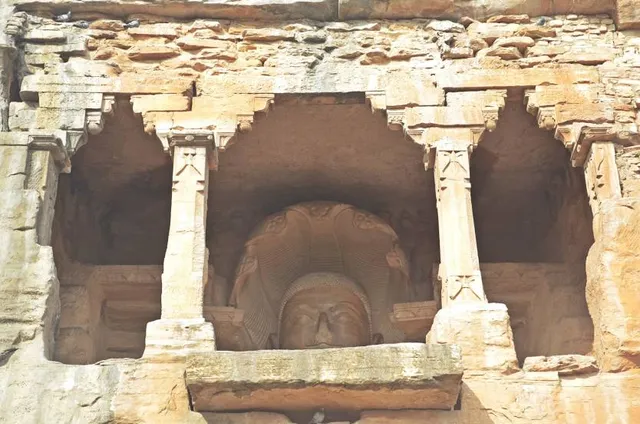
Gopachal Parvat
4.6
(361)
Click for details