Rewalsar Sahib is a significant site for Sikhs, as it is believed to be the place where Guru Gobind Singh Ji, the tenth Sikh Guru, met with Raja Siddh Sen of Mandi in the late 17th century. According to legend, the Raja was seeking the Guru's help in defeating a neighboring kingdom, and the Guru agreed to help on the condition that the Raja converted to Sikhism. The Raja agreed, and the two men met at Rewalsar Sahib to discuss the matter.
During their meeting, the Guru is said to have performed a miracle by making a spring of water appear from the ground. The water was blessed by the Guru and is believed to have healing properties. The spring is now known as Guru Gobind Singh Ji's Tirth, and is considered a sacred site by Sikhs.
The Guru also composed a hymn, known as the Chobis Avatar, during his stay at Rewalsar Sahib. The hymn praises the ten Sikh Gurus, as well as other spiritual leaders from different faiths, and is a testament to the Guru's belief in the unity of all religions.
Today, Rewalsar Sahib is a popular pilgrimage site for Sikhs, who come to pay their respects to the Guru and to bathe in the blessed waters of the spring. The site is also a reminder of the Guru's commitment to social justice and religious tolerance, and serves as an inspiration to people of all faiths.
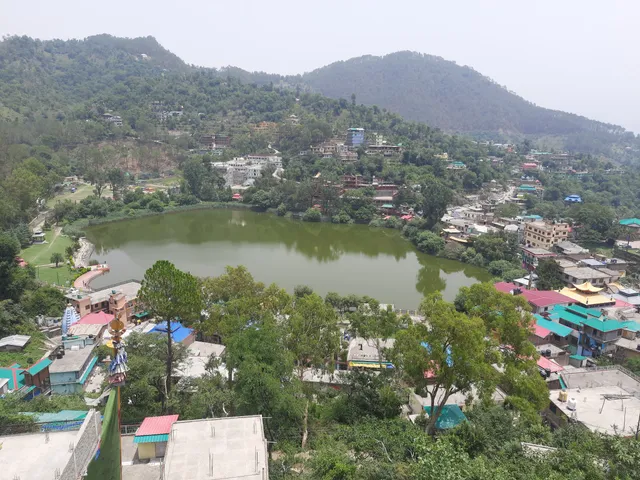
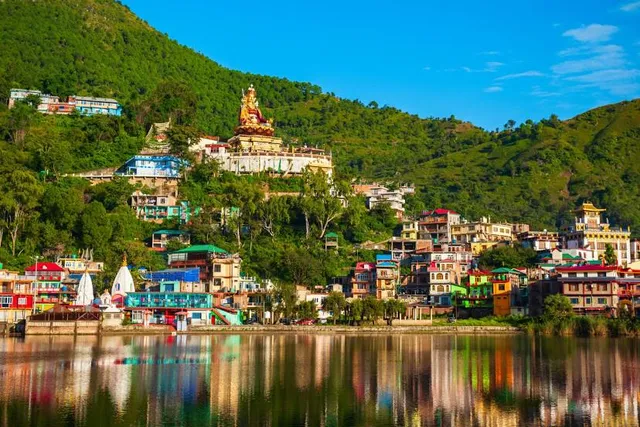
According to Hindu mythology, the site was created by the Pandavas during their exile. They are said to have dug a lake at the site, which is now known as Rewalsar Lake. The lake is considered sacred and is believed to have healing properties.
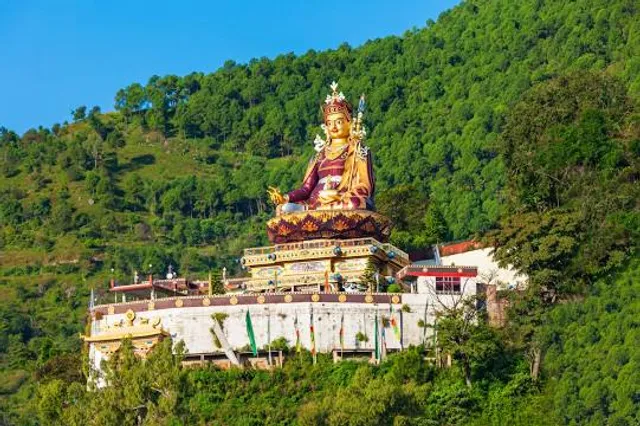
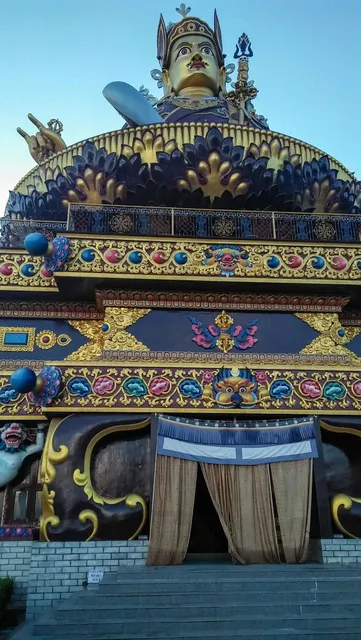
The site is also significant to Buddhists, as it is believed to be the place where Guru Padmasambhava, also known as Guru Rinpoche, meditated and attained enlightenment. Guru Padmasambhava is a revered Buddhist master who is credited with spreading Buddhism in Tibet.
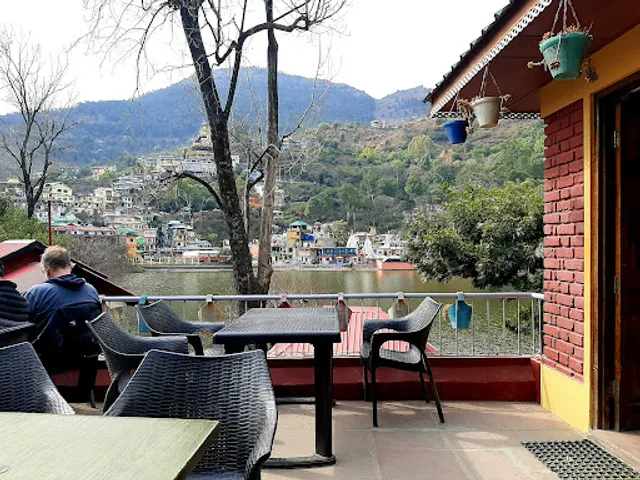
In addition to its religious significance, Rewalsar Sahib is also known for its natural beauty. The site is surrounded by lush forests and offers stunning views of the Himalayan mountains. Visitors can also explore the nearby monasteries and temples, which offer a glimpse into the region's rich cultural heritage.
Today, Rewalsar Sahib is a popular pilgrimage site for Sikhs, who come to pay their respects to the Guru and to bathe in the blessed waters of the spring. The site is also a reminder of the Guru's commitment to social justice and religious tolerance, and serves as an inspiration to people...
Read moreWaheguru ji ka khalsa Waheguru ji ki fateh
Gurudwara rewalsar Sahib in Himachal pradesh state of india belongs to Guru Gobind Singh Ji Maharaj
A brief history of gurudwara is
Gurdwara Sri Rewalsar Sahib is located high on the hillside above the lake known as Rawalsar and the town that has grown up around its shores.
Rawalsar (also spelled Rewalsar) is a town in the Mandi district in the State of Himachal Pradesh about about 15-25 km west of Mandi.
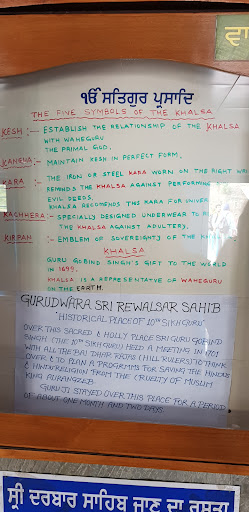
Sri Guru Gobind Singh Ji visited the site once on the occasion of Vaisakhi to meet with Raja Siddh Sen of Mandi and 22 other local hill chiefs to discuss their troubles with Aurangzeb.
Guru Gobind Singh stayed at Rawalsar for a month.
A Gurdwara was constructed here by Sikhs to perpetuate the memory of Guru Sahib's visit here. Adjoining the Gurdwara is a big sarovar, whose water has medicinal value.
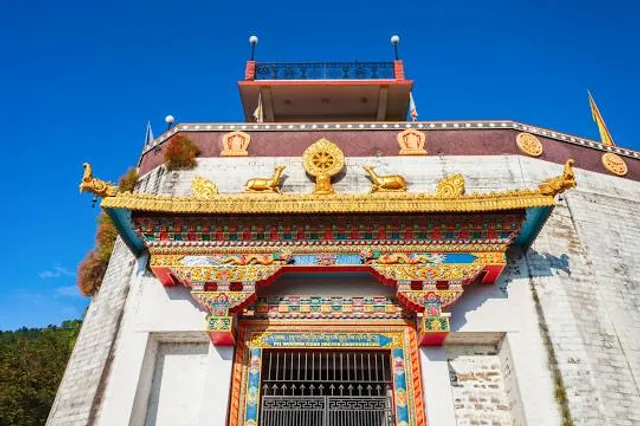
It is a sacred place for Buddhists too. Many people from Tibet come here on pilgrimage, to pay homage to Buddhist place of worship situated here.
Rawalsar is a natural lake with floating islands, about 15 kilometers west of Mandi town. The habitation that has grown around it is also named Rawalsar.
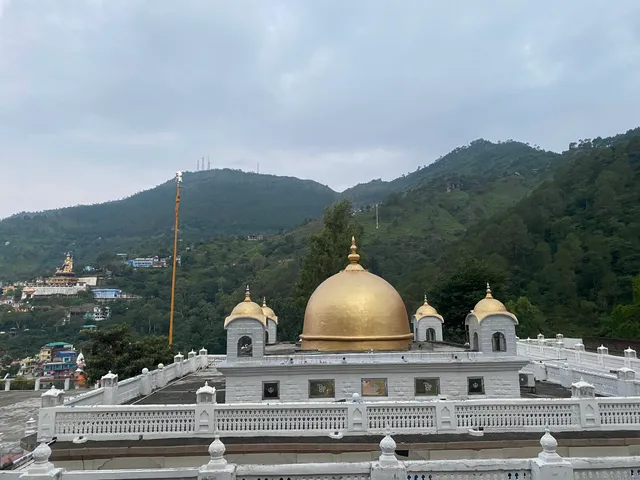
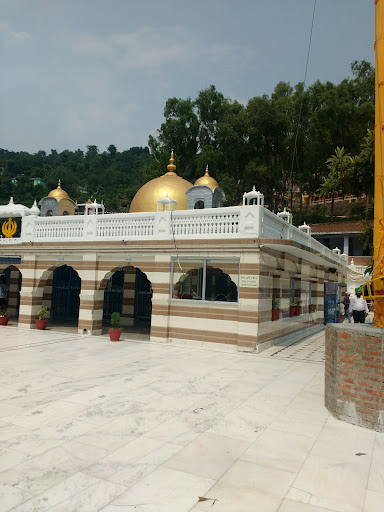
It was at the spot where the Gurdwara Sahib is that Raja Siddh Sen of Mandi met Guru Gobind Singh and took him to Mandi. The Gurdwara here is also known as Gurdwara Damdama Sahib. The Gurdwara is located on the hillside at some height from the lake and its dome is visible from a distance.
Rawalsar is particularly sacred to Namdhari Sikhs. Because of some allusion to it in Sau Sakhi as a sanctuary, many Namdharis went to settle there during early 1940s, but as this small hilly place could hardly absorb them, most of them came back; yet many settled at the nearby Mandi town from where they keep visiting the lake and the Gurdwara frequently.
In 1930 Raja Joginder Sen of Mandi built the Gurdwara to commemorate Guru Gobind Singh's visit. It is constructed of stone and one reaches it by climbing 108 stairs. Located at an altitude of 1360 meters above sea level in the Southern Himalayan belt, winters in Rawalsar can be cold, but summers can be...
Read moreIn the land of Buddhism and beautiful, serene landscapes, the existence of Rewalsar Sahib Gurudwara in Mandi will make people look closely to ensure that they are seeing right. Rewalsar Sahib is a small Gurudwara built in the honor of Guru Gobind Singh, the tenth Guru of Sikhism. The terrains surrounding the Gurudwara create a magic which invites the pilgrims from across the globe. Legends say that the Guru Gobind Singh stayed at this place where Gurudwara is currently located. When Guruji was fighting against the Mughal king, Aurangzeb, he chose Rewalsar to meet with the kings of the different hill states in order to gather support for his battle. In order to commemorate the Sikh Guru's visit, a Gurudwara was made by Raja Joginder Sen of Mandi in 1930. Perched on a hilltop, the Gurudwara is easily recognizable from a great distance due to its pristine blue color and massive domes. The tourist will have to climb 108 stairs to get to this sacred place of worship. Next to the Gurudwara is a water tank; taking a dip here is a holy practice and can relieve people from all the diseases and is considered as lucky. In fact, Rewalsar Sahib Gurudwara is revered by Buddhists who regard him as a saint. The Gurdwara is particularly sacred to the Namdhari Sikhs due to its mention in Sau Sakhi (stories about the Guru Gobind Singh) as a divine shelter for the needy people. People of every religion visit this shrine in order to gain consolation and blessings of the...
Read more