Exploring Garh Ganesh Temple in Jaipur: A Hidden Gem Above the Pink City
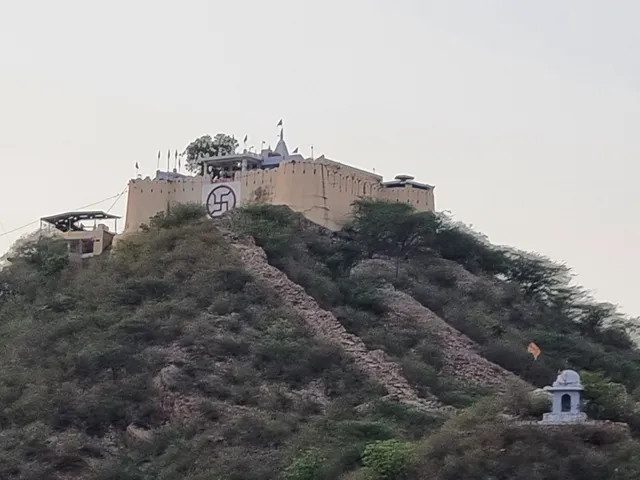
Nestled atop the lush Aravalli hills, overlooking the vibrant cityscape of Jaipur, lies the serene Garh Ganesh Temple. Unlike the grand and opulent monuments that dominate Jaipur's skyline, Garh Ganesh is a hidden gem that offers a unique blend of spirituality, history, and breathtaking views. Whether you're a devotee, a history enthusiast, or simply a traveler seeking tranquility, this temple is a must-visit on your Jaipur itinerary.
The Journey to Garh Ganesh
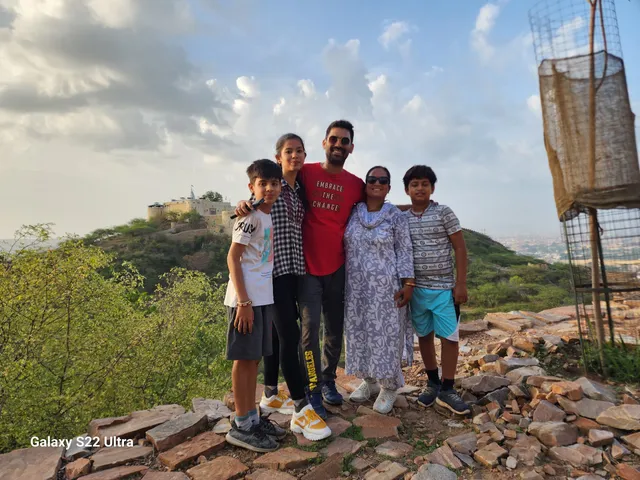
Reaching Garh Ganesh is an experience in itself. The temple is situated on a hill near Nahargarh Fort, and to get there, you'll need to embark on a short trek. The path is steep but manageable, winding through narrow lanes and stairways that gradually open up to panoramic views of Jaipur. As you ascend, the bustling city below starts to fade, replaced by the sounds of chirping birds and the rustle of leaves. The climb is not only a physical journey but also a spiritual one, offering moments of introspection with every step.
A Glimpse into History
Garh Ganesh Temple is dedicated to Lord Ganesha, the remover of obstacles and the god of new beginnings. It is believed to have been built by Maharaja Sawai Jai Singh II, the founder of Jaipur, before the construction of the city itself. According to local lore, the temple was established to protect the city from evil spirits and to ensure its prosperity. The statue of Lord Ganesha housed within the temple is unique; it does not have the usual elephant head, symbolizing Ganesha's child form, known as "Vighnaharta" (one who removes obstacles).
The architecture of the temple is simple yet elegant, reflecting the charm of traditional Rajasthani design. The temple is constructed in a typical Garh (fort) style, hence the name Garh Ganesh. The temple’s white marble structure stands in stark contrast to the rugged terrain surrounding it, creating a serene ambiance that invites visitors to pause and reflect.
The Spiritual Experience
The temple is a revered pilgrimage site, especially for devotees of Lord Ganesha. Every year, during the Ganesh Chaturthi festival, the temple comes alive with vibrant celebrations. Devotees from all over the city and beyond gather to offer their prayers and seek blessings. The atmosphere is electric, filled with the sound of bells, chanting, and the scent of incense.
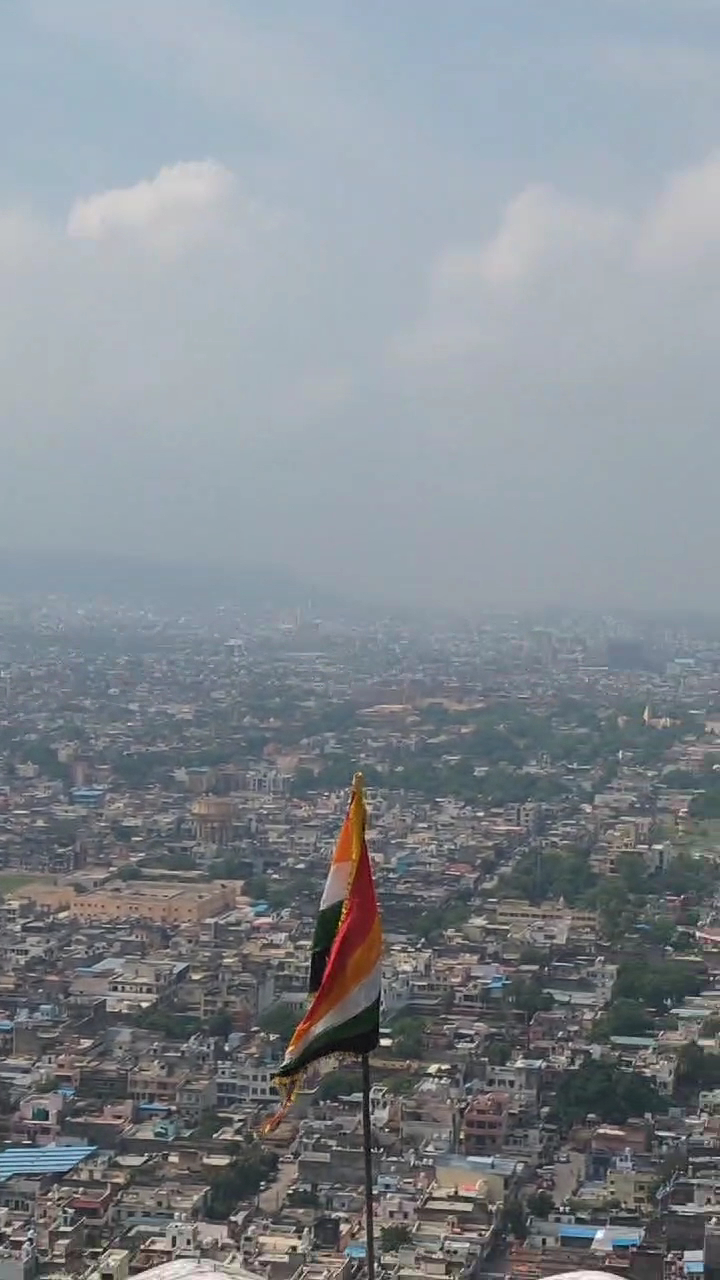
For those seeking a quieter experience, visiting during the early morning hours is ideal. The temple is less crowded, and the cool breeze at dawn makes the trek more pleasant. Watching the sunrise from the temple premises is an unforgettable experience. As the first rays of the sun touch the city, the view from the temple transforms into a golden panorama, with the sprawling pink city below and the majestic Nahargarh Fort on the adjacent hill.
A Photographer's Delight
Garh Ganesh Temple is not just a place of worship but also a photographer’s paradise. The hilltop location offers stunning views of Jaipur, including iconic landmarks like the Jal Mahal, Hawa Mahal, and City Palace. The interplay of light and shadow during sunrise and sunset creates perfect conditions for capturing memorable shots. The temple's surroundings are also rich in flora and fauna, making it an excellent spot for nature photography.
Practical Information
Getting There: The temple is accessible from the city center by auto-rickshaw or taxi. The climb takes about 30-40 minutes, depending on your pace. Best Time to Visit: Early morning or late afternoon for a peaceful experience and to avoid the midday heat. Dress Code: Modest clothing is recommended as it is a place of worship. Comfortable shoes are a must for the trek.
Conclusion
Garh Ganesh Temple is a perfect example of Jaipur's lesser-known treasures. It offers a blend of history, spirituality, and natural beauty that is hard to find elsewhere. Whether you're seeking blessings, looking to escape the city's hustle, or simply wanting to take in some...
Read moreThe only temple in the country located on the Aravalli ranges in Jaipur city, where there is a statue of Ganesha without a trunk. This temple is famous by the name of Garh Ganesh. For the establishment of Jaipur in the 18th century, Sawai Jai Singh had invited special pundits from Gujarat to perform Ashwamedh Yagya here. While laying the foundation of Jaipur, an idol of Balrup Ganesha was worshipped. The idol of the same Ganapati was enshrined on the hill of Aravalli in the northern direction of the city by building a fort (garh). He believed that this would keep Lord Shri Ganesh's eye on the entire city. Will get his blessings. A staircase was built everyday to reach the Garh Ganesh temple, built at a height of 500 feet. In this way, the construction of each ladder continued for the whole 365 days. Today, to fulfill their wishes, hundreds of devotees from far and wide reach the temple by climbing 365 steps and have darshan of Lord Ganesha in the form of a child without a trunk. Regular visiting devotees believe that every wish sought from Garh Ganesha is fulfilled by visiting it continuously on seven Wednesdays. Two rats are also installed at the main entrance, in whose ears the devotees tell their wishes, the rats convey those wishes to Bal Ganesha. With the establishment of this temple, photography was banned here. The idol in the sanctum sanctorum of the temple was never photographed. In such a situation, even after almost 300 years of the establishment of the temple, the picture of Lord Ganesha did not appear. God can be seen just by looking. The special thing about the temple is that the architects of Sawai Jaisingh got the temple constructed in such a place that the king could stand from the City Palace and visit the temple every morning and evening for aarti. Garh Ganesh, Govind Dev Temple, City Palace and Albert Hall were built parallel to each other in the same direction...
Read moreShree Ghar Ganesh Temple is a popular Hindu temple located in Jaipur, the capital city of the Indian state of Rajasthan. It is dedicated to Lord Ganesha, who is revered as the remover of obstacles and the god of wisdom and prosperity in Hindu mythology.
The temple is located in the walled city area of Jaipur, near the iconic Hawa Mahal (Palace of Winds). It is a small temple with a simple architecture and is known for its peaceful and serene atmosphere.
The idol of Lord Ganesha in Shree Ghar Ganesh Temple is believed to be a "Swayambhu" idol, which means it is believed to have appeared on its own without any human intervention. The idol is made of stone and is adorned with flowers, garlands, and vermilion by the temple priests and devotees.
The temple is visited by a large number of devotees, especially during the festival of Ganesh Chaturthi, which is dedicated to Lord Ganesha and celebrated with great enthusiasm in India. Devotees offer prayers, perform rituals, and seek the blessings of Lord Ganesha for prosperity, success, and the removal of obstacles in their lives.
Shree Ghar Ganesh Temple also holds cultural and spiritual events on special occasions and festivals, including devotional singing, recitation of prayers, and distribution of prasad (sacred food offering). The temple is known for its inclusive and welcoming atmosphere, where people of all faiths and backgrounds are welcome to offer their prayers and seek blessings.
Visitors to Shree Ghar Ganesh Temple are required to follow the temple customs and traditions, including dressing modestly, removing footwear before entering the temple premises, and maintaining a respectful demeanor. The temple is a place of devotion, spirituality, and cultural significance, offering a serene and peaceful environment for seekers of divine...
Read more