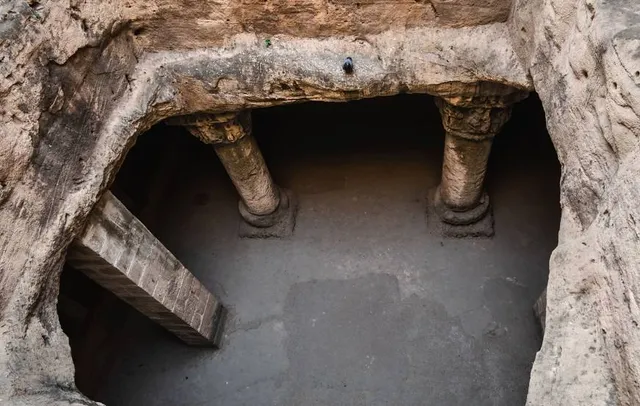
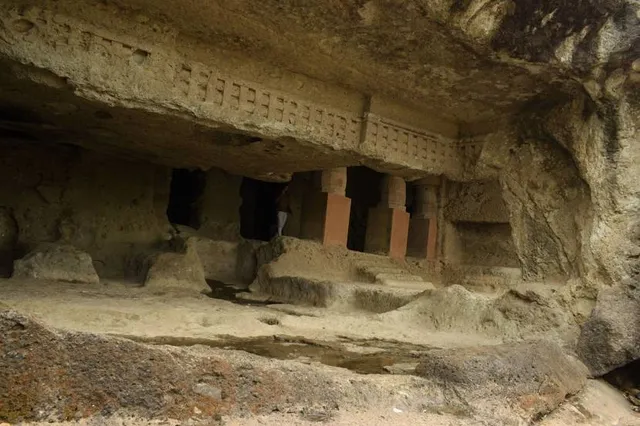
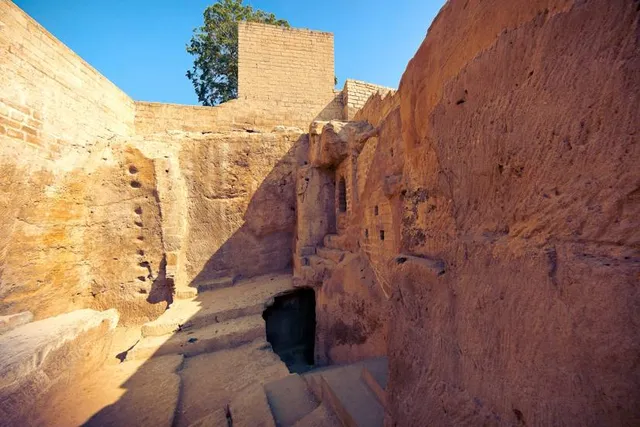
The Uparkot Fort is an ancient citadel in Junagadh, Gujarat, known for its extensive history, architectural marvels, and a collection of unique attractions, including centuries-old caves, wells, and cannons. Situated on a plateau east of the city, the fort has a commanding view of the surrounding landscape and has witnessed numerous sieges over its long existence. Uparkot Fort Nestled amidst the magnificent Girnar hills, the Uparkot Fort ... ''A Complete Guide to Uparkort Fort'' *Uparkot Fort: Offering Some Panoramic Views Of Junagadh - TripXL Uparkot Fort History, Timings, Entry fee, Images, Junagadh ... History °Ancient origins: The fort's origins trace back to 319 BCE and are traditionally credited to the Mauryan emperor Chandragupta. During the Mauryan and Gupta periods, it was a significant town and fortress at the foot of the Girnar Hills. °Abandonment and rediscovery: The fort was abandoned in the 7th century CE when the regional capital was moved. It was rediscovered and rebuilt in the 10th century by the Chudasama dynasty king, Graharipu. °A history of conflict: Over a thousand years, the fort was besieged 16 times. One notable legend tells of a 12-year siege related to the story of King Ra Khengar and Rani Ranakdevi. °Turkish cannons: After the Gujarat Sultanate captured the fort in the 15th century, two massive cannons, Neelam and Manek, were brought here. They were initially used by the Ottoman Turks against the Portuguese in Diu in the 16th century. Architectural features and attractions Buddhist Caves: These 2nd to 3rd-century caves were carved into the rock by Buddhist monks for meditation. °Adi Kadi Vav: This striking 15th-century stepwell is carved out of solid rock, and a local legend claims it was named after two slave girls who were sacrificed to bring water to the well. °Navghan Kuvo: Considered one of the oldest stepwells in India, this 10th-century well is carved deep into soft rock and features a magnificent circular staircase. °Jama Masjid: This 15th-century Indo-Islamic mosque was converted from a royal palace during the Gujarat Sultanate's rule. °Fort gateways: The entrance to the fort is a series of three concentric gateways, with the inner gate being a beautiful example of the Hindu torana style, topped with later Indo-Saracenic work. °Cannons: The Neelam and Manek cannons are a popular attraction, and the fort also has other cannon points that provide panoramic views. °Nawabi Lake: A square, artificial lake is also located within the fort complex. Visiting information •Timings: The fort is generally open to visitors every day. Sources suggest differing hours, so confirming closer to your visit is recommended, but a typical window is from 8 a.m. to 4 p.m. or 6 p.m.. •Entry Fee: The entry fee is typically low, with separate rates for Indian citizens and foreigners. •Best time to visit: The months between October and March offer the most pleasant weather for exploring. •Location: The fort is located in Junagadh, Gujarat, about 2 kilometers from the city center, at the foothills of the...
Read moreUparkot Fort in Junagadh, Gujarat, is a historical marvel with a rich past, perfect for a Google Maps review. Here are some details you might want to include: Historical Significance & Architecture: Ancient Roots: Believed to have been built in 319 BC by Mauryan emperor Chandragupta, the fort has been expanded and modified over centuries, showcasing a blend of Mauryan, Hindu, and Indo-Saracenic architectural styles. Resilience: It famously withstood 16 sieges, with one lasting an incredible 12 years, a testament to its strategic design and formidable walls (some reaching 20 meters high). Entrance: The fort's entrance features impressive triple gateways, with the inner gateway being a beautiful example of a Hindu Torana, later topped with Indo-Saracenic work. Key Attractions within the Fort: Adi Kadi Vav: A stunning 15th-century stepwell carved out of solid rock, with 120 steps leading down to the water. There are fascinating legends associated with its name. Navghan Kuvo: An 11th-century stepwell, 52 meters deep, with a unique circular staircase winding around the well shaft. It was crucial for water supply during sieges. Buddhist Caves: Dating back to the 2nd-3rd centuries AD, these rock-cut caves were once meditation chambers for Buddhist monks, featuring intricate carvings and a serene atmosphere. Jama Masjid: A 15th-century mosque, originally a palace, showcasing the fort's diverse cultural influences. Cannons: Look for the colossal cannons, "Neelam" and "Manek," brought from Diu, offering panoramic views of the surrounding landscape and city. Nawabi Lake: A square-shaped artificial lake within the fort complex. Anaj Bhandar: An ancient grain storehouse highlighting the strategic importance of food storage. Visitor Experience: Panoramic Views: The fort offers breathtaking panoramic views of Junagadh city and the Girnar Hills. Exploration: It's a massive fort, so wear comfortable shoes as there's a lot of walking involved. Allow 2-3 hours to explore thoroughly. Guides: Local guides are often available and can provide in-depth historical insights. Some services offer battery cars for easier navigation, especially for the elderly. Best Time to Visit: November to February offers pleasant weather for exploration. Early mornings are ideal to avoid crowds. Amenities: There might be souvenir shops and food courts inside or nearby. Points to Consider for your Review: What impressed you most? Was it the history, the architecture, the views, or a specific attraction? Any tips for other visitors? (e.g., wear comfortable shoes, consider a guide, best time to visit). Overall impression: Did you find it well-maintained? Was it crowded? Did it live up to your expectations? Remember to add your personal touch and experience to make your Google Maps...
Read moreThis is a historical edifice, a must visit if you are in Junagadh. Kudos to the Government for the new modernisation; improvements of the walkways, restorations and upkeep.
I had visited this place on 2 occasions The first one almost 9-10 years ago, when it was in ruins and an open barren unkempt stare. Honestly I loved it's rawness at that time as it oozed the historical prevalence.
Fast forward to today in 2025, my latest visit, the government has done a commendable job in the restoration and making the place safer as well as tourist friendly! No more touts or scamsters trying to harass us 🙂
Highly recommended rent a bicycle and explore the fort. There's a total of 9kms to explore completely and you would need atleast 3hrs on hand for it. Visit the fort in early morning hours or later in the eve to escape from the heat of the afternoon. Caution though, fort closes its doors at 4pm and you can stay inside uptil 6pm after filling a late form at the main entrance of the fort.
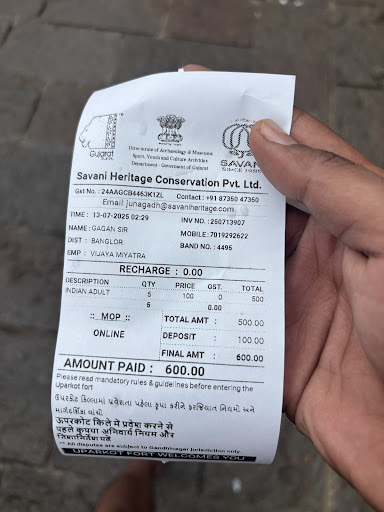
It is a complete government run monumental site, each and every transaction you make, be it for the tickets or hiring a guide for the fort, you will get a receipt. Ask for it if you don't
Hiring a guide is recommended too if you are in a jiffy and want to see the main sites. They are knowledgeable and courteous. They will ensure you trip gets over in an hour if you are able to walk fast and don't stop much on the way.
Only down side is there are no markers for path to follow you can get lost, also no maps available except the one at the main entrance to the fort. Highly recommended to click it's picture before commencing your tour.
Note worthy places to see inside the fort include
The main entrance - look out for the Royal coat of arms engraved in the wall, it's a sheild and sword.
The dietys on the entrance - Ganesha, Hanuman, the Shrine of "Veer" gaurding the gate.
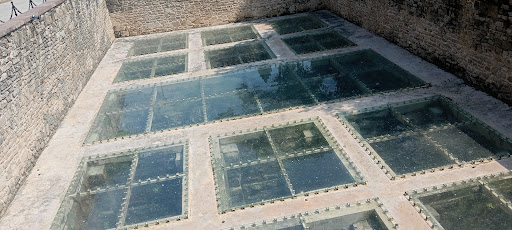
At the entrance itself is a hidden well used to house the army in a hidden state at times of wars, ready for a surprise ambush.
Further up you come across a chasm that used to be a moat in the olden days.
Head to the cannons, take a mesmerizing view of the Junagadh city and this is the point from where you would be able to hire a bicycle or take a ride in a Caddie golf cart.
From here head to the main building in courtyard which is main durbar hall. There area few exhibits here as well the place where the king used to sit. See the horse stables in the lower floors
Exit and visit the 2 wells Adi Kadi vav Navghan Kuvo These are steps wells
There's grainary to see and a gazebo too
Also if cycling or walking with time at hand, explore the boundary walls of the fort...
Read more