The Khapra Kodiya Buddhist Caves: A Sacred Place for the Preservation of Water and Monastic Life
Nestled in the remote mountains of India, lies a sacred place that holds deep significance for both the Buddhist community and the preservation of water. The Khapra Kodiya Buddhist Caves, also known as the Kandai Vihara, are a series of 24 caves carved into a single rock ridge in the ancient kingdom of Magadha. These caves are not only a testament to the architectural brilliance of ancient India, but also serve as an important example of sustainable living through rain water harvesting and the preservation of monastic life.
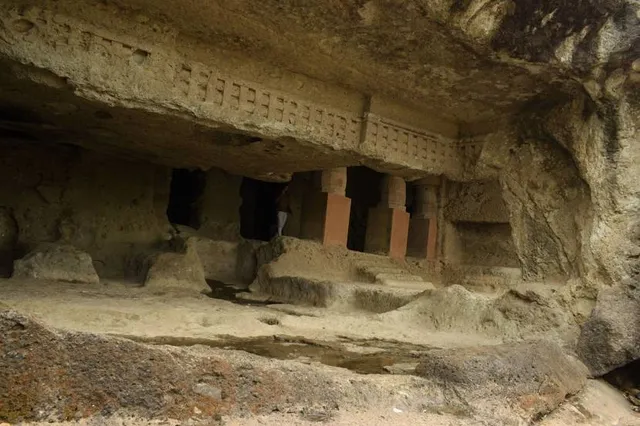
The Khapra Kodiya Buddhist Caves were built during the reign of Emperor Ashoka in the 3rd century BCE, as a place for Buddhist monks to meditate and live. The caves were carved into the rock face, with intricate carvings and sculptures adorning the walls and ceilings. Each cave served a specific purpose, some were living quarters for monks, while others were used for religious ceremonies or as study rooms. However, what truly sets these caves apart is their unique system of rain water harvesting.
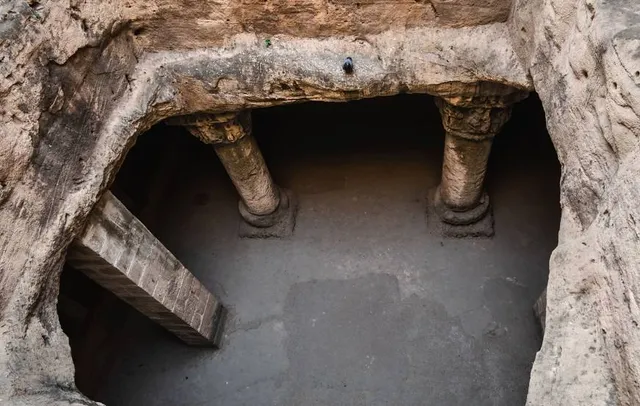
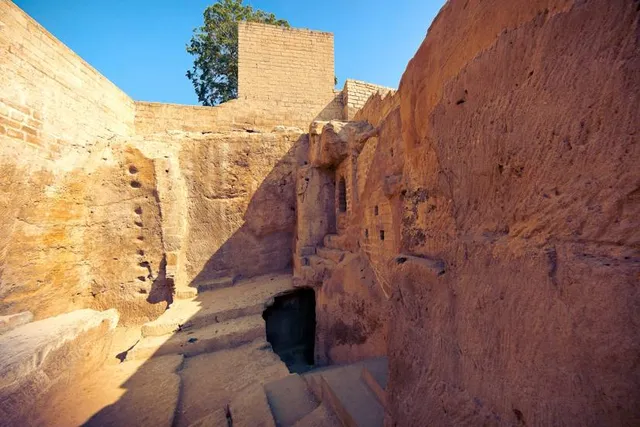
In ancient India, water was considered a sacred element and its conservation was highly valued. The builders of the Khapra Kodiya Caves understood the importance of water and devised an ingenious system to collect and preserve it within the caves. The rock ridge on which the caves are built, naturally collects rainwater during monsoon season. This water is then channeled through intricate channels and stored in large tanks carved into the rock. These tanks, known as kundas, were designed to collect and store enough water to sustain the monks living in the caves throughout the year.
The rain water harvesting system at Khapra Kodiya Caves is a prime example of sustainable living and eco-friendliness. In a time when water scarcity is a major concern, the ancient builders of these caves were already thinking ahead and implementing methods to conserve and preserve this precious resource. The use of natural elements like rock and gravity to collect and store water is a testament to the creativity and intelligence of these ancient architects.
But the significance of water at Khapra Kodiya Caves goes beyond just sustainability. In Buddhism, water is seen as a symbol of purity, clarity, and serenity. The presence of water in these caves not only provided a sustainable source of water for the monks, but also served as a source of spiritual purification. The monks would often use the water in their daily rituals and meditations, connecting with its natural and sacred energy.
Apart from rain water harvesting, the Khapra Kodiya Caves also served another important purpose – the preservation of monastic life. In ancient India, it was common for monks to live in caves or other isolated places away from society, in order to fully devote themselves to their spiritual practices. The Khapra Kodiya Caves provided the perfect setting for this way of life. The caves were secluded from the outside world, allowing the monks to focus solely on their spiritual pursuits without any distractions.
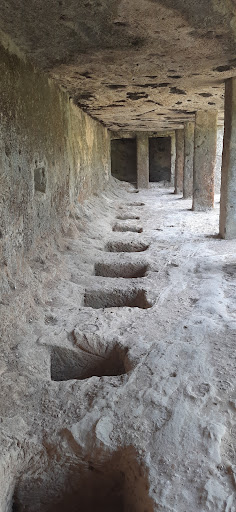
The living quarters within the caves were designed to provide basic necessities for the monks, such as a small bed, a cooking area, and a place for meditation. The monks would often spend hours meditating in these caves, surrounded by natural beauty and the peaceful sound of water flowing through the channels. This simple way of living allowed them to detach from worldly desires and focus on achieving inner peace and...
Read moreOne can visit these caves during a visit of Uperkot Fort. These Khapra Kodiya caves exist near fuliya Hanuman temple on Fuliya Hanuman Road near Dev vadi i.e. North side of Uperkot within one Km. Khapra Kodiya caves also known as " Buddhist Caves" around Uperkot Fort are not actually caves but three separate sites of rooms carved out of stone to be used as monk's quarter , hence the name , they are all a little over 2000 years old, give or take a couple centuries. They were carved into living rock during the reign of Emperor Samrat Ashok and are considered the earliest monastic settlement in the area.Khapra Kodiya caves also known as " Khengar Mahal" and are damaged later quarrying & now only the highest story remains. The Khapra Kodiya caves are among the earliest & most important three caves in Junagadh. The other two being Baba Pyare and the Buddhist caves at Uperkot. All these caves and monuments were first reported by James Burgess. Cut into a ridge of trap rock in the east- west direction , all the chambers of this group of caves are a kind of broad " U" shaped quadrangle formed by rock excavation on the southern side. On line tickets booking must be before visit.wheecle parking along chowk near Fuliya Hanuman Temple along the road. Time taken to see 30 minutes for these simple caves. Proper care is not taken by the...
Read moreThe Khapra Kodiya Caves are part of the Junagadh Buddhist Cave Group. They are the oldest of the caves in the group. The caves, on the basis of scribbles and short cursive letters on the wall, are dated to 3rd-4th century BCE during the Emperor Ashoka’s rule and are the plainest of all the caves in the groups.These caves are also known as Khangar Mahal.They were carved in rock during the reign of Emperor Ashoka and are considered the earliest monastic settlement in the area. These caves are along the edge of the ancient Sudarshan Lake and a little outside Uparkot fort, to the north. The caves are carved out in an east-west longitudinal ridge. They are small in area. But the architecture of the water tanks is unique, and the caves form an ‘L’ shaped residence. Caves were used by bhikkus during vassa period. After many years of use, they were abandoned because cracks within the caves let water seep into living quarters, rendering them unusable. Many accounts say that after this, the monks left for Maharashtra, where they went on to carve many similar and more elaborate structures. Khapara Kodia was damaged by later quarrying, and now only the highest...
Read more