Madayikavu (Māḍāyik्kavu), also known as Thiruvarkadu Bhagavathi Temple, is an ancient Kaula Shakti shrine in Kerala, located near Pazhayangadi, Kannur. With a history over two millennia long, the sacred grove was administered by various regional dynasties. The Bhagavathi was revered by these dynasties as their royal family deity, and they also carried out renovations of the Kavu at multiple junctures throughout history. Renovation in modern time is taken care by devotees. Madaayikkavu enshrines the fierce form of Bhadrakali and is regarded as the 'mother temple' of North Kerala's Bhadrakali shrines. This is due to the practice of consecrating idols in many regional temples through rituals originating from Thiruvarkkadu temple, with those deities considered avatars of the deity of Madaayikkavu. The temple complex houses deities Shiva, Saptha Mathrika, Ganapathy, Veerabhadra, Kshetrapala, and Shasthavu. Local folklore states that the shrine is believed to be a place of recourse for the removal of occult sorcery, including black magic and witchcraft.
The Maadayikavu temple lies at the top of Maadayippara Hill, a biodiverse area with a variety of plant and flower life, especially during the rainy and spring seasons. The hill serves as a habitat for diverse avian and insect species. During the summer dry period, wildfires have been recorded. The village of Eripuram, located nearby, derives its name from this phenomenon, translating to ‘Burned Village’. Within Maadayippara Hill there is another shrine, Vadukundu Shiva Temple, and a temple pond—the central location for the temple's ‘Aarattu’ festival. The hill features another pond named 'Juuda kkulam' (meaning "Jew Pond"), believed to be associated with past Jewish traders. This pond remains a water source during the dry summer months. Furthermore, the hill bears the remnants of an ancient fort, adding to its historical significance.
Kathiruvaykum Thara
Remnants of Fort Historical accounts suggest that the site originated as a simple Kavu (sacred grove). Over time, it evolved into a temple complex, receiving patronage from the Mushika, Kolathunad, and Chirakkal dynasties, along with support from nearby provinces.
During British colonial rule, an incident occurred during the construction of a railway bridge across a nearby river, where a bridge pillar repeatedly collapsed. The discovery of a sacred Shankhu (conch shell) near the construction site led to a major renovation of the temple by local villagers, which coincided with the successful completion of the bridge. Renovations are currently in progress at the temple.
The Malabar Devaswom Board currently manages the temple. Previously, it was a shrine under the patronage of the Chirakkal Royal Family and belonged to the Chirakkal Devaswom. Situated in Madayi near Pazhayangadi, the temple is more popularly known as Madayi Kavu.
Etymology The modern Thiruvarkkad temple complex is built by the Kolathunad dynasty, is situated within a Kavu (sacred grove). The site may have initially featured a small loft (Maadam, മാടംML) used for lighting lamps, a common feature in many Kavu. The term ‘Maadam’ also signifies a ‘Watchtower’. The temple is located on a rocky hill, offering a wide view extending to the sea. Remnants of an ancient fort, constructed by the Mushika King Vallabha, including four watchtowers, are present
The location of the temple on a rocky hill, combined with the historical link between the royal families and the temple, suggests that the term ‘Maadayi ppara’ may refer to the rock or hill where a watchtower was situated. The Malayalam word ‘Maadam’ may have influenced the temple's name, ‘Maadaayi Kavu.
The following folklore explains the etymology of the name...
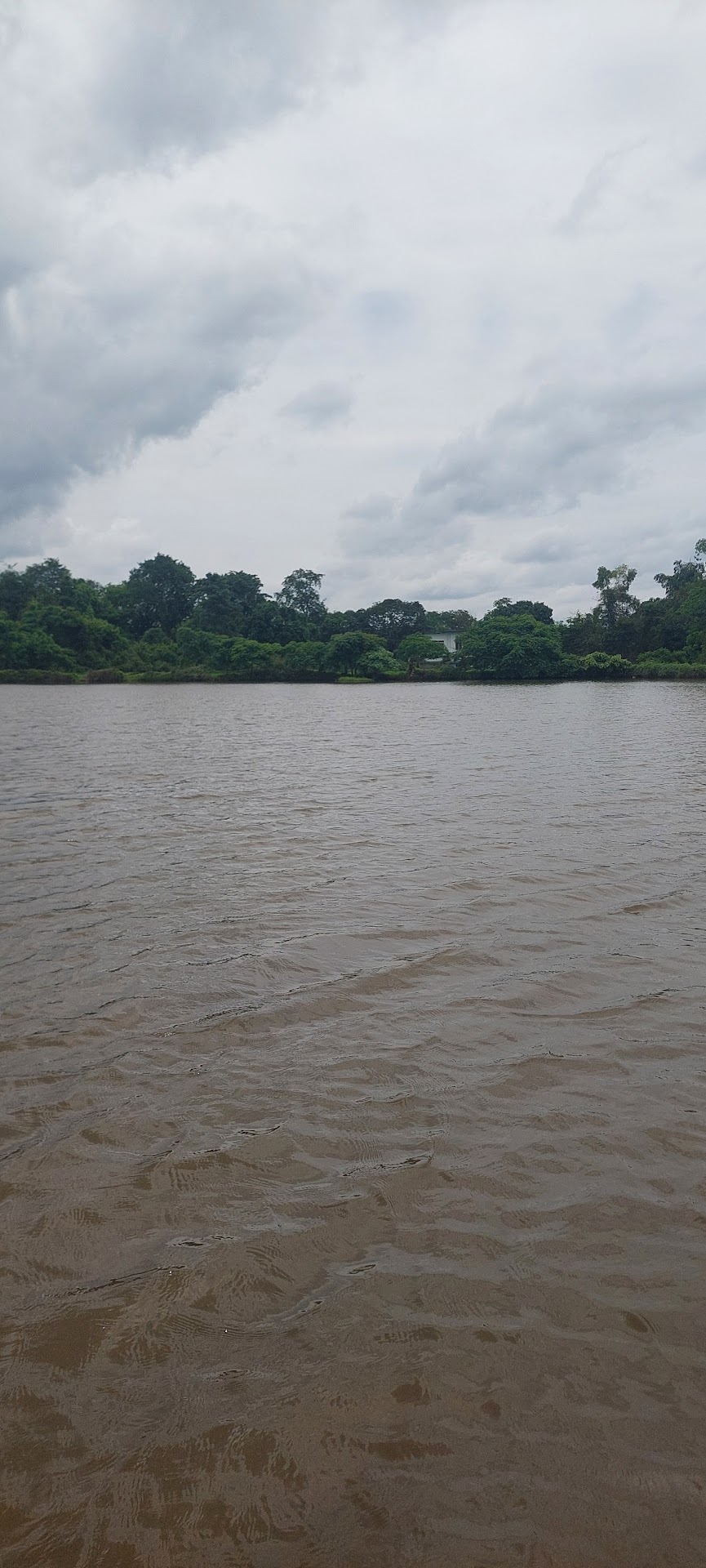
Read moreThis temple is one of the most important Bhadra Kali Temples of Malabar . It is situated near Payyannur railway station of Kannur district. The Goddess is also called “Thiruvar kadu Bhagawathi”. People mainly worship her to get the effects of black magic removed. Unlike other Bhagawathi temples , Meat is offered as Naivedyam at this temple.Marco Polo the Italian traveler has mentioned about this temple in his memoirs. Historians believe that this temple is very ancient and at least one thousand years old. There is a belief that this Goddess was created by Lord Shiva to kill an asura called Dharuka and after killing the asura along with the Saptha Mathrukas , this Goddess wanted to stay in that place . Shiva granted her wish and even today she is considered as a daughter of Lord Shiva. Another story tells that this Goddess was initially consecrated in Thaliparamba Raja Rajeswara temple . But since the Goddess wanted Meat to be offered to her during worship, a separate temple was built in Madayi and the idol shifted there The idol of the goddess is made of Concentrated Jaggery (Kadu Sarkara) and so the Abhisheka(Ritual bath) is given to a metal idol , sanctified in the temple. The Goddess has an extremely fierce look with four hands and face resembling the fire at deluge. The priests worshipping the metal idol are the Namboodiri Brahmins. The priests of the Statute of Madayi Bhagawathi are called Moosads or Moothad or Pidara . They are Brahmins who are non vegetarian by nature. They offer Thanthric worship to the Goddess. It seems one upon a time the priests were not Brahmins but over years when people were not able to bear the fierce nature of the Goddess , the Brahmin worship was introduced. Nowadays The goddess is offered Ash Gourd instead of meat and fish and Tender coconut water instead of toddy. As soon as you enter the temple you would see a Shiva temple , There over a Peeta covered with silk , a sword called Nandakam representing the Bhagawathi is kept.. The main temple of Bhagawathi which is a few yards south of the Shiva temple faces the west. Towards the left of her temple the idols of the Saptha Mathrukas( The seven mothers) who accompanied her in the war with Dharuka can be seen. In the front in a an enclosure the metal idol is consecrated . Though initially there were four annual festivals in the temple, as of now the major festivals which are celebrated are Pooram in the month of Meenam(March-April) and kalasam in the month of Medam. The pooram festival is celebrated for seven days and the Kalasam festival only lasts for a few hours. It is believed that all annual festivals of Northern Kerala end for the year with the celebration of Kalasam at this temple. The Kalasa Uthsavam was so being called as Perum Kaliyattam(Big play of Kali) or Kalioyattam is observed in the festival . The main rituals are in the afternoon when eight people who dress up as the forms of Goddesses like Kalariyil Bhagawathi, Chuzhali Bhagawathi , Someswari, Padi Kutthi along with the main form of goddess “Veera Chamundi’. These Goddess forms go round the Kalasa(Sacred pot) and offer worship three times to it . Then there is a sport called Kalasa Thallu( The physical fight of the Kalasa , done with bare hands.) Another important ritual in this temple is a fishing in a near by river which is called “Kavu Pidi”( catch of the temple). The first of month of Edavam (May-june) and the previous day of the Kalasam are considered more propitious for Kavu Pidi. People believe that fishes caught are the Prasada ( ritual gifts) of the Goddess and buy them...
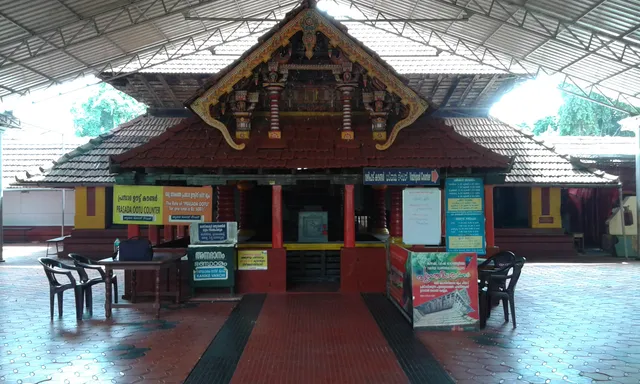
Read more5/5 Stars - A Serene Spiritual Oasis: Madayikavu Temple
I recently visited the Madayikavu Temple and was thoroughly enchanted by its tranquility and spiritual essence. Here's why:
Highlights:
Breathtaking Architecture: The temple's ancient design and intricate carvings transport you to a bygone era. Peaceful Ambiance: The serene surroundings and calming atmosphere make it an ideal spot for introspection. Warm Hospitality: The priests and staff welcomed me with open arms, sharing stories and significance of the temple. Rich History: The temple's legends and myths are fascinating, offering a glimpse into Kerala's cultural heritage. Nature's Bliss: The surrounding gardens and coconut groves add to the temple's natural beauty.
Standout Features:
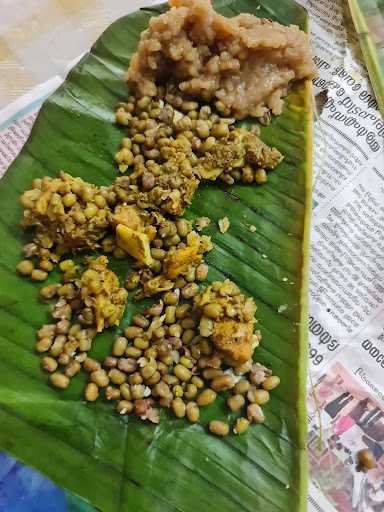
Beautifully maintained premises Vibrant festivals and celebrations Delicious prasad (offering) distribution Ample parking and facilities
Rating Breakdown:
Ambiance: 5/5 Hospitality: 5/5 Historical Significance: 5/5 Cleanliness: 5/5 Overall Experience: 5/5
Recommendations:
Attend the morning or evening puja (prayer) for an immersive experience. Explore the surrounding village for local cuisine and handicrafts. Dress modestly and remove shoes before entering the temple.
Madayikavu Temple is a must-visit destination for those seeking spiritual rejuvenation, cultural enrichment, or simply a peaceful retreat. I look forward to returning to this enchanting sanctuary.
Tips for Visitors:
Best time to visit: Early morning or late evening Dress code: Traditional or modest attire Photography: Allowed outside the temple premises Donations: Welcome, but not mandatory
Location:...
Read more