HTML SitemapExplore

Ancient Hoysala Shri Rameshwara Temple - Koodli — Attraction in Karnataka

Name
Ancient Hoysala Shri Rameshwara Temple - Koodli
Description
Nearby attractions
Tunga bhadra sangama Kudli
2M4F+CM4, Kudli, Karnataka 577227, India
Nearby restaurants
Nearby local services
Nearby hotels
Related posts
Keywords
Ancient Hoysala Shri Rameshwara Temple - Koodli tourism.Ancient Hoysala Shri Rameshwara Temple - Koodli hotels.Ancient Hoysala Shri Rameshwara Temple - Koodli bed and breakfast. flights to Ancient Hoysala Shri Rameshwara Temple - Koodli.Ancient Hoysala Shri Rameshwara Temple - Koodli attractions.Ancient Hoysala Shri Rameshwara Temple - Koodli restaurants.Ancient Hoysala Shri Rameshwara Temple - Koodli local services.Ancient Hoysala Shri Rameshwara Temple - Koodli travel.Ancient Hoysala Shri Rameshwara Temple - Koodli travel guide.Ancient Hoysala Shri Rameshwara Temple - Koodli travel blog.Ancient Hoysala Shri Rameshwara Temple - Koodli pictures.Ancient Hoysala Shri Rameshwara Temple - Koodli photos.Ancient Hoysala Shri Rameshwara Temple - Koodli travel tips.Ancient Hoysala Shri Rameshwara Temple - Koodli maps.Ancient Hoysala Shri Rameshwara Temple - Koodli things to do.
Ancient Hoysala Shri Rameshwara Temple - Koodli things to do, attractions, restaurants, events info and trip planning
Ancient Hoysala Shri Rameshwara Temple - Koodli
IndiaKarnatakaAncient Hoysala Shri Rameshwara Temple - Koodli

Basic Info

Ancient Hoysala Shri Rameshwara Temple - Koodli

2M4F+RR4, Kudli, Karnataka 577227, India
4.5(126)
Open 24 hours
Save
spot

Ratings & Description

Info

Cultural
Family friendly
Accessibility
attractions: Tunga bhadra sangama Kudli, restaurants: , local businesses:
logoLearn more insights from Wanderboat AI.

Plan your stay

hotel
Pet-friendly Hotels in Karnataka
Find a cozy hotel nearby and make it a full experience.
hotel
Affordable Hotels in Karnataka
Find a cozy hotel nearby and make it a full experience.
hotel
The Coolest Hotels You Haven't Heard Of (Yet)
Find a cozy hotel nearby and make it a full experience.
hotel
Trending Stays Worth the Hype in Karnataka
Find a cozy hotel nearby and make it a full experience.

Reviews

Nearby attractions of Ancient Hoysala Shri Rameshwara Temple - Koodli

Tunga bhadra sangama Kudli

Tunga bhadra sangama Kudli

Tunga bhadra sangama Kudli

4.5

(189)

Open 24 hours
Click for details
Get the Appoverlay
Get the AppOne tap to find yournext favorite spots!
Wanderboat LogoWanderboat

Your everyday Al companion for getaway ideas

CompanyAbout Us
InformationAI Trip PlannerSitemap
SocialXInstagramTiktokLinkedin
LegalTerms of ServicePrivacy Policy

Get the app

© 2025 Wanderboat. All rights reserved.

Reviews of Ancient Hoysala Shri Rameshwara Temple - Koodli

4.5
(126)
avatar
5.0
8y

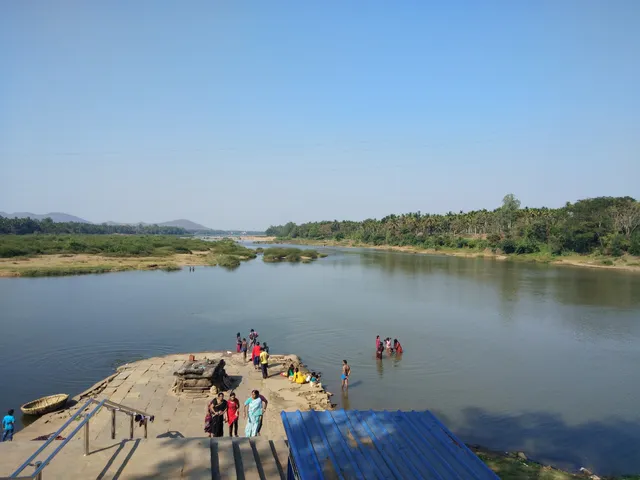
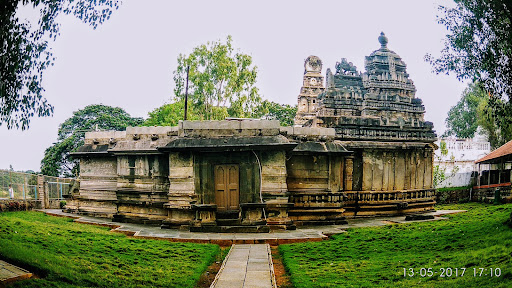
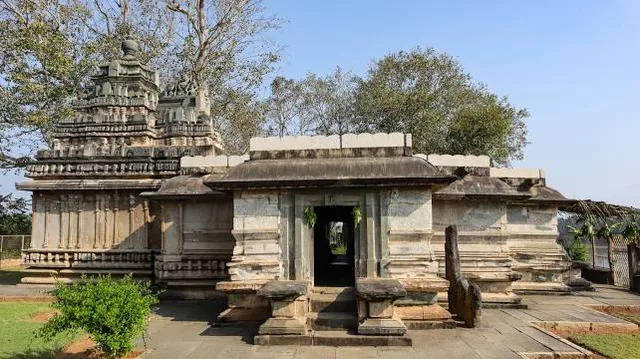
one of the beautiful Temple located at the bank of Tungabhadra Sangama The Rameshvara temple at Koodli (also spelt "Rameshwara" or "Ramesvara", Koodli is also spelt "Kudli" or "Kudali" and literally means "confluence") in the Shimoga district of Karnataka state is a Hoysala construction of the non-ornate variety and is dated to the 12th century. Koodli is a town of great antiquity and is located about 9 km north-east of Shimoga city, the district headquarters. The town gets its name because it is situated at the confluence of the Tunga and Bhadra tributaries that form the Tungabhadra river. According to art historian Adam Hardy, the temple is a single vimana (shrine and superstructure) with an open mantapa (hall) built with Soap stone.The temple is protected as a monument of national importance by the Archaeological Survey of India. Archaeological surveys have unearthed tools and other artifacts which indicate that the region in the vicinity of Koodli (and along the nearby banks of the Tunga and Bhadra rivers) had been under habitation during the Paleolithic, the Neolithic and the Megalithic periods. Written epigraphs such as the Malavalli pillar inscription is available from the period of the Chutu dynasty, a 2nd-century AD vassal of the Shatavahana empire. They were succeeded by the Kadambas of Banavasi in the 4th century, and the Chalukyas of Badami in the 6th century. The Rashtrakutas and the Kalyani Chalukyas gained power in the region in the succeeding centuries. The Hoysala empire made their presence felt in the region from about the 11th century AD. They were followed by the 14th-century Vijayanagara Empire. In the 16th century, the Keladi Nayaka, a Vijayanagara vassal gained independence after the fall of the empire. The shrine is an ekakuta construction (single shrine and tower).The material used is Soap stone, a standard in Hoysala constructions.It is built on an east-west axial plan and comprises a sanctum (garbhagriha) which has a vesara style superstructure (Shikhara), and a vestibule (sukanasi) that connects the closed hall (mantapa) to the sanctum. The vestibule also exhibits a tower which from the outside looks like a low protrusion of the main tower over the shrine. Art historian Gerard Foekema calls it the "nose" of the main tower.

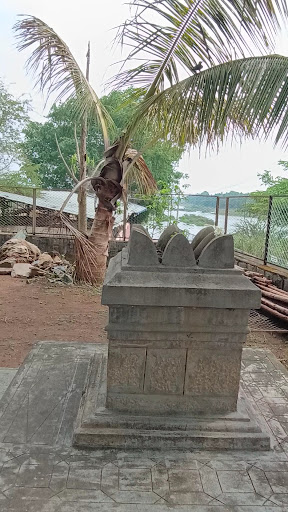
The entrance to the hall is via three porches; at the north, south and east, each of which is supported by four lathe turned polished pillars, a standard feature in Hoysala temples according to art historian Percy Brown.Inside the temple and facing the sanctum is a platform on which is mounted an sculptured image of Nandi the bull (a companion to the god Shiva). The sanctum houses a linga, the universal symbol of the god Shiva.

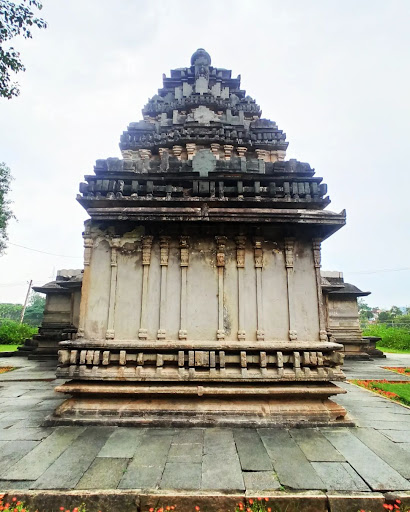
The platform on which the temple stands, the jagati, comprises five plain moldings (without friezes). The outer walls of the shrine are plain but for regularly spaced slender pilasters. The tower of the shrine has an finial called the kalasha (decorative water-pot like structure). Below the finial is a heavy dome like structure. This is the largest sculptural piece in the temple with a ground surface area of about 2x2 meters and is called the "helmet" or amalaka. Its shape usually follows that of the shrine (square or star shape). Below the dome the tower comprises three tiers, each descending tier increasing in height.On the protruding tower of the vestibule is the royal Hoysala emblem; a warrior...

   Read more

avatar
3.0
7y

A beautiful place with geographical and mythological importance. However, the local authorities should take strict measures to educate people about keeping the premises clean. As the place is visited by many devotees and travelers, and not at all maintained by the authorities, we can see way too much plastic, paper and cloth wastes around the river bank. The area of water available for tourists reach, near the temple, will always be completely polluted due to the traveling visitors washing clothes and utensils. During my visit, I did not see any people from local authority or any educative boards in and around the location educating and instructing people to avoid spoiling the water and throwing the wastage in the river and thereby contaminating the water...

   Read more
avatar
5.0
45w

The Rameshwaram Temple at Kudli is a 12th-century Shiva temple built in the early Hoysala architectural style.

It holds historical and mythological significance as it is believed that Lord Rama installed a Shiva Linga here to atone for killing Vali, following Sage Vashishta's advice.

Situated at the confluence of the Tunga and Bhadra rivers, Kudli is often referred to as Dakshina Kashi and is dotted with ancient temples. The temple's simple yet elegant design features a single shrine (ekakuta), polished pillars, and a magnificent Nandi statue facing the sanctum.

I was drawn to its serene riverside location, rich history, and...

   Read more
Page 1 of 7
Previous
Next

Posts

Natraj KVNatraj KV
one of the beautiful Temple located at the bank of Tungabhadra Sangama The Rameshvara temple at Koodli (also spelt "Rameshwara" or "Ramesvara", Koodli is also spelt "Kudli" or "Kudali" and literally means "confluence") in the Shimoga district of Karnataka state is a Hoysala construction of the non-ornate variety and is dated to the 12th century. Koodli is a town of great antiquity and is located about 9 km north-east of Shimoga city, the district headquarters. The town gets its name because it is situated at the confluence of the Tunga and Bhadra tributaries that form the Tungabhadra river. According to art historian Adam Hardy, the temple is a single vimana (shrine and superstructure) with an open mantapa (hall) built with Soap stone.The temple is protected as a monument of national importance by the Archaeological Survey of India. Archaeological surveys have unearthed tools and other artifacts which indicate that the region in the vicinity of Koodli (and along the nearby banks of the Tunga and Bhadra rivers) had been under habitation during the Paleolithic, the Neolithic and the Megalithic periods. Written epigraphs such as the Malavalli pillar inscription is available from the period of the Chutu dynasty, a 2nd-century AD vassal of the Shatavahana empire. They were succeeded by the Kadambas of Banavasi in the 4th century, and the Chalukyas of Badami in the 6th century. The Rashtrakutas and the Kalyani Chalukyas gained power in the region in the succeeding centuries. The Hoysala empire made their presence felt in the region from about the 11th century AD. They were followed by the 14th-century Vijayanagara Empire. In the 16th century, the Keladi Nayaka, a Vijayanagara vassal gained independence after the fall of the empire. The shrine is an ekakuta construction (single shrine and tower).The material used is Soap stone, a standard in Hoysala constructions.It is built on an east-west axial plan and comprises a sanctum (garbhagriha) which has a vesara style superstructure (Shikhara), and a vestibule (sukanasi) that connects the closed hall (mantapa) to the sanctum. The vestibule also exhibits a tower which from the outside looks like a low protrusion of the main tower over the shrine. Art historian Gerard Foekema calls it the "nose" of the main tower. The entrance to the hall is via three porches; at the north, south and east, each of which is supported by four lathe turned polished pillars, a standard feature in Hoysala temples according to art historian Percy Brown.Inside the temple and facing the sanctum is a platform on which is mounted an sculptured image of Nandi the bull (a companion to the god Shiva). The sanctum houses a linga, the universal symbol of the god Shiva. The platform on which the temple stands, the jagati, comprises five plain moldings (without friezes). The outer walls of the shrine are plain but for regularly spaced slender pilasters. The tower of the shrine has an finial called the kalasha (decorative water-pot like structure). Below the finial is a heavy dome like structure. This is the largest sculptural piece in the temple with a ground surface area of about 2x2 meters and is called the "helmet" or amalaka. Its shape usually follows that of the shrine (square or star shape). Below the dome the tower comprises three tiers, each descending tier increasing in height.On the protruding tower of the vestibule is the royal Hoysala emblem; a warrior stabbing a lion.
lalit sonawanelalit sonawane
Shri Rameshwara Temple, Kudli The ancient Shri Rameshwara Temple in Kudli is a beautiful example of Hoysala architecture, situated at the confluence of the Tunga and Bhadra rivers. This serene temple is dedicated to Lord Shiva and features intricate carvings, ornate pillars, and a peaceful atmosphere. It serves as a place of spiritual significance, attracting devotees and tourists alike. Visitors can enjoy the serene riverside surroundings and witness traditional rituals performed by the temple priests. A must-visit spot for those interested in history, architecture, and spirituality.
Naga RajNaga Raj
*Temple History* Built in the 13th century by the time of Hoysala king Someshwara. Hoysala style 18 pillar is there ( 4 pillars In The Middle). Very nice temple. When I visited time no one was inside the temple even though poojari was not. They only come in the morning only. And very well maintained in the temple and outside also. And please some of Veera gallu Outside the temple please put them inside otherwise they have been demolished by nature or peoples.
See more posts
See more posts
hotel
Find your stay

Pet-friendly Hotels in Karnataka

Find a cozy hotel nearby and make it a full experience.

one of the beautiful Temple located at the bank of Tungabhadra Sangama The Rameshvara temple at Koodli (also spelt "Rameshwara" or "Ramesvara", Koodli is also spelt "Kudli" or "Kudali" and literally means "confluence") in the Shimoga district of Karnataka state is a Hoysala construction of the non-ornate variety and is dated to the 12th century. Koodli is a town of great antiquity and is located about 9 km north-east of Shimoga city, the district headquarters. The town gets its name because it is situated at the confluence of the Tunga and Bhadra tributaries that form the Tungabhadra river. According to art historian Adam Hardy, the temple is a single vimana (shrine and superstructure) with an open mantapa (hall) built with Soap stone.The temple is protected as a monument of national importance by the Archaeological Survey of India. Archaeological surveys have unearthed tools and other artifacts which indicate that the region in the vicinity of Koodli (and along the nearby banks of the Tunga and Bhadra rivers) had been under habitation during the Paleolithic, the Neolithic and the Megalithic periods. Written epigraphs such as the Malavalli pillar inscription is available from the period of the Chutu dynasty, a 2nd-century AD vassal of the Shatavahana empire. They were succeeded by the Kadambas of Banavasi in the 4th century, and the Chalukyas of Badami in the 6th century. The Rashtrakutas and the Kalyani Chalukyas gained power in the region in the succeeding centuries. The Hoysala empire made their presence felt in the region from about the 11th century AD. They were followed by the 14th-century Vijayanagara Empire. In the 16th century, the Keladi Nayaka, a Vijayanagara vassal gained independence after the fall of the empire. The shrine is an ekakuta construction (single shrine and tower).The material used is Soap stone, a standard in Hoysala constructions.It is built on an east-west axial plan and comprises a sanctum (garbhagriha) which has a vesara style superstructure (Shikhara), and a vestibule (sukanasi) that connects the closed hall (mantapa) to the sanctum. The vestibule also exhibits a tower which from the outside looks like a low protrusion of the main tower over the shrine. Art historian Gerard Foekema calls it the "nose" of the main tower. The entrance to the hall is via three porches; at the north, south and east, each of which is supported by four lathe turned polished pillars, a standard feature in Hoysala temples according to art historian Percy Brown.Inside the temple and facing the sanctum is a platform on which is mounted an sculptured image of Nandi the bull (a companion to the god Shiva). The sanctum houses a linga, the universal symbol of the god Shiva. The platform on which the temple stands, the jagati, comprises five plain moldings (without friezes). The outer walls of the shrine are plain but for regularly spaced slender pilasters. The tower of the shrine has an finial called the kalasha (decorative water-pot like structure). Below the finial is a heavy dome like structure. This is the largest sculptural piece in the temple with a ground surface area of about 2x2 meters and is called the "helmet" or amalaka. Its shape usually follows that of the shrine (square or star shape). Below the dome the tower comprises three tiers, each descending tier increasing in height.On the protruding tower of the vestibule is the royal Hoysala emblem; a warrior stabbing a lion.
Natraj KV

Natraj KV

hotel
Find your stay

Affordable Hotels in Karnataka

Find a cozy hotel nearby and make it a full experience.

Get the Appoverlay
Get the AppOne tap to find yournext favorite spots!
Shri Rameshwara Temple, Kudli The ancient Shri Rameshwara Temple in Kudli is a beautiful example of Hoysala architecture, situated at the confluence of the Tunga and Bhadra rivers. This serene temple is dedicated to Lord Shiva and features intricate carvings, ornate pillars, and a peaceful atmosphere. It serves as a place of spiritual significance, attracting devotees and tourists alike. Visitors can enjoy the serene riverside surroundings and witness traditional rituals performed by the temple priests. A must-visit spot for those interested in history, architecture, and spirituality.
lalit sonawane

lalit sonawane

hotel
Find your stay

The Coolest Hotels You Haven't Heard Of (Yet)

Find a cozy hotel nearby and make it a full experience.

hotel
Find your stay

Trending Stays Worth the Hype in Karnataka

Find a cozy hotel nearby and make it a full experience.

*Temple History* Built in the 13th century by the time of Hoysala king Someshwara. Hoysala style 18 pillar is there ( 4 pillars In The Middle). Very nice temple. When I visited time no one was inside the temple even though poojari was not. They only come in the morning only. And very well maintained in the temple and outside also. And please some of Veera gallu Outside the temple please put them inside otherwise they have been demolished by nature or peoples.
Naga Raj

Naga Raj

See more posts
See more posts