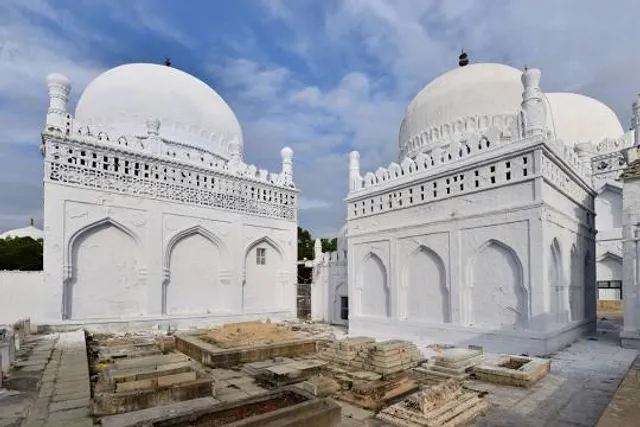
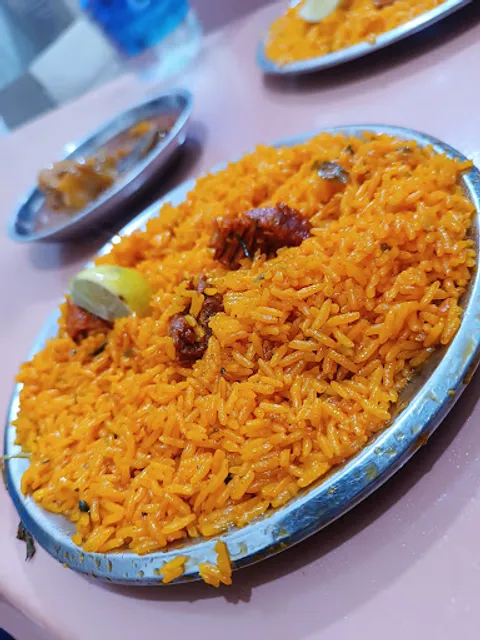
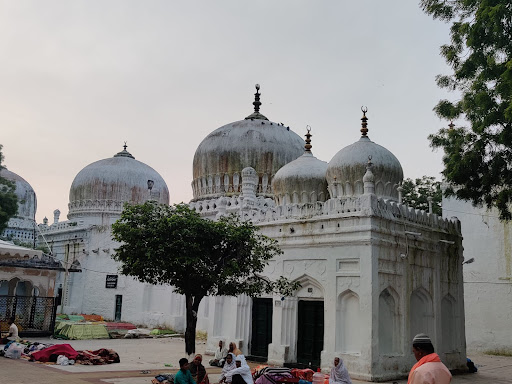
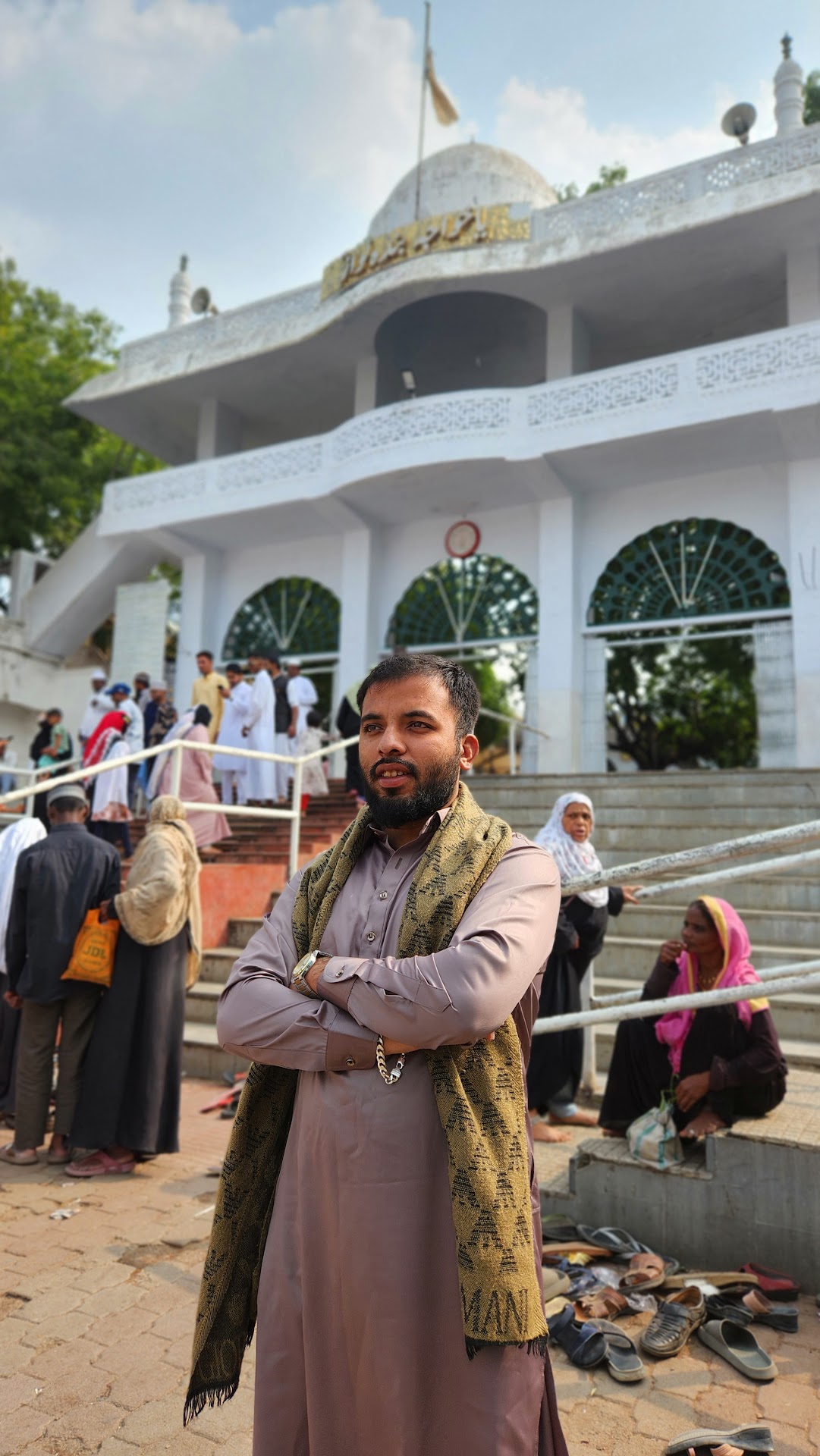
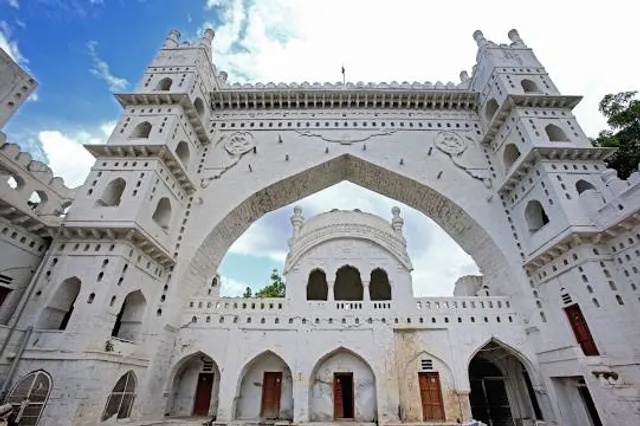
The Khwaja Bande Nawaz Dargah is a remarkable example of the coming together of many different faiths. Here lies the great Sufi saint, Khwaja Bande Nawaz. In this mausoleum, one of Gulbarga's most popular tourist destinations, you'll find a massive library stocked with over 10,000 books written. Overview Similar Places The Khwaja Bande Nawaz Dargah is a remarkable example of the coming together of many different faiths. Here lies the great Sufi saint, Khwaja Bande Nawaz. In this mausoleum, one of Gulbarga's most popular tourist destinations, you'll find a massive library stocked with over 10,000 books written. Suggested Duration 1 to 2 hours What to expect? The tomb's central dome and the surrounding towers show off the building's Persian, Indo-Saracenic, and Arabic elements. It is said that the neem tree planted at the saint's daughter's tomb also has curative properties. Tips Do not cause any commotion here. Pay respect to the rites and rituals of the place. Similar Places Koranti Hanuman Temple Spiritual place of worship Haft Gumbaz Home to a number of tombs Jama Masjid Near Gulbarga Muslim place of worship Chandrampalli Dam Technology amid nature Sharana Basaveshwara Temple Sacred Hindu shrine Buddha Vihar Peaceful tourist attraction Gulbarga Fort Ancient fort with incredible architecture Top banner images Khwaja Bande Nawaz Dargah, Gulbarga Overview! Khwaja Bande Nawaz Dargah is a significant Sufi shrine located in Gulbarga, Karnataka. It is the tomb of the revered Sufi saint, Khwaja Syed Mohammad Gesu Daraz, also known as Khwaja Bande Nawaz. The Dargah is a symbol of religious harmony, attracting devotees from all faiths. Khwaja Bande Nawaz Dargah is known for Its spiritual tranquillity and the beautiful blend of Indo-Saracenic architecture. Timings 6:00 AM to 10:00 PM Entry Fee Free Tips & Restrictions Dress modestly and maintain silence within the Dargah premises. Facilities Drinking water, washrooms, and shoe storage. Require Time 1-2 hours Best time to Visit The Dargah is open throughout the year, but the best time to visit is during the annual Urs festival, which is celebrated with great fervour. More About Khwaja Bande Nawaz Dargah The Dargah is a place of spiritual solace, where devotees come to seek blessings and peace. The main tomb is surrounded by several smaller tombs of various family members of the saint. The Dargah also houses a library with a vast collection of nearly 10,000 books on various subjects. How to Reach Gulbargais well connected by road and rail to all major cities in Karnataka. The nearest railway station is Gulbarga railway station, and the nearest airport is Rajiv Gandhi International Airport, Hyderabad. How to Start If you're planning to visit the Dargah, it's best to start early in the morning to avoid the crowds. From Gulbarga city, it's a short drive to the Dargah. The Origin Points to Start The most convenient starting point for a visit to the Khwaja Bande Nawaz Dargah is Gulbarga city, given its proximity and excellent connectivity to the Dargah. Khwaja Bande Nawaz Dargah Services Regular prayers and rituals are conducted. Nearby Tourist Spots Nearby tourist spots include Gulbarga Fort, Jama Masjid, and Buddha Vihar. Restaurants and Local Food Gulbarga is famous for its local Deccan cuisine. There are several eateries around the Dargah where you can enjoy delicious meals.
FAQs - Frequently Asked Questions about Khwaja Bande Nawaz Dargah How to explore a place by yourself?
"Adventure is out there!" - You just need to know the 'whats' and the 'hows' of it. You need to realize the things that will make exploring a place completely worthwhile and satisfy all of your travel cravings. This can be achieved by - Taking Yourself Out To Eat At A Restaurant Learn The Public Transportation Routes Check Out A Local Planetarium Or Observatory Take A Drive To The Nearest Coastal Town Or National Park Join A Group Of Tourists On A Sightseeing Tour Take Pictures At A Botanical Garden Go Shopping At A Local Farmers Market How to choose a destination...
Read moreRelaxing and soothing!!!
Hazrat Khwaja Banda Nawaz Gesu Daraz (R.A) (name at birth: Syed Muhammad Hussaini) (July 13, 1321 -November 1, 1422), was a famous Sufi saint from India of Chishti Order, who advocated understanding, tolerance and harmony among various religious groups.
Gisu Daraz was a murid (disciple) of the noted Sufi saint of Delhi, Hazrat Nasiruddin Chiragh Dehlavi, who in turn was a disciple of Nizamuddin Auliya, the spiritual master of Delhi. After the death of his master, Chiragh Dehlavi, Gisu Daraz took on the mantle of the successor (khalifa). Thus later on when he moved to Daulatabad around 1398, owing to the attack of Timur on Delhi, he took the Chishti Order to South India. He finally settled down in Gulbarga, at the invitation of Bahamani King, ‘Taj ud-Din Firuz Shah’ (r. 1397-1422).
Biography He was born Syed Mohammed Hussaini in Delhi in 1321. At the age of four, his family shifted to Daulatabad in Deccan (Now in Maharashtra). In 1397, he went to Gulbarga, Deccan (Presently in Karnataka) at the invitation of Sultan Taj ud-Din Firuz Shah of the Bahmani Sultanate. Bande Nawaz authored about 195 books in Arabic, Persian and Urdu languages .
At the age of fifteen, he returned to Delhi for his education and training by the famous Sufi saint Hazrat Nasiruddin Chiragh Dehlavi, who bestowed him with his Khilafath and succession after about fifteen years. He was also a very enthusiastic student of Hazrat Kethli, Hazrat Tajuddin Bahadur and Qazi Abdul Muqtadir. After teaching at various places such as Delhi, Mewath, Gwalior, Chander, Aircha, Chatra, Chanderi, Miandhar, Baroda and Khambayat, he returned to teach at his base, Gulbarga, in 1397 and died in Gulbarga in the year November 1422.
Works His magnum opus, Tafseer Multaqat in Arabic, was compiled into one book very recently. It is unfortunate, however, that most people even within Gulbarga are unaware of this work. Little has been done to publish this and his other works on a large scale. Other books authored are: Avarif-ul-Ma`arif, Fasoos-al-Hukm, Qaseeda Amali, and Adaab-al-Mureedein.
Urs People from various walks of life, irrespective of caste and creed, assemble even today to celebrate the urs – death anniversary – (which takes place on the 15th day of Zul-Qa`dah of Muslim calendar at the famous Bande Nawaz Dargah in Gulbarga every year. His descendents still live in Gulbarga. Almost all family members along with several hundred thousand devotees from near and far irrespective of religion and beliefs gather to seek blessings.
The present head of the family amongst his descendents is Syed Shah Khusro Hussaini, who has written many books about his...
Read moreMust visit place in Gulbarga
Hazrat Khwaja Banda Nawaz Gesu Daraz (name at birth: Syed Muhammad Hussaini) (July 13, 1321 -November 1, 1422), was a famous Sufi saint from India of Chishti Order, who advocated understanding, tolerance and harmony among various religious groups.
Gisu Daraz was a murid (disciple) of the noted Sufi saint of Delhi, Hazrat Nasiruddin Chiragh Dehlavi, who in turn was a disciple of Nizamuddin Auliya, the spiritual master of Delhi. After the death of his master, Chiragh Dehlavi, Gisu Daraz took on the mantle of the successor (khalifa). Thus later on when he moved to Daulatabad around 1398, owing to the attack of Timur on Delhi, he took the Chishti Order to South India. He finally settled down in Gulbarga, at the invitation of Bahamani King, 'Taj ud-Din Firuz Shah' (r. 1397-1422).
Biography He was born Syed Mohammed Hussaini in Delhi in 1321. At the age of four, his family shifted to Daulatabad in Deccan (Now in Maharashtra). In 1397, he went to Gulbarga, Deccan (Presently in Karnataka) at the invitation of Sultan Taj ud-Din Firuz Shah of the Bahmani Sultanate. Bande Nawaz authored about 195 books in Arabic, Persian and Urdu languages .
At the age of fifteen, he returned to Delhi for his education and training by the famous Sufi saint Hazrat Nasiruddin Chiragh Dehlavi, who bestowed him with his Khilafath and succession after about fifteen years. He was also a very enthusiastic student of Hazrat Kethli, Hazrat Tajuddin Bahadur and Qazi Abdul Muqtadir. After teaching at various places such as Delhi, Mewath, Gwalior, Chander, Aircha, Chatra, Chanderi, Miandhar, Baroda and Khambayat, he returned to teach at his base, Gulbarga, in 1397 and died in Gulbarga in the year November 1422.
Works His magnum opus, Tafseer Multaqat in Arabic, was compiled into one book very recently. It is unfortunate, however, that most people even within Gulbarga are unaware of this work. Little has been done to publish this and his other works on a large scale. Other books authored are: Avarif-ul-Ma`arif, Fasoos-al-Hukm, Qaseeda Amali, and Adaab-al-Mureedein.
Urs People from various walks of life, irrespective of caste and creed, assemble even today to celebrate the urs - death anniversary - (which takes place on the 15th day of Zul-Qa`dah of Muslim calendar at the famous Bande Nawaz Dargah in Gulbarga every year. His descendents still live in Gulbarga. Almost all family members along with several hundred thousand devotees from near and far irrespective of religion and beliefs gather to seek blessings.
The present head of the family amongst his descendents is Syed Shah Khusro Hussaini, who has written many books about his...
Read more