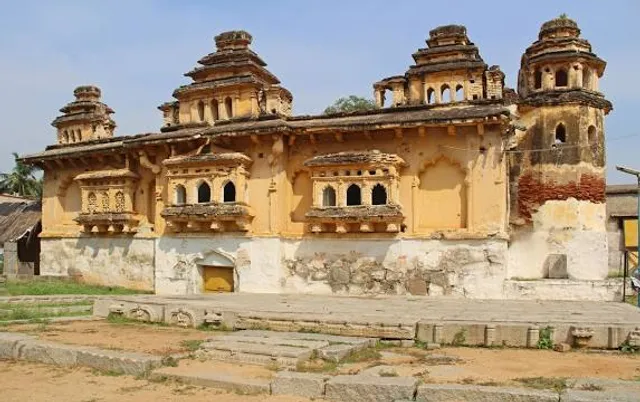
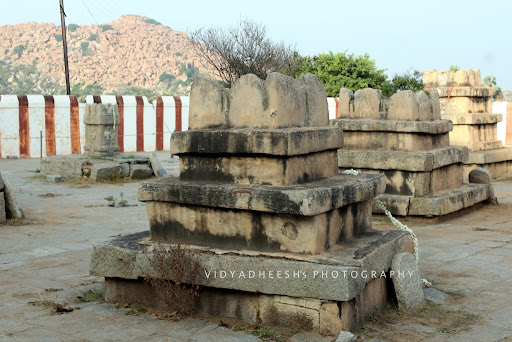
Navabrindavana Tirtha, situated on the serene banks of the Tungabhadra River, is a sacred pilgrimage site that holds religious significance for devotees of the Padmanava Tirtha tradition. This revered location is associated with the samadhis, or tombs, of nine prominent saints, who were gurus of the illustrious Padmanava Tirtha, a well-respected spiritual leader of the Dvaita school of philosophy. These nine gurus, whose spiritual insights and contributions to Vedantic teachings continue to resonate with followers, form a key part of the religious heritage of the region.
The site is known for its tranquil and picturesque surroundings. The presence of the Tungabhadra River adds to the spiritual ambiance, with its sacred waters believed to purify and cleanse the soul. The river flows gently by the banks of Navabrindavana, where devotees come to pay homage to the saints, reflect upon their teachings, and seek spiritual solace. The area is marked by lush greenery, with a sense of timeless calm that enhances its spiritual aura. The atmosphere is ideal for introspection, prayer, and meditation, drawing pilgrims who wish to connect with the divine and with the teachings of the great saints.
The Navabrindavana Tirtha is a simple yet powerful reminder of the spiritual legacy that has been passed down through the ages. The nine tombs, dedicated to the nine disciples of Padmanava Tirtha, are scattered across the site, each one representing the eternal presence of these revered saints. The tombs are situated in a circular formation, which is symbolic of the unity and interconnectedness of the spiritual path. The physical presence of the tombs offers a direct link to the teachings and wisdom of these great minds, creating a powerful connection between the past and the present.
The significance of this pilgrimage site extends beyond its historical and architectural value. Navabrindavana Tirtha is a spiritual destination where devotees come to seek blessings and to immerse themselves in the teachings of the saints. Each of the nine gurus had made invaluable contributions to the understanding and propagation of the Dvaita philosophy, which stresses the duality between the individual soul and the Supreme God. These teachings, steeped in wisdom and insight, continue to inspire and guide devotees who visit the site.
Among the key reasons why Navabrindavana Tirtha draws thousands of pilgrims each year is the profound sense of peace and divinity that pervades the area. The physical space, combined with the strong spiritual energy, makes it a unique place for prayer and reflection. Many devotees come here to perform rituals, seek blessings for prosperity, health, and spiritual enlightenment, or simply to experience a sense of connection with the divine through silent prayer and meditation.
The historical importance of Navabrindavana Tirtha also cannot be overstated. The legacy of Padmanava Tirtha and his disciples plays an integral role in the spiritual landscape of India, especially in the context of the Dvaita tradition. The Dvaita philosophy, which originated in the 13th century through the efforts of the saint Madhvacharya, has influenced many generations of followers and continues to shape the practices and beliefs of those devoted to it. Navabrindavana Tirtha, as the resting place of nine such influential saints, serves as a physical manifestation of this deep philosophical and religious history.
In addition to its religious and historical significance, Navabrindavana Tirtha also plays a key role in the preservation of the cultural heritage of the region. Pilgrims who visit not only come for spiritual reasons but also partake in a cultural experience that involves connecting with the region's rich traditions and customs. The site often serves as a venue for spiritual discourses, devotional music, and cultural events that celebrate the teachings of the saints and the traditions of the Padmanava...
Read more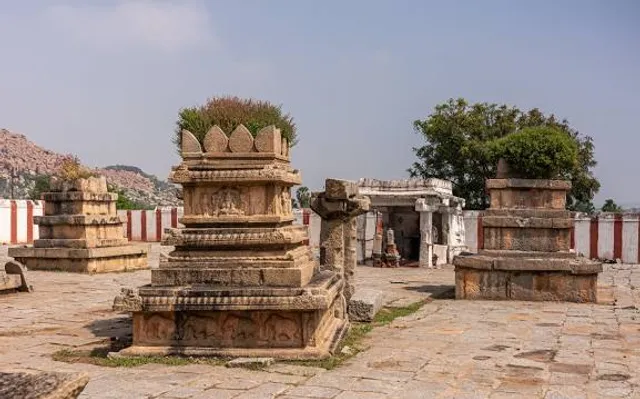
 Learn more insights from Wanderboat AI.