Part 1 of 2
The histroy says that saint came to ullal around 500 year ago from the holy city of madina in Saudi arebia by floating across the sea on piece of chader or musalla. He camped at a small masjid in melangadi area, which is the present juma masjid for ullal,permannur, someshwar kotekar and jeppinamogeru villages. The Saint led a very pious and simple life. His simplicity and devotion of faith, love towords the poor attracted villagers. The villagers were poring towards in because he used to solve their problems through his prayers and spiritual powers. Hearing of his miraculous healing people irrespective of caste and creed flocked to ullal have a glimpse and blessing of the saint. Later on the saint married a girl from a poor and respectable family.
This family used to reside in a tenanted land. The saint gave him a glass of water. On drinking it, the land lord was relieved of his pain. To show his gratitude he gave the tenanted land to the saint. The descendant of the saint are still in the enjoyment of the land. The saint’s name is associated with several such miracles. Out of many a few are given here below. One day when the saint was performing his ablution (Wazhu) in a tank of the nearby masjid at Alekala locality
He suddenly started throughing water upwards toward western side. He was found throughing the water high above him. People who were the Wuzu near him were surprised. Later they asked the saint why he did so? The saint replied that he was trying to extinguish the fire that was broken out at makka masjid (Haram Shareef). It was later confirmed by the pilgrims who had been to makka that there had indeed been a fire in a corner of the Masjid at Makka and a sudden showers had extinguished it.
On Another occasion it appears that vessel bound for Mangalore from Arabia lost a bag containing valuables in the sea. In spite captains best effort they could not locate the bag. Finally on the advice of locals of Mangalore the captains of the vessel approached the saint for help. The saint asked him to come on the following day. When he did, the saint lifted the bag the bag from his backside in fact and handle it over to the captain. There was water tripping out from bag as if the saint was just lifted from sea bed. The saint never saved anything for his future. When he was bed ridden his wife wept bitterly and asked him how
she would cope after his death? The saint consoled her and told her that she would find a rupee coin beneath her pillow every day. That is exactly happened after the death of the saint. As like any other women the widow instead of spending the entire money saved half of a rupee. To her surprise, the next day on words she started finding only half a rupee her pillow. Realizing her folly, she began spending the whole amount without saving anything till her death. When the saint died a tomb was erected over his gave which is the present day darga. Even today miracle continued to take place there dumb person who used to visit the darga regularly fell down without any reason. As and when the person regained his conscience, to his surprise he had his speech fully restored.
A month long uroos celebration held once in 5 years attracts huge crowds. Once during the period of uroos a person commited theft. After a while he suffered severe stomach pain. Immediately doctors were summoned but in vaim. Finally the man admitted his fault and sought the pardon at the darga of the saint. After that he was re leaved of his pain.
On another occasion of the uroos, catholic painter by name albert who was doing the painting work at the darga made a vow for the return of two gold necklaces that he has lost 2 years earlier, if he receives back he would offer certain offering at darga shareef. The next day he found the same ornaments wearing by women at Mangalore. Thus he was able to recover them. True to his word full filled his vow...
Read moreThe mosque I recently visited provided a serene and spiritually uplifting environment for worshipers and visitors. Here's an overview of my experience:
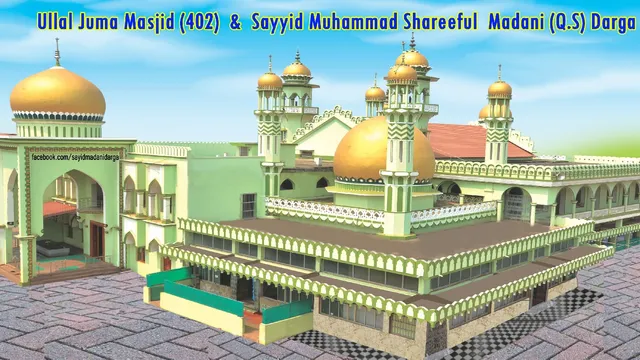
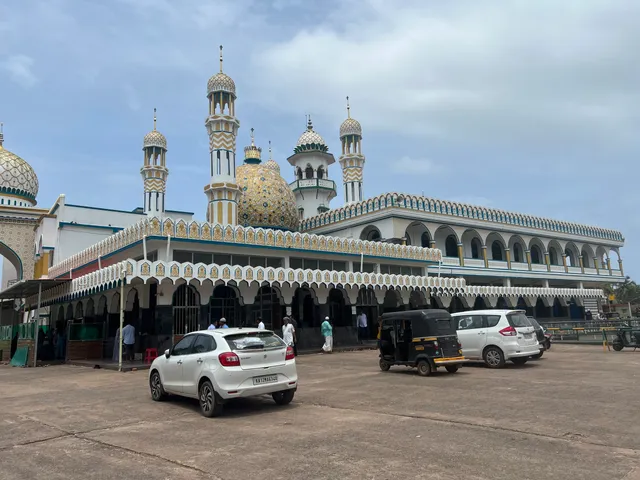
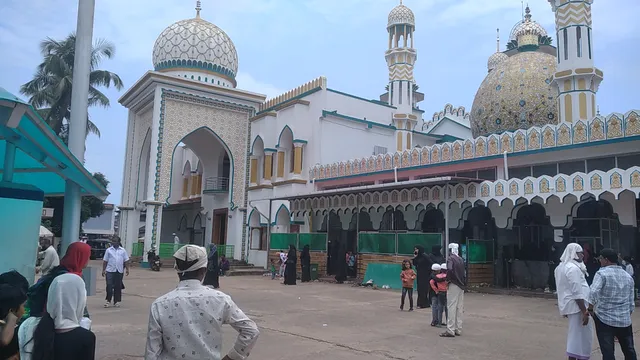
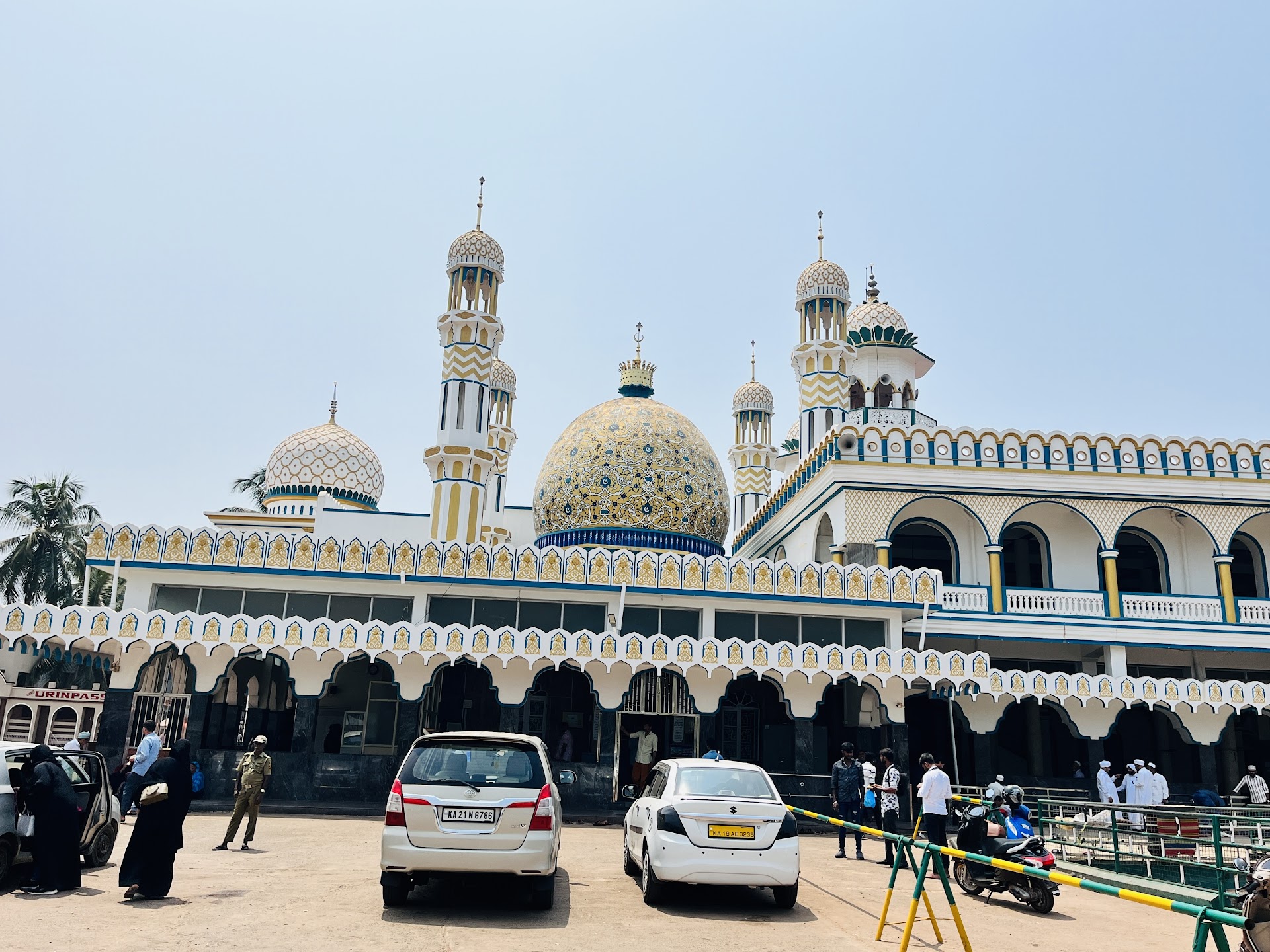
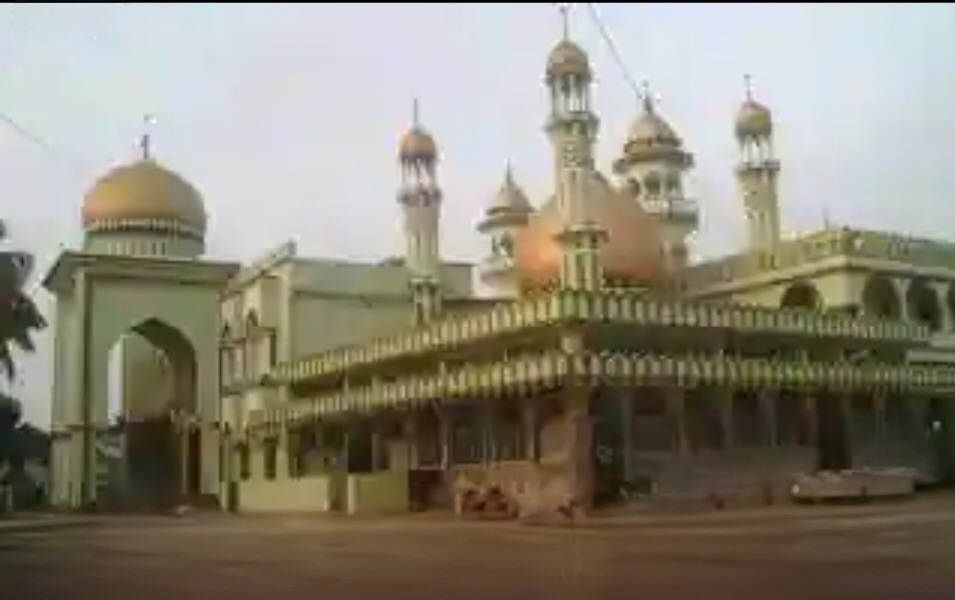
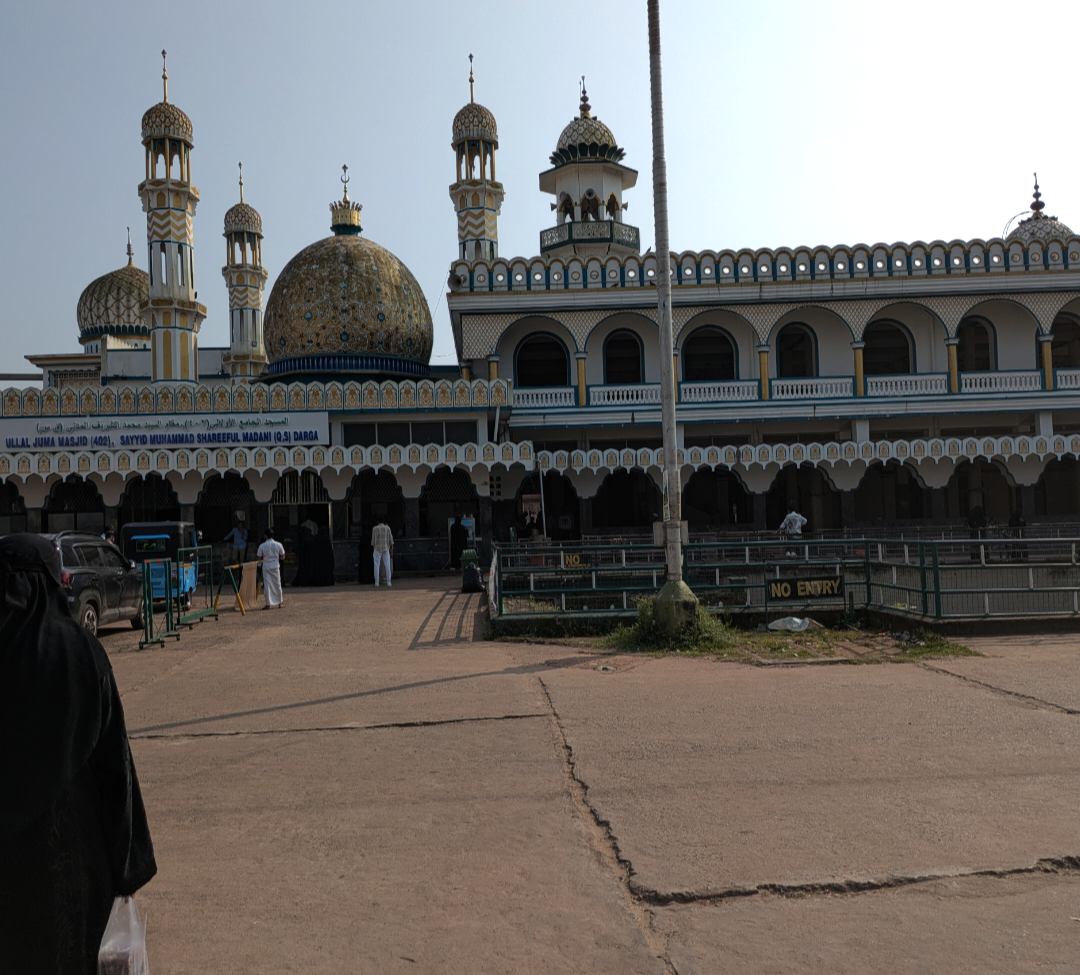
One of the most notable aspects of the mosque was its architectural beauty and peaceful ambiance. The mosque's design, with its intricate details, graceful arches, and domes, created a visually captivating space that instilled a sense of awe and reverence. The architecture often reflected the rich cultural heritage and architectural styles associated with Islamic traditions.
The mosque offered a clean and well-maintained environment, which enhanced the overall experience for worshipers. The regular upkeep and cleanliness demonstrated a commitment to providing a hygienic and inviting space for prayer and contemplation. The absence of clutter and the presence of organized facilities added to the sense of tranquility.
Moreover, the mosque's welcoming atmosphere and inclusive nature were commendable. It embraced visitors from all backgrounds and offered a warm reception to those seeking to learn about Islam or engage in interfaith dialogue. The inclusive approach fostered a sense of unity and encouraged a deeper understanding and appreciation of diverse cultures and beliefs.
Additionally, the mosque provided designated prayer areas and facilities that catered to the needs of worshipers. Separate spaces for men and women, ablution (wudu) facilities, and prayer mats were often available, ensuring a comfortable and respectful environment for all attendees. This attention to detail created a seamless experience for worshipers.
Furthermore, the mosque served as a center for community engagement and education. Many mosques offer programs and activities that promote learning, support charitable initiatives, and encourage social cohesion. These efforts contribute to the overall sense of community and create a space where individuals can connect and give back.
In conclusion, the mosque I visited provided a peaceful and spiritually uplifting experience. The architectural beauty, cleanliness, inclusivity, and community-focused initiatives were outstanding. Whether you are a worshiper seeking a place of prayer or someone interested in learning about Islamic culture and traditions, this mosque offers a welcoming and...
Read moreUllal Juma Masjid and Sayed Muhammad Shareeful Madani Dargah, more commonly known as Ullal Darga, stand as prominent spiritual landmarks in Ullal, a coastal town just 9–10 kilometers from Mangalore city.
The place is deeply revered, drawing thousands of pilgrims and visitors from across India, especially during the grand Uroos festival. This festival is a vibrant celebration that unites people of diverse backgrounds in devotion and festivity, earning the Dargah the reputation of being the "Ajmer Dargah of the South."
The Dargah is the final resting place of Saint Sayyid Mohammed Shareeful Madani, a Sufi saint believed to have arrived from Madina in the late 16th century. According to local legend, he reached Ullal by miraculously floating on a piece of cloth.
The saint was known for his compassion, humility, and miraculous powers, and stories of his kindness-such as healing the sick and helping the needy-are still recounted by locals. Many miracles are attributed to him, and his tomb continues to be a place where devotees seek blessings and spiritual solace.
The Mosque and Dargah complex is nestled amidst lush greenery, creating a tranquil and serene atmosphere that encourages reflection and prayer.
The architecture is simple yet exudes an aura of historic significance and spiritual grace.
The site is easily accessible by road, with frequent buses, auto-rickshaws, and taxis connecting it to Mangalore and nearby towns. Proximity to major transport hubs like Mangalore Central Railway Station and Mangalore International Airport makes it convenient for outstation visitors.
Beyond its religious significance, the Ullal Darga Trust actively contributes to the community by running educational institutions, a charitable hospital, and various social empowerment initiatives. The Dargah is not just a place of worship but also a center for community welfare and learning.
Visitors often remark on the peacefulness and inclusivity of the site, noting that people from all faiths are welcomed with warmth and respect. The spiritual ambiance, combined with the historical legacy and ongoing community service, makes Ullal Juma Masjid and Sayed Muhammad Shareeful Madani Dargah a must-visit for anyone seeking a blend of devotion, history, and cultural unity in...
Read more