Eravikulam National Park – A Comprehensive Review
Location: Munnar, Idukki District, Kerala, India Established: 1978 Area: Approximately 97 square kilometers Best Time to Visit: September to February Entry Fee: Indian Citizens – ₹200; Foreign Nationals – ₹400 (may vary seasonally)
Overview
Eravikulam National Park, nestled in the majestic Western Ghats of Kerala, is one of South India’s most treasured ecological and biodiversity hotspots. Renowned for its scenic vistas, rolling grasslands, shola forests, and rich endemic flora and fauna, the park plays a critical role in conservation and eco-tourism.
Biodiversity and Conservation
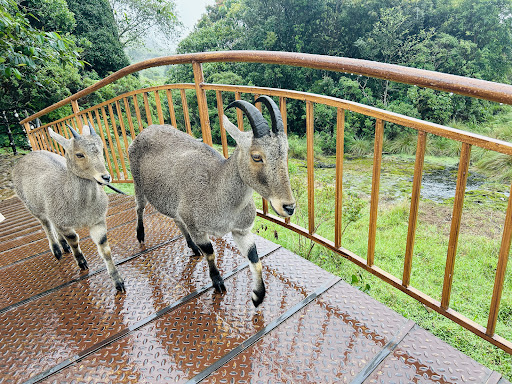
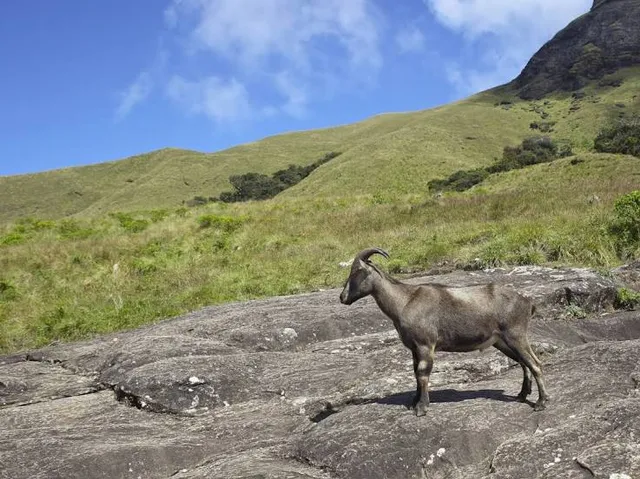
Flora and Fauna: Eravikulam is best known as the natural habitat of the Nilgiri Tahr (Nilgiritragus hylocrius)—a highly endangered mountain goat endemic to the Western Ghats. The park harbors the largest surviving population of this species.
Apart from the Tahr, the park is home to:
Fauna: Indian leopard, sambar deer, ruddy mongoose, Nilgiri langur, dusky striped squirrel, and over 130 species of birds and 100+ species of butterflies.
Flora: Rolling grasslands interspersed with shola forests. During the blooming of the Neelakurinji flower (once every 12 years), the park transforms into a sea of blue—a rare and visually arresting spectacle.
Conservation Efforts: Managed by the Kerala Forest Department, the park emphasizes strict wildlife protection. The core area is restricted to visitors to minimize human interference, while a well-planned buffer zone is developed for eco-tourism.
Visitor Experience
Accessibility and Infrastructure: Located about 13 km from Munnar town, the park is easily accessible via road. The entry point is at Rajamalai, where visitors are shuttled via eco-friendly buses to designated viewpoints.
Facilities:
Well-maintained visitor center with educational displays.
Guided treks and information kiosks.
Clean walkways and basic amenities like washrooms and seating.
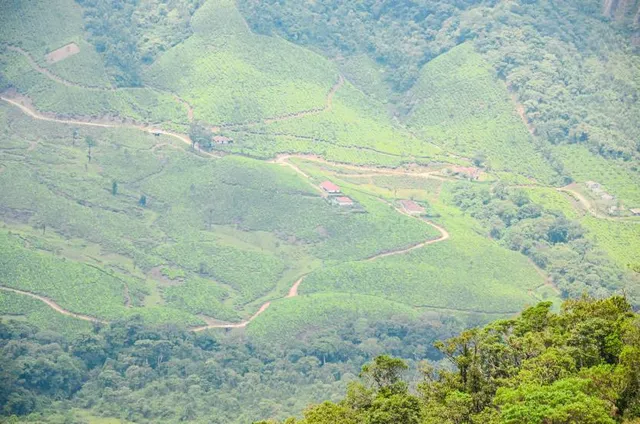
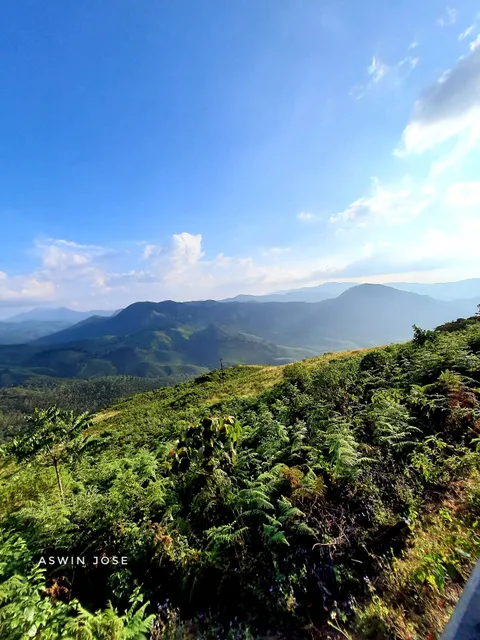
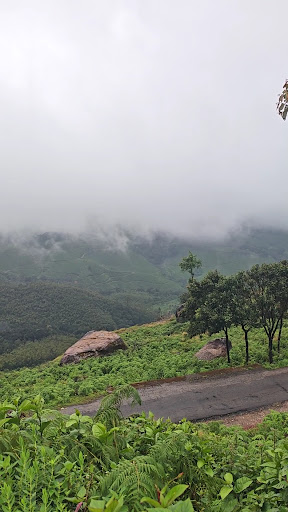
Scenic Beauty: Panoramic views of misty hills, deep valleys, and cascading streams make it a paradise for photographers and nature lovers. The Anamudi Peak, the highest point in South India (2,695 meters), lies within the park, although climbing it is restricted.
Limitations:
Strict entry timings and visitor caps can lead to waiting during peak seasons.
Wildlife sightings, particularly of the Nilgiri Tahr, can depend on the season and weather conditions.
Treks are limited due to conservation policies.
Eco-Tourism and Sustainability
The park has set a benchmark for sustainable tourism in India. By limiting human activity to specific zones and enforcing visitor guidelines, it successfully balances ecological integrity with public interest. The emphasis on education and awareness among visitors is commendable.
Conclusion
Eravikulam National Park is not just a tourist destination but a living symbol of conservation and biodiversity in action. Its ecological importance, well-managed infrastructure, and captivating natural beauty make it a must-visit for eco-conscious travelers, wildlife enthusiasts, and photographers.
Rating: 4.7/5 Recommendation: Ideal for nature lovers, trekkers, wildlife photographers, and families seeking a serene, educational...
Read morePrice per Adult 200 Children 100
8km up and down bus is available 1km need to travel by walk
Eravikulam National Park is a prominent wildlife reserve located in the Idukki district of Kerala, India. It is renowned for its rich biodiversity and is home to the largest population of the endangered Nilgiri tahr. Here are some key points about the park:
Location and Geography: Situated in the Western Ghats, Eravikulam National Park covers an area of about 97 square kilometers. The park's terrain is mountainous, with an average altitude of about 2,000 meters. The highest peak in South India, Anamudi (2,695 meters), is located within the park.
Flora and Fauna: The park is characterized by rolling grasslands and shola forests, a type of high-altitude stunted evergreen forest. Apart from the Nilgiri tahr, the park supports a variety of fauna including leopards, tigers, Indian muntjacs, sambar deer, and more than 140 species of birds. The flora includes several rare and endemic species of plants, making it a significant site for conservation.
Tourism and Activities: Eravikulam National Park is a popular tourist destination, especially known for the "Neelakurinji" flower that blooms once every twelve years, carpeting the hills in blue. The park offers eco-friendly tourism activities such as guided treks and wildlife spotting. The Rajamalai region within the park is accessible to tourists and provides panoramic views of the surrounding landscape.
Conservation Efforts: The park was established to protect the endangered Nilgiri tahr and its habitat. Strict measures are in place to ensure the conservation of wildlife and natural resources. The Kerala Forest Department manages the park and collaborates with various conservation organizations to monitor and protect the biodiversity of the region.
Climate: The climate of Eravikulam is generally cool, with temperatures ranging from 0°C to 25°C. The monsoon season, from June to September, brings heavy rainfall to the area, while the winter months (November to February) are relatively dry and cool.
Visitors to Eravikulam National Park can experience the unique flora and fauna of the Western Ghats and enjoy the serene natural beauty of one of India's most pristine...
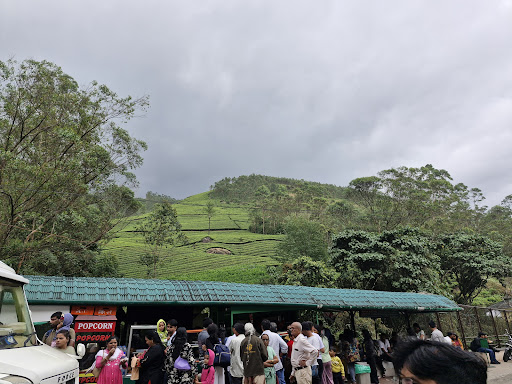
Read moreWe visited Eravikulam National Park in the first week of April 2025 as part of our family holiday. The park is located around 30 minutes' drive from Munnar main town. The road leading to the park is very scenic, passing through lush greenery and tea estates. Once you reach the base of the park, private vehicles are not allowed beyond this point. Visitors can choose to go up either by the public bus service or electric vehicles operated by the Forest Department, which have a seating capacity of five people.
The bus service runs with a decent frequency of about 15–20 minutes, depending on the crowd. The electric vehicle is a good alternative but is quite expensive, costing around INR 7500 for the trip. The ride from the base to the upper bus station takes about 20 minutes, offering breathtaking views of the surrounding tea gardens and hills. However, these buses do not stop for photos or breaks, while the electric vehicles operated by the Forest Department do allow more flexibility, though they are limited in number.
Once at the upper bus point, visitors have to walk approximately 2 km uphill to reach the main viewpoint. This stretch is quite challenging and may not be suitable for elderly people. There is an option to hire another electric vehicle from this point as well, but availability is limited. The walking path is beautiful, surrounded by nature and scenic views, and there are two cafes at the upper station offering snacks like cakes, tea, and coffee, which we found quite good in taste.
We did not spot any Nilgiri Tahr during our visit, but the walk and overall natural beauty of the area made the experience worthwhile. The park spans about 98 square kilometers in total, but only around 5 square kilometers are accessible to the public. The entire visit from the base point to the upper station and then walking to the topmost viewpoint can take around 1 to 1.5 hours.
It's best to plan your visit early in the morning, as you have a better chance of spotting wildlife and avoiding the heavy crowds that start gathering later in the day. There are washrooms available midway, and we found them reasonably clean.
Overall, even though we missed seeing the Nilgiri Tahr, the serene atmosphere and scenic surroundings made it a...
Read more