The estate of Kilimanoor originally belonged to a Pillai ruling chief and was forfeited to Travancore by Maharaja Marthanda Varma. The estate comprising several villages was then handed over to the family of the father of the King who had come south from Parappanad in Malabar around 1718.
In 1705 (ME 880) the son and two daughters of Ittammar Raja of Beypore Thattarikovilakam, a Parappanad royal house, were adopted into the Royal house of Venad. Ittammar Raja's sister and her sons, Rama Varma and Raghava Varma, settled in Kilimanoor and married the now adopted sisters. Marthanda Varma, the founder of the Kingdom of Travancore, was the son of Raghava Varma. The nephew of Raghava Varma, Ravi Varma Koil Thampuran, married the sister of Marthanda Varma. Their son became known as Dharma Raja Kartika Thirunnal Rama Varma.
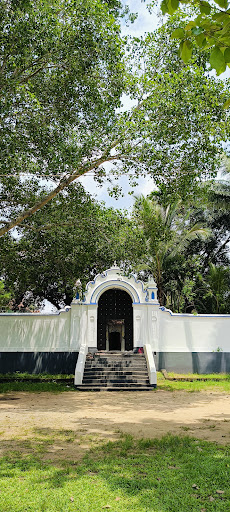
In 1740 when an allied force, led by Dutchman Captain Hockert supporting the Deshinganadu King, attacked Venad, an army from Kilimanoor resisted and then defeated them. Although a small victory, this was the first time an Indian army had defeated a European power. In 1753, in recognition of this feat, Marthanda Varma exempted the areas controlled by the Kilimanoor palace from taxes, and granted them autonomous status. The present palace complex was built at this time, together with the Ayyappa temple. for the family deity,Sastha or Ayyapan.
Velu Thampi Dalawa held meetings at Kilimanoor palace while planning uprisings against the British. He handed over his sword at the palace before going into his final battle against the British, and India's first President, Dr Rajendra Prasad received this sword from the palace and it was kept in the National Museum in Delhi. After wards the sword was moved to the Napier...
Read moreKilimanoor Palace, located in the village of Kilimanoor near Thiruvananthapuram, Kerala, is a historic royal residence with deep cultural and architectural significance. Built in the 19th century by the Travancore royal family, the palace exemplifies traditional Kerala architecture and provides a fascinating glimpse into the region’s regal heritage.
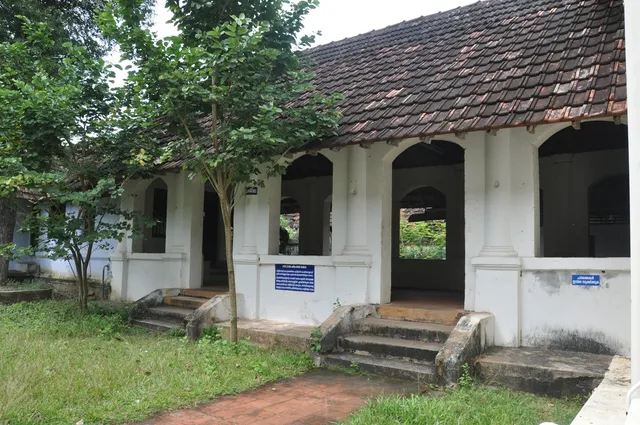
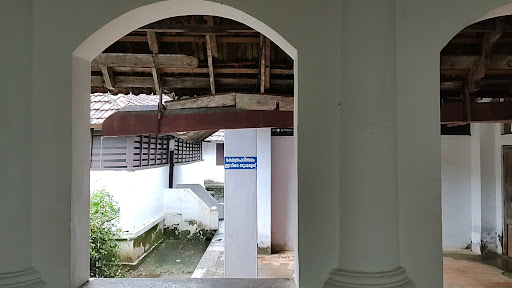
The palace is renowned for its distinctive architectural style, characterized by sloping tiled roofs, wooden pillars, and intricately carved wooden ceilings. Its spacious courtyards and ornate verandas reflect the grandeur of the Travancore dynasty. The design incorporates elements typical of Kerala’s traditional homes, creating a blend of elegance and functionality.
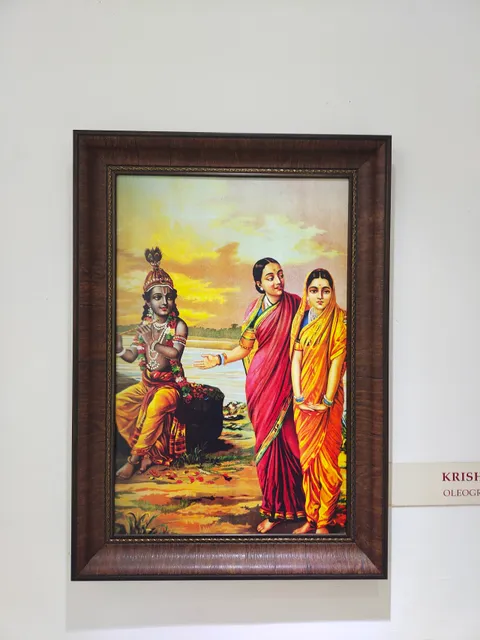
Kilimanoor Palace is particularly notable for its association with Raja Ravi Varma, one of India’s most celebrated artists, who was born here. The palace houses a museum dedicated to his life and works, showcasing an extensive collection of his paintings and other artworks. These exhibits provide valuable insights into the artist’s creative process and his contributions to Indian art.
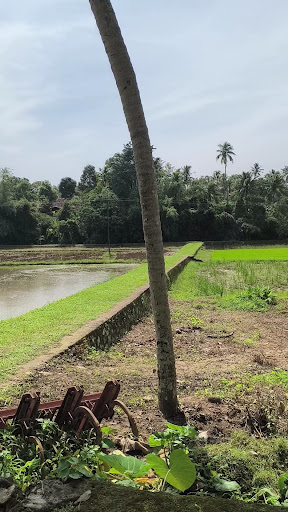
In addition to its artistic heritage, the palace is surrounded by lush gardens and scenic landscapes, enhancing its serene and picturesque environment. Visitors to Kilimanoor Palace can explore its historical rooms, admire the architectural details, and learn about the cultural and artistic legacy of the Travancore royalty.
Overall, Kilimanoor Palace stands as a significant cultural landmark, offering a unique blend of historical architecture and artistic heritage. It remains a prominent destination for those interested in exploring Kerala’s royal history and the legacy of...
Read moreKilimanoor palace is located in Thiruvananthapuram, Kerala. Kilimanoor Palace is known for its history, architecture, heritage and greenery. The palace has a royal ambience, which was established more than three centuries ago by Marthanda Varma, Kilimanoor Palace was built in the native architecture style of Kerala in 1753. The Palace is renowned as the birthplace of the Indian painter Raja Ravi Varma. The Palace is constructed in the usual residential structure of Kerala. It covers a vast area of six hectares. It comprises buildings, two ponds, wells, and sacred groves (kaavu). It was built to pay tribute to Raja Ravi Varma. The Travancore royal family continues to live over there. It is now a favourite spot among tourists from all around the world. Since the Independence of India, Kilimanoor Place has remained as a critical cultural and historic place. Today, the palace serves as a museum. The studio, where Raja Ravi Varma used to spend a lot of time creating some of his best works, is accessible from the main entrance. The replicas of Raja Ravi Varma's well-known paintings are on exhibit in a studio just close to the palace. Kerala state takes great pride in its museum. Both the palace's magnificence and Raja Ravi Verma's incredible and magnificent paintings will leave visitors speechless. The palace is home to numerous different artifacts, such as swords, weapons, bone china pots, and much more.Had to eter inside only taking permission as some of the Royal Family members...
Read more