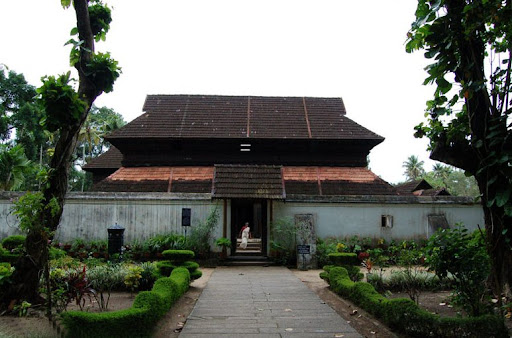
The Krishnapuram Palace is a palace and museum located in Kayamkulam near Alappuzha in Alappuzha district, Kerala in southwestern India. It was built in the 18th century by Anizham Thirunal Marthanda Varma (1729–1758 AD), the Travancore kingdom. It is built in the architectural style of Kerala with gabled roof, narrow corridor and dormer windows, near the Krishnaswamy Temple at Krishnapuram
The palace is maintained by the Kerala State Department of Archaeology and contains exhibits that belonged to the Palace and its former occupant, the Travancore Maharaja Marthanda Varma. It is also famous for a large pond within the palace complex.It is also said that an underground escape route runs from the bottom of the pond as a possible escape route from enemies.
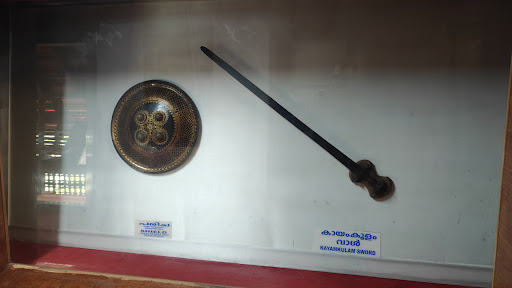
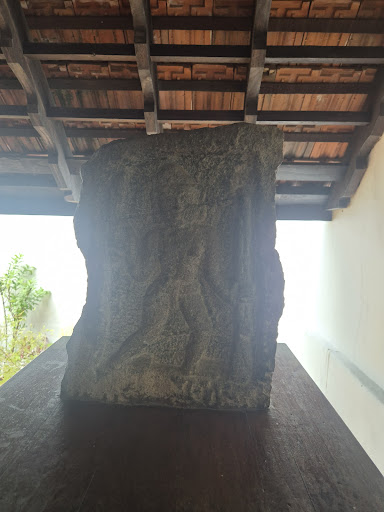
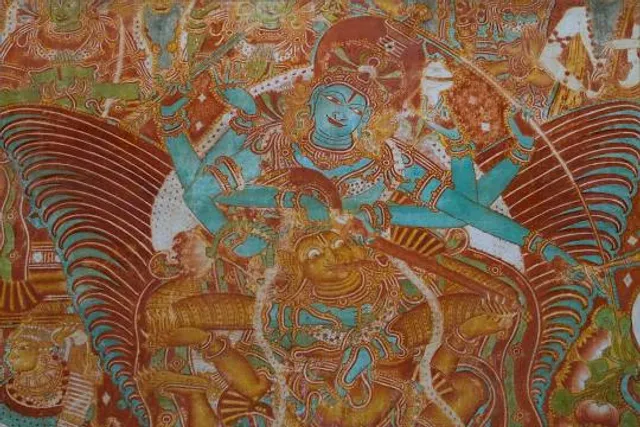
Among the many Kerala-style paintings seen in the palace, a distinctly placed mural painting is titled "Gajendra Moksham" of 154 square feet (14.3 m2) size, which is said to be the largest such find in Kerala. It is placed on the western end of the ground floor of the palace. The double edged Kayamkulam Vaal (sword) is also on display here. The palace houses, in its courtyard, one of the four statues of Buddha found in AlappuzhaDistrict
The palace was built by King Marthanda Varma of Travancore after defeating and annexing Odanad in the Odanad–Travancore War of 1746. Before the construction of the palace, the King demolished an earlier palace at the site, which had been built by the King Veera Ravi Varma of Odanad (reign 1700–1775 AD). Initially, a small palace of a single story, known locally as Ettukettu, was built in the traditional style with an adjacent pond, temple and urappura under the management of Prime Minister Ramayyan Dalawa, which was later enlarged by Prime Minister Ayyappan Marthanada Pillai. The palace complex has many other buildings, which are a combination of traditional and Western architecture. The present building, a three-storied structure within the complex, was renovated in the 1950s by the Archaeological Department of Kerala in modern style conforming to the scientific techniques prescribed for the protection of heritage buildings. As a protected monument, it houses the Archaeological Museum and its offices.
The Krishnapuram Palace, as one of the finest and rarest examples of a typical Keralite-style architecture, known in the local language as Pathinarukettu, is complete with gabled roofs, narrow corridors and dormer windows. It is a miniature replica of Padmanabhapuram Palace, which was the headquarters of Travancore Rajas.
The palace complex originally encompassed a total land area of 56 acres (23 ha). However, over the years, as the monarchic rule ended, the palace was completely neglected and fell to disuse, and was dilapidated. Many of the buildings surrounding the main palace of the Maharaja got demolished or destroyed and the palace complex got reduced to a mere 2.55 acres (1.03 ha) enclosed within a 10 feet (3.0 m) high compound wall. The main palace, which was run down, was rebuilt to its original state as a three storied monument by the Archaeological Department of Kerala in the 1950s. The rare documents and artefacts which were kept at other locations were brought back, restored and eventually exhibited in the palace that has been converted into a Museum.
The palace restored to its originally built plans, conforming to Vastu Shastra norms, has 16 blocks or Kettus with four Nadumuttam or open area in the centre or courtyards. The windows, doors and ventilators were placed in such a way as to ensure fresh air circulation and natural lighting in all the rooms. There are 22 rooms (which open into the shady internal courtyards) with ornamental wooden partitions with carvings. Additional openings were provided to prevent any negative effects of "Murmavedham." (Secret effects). The building is set with verandas (passages) all round to protect the outer walls getting damaged due to rains. The materials used in its construction consisted of laterite stones, rubble,...
Read moreആലപ്പുഴ ജില്ലയിലെ കായംകുളത്തിനടുത്ത് സ്ഥിതിചെയ്യുന്ന ചരിത്രപ്രാധാന്യമുള്ള ഒരു കൊട്ടാരമാണ് കൃഷ്ണപുരം കൊട്ടാരം. പതിനെട്ടാം നൂറ്റാണ്ടിൽ തിരുവിതാംകൂറിന്റെ ഭരണാധികാരിയായിരുന്ന മാർത്താണ്ഡവർമ്മയാണ് ഇന്നു കാണുന്ന രീതിയിൽ കൃഷ്ണപുരം കൊട്ടാരം നിർമ്മിച്ചത്. 
Krishnapuram Palace Alleppey Entry Fee
5 per person for Children
10 per person for Adults
25 for Still Camera
250 for Video Camera
1000 per Video Film
1500 per Feature Film
The Krishnapuram Palace is a palace and museum that is located in Kayamkulam, at a distance of 47 km from Alappuzha. This magnificent palace was built during the reign of a Travancore King, Anizham Thirunal Marthanda Varma and is well known for its mural paintings and architecture. The palace is built in the traditional architectural style of Kerala, with a gabled roof, narrow corridors and dormer windows, and is close to the Krishnaswamy Temple at Krishnapuram.
A major attraction of this place is that it houses is one of the biggest mural paintings that can be found in all of Kerala. Known as the 'Gajendra Moksha', this mural painting covers an area of around 53 square feet and has a rich historical value attached to it. The double-edged sword Kayamkulam Vaal can also be found here. The Krishnapuram Palace is currently maintained by the Archaeological Department of Kerala and contains a variety of exhibits that once belonged to the Palace and its former occupant.
Krishnapuram Palace
The Krishnapuram Palace was built by King Marthanda Varma of Travancore after he had successfully defeated and annexed Odanad in the Odanad–Travancore War of 1746. King Marthanda Varma initially built only a small palace of a single story. This opulent palace was locally known as Ettukettu and was built in the traditional style with an adjacent pond, temple and urappura, under the management of Prime Minister Ramayyan Dalawa. This one-storey structure was later on enlarged by the Prime Minister Ayyappan Marthanada Pillai.
The present building, however, is a magnificent three-storied structure within the compound. This building was renovated in the 1950's by the Archaeological Department of Kerala, who gave the building a modern look, but at the same time conforming to the specified scientific techniques that have been prescribed for the protection of heritage buildings. As a protected monument, the Krishnapuram Palace houses the Archaeological Museum and its...
Read moreThe Krishnapuram Palace, as one of the finest and rarest examples of a typical Keralite-style architecture, known in the local language as Pathinarukettu, is complete with gabled roofs, narrow corridors and dormer windows. It is a miniature replica of Padmanabhapuram Palace, which was the headquarters of Travancore Rajas.1
The palace complex originally encompassed a total land area of 56 acres (23 ha). However, over the years, as the monarchic rule ended, the palace was completely neglected and fell to disuse, and was dilapidated. Many of the buildings surrounding the main palace of the Maharaja got demolished or destroyed and the palace complex got reduced to a mere 2.55 acres (1.03 ha) enclosed within a 10 feet (3.0 m) high compound wall. The main palace, which was run down, was rebuilt to its original state as a three storied monument by the Archaeological Department of Kerala in the 1950s. The rare documents and artefacts which were kept at other locations were brought back, restored and eventually exhibited in the palace that has been converted into a Museum.[5]
The palace restored to its originally built plans, conforming to Vastu Shastra norms, has 16 blocks or Kettus with four Nadumuttam or open area in the centre or courtyards. The windows, doors and ventilators were placed in such a way as to ensure fresh air circulation and natural lighting in all the rooms. There are 22 rooms (which open into the shady internal courtyards) with ornamental wooden partitions with carvings. Additional openings were provided to prevent any negative effects of "Murmavedham." (Secret effects). The building is set with verandas (passages) all round to protect the outer walls getting damaged due to rains. The materials used in its construction consisted of laterite stones, rubble, teak, rosewoodand Angili wood. Roofing (red-tiled gabled[11]) is steep and tiled with Mangalore tiles, which accentuates the beauty of the structure. A special feature of the carpentry adopted in building the palace consisted of wooden hinges and locks for doors and windows, instead of metallic fittings and fixtures. The flooring consists of polished wood and also of black and red oxide-coated concrete. The steps are made of polished granite blocks. Aesthetic beauty of the palace has been further enhanced by the special designs of straight, curved and spiral staircases and...
Read more