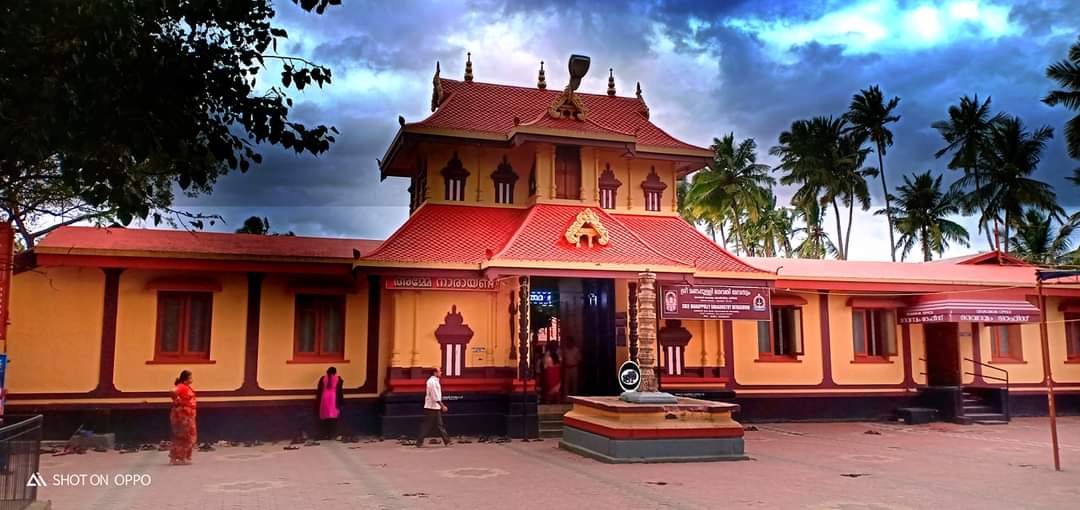
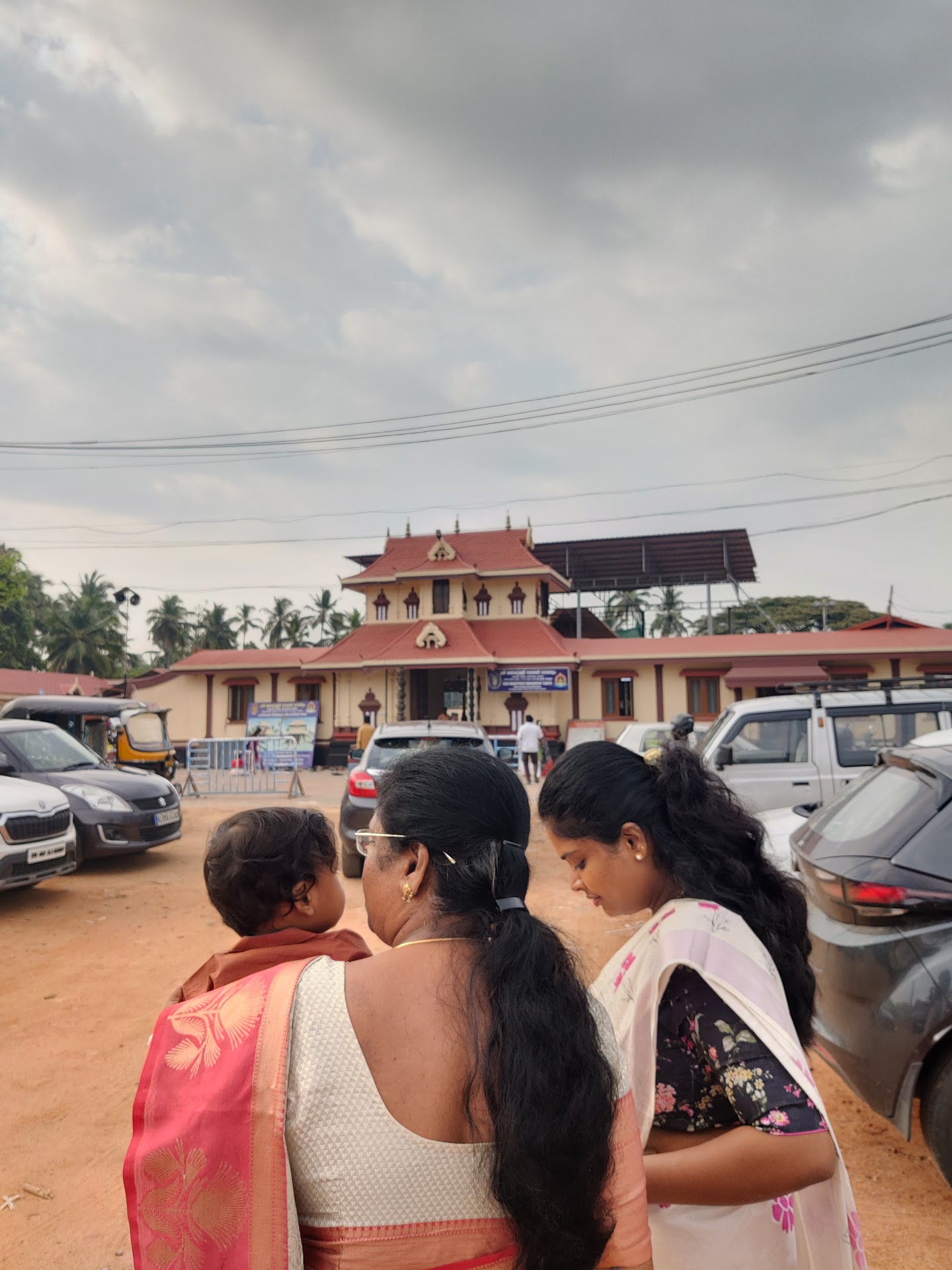
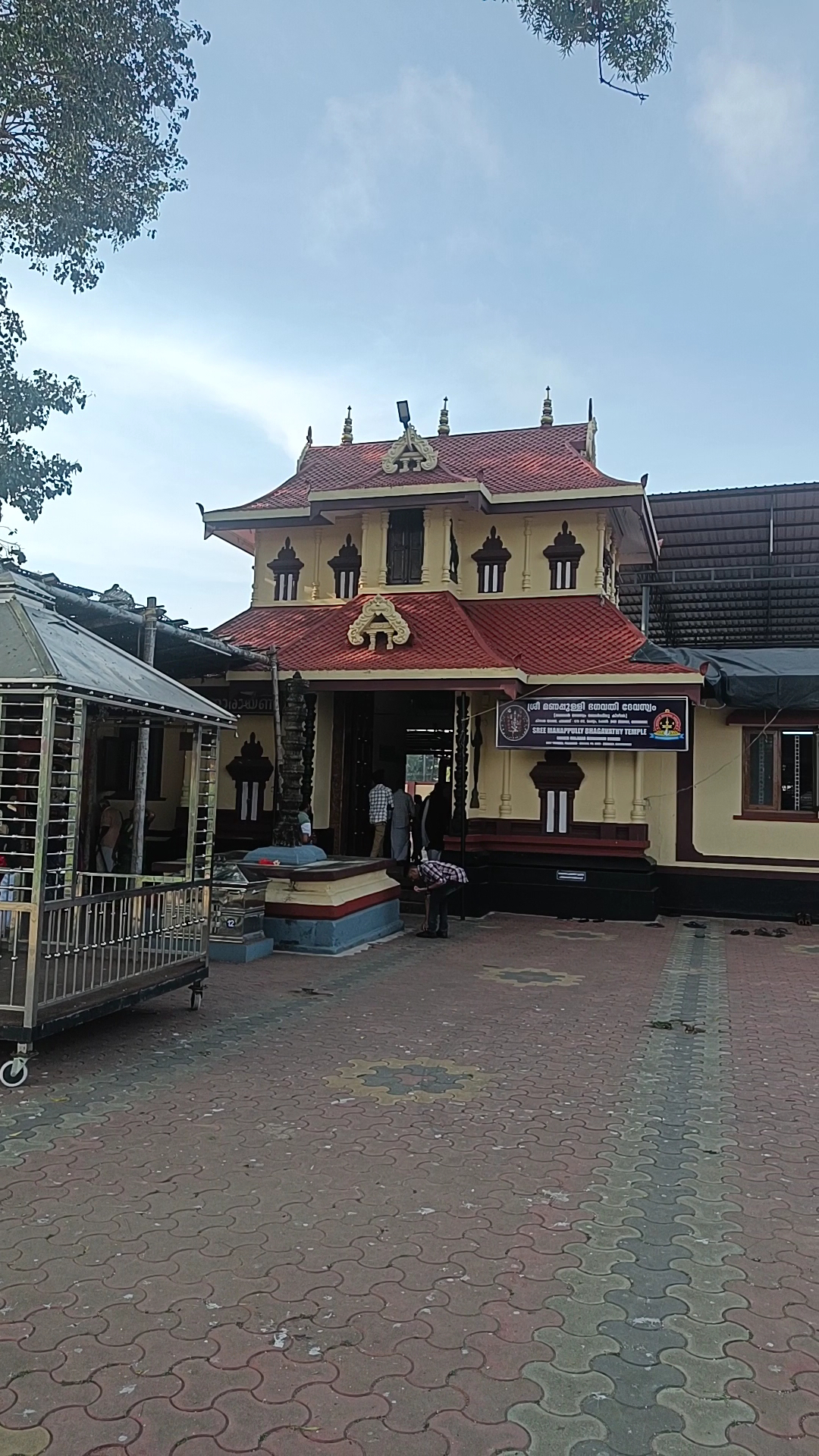
Sree Manappully Bhagavathy Temple is situated very near to the Palghat Town. It is on the Palghat–Chittur road and hardly 200 meters away from the NH-47. Earlier the temple was under the private ownership of ‘Kenath Family’. Now the temple is under Malabar Devaswom Board (MDB). Kariyannur Manakkal Bavathrathan Namboothiripad of Pattambi is the Thanthri (Head Priest) of the temple now.
Sri Manappully Bhagavathy Temple has a very ancient history. It is believed that the temple originally belonged to Sri Mattappilly Bhadrakali Mana, a famous Kerala Brahmin family of Kerala. Numerous Bhrahmin families living on the banks of Holi River Sokanasini (Bharathapuzha) used to perform ‘Yagas’ on the river bed. Thus the area came to be known as ‘Yaga-kara’ which later came to be known as ‘Yakkara’. The eastern part of Yakkara where the temple is located, is called East Yakkara and the other side as ‘West Yakkara’. It is believed that the ‘Moolasthanam’ of Bhagavathy was at West Yakkara and it was subsequently shifted to the present Sanctum Santorum of the East Yakkara temple. (It is believed that a saintly Brahmin of Yagakkara conducted his prayers in his kitchen which is also called as ‘madappalli’. It is considered that in the course of time and usage, the area came to be known as "Manappulli").
Sree Manappulli Bhagavathi is Bhadrakaali and was born out of the sacred "Jada" of Lord Shiva during Dakshayaga. She is black in colour, with four hands, each one having Soolam, Kapalam, Gadkam and Khedam. She is with three eyes, two ‘Dhamshtram’, with ‘Pattudayada’ and valuable ornaments. The Prathishta is in ‘Shanta Bhava’. During ‘Chandattam’ ceremony She turns to ‘Rudra Bhava’ and becomes ‘Shanta Swaroopini ‘after accepting the ‘Kadummadura Payasa Nivedyam’. She is believed to satisfy the desires, hopes and aspirations of her true devotees and also protect them from all evils.
According to a legendary myth about the temple, an Asura called Neelan was disturbing the people with his misdeeds and became a menace to them. The people, complained about this to Parasuraman and he in turn sought a remedy from Lord Paramasiva. Paramasiva incarnating his female personality to Bhadra Kali and sent her to Akamalavaram to kill Neelan. After killing Neelan, Kali became Manappulli Bhagavathy showering prosperity to her devotees.
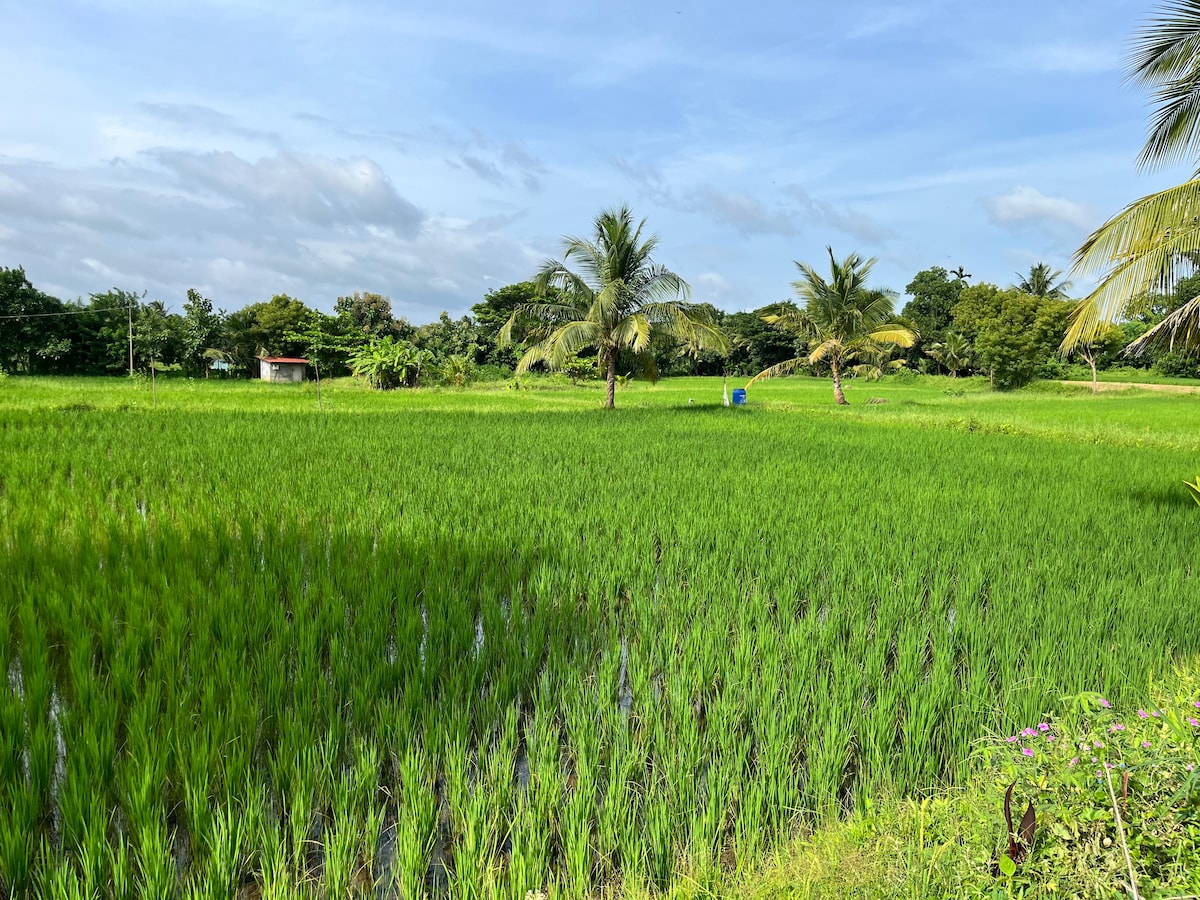
The Palghat district where the temple is situated, has mainly paddy cultivation as the main occupation of the people. The district is called the ‘Rice Bowl’ of Kerala. The social and cultural customs of the people are, therefore, one way or other, connected with paddy cultivation. They believe that the Goddesses of ‘Kavu’ (temple) protect them in their ‘Thattakam’ (meaning the area where they live, surrounds the ‘Kavu’). The people make offerings to the Goddesses in their ‘Thattakam’ in the form agricultural produces having bearing on the seasonal agriculture. The people prayed for good harvest and as an offering for this, they celebrates ‘Kathir’ in the third Friday of the Malayalam month of ‘Vrichikam’. On this day, a procession carrying ‘Sarodam’, in a very ornately decorated form is taken out in the evening from the premises of Lord Muniyappan temple, situated at the southern side of the Bhagavathy temple and it culminates at the Manappully Bhagavathy temple at dusk, passing through the streets of Manappullikavu Nair Thara. Another procession from Kenathuparambu, also joins the procession at the Manappullikavu junction and culminates at the temple. An attractive part of this ‘Kathir’ is the procession carrying decorative umbrellas made of palm leaves tied to freshly cut bamboo poles accompanied by ‘drum beating’. The Kathir literally announces the ensuing ‘Vela’ festival. The procession also carries ‘Kathir Koodu’, small balls made of tender palm leaves containing freshly plucked ‘Nel kathir’ (paddy bunches) which are distributed to all the houses in the area and hung in the front yard of each house till the...
Read moreManapullikavu is a Hindu temple dedicated to Mother Goddess, situated in Manapullikavu, Palakkad town in Kerala, south India. The temple serves as a spiritual centre in the town. saintly Brahmin once prayed and perfected the Manappully Bhagavathy, so the folklore goes. He did the prayers in his kitchen which is also known as the madappalli. That must be in course of time and usage, become "Manappulli". This Brahmins house was part of the "Yagakkara" where Agnihothra yagas were performed. This in turn must have changed to become "Yakkara" the present name. It is presumed that the place where this temple is situated derived its name from this. Sree Manappulli Bhagavathi is Lord Shiva's daughter and she is Bhadrakaali. She was born out of the sacred "Jada" of Lord Shiva during Dakshayaga. Shree Manappulli Bhagavathi is black in colour, with four hands, each one having Soolam, Kapalam, gadkam and khedam. She has three eyes, four big teeth, a beautiful dress, several ornaments, in ghost vahana very bright and shining and fearful in appearance. She is well known to satisfythe desires of the devotees. It is said that the Goddess will be there whenever any devotee calls with real devotion. Manapullikavu Vela is a festival honouring the deity at Manapullikavu called 'Manapulli Bhagavathy'. The festival is celebrated between last week of February and first week of March based on the Malayalam Calendar year. The celebration starts with 'Kodiyettam' (flag hoisting on a bamboo pole) which declares the 'Vela'(Festival) has started. After the Kodiyettam, a week full of pooja ceremonies and evenings with colourful cultural programmes are organized by the 'Vela Committee' (Festival Committee) which all ends with the grand day 'Manapullikavu Vela'. Many devotees from throughout Kerala and other southern states of India come to worship Bhagavathy on this auspicious day. The Vela day starts early with poojas to the Bhagavathy continuing with all day poojas. The 'Chaandh Abishekam', one of the important pooja during the day attracts flocks of devotees. 'Vedikettu' (Firework) is also an important attractive element of the festival which is organized in the evening around 9 PM and early morning by 4 AM. The Vela day is declared as local holiday which shows the importance of the festival. Many other are festivals celebrated in Palakkad district. Nenmara Vallanghy Vela, Kalpathi Car festival, chinakathur pooram, Puthussery Vedi etc. are some of them. Vallanghy Nenmara Vela is considered as the top of these festivals. Vedikettu in Nenmara Vallanghy Vela is famous.
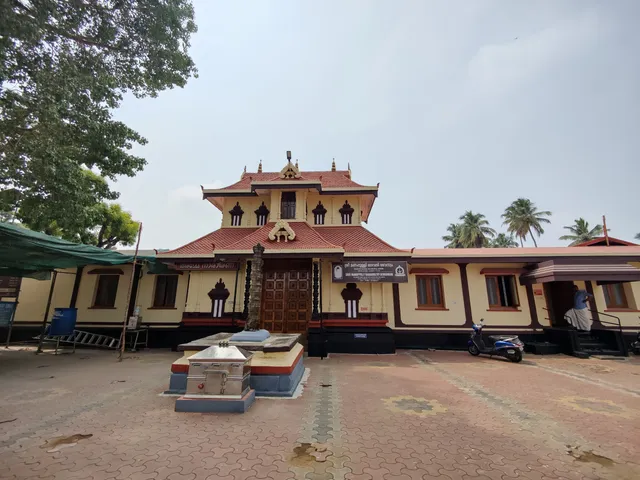
Manapullikavu Vela consists small velas from other desams. Velas from West Yakkara, Vadakkanthara, Vennakkara, Koppam are some of them. These small velas come together to make the final show. Many chariots (bull carts and other motorised vehicles) participate in Manapullykavu Vela.
Manpullikavu temple is near Yakkara village, which was the origin of this temple. The name yakkara has derived from two words in Malayalam- "Yagam" and "Kara". These two words combine to form the name "Yagakkara" which changed into Yakkara in due...
Read moreGoddess Bhagavathy and lord Ganapathy are the main deities inside the temple. Ayyappa temple attached to this temple is at the Northeast side near the temple pond. Bhairavar has a separate sanctum at the outside corner in front of the marriage hall. Bhagavathy is very powerful and the devotees have immense faith on the goddess. Bhairavar (ഭയ്രവർ / കാലഭയ്രവർ) has also a dominant place here. Muttu kettu (മുട്ട്കെട്ട് /മുട്ടിറക്കൽ / മുട്ടറുക്കൽ) is done here. Devotees get pooja items - which include a coconut- from the temple on payment of the prescribed charge. With heartiest devotion in mind and the mission/ambition for which the muttu kettu is done, the pooja items together with the receipt wherein name and birth star is noted, will be handed over to the Poojari. The priest(പൂജാരി) based on the birth star of the person performs certain activities simultaneously chanting certain mantras. The coconut has to be encircled by the devotee by himself over his/her own face and body and given to the priest. The priest then places the nut on a small wooden piece and fiercely cuts the nut by a hard knife/sickle. (കൊടുവാൾ/വെട്ടു കത്തി). If the coconut gets broken(cleft) into 2 identical pieces, it follows that our mission will move successfully without hindrance. If the nut gets cracked in any other manner, the Poojari will suggest remedial measures/poojas to be held, to overcome the situation. Usually, a large part of devotees get expected relief by performing this pooja. But it is a fact that success and desired results are based on the birth star, the position of planets, the sani dasa (ശനിദശ), the entry of Guru, Rahu and Kethu to the 12 lagnams at periiodical intervals, [ഗുരു (വ്യാഴം), രാഹു, കേതു എന്നിവയുടെ പാർച] etc. Moreover, the versatility, competency and sincerity of the priest has a vital role in achieving the goal by devotees in attempting the Muttukettu. Bhairavar is deemed as one of the 64 amsavadars (അംശാവതാരം) of Lord Siva and is considered powerful for eradicating obstacles and the so-called sanidosham to a greater extent. HE is able to protect the devotees from any envious acts of enmity and drishtidoshams & aabhijarams. {ദൃഷ്ടി ദോഷം & ആഭിചാരം} Some consider Bhairavar equal to Lord Kuberan because Bairavar eradicates poverty and blesses the devotees with riches. In Kerala, very few temples conduct the Muttukettu pooja. (Meenkulathi Bhagavathy temple, Pallassana, Palakkad and Kadampuzha Bhagavathy temple,...
Read more