Thasrak: where OV Vijayan's 'Khasakkinte Ithihasam' was born
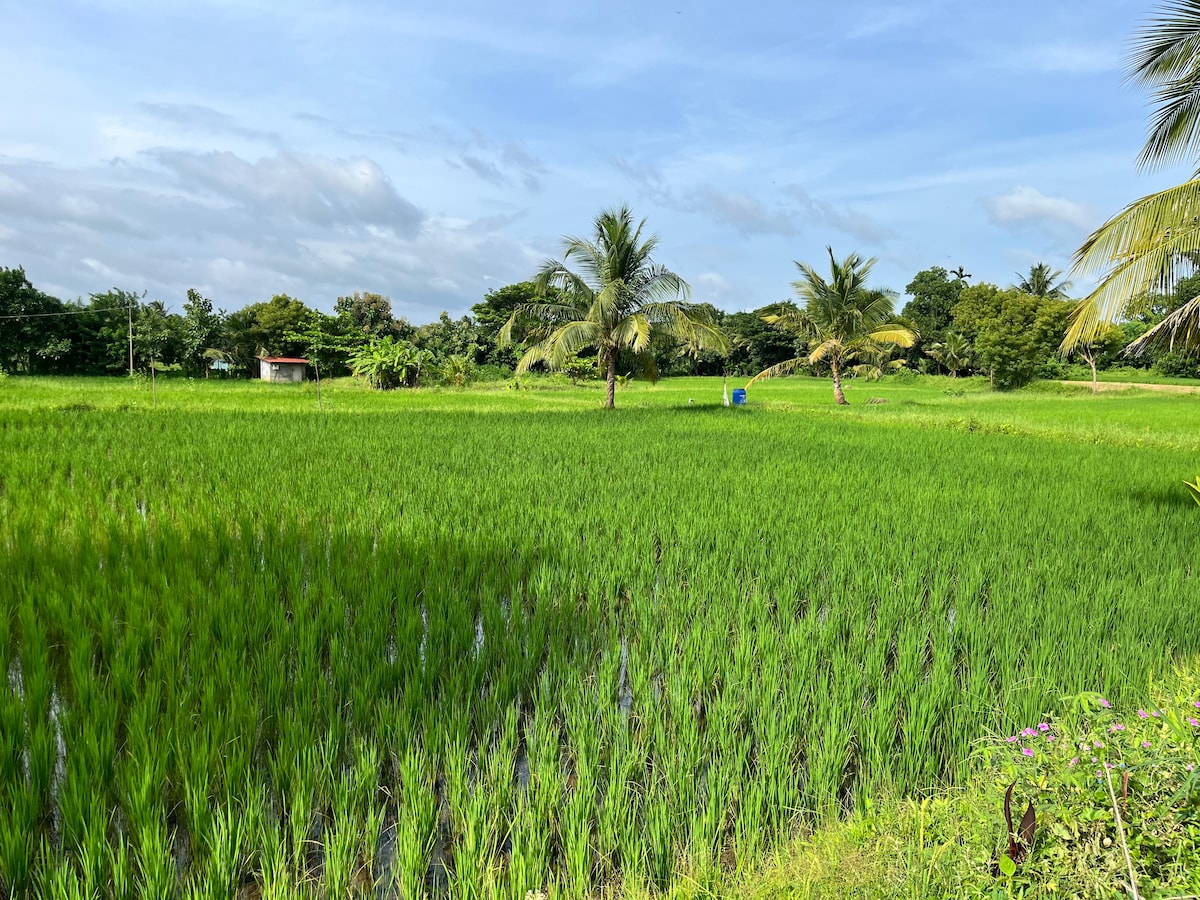
Thasrak, a village near Palakkad town, is the fabled land of Khasak, the setting of Malayalam novelist O V Vijayan's masterpiece 'Khasakkinte Ithihasam' (The Legends Of Khasak). A visit here offers a surrealistic experience to anyone who had read the 1969 work, whose publication became a watershed in Malayalam literature. Much change has not taken place to the village road that goes up to Thasrak, when compared to what has been described in Vijayan's novel. Koomankavu, where the main character of the book, Ravi, started his sojourn, is now known as Canal Road. A whiff of beedi smoke that emanates from passing bicyclers could be felt on the road. The tree houses erected on the branches of teak trees are all as narrated in Vijayan's novel. If you take a right turn from there, you reach Ravi's Khasak or Vijayan's Thasrak. From this point, every grain of sand is a character in Vijayan's writings. Time stands still here.
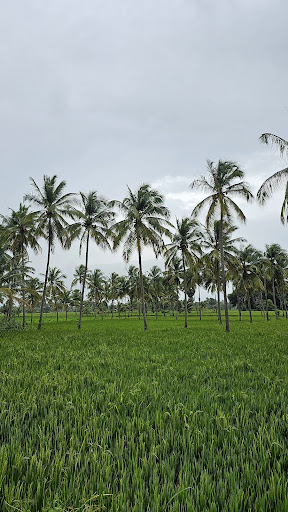
For the ardent fans of Vijayan's works, the road to Thasrak offers a foray into endless dreams, where they fly like broken kites, listening to the tales sung by the breeze and the dark palm trees. Clad in red ochre, the narrow path leads up the hills, down the valleys, on to the road, where they are greeted by the sights and people seen by Ravi - the charming Maimuna, Appukkili, Nisamali and the pond called Arabikkulam.
As you near Thasrak you feel that the place retains its freshness just the way it was scripted by the fingers of the great writer. The impulses of life that pulsate through the stories of Vijayan make the village a living memory.
Vijayan arrived at Thasrak, to be with his sister, and stayed at the farmhouse belonging to Raghavan Nair. The house had tiled roof, a long veranda and three rooms. He rented out one room. Reclining in the easy chair placed in the veranda, the novelist gazed at the pastoral beauty of Thasrak. He discovered a new world among the many people who passed by the portals. The mosque, the paddy fields skirting the pond, the distant grave at the other end of the fields, the green expanse that spread up to Olasseri - all these went into the making of a remarkable story. His realistic depiction of the common people transformed the villagers into living characters -- Allappicha, Appukkili, Nisamali, Kunjamira, Maimuna -- in his story.
The protruding lips, deadpan eyes, the slightly underdeveloped body of Appukkili as described in the novel defies our judgement as to whether he is a child or an adult. So, it is not surprising if one feels each face one comes across in the village makes one wonder whether one has...
Read moreThe Writer O.V. Vijayan and the location of Khasak.
O.V. Vijayan, born in 1930 in Palakkad, Kerala, was a prominent Indian writer, cartoonist, and political commentator. He is celebrated for his contributions to Malayalam literature, and "Khasakkinte Itihasam" stands as one of his most iconic works. Vijayan's writing was characterized by its profound exploration of human emotions, deep-rooted cultural insights, and a unique blend of folklore and philosophy.
The village of Khasak, while fictional, is inspired by the landscapes and cultural richness of Palakkad, Vijayan's hometown. Palakkad, often referred to as the "Gateway to Kerala," is known for its lush greenery, historical significance, and a harmonious blend of different cultures. It served as a significant source of inspiration for Vijayan, who used it as a canvas to paint the vivid setting of Khasak in his novel.
Vijayan's personal experiences growing up in Palakkad and his deep connection to the region are evident in his storytelling. His intimate knowledge of the local customs, traditions, and the natural beauty of the area permeates the pages of "Khasakkinte Itihasam." This connection between the writer and his homeland adds a layer of authenticity and depth to the novel, making it resonate with readers on a profound level.
In essence, O.V. Vijayan's literary legacy is deeply intertwined with his roots in Palakkad, and "Khasakkinte Itihasam" is a testament to his ability to craft a narrative that not only showcases the beauty of the region but also delves into the human psyche. The village of Khasak, while fictional, is a reflection of the real-world Palakkad, which holds a special place in Vijayan's heart and creative...
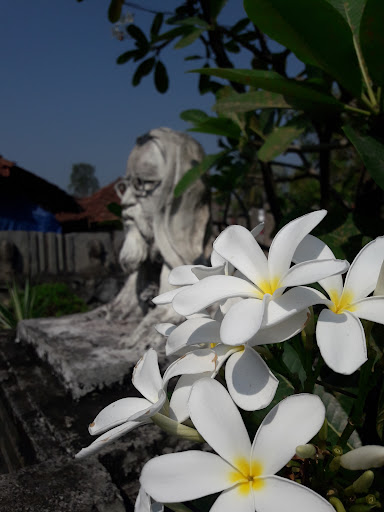
Read moreThasarakk is the imaginary plateau where Khasakkinte Ithihasam placed. Thasrakk is a remote palakkad village where OV Vijayan found his famous characters for Khasakk. During the stay with his sister OV Shantha, when she appointed as a teacher in the village school, vijayan studied in detail, sketches of the people around the locality, myth and legends entangled in village and penned one of the beautiful novel ever produced in Malayalam language. We can find the resemblance of certain characters in Khasakk from this Tamil flavoured village of rural palakkad. OV vijayan memorial is maintained by Cultural Department of Kerala. Nhattupura (Granary), where vijayan used to write his works including khasakk is one of the major attractions of this place (However, Later in an interview this belief was rejected by Vijayan's youngest sister OV usha). Ov vijayans letters, photographs, cartoons all arranged inside the complex. Care taker was cooperative and explained things in lucid. Arabikkulam, Sculpture forest, murals based on OV Vijayans novel are other attractions of this place. The enchanting beauty of this lone, sleepy palakkadian village, its innocence, and portrayals of Vijayan like Karimpana, the famous Palli (mosque) which is mentioned in Khasakk can be seen around...
Read more