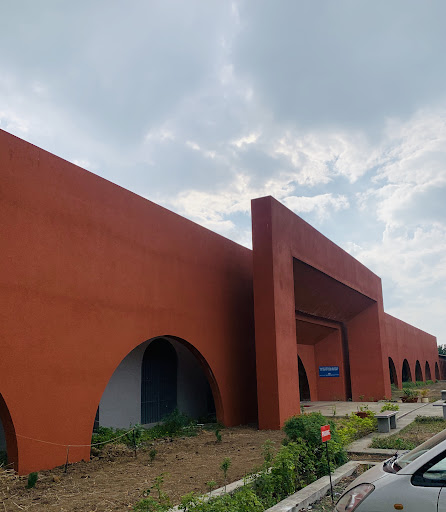
The Coin Museum, also known as the Shanti-Krishna Museum of Money and History, is a hidden gem that offers an immersive journey into the evolution of money and India’s rich cultural heritage. Located amidst serene surroundings, it is one of the very few museums that documents the entire timeline of currency—from the barter systems of the Stone Age to the paper notes of modern India. What makes this museum stand out is its private ownership, which reflects clearly in its pristine upkeep, organized layout, and thoughtful presentation. The ticketing counter at the entrance also features a small shop where visitors can purchase books, replicas, and memorabilia related to coins and money, making it a good spot for collectors and history enthusiasts alike.
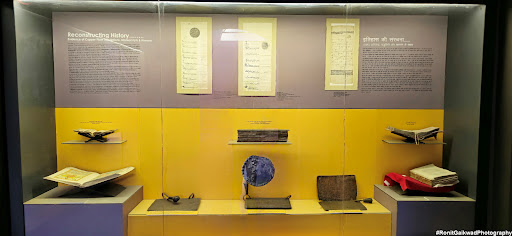
The museum opens with a captivating display of prehistoric pottery, Stone Age tools, and unearthed idols, offering a glimpse into ancient civilization and early life. Particularly engaging is the section on the Indus Valley Civilization, which sheds light on the lifestyle, trade, and societal structure of that era through well-preserved artifacts. As visitors move ahead, they are introduced to the oldest known coins, some dating as far back as the 6th century BCE. Each coin is accompanied by detailed information about its origin, ruling empire, and regional influence, offering valuable insights into India's complex numismatic history.
A highlight of the experience is the display of ancient minting techniques, including a dummy coin-casting model that brings to life the intricate process of early coin production. Particularly fascinating are the life-sized models depicting coin-making techniques during the Mughal era, showcasing tools, personnel roles, and minting practices. These exhibits extend to show regional currencies from independent kingdoms across North, Deccan, and South India, providing a comprehensive understanding of how trade and economy varied across the subcontinent. There’s also a brilliant showcase of Gupta-era gold coins, inscribed metal currencies, and post-independence demonetized notes, including the elusive ₹10,000 currency note, offering a rare visual archive of India’s financial evolution.
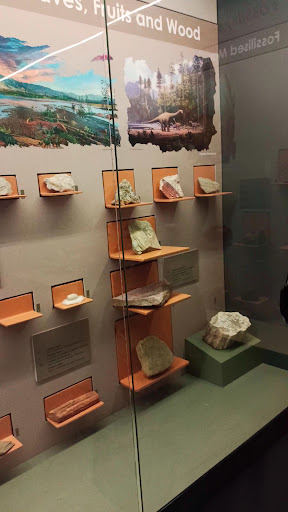
Beyond coins, the museum surprises visitors with an entire floor dedicated to India's artistic and cultural heritage. Exhibits include film-making art, life-sized musical instruments, tribal and folk art, and an array of traditional headgear from various Indian regions. A separate section creatively presents the traditional Indian card games and puppetry, further cementing the museum as a multifaceted cultural hub. In totality, the Shanti-Krishna Museum is a storehouse of information—a space that bridges India's economic history with its rich cultural tapestry. It's an ideal destination for families, students, and curious minds, and a must-visit in your itinerary if you're eager to explore India beyond just monuments...
Read moreGreat variety of coins and other historical elements.
I loved museum a lot as there was not much crowd and the museum was very informative regarding history of coins from the time coins started to present date.
Very nice place to know and understand history of coins in India. They have displayed it very nicely with detailed information…
The place is worth a visit. Earlier it was only a coin museum but after renovation it has archaeological findings and memento collection. Agate lockets, pendants and puppet pencils are something which one can buy, here. Monument and coin information in the form of playing cards can also be bought here. It is not crowded even on weekends.
A place for your young minds to explore and understand history of coins and money. Museum is for history lovers and students to gain knowledge of Indian currency in ancient history till now. Very interesting facts are described which helps us to understand the importance of our business in the history of our country. Also many other historical information like culture, civilizations like sindhu ghati/harappa etc. is given here. Museum is located near Anjaneri on Nashik to trimbak road. Around 20- 25kms from nashik city.
Even many historical things which give a glimpse of may eras.
Very well maintained place, The restroom is available. Parking available.
Fees: Adult 70/- Kids...
Read moreAt a distance of 19 km from Nashik and 3 km from Anjaneri, the Coin Museum, located in the campus of the Indian Institute of Research in Numismatic Studies, is on the Nashik-Trimbakeshwar road.
The museum was founded under the Indian Institute of Research in Numismatic Studies in 1980. This campus spread over an area of 505 acres of land is surrounded by the picturesque Anjaneri hills. The museum is the only one of its kind in Asia with a very rich collection of research and well-documented history of the Indian currency system.
The museum was established to impart a general idea about Indian coins to the common people. The displays in the museums comprise of coins, moulds, dyes, replicas, photographs, numismatic material, along with bronze, terracotta's, copper-hoard objects, paintings and some historical artifacts. These exhibits give a vast idea of the various currency systems that existed in India from centuries. The museum also exhibits dioramas of depicting coin minting and coin manufacturing techniques. The museum also preserved one lack cardexes for easy reference and organizes workshops, on a regular basis, with the aim of promoting coin collecting in India.
Timings: 9.30 AM -1 PM and 2 PM - 5.30 PM on all days except Sundays and on...
Read more