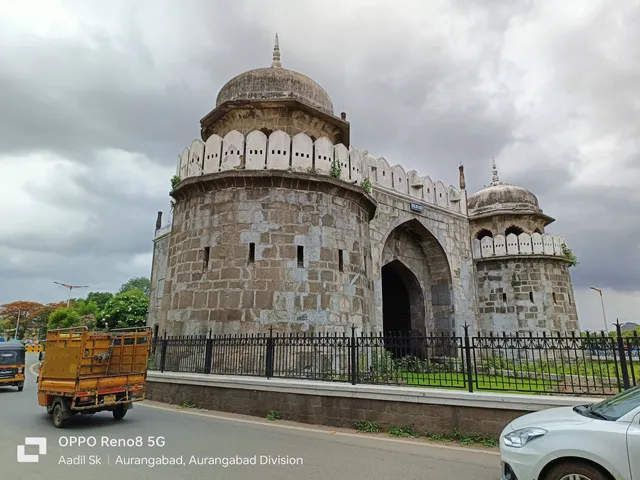
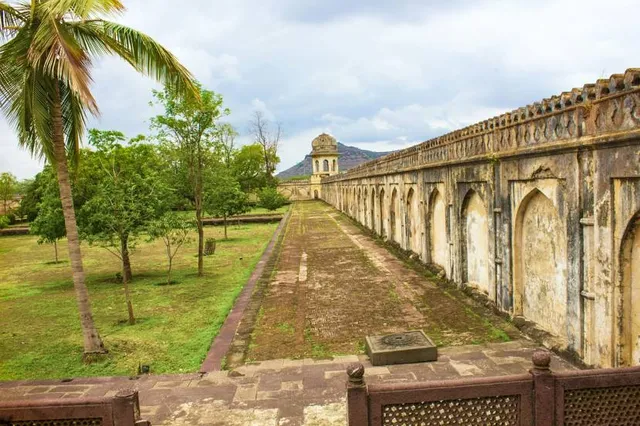
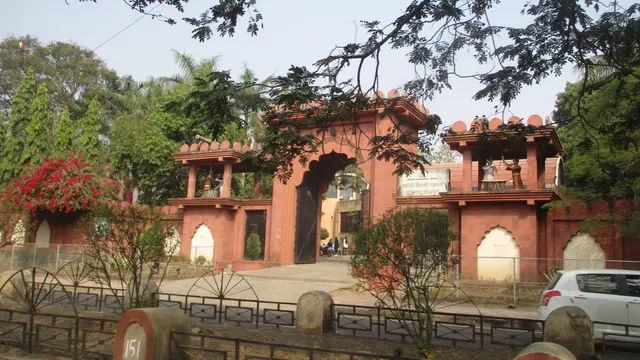
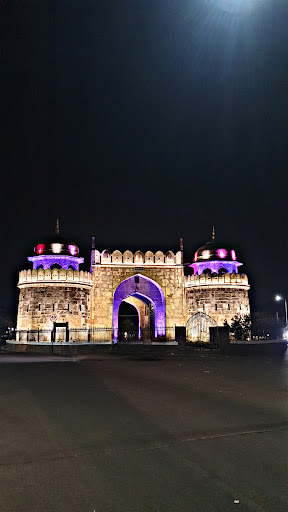
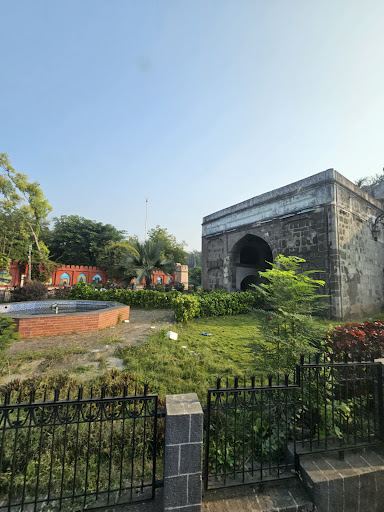
Located in the vibrant city of Aurangabad also known as Chhatrapati Sambhaji nagar. Delhi Gate stands as a magnificent testament to the rich history and architectural brilliance of the region. As a visitor, I was captivated by the grandeur and significance of this historical monument.
Upon approaching Delhi Gate, one cannot help but be awe-struck by its imposing presence. The gate proudly stands as a gateway to the city, reminiscent of a bygone era when Aurangabad was an important center of power and commerce. The exquisite craftsmanship and attention to detail are immediately apparent, showcasing the architectural finesse prevalent during the Mughal era.
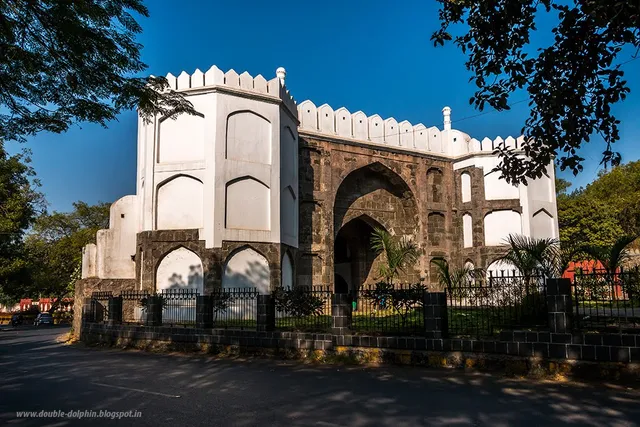
The gate itself is a beautifully designed structure, adorned with intricate carvings and delicate motifs. The symmetry and precision with which it has been constructed are remarkable, displaying the mastery of the artisans who created it. The fusion of Persian and Indian architectural styles is evident, creating a unique and captivating aesthetic.
One of the most striking features of Delhi Gate is its historical significance. It served as an entrance to the city during the reign of Mughal emperor Aurangzeb, hence its name. As I walked around the gate, I couldn't help but imagine the bustling activity and vibrant atmosphere that must have characterized this entrance during its heyday. It truly offers a glimpse into the city's glorious past.
Another aspect that adds to the charm of Delhi Gate is its location. It is situated in close proximity to several other historical landmarks, such as Bibi Ka Maqbara and the Ellora Caves. This cluster of historical sites allows visitors to embark on a journey through time, exploring the rich cultural heritage of the region.
While Delhi Gate is undoubtedly a fascinating historical monument, it would benefit from better maintenance and preservation efforts. Some parts of the gate show signs of wear and tear, and a more proactive approach to conservation would ensure its longevity for future generations to appreciate.
Overall, a visit to Delhi Gate is a rewarding experience for history enthusiasts, architecture admirers, and anyone with an appreciation for the cultural heritage of India. Its grandeur, historical significance, and proximity to other attractions make it a must-visit destination in Aurangabad. With a little more attention towards its preservation, Delhi Gate will continue to stand tall as a timeless symbol of heritage and history.
Note: The rating provided is subjective and based on personal experience and historical...
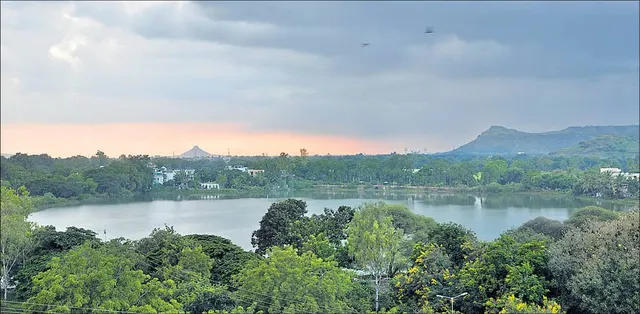
Read moreDelhi gate is the one of the strategic gate of the Aurangabad city which lies on 190 53' 38" N and 750 20 04" E. In Aurangabad city, it is located on the Major State Highway no. 8 which connects to Jalgaon Road. Dr. Salim Ali Lake is located towards the Northeastern side of the Delhi Gate whereas the Divisional Commissioners office is located towards the Southeastern corner. Delhi gate is the largest gate built by Aurangzeb. It is not only large in size but also appears attractive among all the gates built in the Deccan area so far. It is located towards the Delhi Town that is towards the north end of the Aurangabad city. Through this gateway Aurangzeb marched towards Delhi in rebellion against his father Shahjahan. After marching through the gate he encamped at Arsul (Harsul) in a sarai (now central Jail) and nearby area where he halted for ten days. Then he started from Aurangabad on 5th February 1658 to challenge the throne. In March 1666 Shivaji accompanied by Sambhaji and a body of one thousand select troop marched to Agra on Aurangzeb's invitation through this gateway. The gate is a two storeyed structure. The façade which provides the main entrance into the city of Aurangabad faces north. It has two octagonal bastions on either of the sides and a pointed arch in between for entry and exit which encompasses another smaller pointed arch with a wooden door. The interior of the arch contains two small rectangular opening on the either sides which posed as guardrooms. Above the parapet wall of the arch is a battlement with numerous entablatures. On the two sides of the main arch are two turrets that rise up till the top of the battlement. The bastions have rectangular gun points on the first storey followed by an octagonal battlement and eight pillared Chhatri with a domical ceiling terminating in a finial on top. The chhatri is...
Read moreOne of the things that made Aurangabad stand out from several other medieval cities in India was its 52 "gates", each of which had a local history or had individuals linked with it. Aurangabad is known as the "City of Gates"
Bhadkal Gate, Aurangabad
Out of the 52, only four main and nine subordinate gates have survived, the most famous, oldest and biggest of them being the Bhadkal Gate near the Naukhanda Palace of Nizams.
Aurangabad city walls
When Aurangzeb made Aurangabad his capital, there were 54 suburbs which were walled in the city itself, the chief of these were Begumpura and Aurangpura.
During Khan Jahan's second viceroyalty, Aurangzeb built a wall around the city in 1682, to protect it from the incursions of the Marathas; and in 1696 he erected a similar fortified wall for Begumpura. The city wall is terraced, and is of solid masonry, but of no great height, being in many parts not more than fourteen feet. The battlements are loop-holed, and the merlins over the gateways and at certain places along the wall, are machicolated; while semi-circular bastions surmounted by towers, occur at each flanking angle, and at regular intervals along the works. The wall is pierced with thirteen gateways, exclusive of a small postern wicket, and its total length is a little over six miles. All gates barring one are associated with Aurangzeb.
The four principal entrances face the cardinal points, and consist of the Delhi gate in the north, the Jalna gate in the east, the Paithan gate in the south, and the Mecca gate in the west.
Besides these, there are the Jaffar, Khirki, Barapul, Mahmud and Roshan gates; as well as four others, now closed, the Khizri, Khadgar, Mada, and Kumhar. The Barapul had also been walled up...
Read more