Himayatbagh Biodiversity Heritage Site: A Natural Treasure in the Heart of Aurangabad
Overview Nestled in the historic city of Aurangabad, Maharashtra, the Himayatbagh Biodiversity Heritage Site stands as a testament to nature's resilience in an urban setting. This oasis of biodiversity offers visitors a unique glimpse into the rich ecological tapestry of the region.
Historical Significance Himayatbagh, originally established as a Mughal garden, has evolved over centuries to become a crucial biodiversity hotspot. Its transformation from a curated garden to a protected biodiversity site reflects the changing priorities in conservation and urban planning.
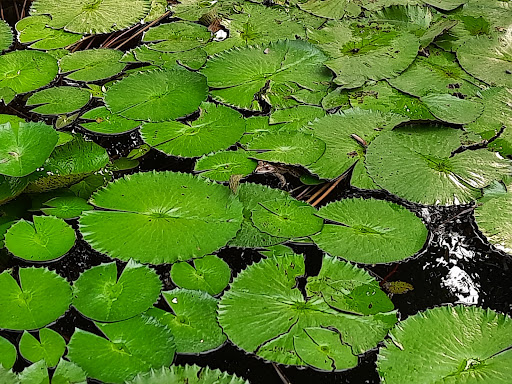
Flora The site boasts an impressive array of plant species, including: Native trees such as neem, banyan, and peepal Medicinal plants used in traditional Ayurvedic practices Rare and endangered plant species endemic to the Deccan region
The diversity of flora not only provides a haven for local wildlife but also serves as a living laboratory for botanists and researchers.
Fauna Despite its urban location, Himayatbagh is home to a surprising variety of animal life: Various bird species, both resident and migratory Small mammals adapted to urban environments A rich insect population, crucial for pollination and ecosystem balance
Birdwatchers, in particular, find the site rewarding, with opportunities to spot several species within a compact area.
Conservation Efforts The designation of Himayatbagh as a Biodiversity Heritage Site has spurred numerous conservation initiatives: Regular biodiversity assessments and monitoring programs Habitat restoration projects to support native species Community engagement programs to raise awareness about local biodiversity
These efforts have not only preserved the existing ecosystem but have also encouraged the return of species once thought to have disappeared from the area.
Educational Value Himayatbagh serves as an outdoor classroom for students and nature enthusiasts: Guided tours offering insights into the local ecosystem Workshops on urban biodiversity conservation Opportunities for citizen science projects and data collection
The site's proximity to educational institutions makes it an invaluable resource for hands-on learning about ecology and conservation.
Visitor Experience For visitors, Himayatbagh offers: Well-maintained walking trails suitable for all fitness levels Informative signage detailing the flora and fauna Quiet spots for meditation and nature observation Photography opportunities, especially during early morning hours
The best times to visit are during the early mornings or late afternoons when wildlife is most active and the temperature is pleasant.
Challenges and Future Prospects Like many urban biodiversity sites, Himayatbagh faces challenges: Balancing public access with conservation needs Mitigating the impacts of surrounding urban development Securing consistent funding for long-term conservation projects
However, the site's management, in collaboration with local authorities and conservation organizations, is actively working to address these challenges and ensure the long-term viability of this urban biodiversity haven.
Conclusion The Himayatbagh Biodiversity Heritage Site is more than just a green space in Aurangabad; it's a living, breathing ecosystem that provides invaluable services to both wildlife and the local community. For visitors, it offers a unique opportunity to experience the rich biodiversity of the Deccan region within an urban context. As we face growing environmental challenges, sites like Himayatbagh serve as crucial reminders of the importance of preserving biodiversity, even in our cities.
Whether you're a nature enthusiast, a student of ecology, or simply someone looking for a peaceful retreat from city life, Himayatbagh Biodiversity Heritage Site is a must-visit destination in Aurangabad, offering a refreshing glimpse into the natural world that thrives...
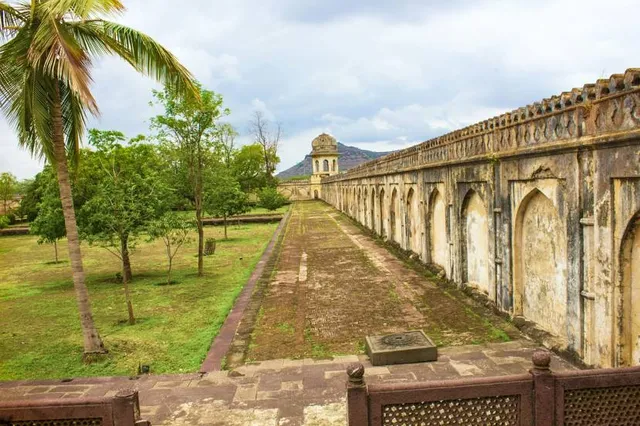
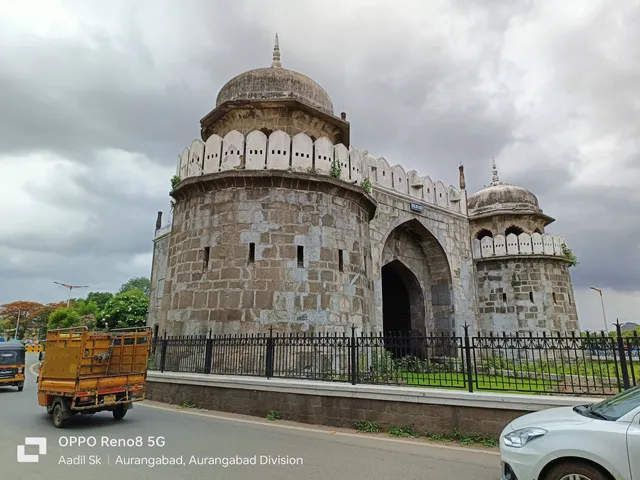
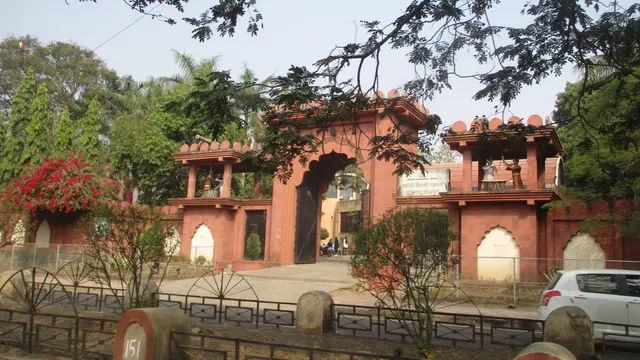
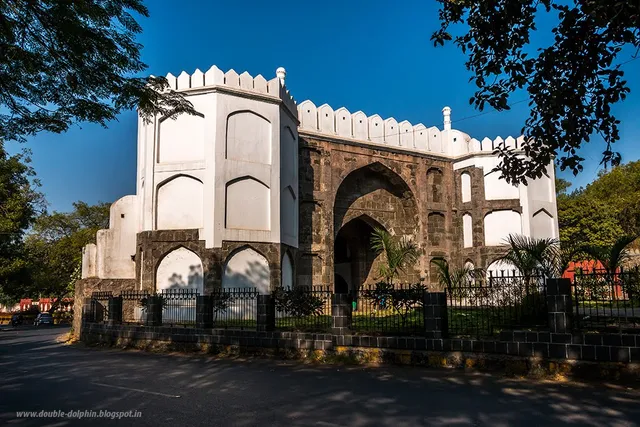
Read moreHimayat Bagh is a 17th-century garden that now houses the Fruit Research Station and Nursery, which is a part of the Vasantrao Naik Marathwada Krishi Vidyapeeth,Parbhani(Maharashtra). It is located near Delhi Gate in Rauza Bagh area of Aurangabad. It is a sprawling complex spread over 300 acres (1.2 km2), naturally green and in the olden days it was known as the Mughal Garden.[1]
Mughal eraEdit
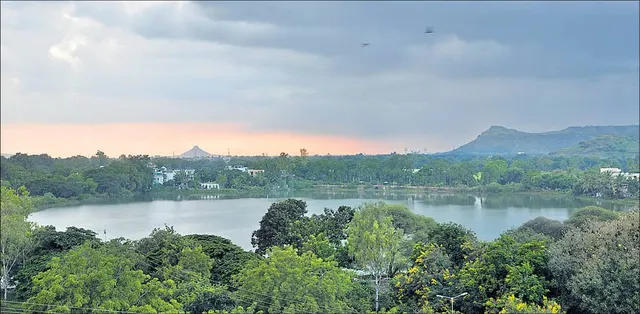
In Aurangzeb's time, Khizri Talao extended the whole length of the northern wall, (extending from present day Salim Ali Lake till Begumpura / Makbara) but the exhalation and dampness proved unhealthy and Aurangzebordered the portion immediately in front of his palace (Kila-e-Ark) to be filled in and converted into fields. This reclaimed portion was later developed into Mughal garden, (now known as Himayat Bagh) by one of the officials of Aurangzeb's court, with many fruit-bearing trees of different varieties for the royal court and its officials.[2]
Himayat Bagh Aurangabad
Barra DarriEdit
Himayat Bagh also houses the Barra Darri which was erected by Ivaz Khan. A covered aqueduct passes over one of the buildings and in the olden day’s water descended in a shower into an oblong cistern below containing several fountains.[2] A marvelous feat of engineering that involved an underground water chamber; it created a natural air-conditioning that cooled the entire area when in operation. It is now inoperative, but the system still exists and is worth a study.[1] Barra Darri now houses the office of Fruit Research Station.
Present periodEdit
The Himayat Bagh is a tourist attraction in itself because of its greenery and cool environment. Visitors can have a look at various plants and trees in the nursery, on which research is being conducted.
Visitors are able to buy plants that are grafted by experienced local malis (gardeners) in the gardens. There are saplings from tamarind to mango, and one can see the saplings and then see how the tree looks when it is fully grown. The underground drainage pipeline work being carried out by the municipal corporation has damaged the northern historical wall of this beautiful place. After cognisance taken by Sakal newspaper, the summer palace was emptied by VNK university. This palace is rare and is half underground. The water flowing on all sides of this octagonal palace keeps it at least 5 degrees cooler than the outer temperature. Earlier it was filled...
Read moreHimayat Bagh is a 17th-century garden that now houses the Fruit Research Station and Nursery, which is a part of the Vasantaraav Naik Marathwada Krishi Vidyapeeth Parbhani Maharashtra. It is located near Delhi Gate in Rauza Bagh area of Aurangabad. It is a sprawling complex spread over 300 acres , naturally green and in the olden days it was known as the Mughal Garden.
Mughal era In Aurangzeb's time, Khizri Talao extended the whole length of the northern wall, (extending from present day Salim Ali Lake till Begumpura / Makbara) but the exhalation and dampness proved unhealthy and Aurangzeb ordered the portion immediately in front of his palace (Kila-e-Ark) to be filled in and converted into fields. This reclaimed portion was later developed into Mughal garden, (now known as Himayat Bagh) by one of the officials of Aurangzeb's court, with many fruit-bearing trees of different varieties for the royal court and its officials. Himayat Bagh also houses the Barra Darri which was erected by Ivaz Khan. A covered aqueduct passes over one of the buildings and in the olden day's water descended in a shower into an oblong cistern below containing several fountains. A marvelous feat of engineering that involved an underground water chamber; it created a natural air-conditioning that cooled the entire area when in operation. It is now inoperative, but the system still exists and is worth a study. Barra Darri now houses the office of Fruit Research Station. The Himayat Bagh is a tourist attraction in itself because of its greenery and cool environment. Visitors can have a look at various plants and trees in the nursery, on which research is being conducted. There are saplings from tamarind to mango, and one can see the saplings and then see how the tree looks when it is fully grown. The underground drainage pipeline work being carried out by the municipal corporation has damaged the northern historical wall of this beautiful place. After cognisance taken by Sakal newspaper, the summer palace was emptied by VNK university. This palace is rare and is half underground. The water flowing on all sides of this octagonal palace keeps it at least 5 degrees cooler than the outer...
Read more