HTML SitemapExplore
logo
Find Things to DoFind The Best Restaurants

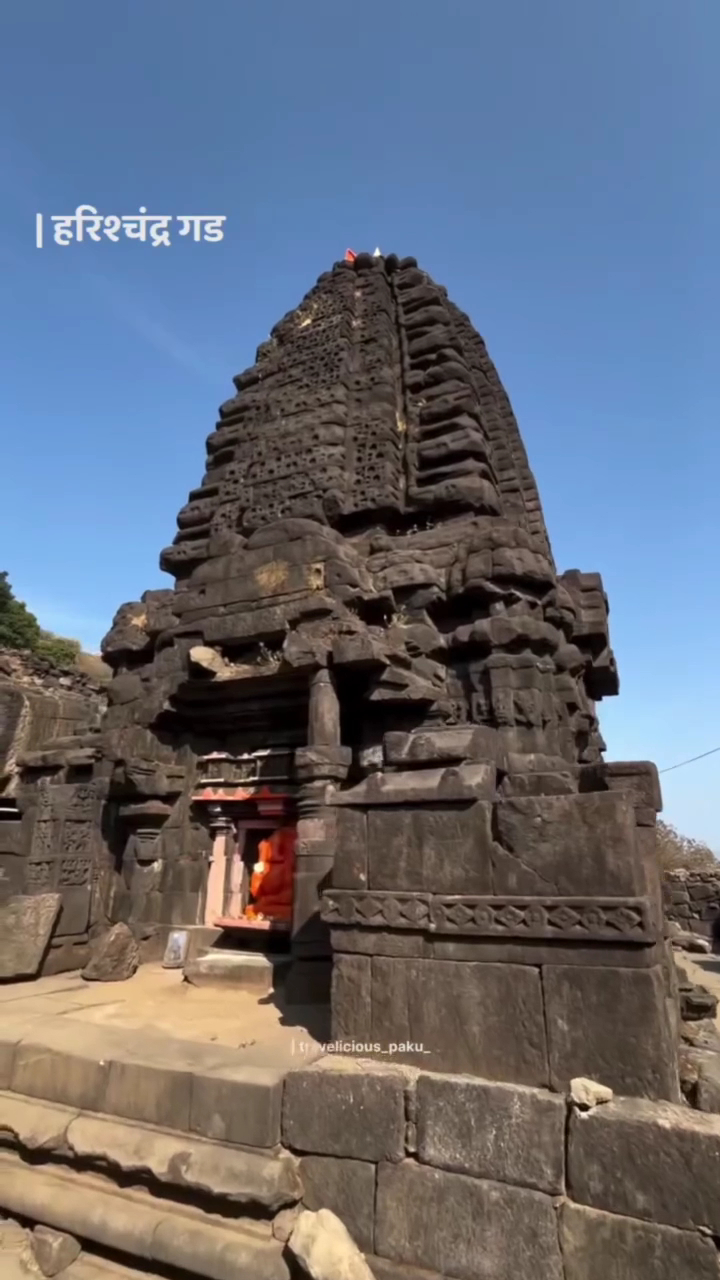
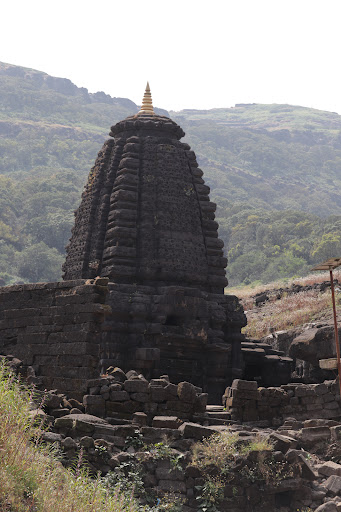
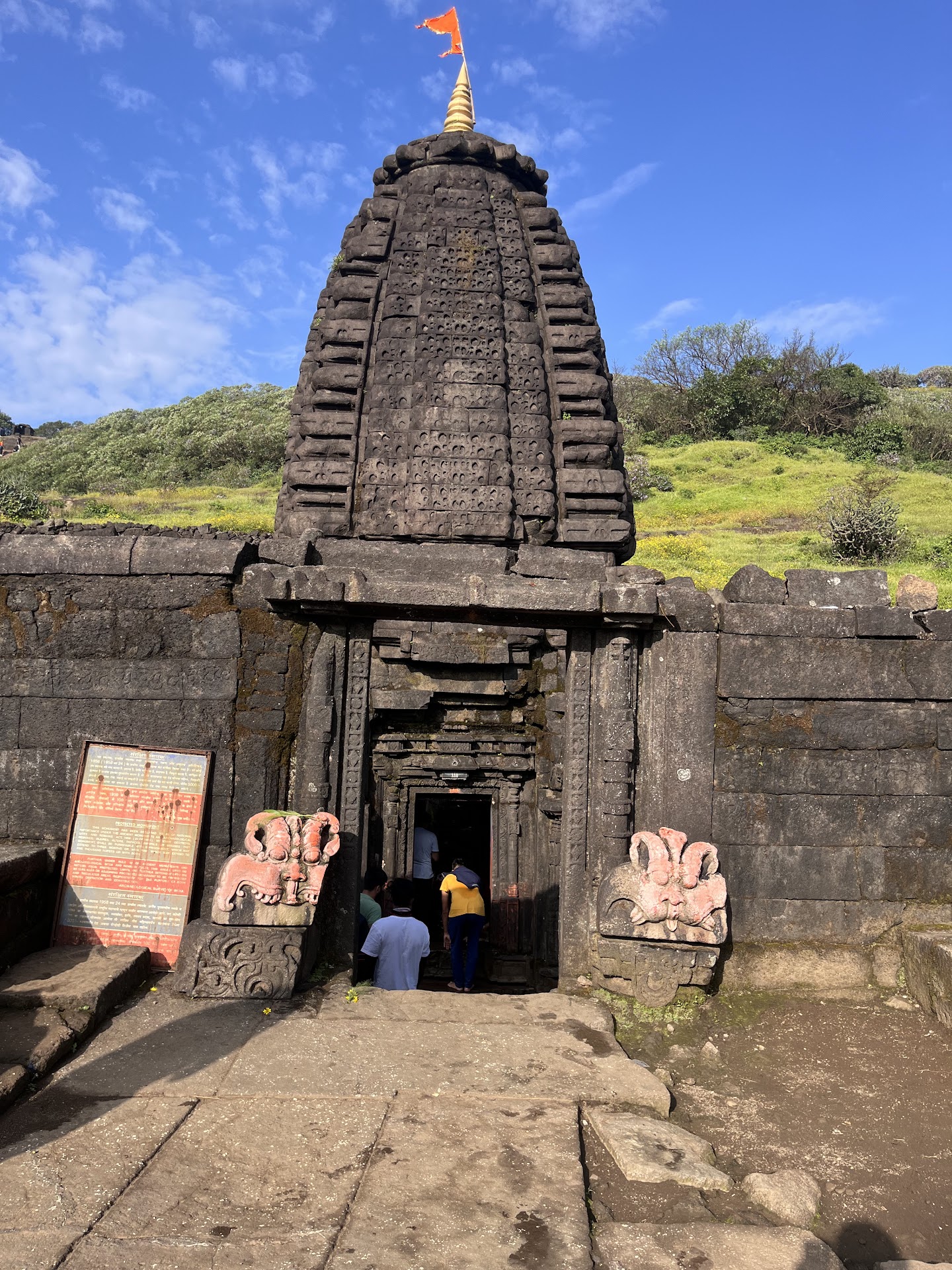
Harishchandreshwar Temple — Attraction in Maharashtra

Name
Harishchandreshwar Temple
Description
Nearby attractions
Kedareshwar Cave
9QRH+QRF, Paachnaichi Vaat Path, Maharashtra 422610, India
Nearby restaurants
Nearby hotels
Related posts
Keywords
Harishchandreshwar Temple tourism.Harishchandreshwar Temple hotels.Harishchandreshwar Temple bed and breakfast. flights to Harishchandreshwar Temple.Harishchandreshwar Temple attractions.Harishchandreshwar Temple restaurants.Harishchandreshwar Temple travel.Harishchandreshwar Temple travel guide.Harishchandreshwar Temple travel blog.Harishchandreshwar Temple pictures.Harishchandreshwar Temple photos.Harishchandreshwar Temple travel tips.Harishchandreshwar Temple maps.Harishchandreshwar Temple things to do.
Harishchandreshwar Temple things to do, attractions, restaurants, events info and trip planning
Harishchandreshwar Temple
IndiaMaharashtraHarishchandreshwar Temple

Basic Info

Harishchandreshwar Temple

9QRH+JRH, Maharashtra 422610, India
4.8(313)
Open 24 hours
Save
spot

Ratings & Description

Info

Cultural
Family friendly
attractions: Kedareshwar Cave, restaurants:
logoLearn more insights from Wanderboat AI.

Plan your stay

hotel
Pet-friendly Hotels in Maharashtra
Find a cozy hotel nearby and make it a full experience.
hotel
Affordable Hotels in Maharashtra
Find a cozy hotel nearby and make it a full experience.
hotel
The Coolest Hotels You Haven't Heard Of (Yet)
Find a cozy hotel nearby and make it a full experience.
hotel
Trending Stays Worth the Hype in Maharashtra
Find a cozy hotel nearby and make it a full experience.

Reviews

Nearby attractions of Harishchandreshwar Temple

Kedareshwar Cave

Kedareshwar Cave

Kedareshwar Cave

4.8

(669)

Open until 12:00 AM
Click for details
Get the Appoverlay
Get the AppOne tap to find yournext favorite spots!
Wanderboat LogoWanderboat

Your everyday Al companion for getaway ideas

CompanyAbout Us
InformationAI Trip PlannerSitemap
SocialXInstagramTiktokLinkedin
LegalTerms of ServicePrivacy Policy

Get the app

© 2025 Wanderboat. All rights reserved.
logo

Posts

Viresh DhanashriViresh Dhanashri
.Location: Harishchandragad Fort, Ahmednagar district, Maharashtra, India Religion: Hinduism Deity: Lord Shiva Construction: 12th century Architectural style: Hemadpanthi Significance: One of the most important pilgrimage sites for Hindus in Maharashtra Unique features: The temple is carved out of a single rock and is known for its intricate carvings. It is also one of the few temples in India that is dedicated to Lord Shiva in his Harishchandra form. History Harishchandrashwar Temple is a Hindu temple located on the hill fort of Harishchandragad in the Ahmednagar district of Maharashtra, India. The Raja Harishchandreshwar Temple is thought to have been built around 600, when the Kalchuri family was in charge. Still, the temple’s design is similar to that of some North Indian shrines in some ways. The caves next to them were built much later, probably in the eleventh century. In the temple, you can find proof of the great sage “Changdev,” who wrote the tale Tatvasaar. Some people think that he meditated here in the 1400s. On the left side of the door to the temple, there is writing about the saint Devsnagsri. "This is a unique Shiva temple of Hemadpanti construction of Harishchandreshwar, with Wwwattractive and stylish carvings up to the culmination along with the steps of the temple, which are fifty-five to sixty feet high. The temple has a palace, and there are two entrances to it from the east and west sides. There is a carved Ganesh idol on the southern side of the temple, and an inscription is engraved in Devanagari script on its upper side. There is an enclosed wall around the temple courtyard of the construction. There are two caves to the west of the temple, in the basement of one of which Yogi Changdev is said to have been doing penance. There are two water tanks near the cave. Currently, the wall of the temple and a large part of the western side have collapsed. A little lower on the north side of the temple is a magnificent cave known as 'Kedareshwar's Cave', and there is a magnificent Shivalinga on the square in the water inside it. There are pillars supporting the roof on the four corners of the square, three of which are broken. The fort has a history of There are eight inscriptions that bear witness. The 10th century Shilahara king Zhanj built a total of twelve Shiva temples at the source of twelve rivers between Godavari and Bhima. One of them is this Shiva temple. The Shiva temples are as follows: Trimbakeshwar at the source of the Godavari River, Shivalaya in Tringalwadi near the source of the Vaki River, Near the source of the Dharana River - at Tarhele, Near the source of the Bam River - Belgawala, Near the source of the Kadwa River - Takeda Near the source of the Pravara River - Amruteshwar in Ratanwadi, Near the source of the sHarishchandragad - at Mulaugamsthan, Near the Nageshwar in Khireshwar near Pushpavati, Near the Kukadeshwar in Pur near Kukadi, Near the source of the Meena River - Brahmanath in Parunde, Near the source of the Ghod River - Siddheshwar in the village of Vachpe Near the Bhima River - Bhavaragiri. All these temples are adorned with beautiful sculptures and are decorated with carvings. These include the temple of Harishchandreshwar. Harishchandreshwar Temple is a temple located in Harishchandragad, Akole taluka, Ahilyanagar district, Maharashtra. The temple courtyard has a courtyard wall. There is a stone bridge in front of this courtyard wall. A stream flows from Taramati peak under this bridge, which is also called the `source of Mangalgange'. Further, this river flows through the village of Pachanai at the foot. There are many caves in the temple premises. Some caves are suitable for living while some caves have water. The water in these caves is cold and nectar-like. There is a courtyard in the cave behind the temple. There is a room below the ground in this courtyard. A huge stone is placed on it. Local villagers say that `Sage Changdev' performed penance in this room for fourteen hundred years. There is a Pushkarni at the door of Harishchandreshwar Temple. There were
Bhushan MahangareBhushan Mahangare
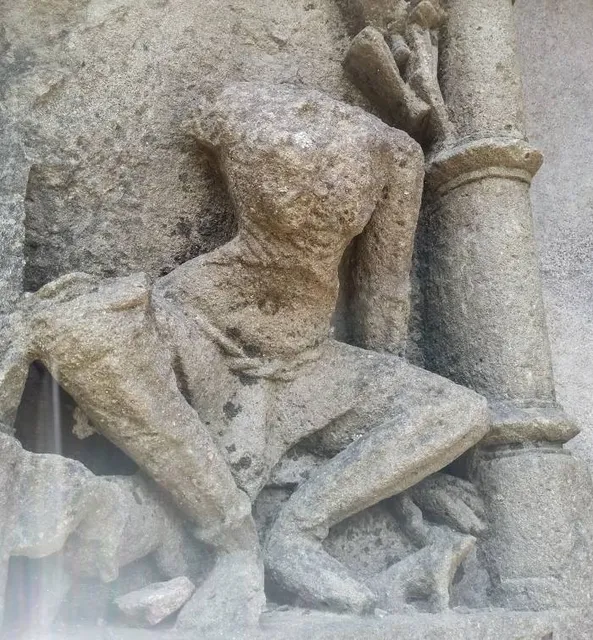
Harishchandreshwar Temple is a renowned ancient temple located on the Harishchandragad Hill in Maharashtra, India. It is a revered Hindu pilgrimage site dedicated to Lord Shiva and is known for its architectural beauty and religious significance. The temple holds immense historical and mythological importance. It is believed to have been built during the 6th century and showcases exquisite craftsmanship. The intricate carvings and sculptures on the temple walls depict various Hindu deities and mythological scenes, making it a treat for art enthusiasts. Reaching the Harishchandreshwar Temple involves a trek through the rugged terrain of Harishchandragad Hill. The trek offers stunning views of the surrounding landscapes, including lush valleys, waterfalls, and rocky cliffs. It is a moderately challenging trek, and the journey itself becomes a memorable experience for adventure enthusiasts. Upon reaching the temple, visitors are greeted with a sense of serenity and spirituality. The peaceful ambiance, coupled with the natural beauty of the hilltop location, creates a perfect setting for devotion and meditation. The main attraction of the temple is the swayambhu linga, a self-manifested lingam representing Lord Shiva. The lingam is believed to be a swayambhu (self-created) and holds great significance among devotees. The temple also has other shrines dedicated to various deities, adding to its religious significance. During festivals like Mahashivaratri, the temple attracts a large number of devotees who come to seek blessings and offer prayers. The atmosphere becomes vibrant with devotional chants, rituals, and cultural performances. It's important to note that visiting Harishchandreshwar Temple requires physical fitness and endurance due to the trek involved. It is advisable to trek with proper guidance, carry essentials like water, snacks, and suitable trekking gear, and be respectful of the religious sanctity of the place. In conclusion, Harishchandreshwar Temple is a revered pilgrimage site that combines spirituality, architectural beauty, and natural splendor. It offers a unique blend of religious significance and adventurous trekking, making it a must-visit destination for devotees and nature enthusiasts alike.
HOTEL KOKANKADAHOTEL KOKANKADA
हरिश्चंद्रगड म्हणजे नगर जिल्ह्याचे महाबळेश्वर ! ठाणे, पुणे आणि नगर यांच्या सीमेवर माळशेज घाटाच्या डावीकडे उभा असणारा अजस्त्र पर्वत म्हणजे हरिश्चंद्रगड, ऐतिहासिक महत्व महाराष्ट्रातील इतर पारंपारिक किल्ल्यांपासून हा किल्ला वेगळा आहे. इतर किल्ल्यांमध्ये आढळणारी तटबंदी येथे दिसत नाही. या किल्ल्यावर प्राचीन लेणी आहेत तसेच साधारणपणे १२व्या शतकापेक्षा जुने शालिवाहन काळातील शिवमंदिर आहे. सह्याद्रितील अंत्यंत दुर्गम किल्ला म्हणून याची ओळख आहे. गडावरील पहाण्यासारखी ठिकाणे टोलारखिंडीच्या वाटेने गडावर आल्यावर आपण रोहीदास शिखरापाशी पोहचतो. येथून तास-दीड तासात आपण तारामती शिखरापाशी पोहचतो. पायथ्याशीच हरिश्चंद्रेश्वराचे मंदिर आहे हरिश्चंद्रेश्वराचे मंदिर : तळापासून या मंदिराची उंची साधारणतः सोळा मीटर आहे. मंदिराच्या प्रांगणात प्राकाराची भिंत आहे. या प्राकाराच्या भिंतीसमोरच एक दगडी पूल आहे. या पुलाच्या खालून एक ओढा तारामती शिखरावरून वाहत येतो यालाच ‘मंगळगंगेचा उगम’ असेही म्हणतात. पुढे ही नदी पायथ्याच्या पाचनई गावातून वाहत जाते. मंदिराच्या आवारात अनेक गुहा आहेत. काही गुहा रहाण्यासाठी योग्य आहेत तर काही गुहांमध्ये पाणी आहे. या गुहांमधील पाणी थंडगार व अमृततुल्य आहे. मंदिराच्या मागे असणाऱ्या गुहेमध्ये एक चौथरा आहे. या चौथऱ्यात जमिनीत खाली एक खोली आहे. यावर प्रचंड शिळा ठेवली आहे. या खोलीत ‘चांगदेव ऋषींनी’ चौदाशे वर्ष तप केला आहे असे स्थानिक गावकरी सांगतात. ‘शके चौतिसे बारा । परिधावी संवत्सरा । मार्गशिर तीज (तेरज) रविवार । नाम संख्य ॥ हरिश्चंद्रनाम पर्वतु । तेथ महादेव भक्तु । सुरसिद्ध गणी विरुयातु । सेविजे जो ॥ हरिश्चंद्र देवता ॥ मंगळगंगा सरिता । सर्वतीर्थ पुरविता सप्तस्थान । ब्रम्हस्थळ ब्रम्ह न संडीतु । चंचळ वृक्षु अनंतु । लिंगी जगन्नाथु । महादेओ ॥ जोतीर्थासि तीर्थ । केदारांसि तुकिनाति । आणि क्षेत्री निर्मातिबंधु हा ॥’ हे चांगदेवाविषयीचे लेख मंदिराच्या प्राकारात, खांबावर, भिंतीवर आढळतात. श्री चांगदेवांनी येथे तपश्चर्या करून ‘तत्वसार’ नावाचा ग्रंथ लिहिला. येथील एका शिलालेखावर, चक्रपाणी वटेश्वरनंदतु । तस्य सुतु वीकट देऊ ॥ अशा ओळी वाचता येतात. मंदिराच्या प्रवेशद्वारासमोरच एक छोटे मंदिर आहे. यातही महादेवाची पिंड आहे. या छोट्या मंदिरासमोरच एक भाग्न अवस्थेतील मूर्ती आहेत. त्यातील पाषाणावर राजा हरिश्चंद्र डोंबाऱ्यांच्या घरी कावडीने पाणी भरत असलेला प्रसंग चित्रित केला आहे. केदारश्वराची गुहा : मंगळगंगेच्या प्रवाहाच्या दिशेने गेल्यावर डाव्या हातास एक गुहा लागते. याला केदारेश्वराची गुहा असे म्हणतात. या गुहेत १ मीटर उंच आणि २ मीटर लांब असे शिवलिंग आहे. यात कमरभर पाणी आहे. ही गुहा खरंतर चार खांबावर तोलली होती पण सद्यःस्थितीला एकच खांब शाबूत आहे. याच गुहेत एक खोलीही आहे. खोलीच्या डाव्या हाताच्या भिंतीवर शिवपूजनाचा प्रसंग कोरलेला आहे. या शिवलिंगाला प्रदक्षिणा घालावयाची असल्यास बर्फतुल्य पाण्यातून जावे लागते. तारामती शिखर : तारामती शिखर गडावरील सर्वात उंच शिखर आहे. साधारणतः उंची ४८५० फूट. शिखराच्या पोटात एकूण सात लेणी आहेत. त्यापैकी एका गुफेत गणेशाची सुमारे साडेआठ फूटाची भव्य आणि सुंदरमुर्ती आहे. याच गणेशगुहेच्या आजुबाजुला अनेक गुहा आहेत. यातही राहण्याची सोय होते. गुहेच्यासमोर उभे राहिल्यावर डावीकडे जाऊन पुढे वर जाणारी वाट आपल्याला अर्ध्या तासाच्या चढाईनंतर तारामती शिखरावर घेऊन जाते. या शिखरावरून समोरच दिसणारे जंगल, घाटावरचा आणि कोकणातील प्रदेश न्याहाळता येतात. शिखरावर जाताना वाटेत अनेक गोमुख आढळतात. माथ्यावर दोन ते तीन शिवलिंग आढळतात. कोकणकडा : कोकणकडा म्हणजे हरिश्चंद्रगडावरील सर्वात मोठे आकर्षण. कोकणकडा म्हणजे गिर्यारोहकांना आकर्षणाचे स्थान. अर्ध्या किलोमीटर परिघाचा, वाटीसारखा अर्धगोल आकाराचा काळा भिन्न रौद्रभीषण कोकणकडा हा एकमेव अद्वितीय असावा. कड्याची सरळधार १७०० फूटा भरेल. पायथ्यापासून कड्याची उंची साधारणतः ४५०० फूट भरते. संध्याकाळच्या वेळी सूर्यास्ताचा नयनरम्य सोहळा या कड्यावरून पहाण्यात जो आनंद आहे तो अवर्णनीयच आहे. गडावर चहापाण्याची व जेवणाची सोय होते. पावसाळ्यात मात्र या गडाचे सौंदर्य काही औरच असते. विविधता या गडाएवढी इतरत्र कुठेही आढळणार नाही. करवंद, कारावीच्या जाळी, धायटी, उक्षी, मदवेल, कुडा, पांगळी, हेकळ, पानफुटी, गारवेल इत्यादी वनस्पती येथे आढळतात. या भागातील प्राणीवैभव मात्र शिकाऱ्यामुळे बरेच कमी झाले आहे. तरीही कोल्हे, तरस, रानडुकरे, बिबळ्या, ससे, भेकर, रानमांजरे इत्यादी प्राणी आढळतात. गडाचे सर्वोच्च शिखर तारामतीवरून नाणेघाट, जीवधन, रतनगड, कात्राबाईची खिंड, आजोबाचा डोंगर, कळसूबाई, अलंग, मदन, कुलंग, भैरवगड, हडसर आणि चावंड हा परिसर दिसतो. अशा तऱ्हेने अप्रतिम निसर्गसौंदर्याने नटलेला हरिचन्द्र 8308081939 HOTEL KOKANKADA*
See more posts
See more posts
hotel
Find your stay

Pet-friendly Hotels in Maharashtra

Find a cozy hotel nearby and make it a full experience.

.Location: Harishchandragad Fort, Ahmednagar district, Maharashtra, India Religion: Hinduism Deity: Lord Shiva Construction: 12th century Architectural style: Hemadpanthi Significance: One of the most important pilgrimage sites for Hindus in Maharashtra Unique features: The temple is carved out of a single rock and is known for its intricate carvings. It is also one of the few temples in India that is dedicated to Lord Shiva in his Harishchandra form. History Harishchandrashwar Temple is a Hindu temple located on the hill fort of Harishchandragad in the Ahmednagar district of Maharashtra, India. The Raja Harishchandreshwar Temple is thought to have been built around 600, when the Kalchuri family was in charge. Still, the temple’s design is similar to that of some North Indian shrines in some ways. The caves next to them were built much later, probably in the eleventh century. In the temple, you can find proof of the great sage “Changdev,” who wrote the tale Tatvasaar. Some people think that he meditated here in the 1400s. On the left side of the door to the temple, there is writing about the saint Devsnagsri. "This is a unique Shiva temple of Hemadpanti construction of Harishchandreshwar, with Wwwattractive and stylish carvings up to the culmination along with the steps of the temple, which are fifty-five to sixty feet high. The temple has a palace, and there are two entrances to it from the east and west sides. There is a carved Ganesh idol on the southern side of the temple, and an inscription is engraved in Devanagari script on its upper side. There is an enclosed wall around the temple courtyard of the construction. There are two caves to the west of the temple, in the basement of one of which Yogi Changdev is said to have been doing penance. There are two water tanks near the cave. Currently, the wall of the temple and a large part of the western side have collapsed. A little lower on the north side of the temple is a magnificent cave known as 'Kedareshwar's Cave', and there is a magnificent Shivalinga on the square in the water inside it. There are pillars supporting the roof on the four corners of the square, three of which are broken. The fort has a history of There are eight inscriptions that bear witness. The 10th century Shilahara king Zhanj built a total of twelve Shiva temples at the source of twelve rivers between Godavari and Bhima. One of them is this Shiva temple. The Shiva temples are as follows: Trimbakeshwar at the source of the Godavari River, Shivalaya in Tringalwadi near the source of the Vaki River, Near the source of the Dharana River - at Tarhele, Near the source of the Bam River - Belgawala, Near the source of the Kadwa River - Takeda Near the source of the Pravara River - Amruteshwar in Ratanwadi, Near the source of the sHarishchandragad - at Mulaugamsthan, Near the Nageshwar in Khireshwar near Pushpavati, Near the Kukadeshwar in Pur near Kukadi, Near the source of the Meena River - Brahmanath in Parunde, Near the source of the Ghod River - Siddheshwar in the village of Vachpe Near the Bhima River - Bhavaragiri. All these temples are adorned with beautiful sculptures and are decorated with carvings. These include the temple of Harishchandreshwar. Harishchandreshwar Temple is a temple located in Harishchandragad, Akole taluka, Ahilyanagar district, Maharashtra. The temple courtyard has a courtyard wall. There is a stone bridge in front of this courtyard wall. A stream flows from Taramati peak under this bridge, which is also called the `source of Mangalgange'. Further, this river flows through the village of Pachanai at the foot. There are many caves in the temple premises. Some caves are suitable for living while some caves have water. The water in these caves is cold and nectar-like. There is a courtyard in the cave behind the temple. There is a room below the ground in this courtyard. A huge stone is placed on it. Local villagers say that `Sage Changdev' performed penance in this room for fourteen hundred years. There is a Pushkarni at the door of Harishchandreshwar Temple. There were
Viresh Dhanashri

Viresh Dhanashri

hotel
Find your stay

Affordable Hotels in Maharashtra

Find a cozy hotel nearby and make it a full experience.

Get the Appoverlay
Get the AppOne tap to find yournext favorite spots!
Harishchandreshwar Temple is a renowned ancient temple located on the Harishchandragad Hill in Maharashtra, India. It is a revered Hindu pilgrimage site dedicated to Lord Shiva and is known for its architectural beauty and religious significance. The temple holds immense historical and mythological importance. It is believed to have been built during the 6th century and showcases exquisite craftsmanship. The intricate carvings and sculptures on the temple walls depict various Hindu deities and mythological scenes, making it a treat for art enthusiasts. Reaching the Harishchandreshwar Temple involves a trek through the rugged terrain of Harishchandragad Hill. The trek offers stunning views of the surrounding landscapes, including lush valleys, waterfalls, and rocky cliffs. It is a moderately challenging trek, and the journey itself becomes a memorable experience for adventure enthusiasts. Upon reaching the temple, visitors are greeted with a sense of serenity and spirituality. The peaceful ambiance, coupled with the natural beauty of the hilltop location, creates a perfect setting for devotion and meditation. The main attraction of the temple is the swayambhu linga, a self-manifested lingam representing Lord Shiva. The lingam is believed to be a swayambhu (self-created) and holds great significance among devotees. The temple also has other shrines dedicated to various deities, adding to its religious significance. During festivals like Mahashivaratri, the temple attracts a large number of devotees who come to seek blessings and offer prayers. The atmosphere becomes vibrant with devotional chants, rituals, and cultural performances. It's important to note that visiting Harishchandreshwar Temple requires physical fitness and endurance due to the trek involved. It is advisable to trek with proper guidance, carry essentials like water, snacks, and suitable trekking gear, and be respectful of the religious sanctity of the place. In conclusion, Harishchandreshwar Temple is a revered pilgrimage site that combines spirituality, architectural beauty, and natural splendor. It offers a unique blend of religious significance and adventurous trekking, making it a must-visit destination for devotees and nature enthusiasts alike.
Bhushan Mahangare

Bhushan Mahangare

hotel
Find your stay

The Coolest Hotels You Haven't Heard Of (Yet)

Find a cozy hotel nearby and make it a full experience.

hotel
Find your stay

Trending Stays Worth the Hype in Maharashtra

Find a cozy hotel nearby and make it a full experience.

हरिश्चंद्रगड म्हणजे नगर जिल्ह्याचे महाबळेश्वर ! ठाणे, पुणे आणि नगर यांच्या सीमेवर माळशेज घाटाच्या डावीकडे उभा असणारा अजस्त्र पर्वत म्हणजे हरिश्चंद्रगड, ऐतिहासिक महत्व महाराष्ट्रातील इतर पारंपारिक किल्ल्यांपासून हा किल्ला वेगळा आहे. इतर किल्ल्यांमध्ये आढळणारी तटबंदी येथे दिसत नाही. या किल्ल्यावर प्राचीन लेणी आहेत तसेच साधारणपणे १२व्या शतकापेक्षा जुने शालिवाहन काळातील शिवमंदिर आहे. सह्याद्रितील अंत्यंत दुर्गम किल्ला म्हणून याची ओळख आहे. गडावरील पहाण्यासारखी ठिकाणे टोलारखिंडीच्या वाटेने गडावर आल्यावर आपण रोहीदास शिखरापाशी पोहचतो. येथून तास-दीड तासात आपण तारामती शिखरापाशी पोहचतो. पायथ्याशीच हरिश्चंद्रेश्वराचे मंदिर आहे हरिश्चंद्रेश्वराचे मंदिर : तळापासून या मंदिराची उंची साधारणतः सोळा मीटर आहे. मंदिराच्या प्रांगणात प्राकाराची भिंत आहे. या प्राकाराच्या भिंतीसमोरच एक दगडी पूल आहे. या पुलाच्या खालून एक ओढा तारामती शिखरावरून वाहत येतो यालाच ‘मंगळगंगेचा उगम’ असेही म्हणतात. पुढे ही नदी पायथ्याच्या पाचनई गावातून वाहत जाते. मंदिराच्या आवारात अनेक गुहा आहेत. काही गुहा रहाण्यासाठी योग्य आहेत तर काही गुहांमध्ये पाणी आहे. या गुहांमधील पाणी थंडगार व अमृततुल्य आहे. मंदिराच्या मागे असणाऱ्या गुहेमध्ये एक चौथरा आहे. या चौथऱ्यात जमिनीत खाली एक खोली आहे. यावर प्रचंड शिळा ठेवली आहे. या खोलीत ‘चांगदेव ऋषींनी’ चौदाशे वर्ष तप केला आहे असे स्थानिक गावकरी सांगतात. ‘शके चौतिसे बारा । परिधावी संवत्सरा । मार्गशिर तीज (तेरज) रविवार । नाम संख्य ॥ हरिश्चंद्रनाम पर्वतु । तेथ महादेव भक्तु । सुरसिद्ध गणी विरुयातु । सेविजे जो ॥ हरिश्चंद्र देवता ॥ मंगळगंगा सरिता । सर्वतीर्थ पुरविता सप्तस्थान । ब्रम्हस्थळ ब्रम्ह न संडीतु । चंचळ वृक्षु अनंतु । लिंगी जगन्नाथु । महादेओ ॥ जोतीर्थासि तीर्थ । केदारांसि तुकिनाति । आणि क्षेत्री निर्मातिबंधु हा ॥’ हे चांगदेवाविषयीचे लेख मंदिराच्या प्राकारात, खांबावर, भिंतीवर आढळतात. श्री चांगदेवांनी येथे तपश्चर्या करून ‘तत्वसार’ नावाचा ग्रंथ लिहिला. येथील एका शिलालेखावर, चक्रपाणी वटेश्वरनंदतु । तस्य सुतु वीकट देऊ ॥ अशा ओळी वाचता येतात. मंदिराच्या प्रवेशद्वारासमोरच एक छोटे मंदिर आहे. यातही महादेवाची पिंड आहे. या छोट्या मंदिरासमोरच एक भाग्न अवस्थेतील मूर्ती आहेत. त्यातील पाषाणावर राजा हरिश्चंद्र डोंबाऱ्यांच्या घरी कावडीने पाणी भरत असलेला प्रसंग चित्रित केला आहे. केदारश्वराची गुहा : मंगळगंगेच्या प्रवाहाच्या दिशेने गेल्यावर डाव्या हातास एक गुहा लागते. याला केदारेश्वराची गुहा असे म्हणतात. या गुहेत १ मीटर उंच आणि २ मीटर लांब असे शिवलिंग आहे. यात कमरभर पाणी आहे. ही गुहा खरंतर चार खांबावर तोलली होती पण सद्यःस्थितीला एकच खांब शाबूत आहे. याच गुहेत एक खोलीही आहे. खोलीच्या डाव्या हाताच्या भिंतीवर शिवपूजनाचा प्रसंग कोरलेला आहे. या शिवलिंगाला प्रदक्षिणा घालावयाची असल्यास बर्फतुल्य पाण्यातून जावे लागते. तारामती शिखर : तारामती शिखर गडावरील सर्वात उंच शिखर आहे. साधारणतः उंची ४८५० फूट. शिखराच्या पोटात एकूण सात लेणी आहेत. त्यापैकी एका गुफेत गणेशाची सुमारे साडेआठ फूटाची भव्य आणि सुंदरमुर्ती आहे. याच गणेशगुहेच्या आजुबाजुला अनेक गुहा आहेत. यातही राहण्याची सोय होते. गुहेच्यासमोर उभे राहिल्यावर डावीकडे जाऊन पुढे वर जाणारी वाट आपल्याला अर्ध्या तासाच्या चढाईनंतर तारामती शिखरावर घेऊन जाते. या शिखरावरून समोरच दिसणारे जंगल, घाटावरचा आणि कोकणातील प्रदेश न्याहाळता येतात. शिखरावर जाताना वाटेत अनेक गोमुख आढळतात. माथ्यावर दोन ते तीन शिवलिंग आढळतात. कोकणकडा : कोकणकडा म्हणजे हरिश्चंद्रगडावरील सर्वात मोठे आकर्षण. कोकणकडा म्हणजे गिर्यारोहकांना आकर्षणाचे स्थान. अर्ध्या किलोमीटर परिघाचा, वाटीसारखा अर्धगोल आकाराचा काळा भिन्न रौद्रभीषण कोकणकडा हा एकमेव अद्वितीय असावा. कड्याची सरळधार १७०० फूटा भरेल. पायथ्यापासून कड्याची उंची साधारणतः ४५०० फूट भरते. संध्याकाळच्या वेळी सूर्यास्ताचा नयनरम्य सोहळा या कड्यावरून पहाण्यात जो आनंद आहे तो अवर्णनीयच आहे. गडावर चहापाण्याची व जेवणाची सोय होते. पावसाळ्यात मात्र या गडाचे सौंदर्य काही औरच असते. विविधता या गडाएवढी इतरत्र कुठेही आढळणार नाही. करवंद, कारावीच्या जाळी, धायटी, उक्षी, मदवेल, कुडा, पांगळी, हेकळ, पानफुटी, गारवेल इत्यादी वनस्पती येथे आढळतात. या भागातील प्राणीवैभव मात्र शिकाऱ्यामुळे बरेच कमी झाले आहे. तरीही कोल्हे, तरस, रानडुकरे, बिबळ्या, ससे, भेकर, रानमांजरे इत्यादी प्राणी आढळतात. गडाचे सर्वोच्च शिखर तारामतीवरून नाणेघाट, जीवधन, रतनगड, कात्राबाईची खिंड, आजोबाचा डोंगर, कळसूबाई, अलंग, मदन, कुलंग, भैरवगड, हडसर आणि चावंड हा परिसर दिसतो. अशा तऱ्हेने अप्रतिम निसर्गसौंदर्याने नटलेला हरिचन्द्र 8308081939 HOTEL KOKANKADA*
HOTEL KOKANKADA

HOTEL KOKANKADA

See more posts
See more posts

Reviews of Harishchandreshwar Temple

4.8
(313)
avatar
5.0
34w

.Location: Harishchandragad Fort, Ahmednagar district, Maharashtra, India Religion: Hinduism Deity: Lord Shiva Construction: 12th century Architectural style: Hemadpanthi Significance: One of the most important pilgrimage sites for Hindus in Maharashtra Unique features: The temple is carved out of a single rock and is known for its intricate carvings. It is also one of the few temples in India that is dedicated to Lord Shiva in his Harishchandra form. History Harishchandrashwar Temple is a Hindu temple located on the hill fort of Harishchandragad in the Ahmednagar district of Maharashtra, India. The Raja Harishchandreshwar Temple is thought to have been built around 600, when the Kalchuri family was in charge. Still, the temple’s design is similar to that of some North Indian shrines in some ways. The caves next to them were built much later, probably in the eleventh century. In the temple, you can find proof of the great sage “Changdev,” who wrote the tale Tatvasaar. Some people think that he meditated here in the 1400s. On the left side of the door to the temple, there is writing about the saint Devsnagsri. "This is a unique Shiva temple of Hemadpanti construction of Harishchandreshwar, with Wwwattractive and stylish carvings up to the culmination along with the steps of the temple, which are fifty-five to sixty feet high. The temple has a palace, and there are two entrances to it from the east and west sides. There is a carved Ganesh idol on the southern side of the temple, and an inscription is engraved in Devanagari script on its upper side. There is an enclosed wall around the temple courtyard of the construction. There are two caves to the west of the temple, in the basement of one of which Yogi Changdev is said to have been doing penance. There are two water tanks near the cave. Currently, the wall of the temple and a large part of the western side have collapsed. A little lower on the north side of the temple is a magnificent cave known as 'Kedareshwar's Cave', and there is a magnificent Shivalinga on the square in the water inside it. There are pillars supporting the roof on the four corners of the square, three of which are broken. The fort has a history of There are eight inscriptions that bear witness. The 10th century Shilahara king Zhanj built a total of twelve Shiva temples at the source of twelve rivers between Godavari and Bhima. One of them is this Shiva temple. The Shiva temples are as follows: Trimbakeshwar at the source of the Godavari River, Shivalaya in Tringalwadi near the source of the Vaki River, Near the source of the Dharana River - at Tarhele, Near the source of the Bam River - Belgawala, Near the source of the Kadwa River - Takeda Near the source of the Pravara River - Amruteshwar in Ratanwadi, Near the source of the sHarishchandragad - at Mulaugamsthan, Near the Nageshwar in Khireshwar near Pushpavati, Near the Kukadeshwar in Pur near Kukadi, Near the source of the Meena River - Brahmanath in Parunde, Near the source of the Ghod River - Siddheshwar in the village of Vachpe Near the Bhima River - Bhavaragiri. All these temples are adorned with beautiful sculptures and are decorated with carvings. These include the temple of Harishchandreshwar.

Harishchandreshwar Temple is a temple located in Harishchandragad, Akole taluka, Ahilyanagar district, Maharashtra. The temple courtyard has a courtyard wall. There is a stone bridge in front of this courtyard wall. A stream flows from Taramati peak under this bridge, which is also called the source of Mangalgange'. Further, this river flows through the village of Pachanai at the foot. There are many caves in the temple premises. Some caves are suitable for living while some caves have water. The water in these caves is cold and nectar-like. There is a courtyard in the cave behind the temple. There is a room below the ground in this courtyard. A huge stone is placed on it. Local villagers say that Sage Changdev' performed penance in this room for fourteen hundred years. There is a Pushkarni at the door of Harishchandreshwar...

   Read more
avatar
5.0
1y

Harishchandreshwar Temple: Raja Harishchandra Temple, Maharashtra 2 days

Are you planning to travel to Harishchandrashwar Temple? Then most welcome to our Itinerary Plan. We know you are so busy and don’t want to waste your valuable time thinking about what to do with this travel. In this article, you will learn all the information about Harishchandrashwar Temple you should know before going there.

Table of Contents Overview of Harishchandrashwar Temple Map History When is the best time to visit Harishchandragad Temple? Post-monsoon season (October to February) Summer (March to June) Monsoon season (July to September) 2 Days Itinerary for visiting Harishchandreshwar Temple How to Reach Harishchandreshwar Temple By Air: By Train: By Road: Trek Routes: Tips for Harishchandreshwar Temple visitors What is the significance of the Harishchandreshwar Temple? What is the architectural style of the temple? What are the timings for darshan (seeing the deity)? Are there any festivals associated with the temple? Can I stay overnight near the temple? Is there a trekking route to reach the temple? What are the difficulty levels of the trekking routes? Are there any safety Measure I should take while trekking? Can I offer any special prayers or pujas at the temple? Is there a mandatory dress to follow when visiting the temple? Overview of Harishchandrashwar Temple

Location: Harishchandragad Fort, Ahmednagar district, Maharashtra, India

Religion: Hinduism Deity: Lord Shiva Construction: 12th century Architectural style: Hemadpanthi Significance: One of the most important pilgrimage sites for Hindus in Maharashtra Unique features: The temple is carved out of a single rock and is known for its intricate carvings. It is also one of the few temples in India that is dedicated to Lord Shiva in his Harishchandra form. Map

History Harishchandrashwar Temple is a Hindu temple located on the hill fort of Harishchandragad in the Ahmednagar district of Maharashtra, India. The Raja Harishchandreshwar Temple is thought to have been built around 600, when the Kalchuri family was in charge. Still, the temple’s design is similar to that of some North Indian shrines in some ways. The caves next to them were built much later, probably in the eleventh century. In the temple, you can find proof of the great sage “Changdev,” who wrote the tale Tatvasaar. Some people think that he meditated here in the 1400s. On the left side of the door to the temple, there is writing about the saint Devsnagsri.

When is the best time to visit Harishchandragad Temple? Post-monsoon season (October to February) The post-monsoon season is the most popular time to visit Harishchandragad Shiva Temple, and for good reason. The weather is pleasant and sunny, with temperatures ranging from 15°C to 25°C. The lush greenery and waterfalls make it a photographer’s paradise. However, it is also the peak season, so expect crowds, especially on weekends.

Summer (March to June) The summer season is not the most popular time to visit Harishchandragad Temple, as the weather can be hot and dry. The crowds are much smaller, and the temperatures are not as oppressive as they can be in the plains.

Monsoon season (July to September) During the monsoon season, it is challenging to visit Harishchandragad Temple, as the trails are slippery and there is a risk of landslides. However, it is also a beautiful time to visit, as the waterfalls are at their peak, and the scenery is lush and green. Harishchandreshwar Temple: Raja Harishchandra Temple, Maharashtra 2 days

Are you planning to travel to Harishchandrashwar Temple? Then most welcome to our Itinerary Plan. We know you are so busy and don’t want to waste your valuable time thinking about what to do with this travel. In this article, you will learn all the information about Harishchandrashwar Temple you should know before...

   Read more

avatar
5.0
5y

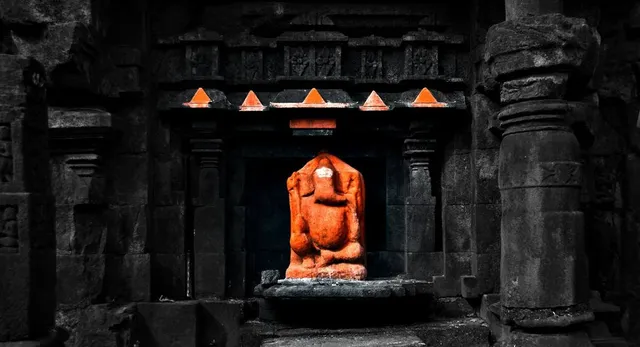
Harishchandreshwar Temple is a renowned ancient temple located on the Harishchandragad Hill in Maharashtra, India. It is a revered Hindu pilgrimage site dedicated to Lord Shiva and is known for its architectural beauty and religious significance.

The temple holds immense historical and mythological importance. It is believed to have been built during the 6th century and showcases exquisite craftsmanship. The intricate carvings and sculptures on the temple walls depict various Hindu deities and mythological scenes, making it a treat for art enthusiasts.

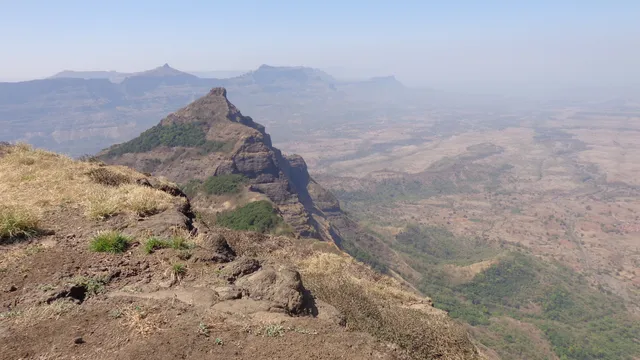
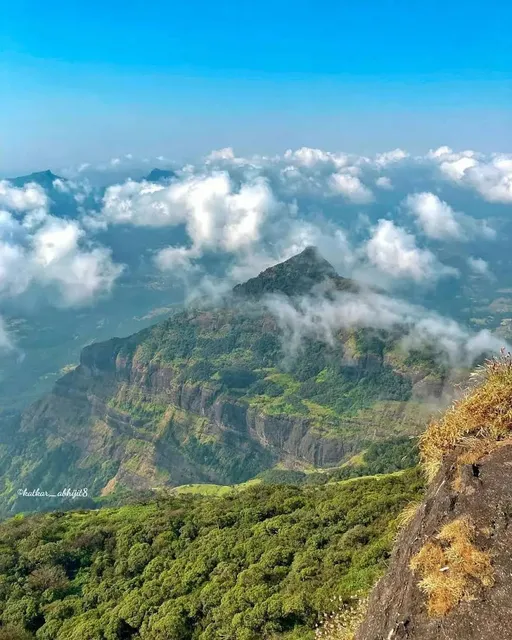
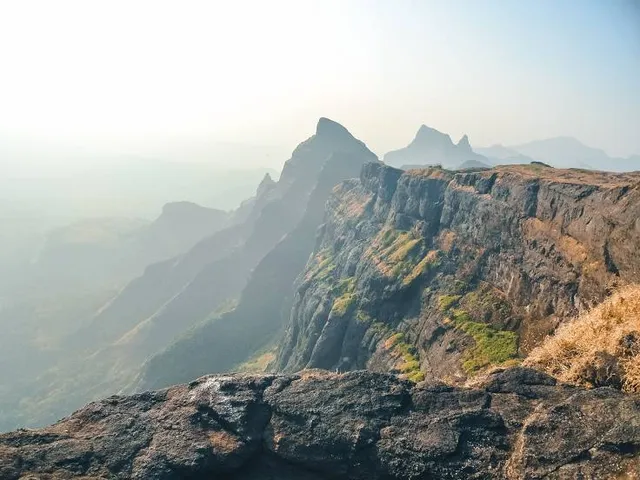
Reaching the Harishchandreshwar Temple involves a trek through the rugged terrain of Harishchandragad Hill. The trek offers stunning views of the surrounding landscapes, including lush valleys, waterfalls, and rocky cliffs. It is a moderately challenging trek, and the journey itself becomes a memorable experience for adventure enthusiasts.

Upon reaching the temple, visitors are greeted with a sense of serenity and spirituality. The peaceful ambiance, coupled with the natural beauty of the hilltop location, creates a perfect setting for devotion and meditation.

The main attraction of the temple is the swayambhu linga, a self-manifested lingam representing Lord Shiva. The lingam is believed to be a swayambhu (self-created) and holds great significance among devotees. The temple also has other shrines dedicated to various deities, adding to its religious significance.

During festivals like Mahashivaratri, the temple attracts a large number of devotees who come to seek blessings and offer prayers. The atmosphere becomes vibrant with devotional chants, rituals, and cultural performances.

It's important to note that visiting Harishchandreshwar Temple requires physical fitness and endurance due to the trek involved. It is advisable to trek with proper guidance, carry essentials like water, snacks, and suitable trekking gear, and be respectful of the religious sanctity of the place.

In conclusion, Harishchandreshwar Temple is a revered pilgrimage site that combines spirituality, architectural beauty, and natural splendor. It offers a unique blend of religious significance and adventurous trekking, making it a must-visit destination for devotees and nature...

   Read more
Page 1 of 7
Previous
Next