Lonavala in Monsoon: A Verdant Escape and Culinary Delight
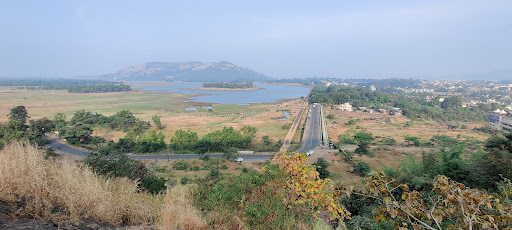
Lonavala, nestled in the Sahyadri ranges of the Western Ghats, truly transforms into a mesmerizing wonderland during the Indian monsoon (June to September). This popular hill station, conveniently located between Mumbai and Pune, becomes a haven for nature lovers and food enthusiasts alike as the rains breathe new life into its already picturesque landscapes.
The Monsoon Magic:
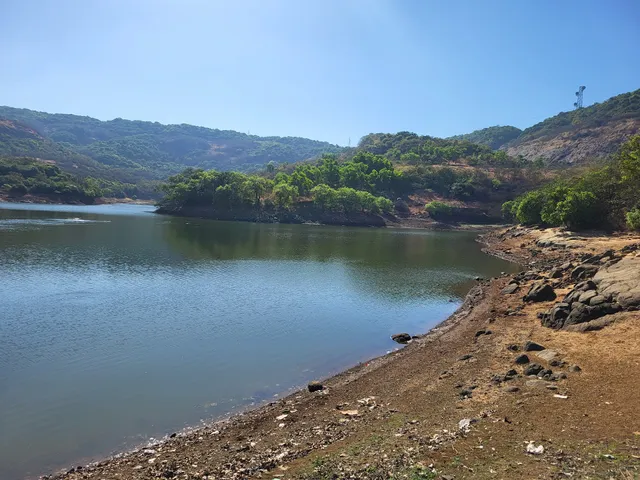
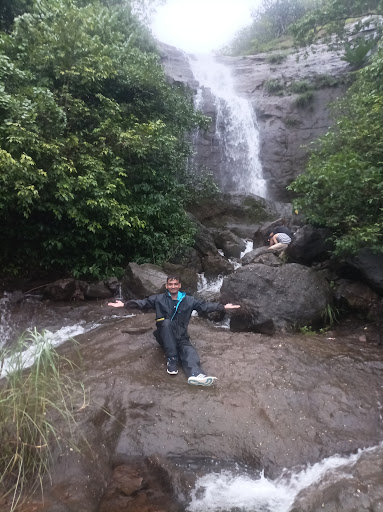
As the monsoon clouds roll in, Lonavala dons a vibrant cloak of emerald green. The hillsides, usually dry and dusty in summer, come alive with lush vegetation, creating a breathtaking panorama. Waterfalls, which were mere trickles before, now cascade down the rocky cliffs in full splendor, offering spectacular sights.
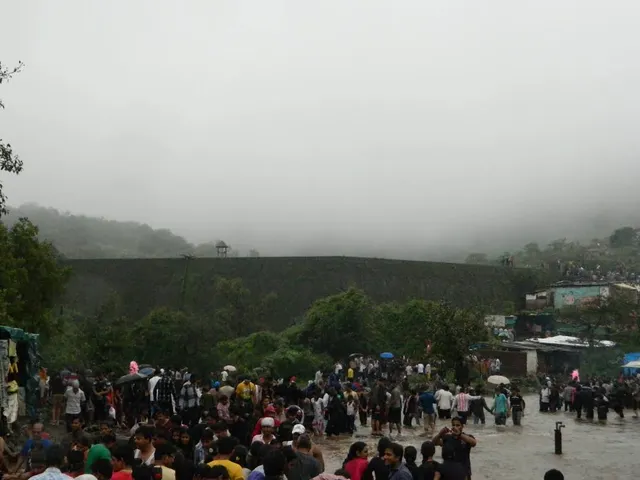
One of the most iconic monsoon spots is Bhushi Dam. During the rains, the overflowing water gushes over its steps, creating a natural water park where visitors gleefully splash around. It's a lively atmosphere, perfect for a refreshing dip and some playful moments. Tiger's Leap and Lion's Point offer unparalleled panoramic views of the mist-covered valleys and dense forests, often adorned with tiny, seasonal waterfalls. The sight of the clouds descending upon the hills, creating an ethereal ambiance, is truly enchanting.
For those seeking adventure, the monsoon is an ideal time for trekking to historical forts like Lohagad Fort and Rajmachi Fort. The trails become more challenging but incredibly rewarding, with the cool, misty weather and verdant surroundings enhancing the experience. Even the ancient Karla and Bhaja Caves, with their intricate Buddhist rock-cut architecture, take on a mystical charm amidst the rainy backdrop. The air is crisp, clean, and infused with the earthy scent of rain-soaked soil, offering a much-needed respite from city life.
Street Food: A Monsoon Must-Have:
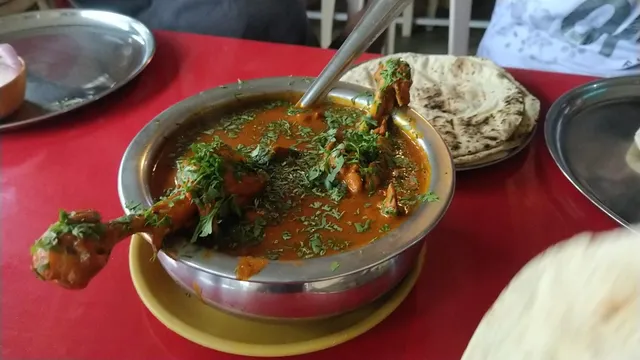
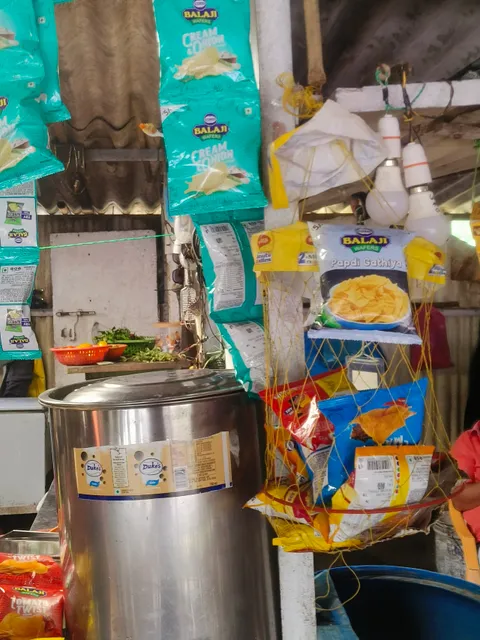
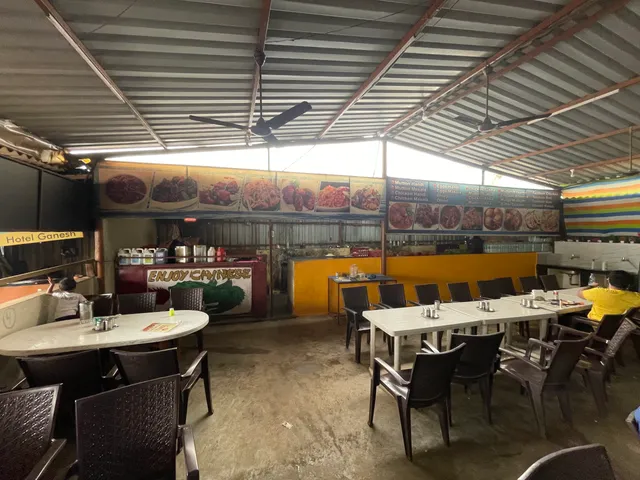
No visit to Lonavala, especially during the monsoon, is complete without indulging in its famed street food. The cool weather and the beautiful scenery perfectly complement the hot, savory, and sweet delights offered by local vendors.
Vada Pav: This quintessential Maharashtrian snack is elevated to a whole new level in Lonavala. Piping hot potato fritters (vada) are perfectly spiced and served snugly in a soft pav (bread bun), often accompanied by a fiery garlic chutney or a refreshing green chutney. The Golden Vada Pav stall is legendary and a must-try, known for its consistent taste and homemade chilli thecha. The combination of crispy vada and soft pav is pure comfort food, especially as the rain drizzles down.
Bhaji (Pakoras): The aroma of freshly fried bhajis wafting through the air is irresistible. From classic onion pakoras to potato and mixed vegetable fritters, these deep-fried delights are the perfect antidote to the monsoon chill. Crispy on the outside and soft on the inside, served with a sprinkle of chaat masala and some chutney, they are a delightful treat.
Chikki: Lonavala is synonymous with chikki, a traditional Indian sweet made from jaggery and various nuts or seeds. This crunchy, wholesome candy is the perfect energy booster and a popular souvenir. You'll find a wide variety, from classic groundnut chikki to sesame, dry fruit, and even chocolate variations. It's the ideal sweet ending to a savory street food feast.
In conclusion, Lonavala in the monsoon is an experience to cherish. It's a symphony of lush greenery, cascading waterfalls, and misty landscapes, all complemented by the warmth and flavor of its iconic street food. Whether you're seeking serene nature walks, adventurous treks, or simply a cozy escape with delicious bites, Lonavala truly shines during the...
Read more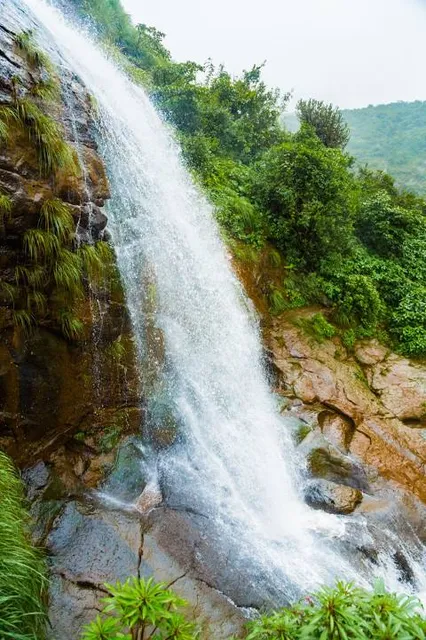
 Learn more insights from Wanderboat AI.