Important shorty point :
Weather : N.A. i.e. seasonally varies.
Timings : 24 hrs
Time Required : 2 - 3 hrs
Entry Fee : No Entry Fee
Note :
#keep our national ancient places clen and safe.. Don't drink and drive there at any cost . #keep your food with you during trekking and traveling from (like dry : farsana, dryfruit, fruit, shev, murmura, wet : drinking water,coldrinks like lemon juice etc.,chapti bhaji, poli-bhaji, chatani, wafers etc) with your medicine (first aid)
#maintain hygiene and cleanness on fort at least don't throw any waste from your bag.
Overview of shivneri fort :
Shivneri Fort is the birthplace of the founder of the Maratha Empire, Chhatrapati Shivaji Maharaj. It was built in the 16th century and was recognised as a military fortification. The place is also famous for being the place where Chhatrapati Shivaji Maharaj was trained. Its proximity from Pune, atop a hill with Junnar at its base, makes Shivneri Fort a good picnic spot for the locals. Its sheer magnificence draws a considerable number of visitors each year. Plus, there are some more attractions nearby which can be covered along with the fort in a day. Those who are always looking for a quiet and quick escape into nature can head to Shivneri. Its terrain makes it a good trekking route too. Having said that, several history lovers are also drawn to the attraction for its historical significance. An English Traveller, Fraze, who visited Shivneri Fort in the late 17th century noticed that the fort was so well managed that it has enough supplies to feed thousands of families for about 6 to 7 years. The ancient architecture and its massive built is also worth a visit to Shivneri Fort.
History :
Shivneri Fort was built between mid and early-16th century over a trade route in Shivneri. Before the route was established, back in the 1st Century AD, Shivneri was majorly occupied by the Buddhists. Later on, the Devagiri and the Yadavas ruled this region. The aim of Shivneri Fort was to guard and protect the trade route that started from Desh and extended till Kalyan. In the 15th century, Shivneri was taken away from the Delhi Sultanate and handed over to the Bahmani Sultanate. Later, the fort was taken over by the Ahmadnagar Sultanate. In the late-16th century, Bahadur Nizam Shah II, the Sultan of Ahmadnagar appointed Maloji Bhonsle as the chief of Shivneri and Chakan. Maloji Bhonsle resided at the fort along with his family and in February 1960, Shivaji Bhonsle (Chhatrapati Shivaji Maharaj) was born at Shivneri. His name was derived from the Shivai Temple inside the fort premises. Shivaji Bhonsle spent most of his childhood years in the fort. In 1820, the fort was acquired by the British after the Anglo-Maratha War.
Important note :
At Shivneri Fort, one can explore the entire premises along with the grand defending gates. Visitors get to see a mosque, a prayer hall, the Badami Talav and the water springs too. The springs are natural springs which are active all through the year. They are called Ganga and Yamuna as they were considered equally sacred. Near the pond, the statues of Shivaji Maharaj and his mother, Jijabai are installed for the visitors to pay tribute to the legends. Another famous activity to do at Shivneri Fort is Trekking through the western slope of the hill. This portion is also called “the chain route” because, during the time of Shivaji Maharaj, his troops would climb up with the help of a chain. Now, this route is a preferred trekking route by intermediate to advanced trekkers. Several trekking groups arrange for such treks at Shivneri. One can also enrol themselves for a safer and enjoyable experience. The region around Shivneri also have some attractions that travellers can explore. Some of them are Malshej Ghat, Lenyadri Caves, Junnar Fort, Pimpalgaon Joga Dam, Giant Metrewave Radio Telescope etc. If a plan is charted carefully, one might be able to cover most of these attractions in...
Read moreShivneri Fort is a historic hill fort located near Junnar in the Pune district of Maharashtra, India. Perched approximately 300 meters above the surrounding landscape, it is renowned as the birthplace of Chhatrapati Shivaji Maharaj, the founder of the Maratha Empire.
Historical Significance:
Early Ownership: The fort has a rich history, having been under the control of various dynasties, including the Yadavas of Devagiri, the Delhi Sultanate, the Bahmani Sultanate, and the Ahmadnagar Sultanate.
Birthplace of Shivaji Maharaj: In 1595, Maloji Bhosale, the grandfather of Shivaji Maharaj, was granted Shivneri and Chakan forts by the Ahmadnagar Sultan. Shivaji Maharaj was born here on February 19, 1630, and spent his early years within the fort's walls.
Maratha-Mughal Conflicts: The fort witnessed significant military engagements, including sieges by Mughal forces. One notable event was the First Siege of Shivneri Fort in 1673, where the Maratha forces, led by Shivaji Maharaj, attempted to capture the fort but faced defeat.
Architectural Features:
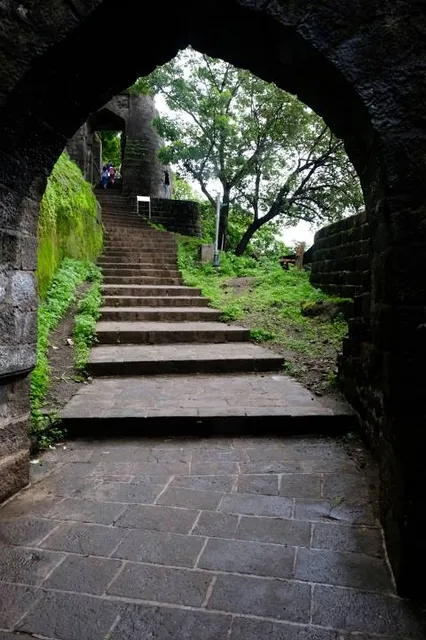
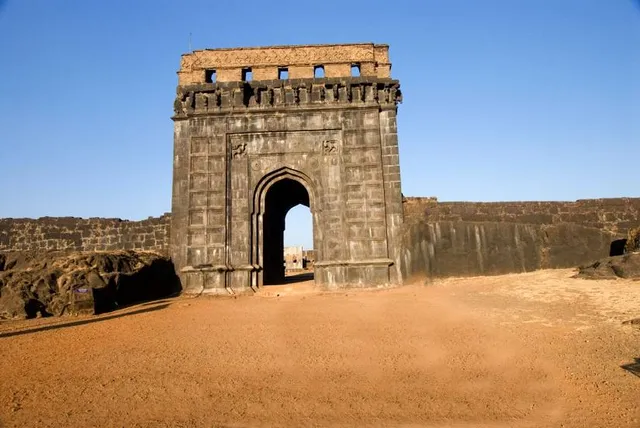
Structure: Shivneri Fort is characterized by its triangular shape, with the main entrance located on the southwest side. It is fortified by seven well-defended gates and surrounded by robust mud walls.
Key Structures: Inside the fort, visitors can find a prayer hall, a tomb, a mosque, and an overhanging platform historically used for executions. A prominent feature is the 'Badami Talav' (a water pond) at the center, with statues of Rajmata Jijabai and a young Shivaji Maharaj situated to its south. The fort also houses two perennial springs, named Ganga and Yamuna, providing water throughout the year.
Visiting Information:
Location: Shivneri Fort is approximately 3 kilometers southwest of Junnar, a town about 90 kilometers from Pune. The fort is accessible by road, and visitors can reach the top via the main entrance or, for a more adventurous experience, through the 'Chain Gate' route, which requires climbing with the aid of chains.
Preservation Status: The fort is a protected monument under the Archaeological Survey of India. In 2021, it was added to the tentative list of UNESCO World Heritage Sites as part of the "Serial Nomination of Maratha Military Architecture in Maharashtra."
Nearby Attractions:
Lenyadri Caves: Located about 2 kilometers from the fort, these Buddhist rock-cut caves are notable for Cave 7, which houses a temple dedicated to Lord Ganesha, making it one of the Ashtavinayak shrines in Maharashtra.
A visit to Shivneri Fort offers a glimpse into India's rich history and architectural heritage, providing insights into the legacy of Chhatrapati Shivaji Maharaj and the...
Read moreMust-visit for history lovers and trekkers. Peaceful, clean, and well-maintained. The birthplace of the great Chhatrapati Shivaji Maharaj is truly inspiring. Easy trek, beautiful views, and lots of heritage to explore.!!
How to Reach Shivneri Fort
🚗 By Road:
From Pune: 90 km – Take NH60 via Narayangaon (2.5–3 hrs)
From Mumbai: 180 km via Malshej Ghat – Scenic route (5 hrs approx)
🅿️ Parking available at the base village near Junnar (walk to the entry steps).
🚌 Public Transport:
ST buses available from Pune (Shivajinagar or Swargate) to Junnar
From Junnar, take an auto-rickshaw to the fort base.
🚶♂️ Trek Info:
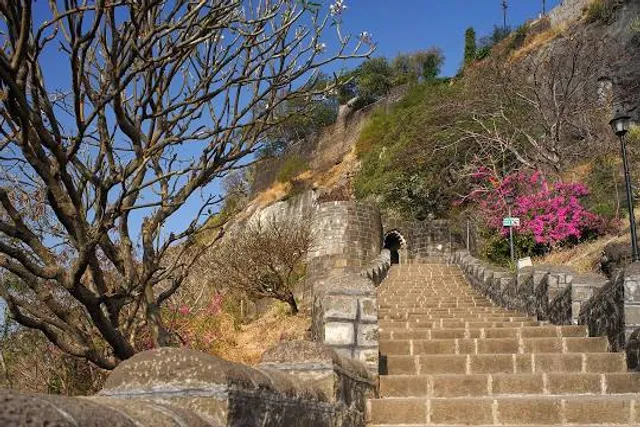
Simple hike (~300 steps) to the top
Duration: 45 mins to 1 hour
Trek is suitable for families and beginners
Cemented steps, shaded spots, and benches along the way
🕰️ Timings & Entry
Open from: 6:00 AM to 6:00 PM daily
Entry Fee: Free
Best time: Winter (Nov–Feb) and Monsoon (lush but slippery)
🏯 Key Attractions
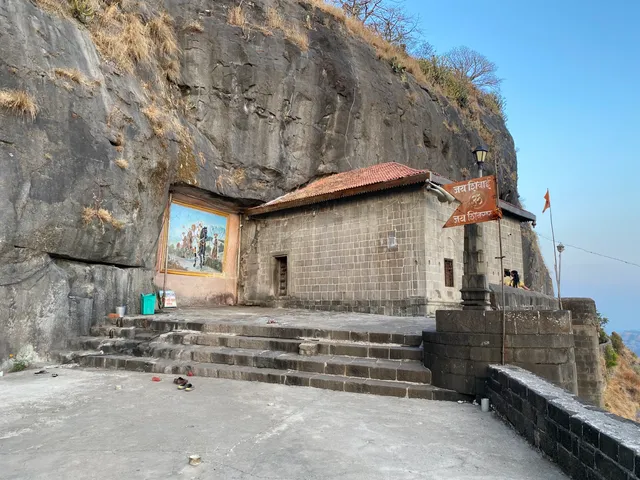
Shiv Janmasthan (Shivaji Maharaj’s Birthplace) – Main room with a cradle replica and history boards.
Jijabai & Child Shivaji Statue – Serene spot, ideal for photos.
Mahadarwaja (Main Entrance Gate) – Majestic structure.
Badami Talav – Ancient water tank, rain-filled and clean.
Watchtowers – Panoramic views of Junnar and Malshej mountains.
Fortification Walls – Huge, with multiple entry gates (7 in total).
Ancient Caves – Buddhist-style carvings and meditation spots.
🏞️ What Makes Shivneri Special?
✅ Historical Importance: Birthplace of the most celebrated Maratha warrior ✅ Family Friendly Trek: Clean, short trek with no difficult climb ✅ Great for Photography: Panoramic views, misty hills in monsoon ✅ Educational Spot: Perfect for school trips, cultural heritage enthusiasts
🍴 Food & Stay Tips
Food: No restaurants on top. Carry water and light snacks.
Good restaurants available in Junnar town (5–10 mins drive)
Stay:
MTDC Resort – 2 km from fort
Budget hotels and homestays available in Junnar
📷 Pro Tips for Visitors
Start early in the morning (before 9 AM) for pleasant weather
Carry your own water bottles and cap/umbrella
Respect the heritage – avoid graffiti or littering
No dangerous cliffs – safe for kids, but always stay alert
🗺️ Nearby Places (Ideal for 1-2 Day Trip)
Place Distance Speciality
🪔 Lenyadri Ganpati (Ashtavinayak) 6 km Ganesh in a Buddhist cave, ancient site 🙏 Ozar Ganpati (Ashtavinayak) 25 km Beautiful temple on riverbank 🌄 Naneghat Pass 35 km Historic mountain pass, ancient carvings 🧘♂️ Junnar Caves (Manmodi group) 5–10 km Ancient Buddhist caves with...
Read more