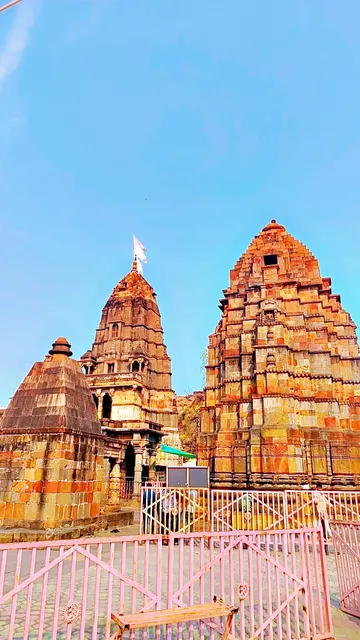
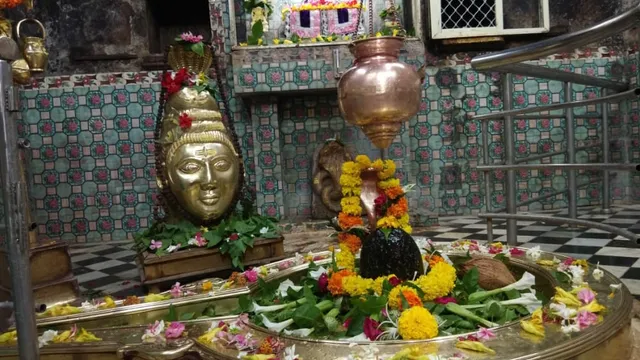
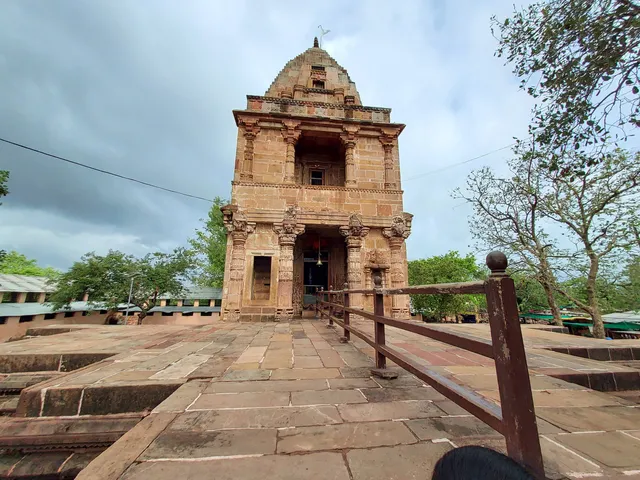
The history of the Omkareshwar Temple dates back to ancient times, and its origins are deeply rooted in Hindu mythology and legends. The temple is dedicated to Lord Shiva, one of the principal deities in Hinduism. The word “Omkareshwar” is derived from two words, “Om,” which is considered the most sacred sound in Hinduism, and “Ishwar,” which means Lord or God. Thus, Omkareshwar translates to “Lord of the Sacred Om.”The Omkareshwar Temple, also known as the Omkareshwar Jyotirlinga, is one of the most revered and ancient Hindu temples in India. Located on an island in the Narmada River, this temple holds a significant place in the hearts of millions of devotees and is an essential pilgrimage site for followers of Lord Shiva. This 2500-word essay will delve into the history, architecture, significance, and legends associated with the Omkareshwar Temple.Yet another legend is related to the story of Narmada, the holy river. It is believed that Narmada was deeply in love with Lord Shiva and wanted to be close to him. To please the Lord, Narmada performed severe penance. Touched by her devotion, Lord Shiva granted her the boon that he would reside in the form of a Jyotirlinga on an island in the Narmada River. This island, which became known as Omkareshwar, is considered a manifestation of Lord Shiva’s divine presence.The temple is associated with one of the twelve Jyotirlingas, which are considered the most sacred abodes of Lord Shiva. The Jyotirlingas are believed to be self-manifested representations of Lord Shiva, and they hold immense spiritual significance for Hindus. Each of the twelve Jyotirlingas is associated with a unique legend and holds a special place in the hearts of devotees.Another popular legend tells the story of Vindhya, a range of mountains in central India. It was believed that Vindhya mountains were growing taller and were challenging the Himalayas, which were considered the highest mountains on earth. This growth of Vindhya threatened to block the path of the sun, causing darkness on earth. To resolve this issue, the sage Agastya, a devotee of Lord Shiva, traveled to the Vindhya mountains and asked them to bow down in reverence to Lord Shiva. The Vindhya mountains obeyed the sage’s request and bowed down, stopping their growth.There are several legends associated with the Omkareshwar Temple. One of the most well-known legends is that of King Mandhata. According to Hindu mythology, King Mandhata was a righteous and pious ruler who performed intense penance to seek the blessings of Lord Shiva. Pleased with his devotion, Lord Shiva appeared before him and granted his wish. He asked for a divine lingam (a representation of Lord Shiva) to be established on an island in the Narmada River, and this island came to be known as Omkareshwar.The temple complex also features several smaller shrines dedicated to other deities, including Lord Ganesha, Goddess Parvati, and Lord Kartikeya. These shrines are exquisitely designed and add to the overall charm of the temple.The main sanctum of the temple houses the Jyotirlinga, which is the primary object of devotion for the pilgrims. The lingam is adorned with various ornaments and flowers by the temple priests. The sanctum is beautifully decorated with intricate carvings and sculptures of various deities and mythological figures.The Omkareshwar Temple is a remarkable example of Hindu temple architecture. The temple complex comprises multiple structures, including the main temple, shrines, courtyards, and a sacred tank. The temple is built in the Nagara architectural style, which is characterized by its towering shikhara (spire) and intricate carvings.Darshan was done within 10 mins as there was no rush. The crowd has increased so much after 6 am. So I must visit before sunrise, for a quick Darshan. Once done with Darshan, visit Mamaleshwar on the other side of the bridge.One of the most captivating features of the Omkareshwar Temple is the intricate artwork and carvings that adorn its walls and pillars. The carvings depict scenes from...
Read moreTitle: Omkareshwar Jyotirlinga: A Divine Encounter on the Banks of the Narmada
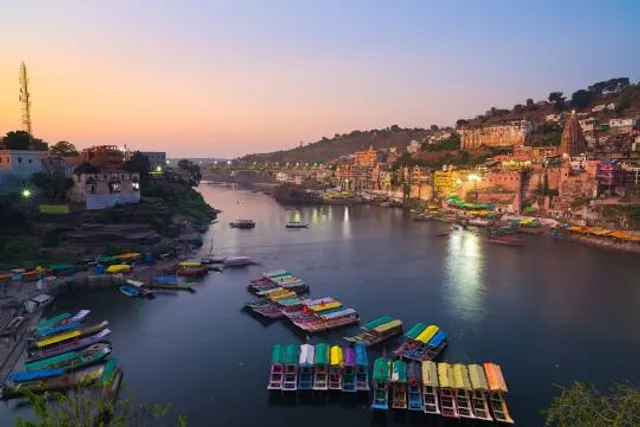
Nestled on the serene banks of the Narmada River, the sacred town of Omkareshwar holds within its heart one of the twelve revered Jyotirlingas – the Omkareshwar Jyotirlinga. This divine abode of Lord Shiva beckons pilgrims and seekers alike, offering not just a religious experience but a profound journey into the mysticism of Hindu spirituality.
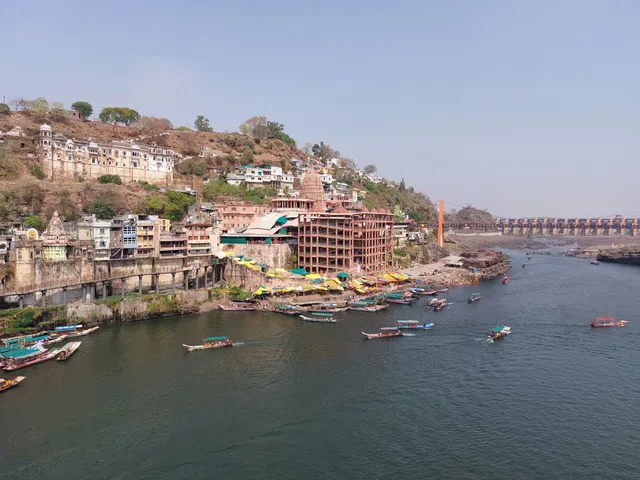
Omkareshwar, meaning the "Lord of Om," derives its name from the sacred symbol 'Om' associated with Lord Shiva. The town is located on an island shaped like the auspicious symbol, surrounded by the flowing waters of the Narmada. The confluence of the river and the Jyotirlinga imparts an ethereal aura to the entire region.
The temple dedicated to Omkareshwar Jyotirlinga is a marvel of medieval Indian architecture. The intricate carvings, towering spires, and sacred sanctum create an atmosphere charged with divine energy. Pilgrims ascend the stone steps with reverence, immersing themselves in the spiritual ambiance that envelops the temple complex.
According to Hindu mythology, the significance of Omkareshwar Jyotirlinga is rooted in a celestial tale. It is believed that Lord Shiva manifested in the form of Omkareshwar to resolve a dispute between Brahma and Vishnu. The sanctity of this Jyotirlinga is enhanced by the legend of its self-originating lingam, symbolizing the omnipresence of Lord Shiva.
Devotees from across the country embark on a pilgrimage to seek the blessings of Omkareshwar Jyotirlinga. The sacred energy radiating from the lingam is said to bestow spiritual enlightenment, inner peace, and liberation from the cycle of birth and death. The devout believe that a sincere prayer at this Jyotirlinga can cleanse the soul and lead to divine grace.
The journey to Omkareshwar is not just a physical one but a soulful odyssey. Pilgrims undertake a circumambulation (parikrama) around the island, visiting various temples that dot the path. The town comes alive during the Maha Shivaratri festival, where elaborate rituals, devotional music, and spiritual discourses create an atmosphere charged with divine fervor.
Omkareshwar Jyotirlinga, with its rich mythology, architectural splendor, and spiritual significance, stands as a testament to the enduring devotion of millions. It is not merely a pilgrimage site but a sacred space that transcends the boundaries of time and connects the seeker with the eternal energy of Lord Shiva. A visit to Omkareshwar is an invitation to delve into the depths of one's spirituality, to experience the divine resonance that echoes through the sacred island on...
Read moreOmkareshwar Temple is one of the most revered Hindu temples dedicated to Lord Shiva. It is located on Mandhata Island in the Narmada River in the state of Madhya Pradesh, India. Here are some key pieces of information about Omkareshwar Temple: Location: Omkareshwar Temple is situated on Mandhata Island, also known as Shivapuri, in the Narmada River. The temple is in the Khandwa district of Madhya Pradesh, approximately 77 kilometers away from Indore. Significance: The temple is one of the 12 revered Jyotirlingas (lingams representing Lord Shiva) in Hindu mythology. It holds great religious and spiritual significance for devotees, and the pilgrimage to Omkareshwar is considered highly auspicious. Architecture: The temple features a distinct blend of North Indian and South Indian architectural styles. The spire (Shikhara) of the temple is adorned with intricate carvings and sculptures. Jyotirlinga: The presiding deity in the temple is Lord Omkareshwar, another name for Lord Shiva. The lingam (symbol of Lord Shiva) is said to be self-manifested and is known as Amareshwar. Panchmukhi Aarti: The temple follows a unique tradition of performing Panchmukhi Aarti, which involves waving five lamps in front of the deity. Devotees believe that participating in this ritual brings blessings and fulfillment of desires. Festivals: Maha Shivaratri is celebrated with great enthusiasm at Omkareshwar Temple. Devotees from various parts of the country visit the temple during this time. Access: The island is connected to the mainland by a suspension bridge. Boats are also available for crossing the Narmada River to reach the temple. Parikrama Path: Pilgrims often undertake a circumambulation (parikrama) of the island, covering important shrines and sites associated with mythology. Tourist Attractions: Apart from the temple, the island and the surrounding areas offer scenic views and a tranquil environment. Accommodation: There are various accommodation options available on the island to cater to the needs of pilgrims and tourists. I have personally visited two hotels for 1 day stay and they are Hotel Lalit Inn and Hotel Royal Inn.
Before planning a visit, it's advisable to check for any updates or changes in the information, as facilities and conditions may evolve over time. As nowadays, every weekend they have diverted traffic towards the water dam side and people have to take rickshaw with 20 Rs per person from Water dam side to the temple via...
Read more