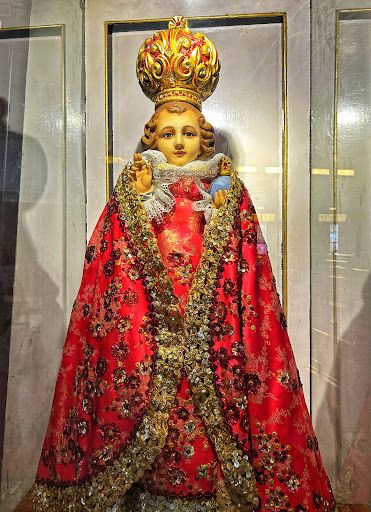
In 1620, on November 8, Ferdinand II, Emperor of Austria, won a decisive victory over Protestant forces at the Battle of White Mountain near Prague. He attributed his success to the intervention of the Infant Jesus. In gratitude, he founded a Carmelite monastery in Prague in 1624. A noblewoman from Spain later visited her daughter, Princess Polixena of Lobkowitz, and gifted her a treasured family heirloom: a 19-inch wooden statue of the Infant Jesus, clothed in a dress and royal mantle, with one hand raised in blessing and the other holding the Globe of the World. In 1631, the statue was nearly destroyed when the Swedish Protestant army invaded Prague, ransacked the Carmelite monastery, and discarded the statue, breaking its hands. It lay forgotten for seven years until peace was restored. Father Cyrilus, a devout monk, found the statue in a refuse heap and placed it back in the oratory. He reportedly heard the statue speak: “Have pity on Me and I will have pity on you. Give me my hands and I will give you peace.” A donation allowed the repair of the statue, but the prior chose to buy a new one instead. Scarcely had it been installed when it was struck by a falling candle-stick and broken to pieces., and the prior fell ill, seen as a sign of divine displeasure. The subsequent prior repaired the original statue with another donation, which was met with miraculous approval. He vowed to hold nine consecutive Masses if he recovered from a severe illness, and after his recovery, the statue was given a place of honor. The statue brought miraculous aid, and when the monastery faced destitution, special prayers led to an unexpected donation. To spread veneration, the statue was moved to the adjoining church, where it attracted large numbers of devotees. It was eventually enshrined in a magnificent chapel with a gold-plated tabernacle. By 1655, the statue was so renowned for its miracles that the Apostolic See officially crowned it, acknowledging its special status. Replicas spread worldwide, inspiring widespread devotion to the Infant Jesus. About Nasik Church In 1962, Father Peter Lewis sought to promote this devotion in Bombay. Initial donations were small, but support grew. A retired teacher, a devout follower, urged him to start this devotion and contributed generously. Plans for a shrine faced challenges, particularly with the Air Force due to its proximity to the aerodrome. However, just before Christmas, permission was granted, seen as a Christmas miracle. The shrine was completed and inaugurated in February 1970, drawing thousands of devotees. The annual feast in February continues to attract large crowds, reflecting the deep faith and devotion to the Infant Jesus.
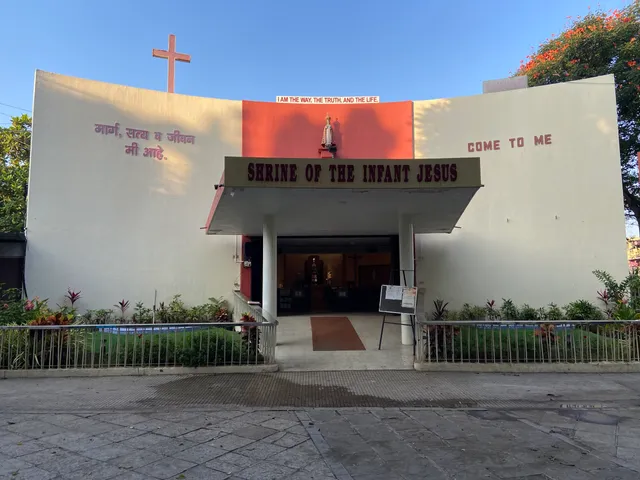
The Shrine of the Infant Jesus in Nashik, located in the state of Maharashtra, India, is a significant pilgrimage destination for Catholics and devotees of the Infant Jesus of Prague. The shrine houses a statue of the Infant Jesus, which is believed to have miraculous powers and is revered by many for granting favors and blessings.
The history of the shrine dates back to the establishment of the Catholic community in Nashik during the colonial era. The exact origins of the statue are unclear, but it is said to have been brought to Nashik by missionaries or settlers. Over the years, devotion to the Infant Jesus grew, and the shrine became a focal point for prayer and worship.
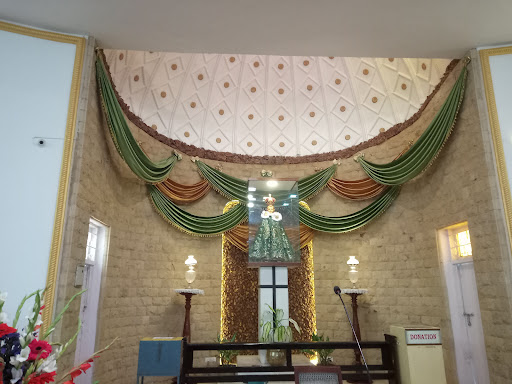
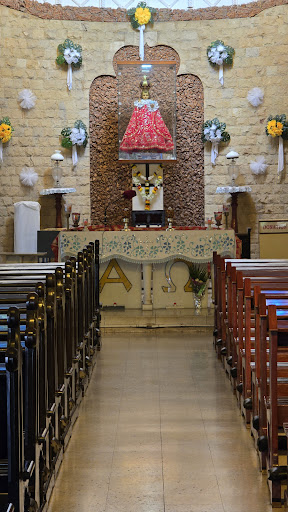
The shrine features a beautiful church where devotees gather for Mass, prayer services, and devotional activities. The atmosphere is one of reverence and faith, with many visitors coming to seek blessings, healing, and solutions to their problems. The shrine also hosts various religious events and celebrations throughout the year, drawing pilgrims from far and wide.
Devotees often offer candles, flowers, and prayers at the shrine, expressing their devotion and seeking intercession from the Infant Jesus. Many people attribute miracles and answered prayers to the intercession of the Infant Jesus of Prague.
Overall, the Shrine of the Infant Jesus in Nashik is a place of spiritual significance and devotion for Catholics and believers in the power of the Infant Jesus. It continues to attract pilgrims seeking solace, hope, and divine intervention in...
Read moreWe attended the feast of Infant Jesus, and on the last day of the novena, the church was packed with a large crowd. Despite the high turnout, the church volunteers efficiently managed the situation, continuously providing chairs to ensure that everyone had a seat. The church reached its full capacity for every mass, yet the volunteers ensured that no one was left standing.
On the feast day, we attended the 6 am mass and afterward, there were food and tea stalls available for people to visit. Additionally, the volunteers had set up book stalls for the convenience of the attendees. The venue itself was spacious, allowing ample room for everyone. The facilities, including parking and washrooms, were well-maintained and properly organized.
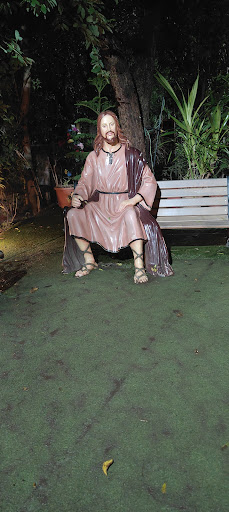
Despite the large size of the venue, cleanliness was diligently maintained throughout. One notable attraction was a statue of Jesus seated on a bench, which provided a picturesque spot for people to take photographs.
Overall, our experience on both days was excellent. The devotion and dedication of the volunteers, combined with the well-managed facilities and warm atmosphere, made it a...
Read more