HTML SitemapExplore
logo
Find Things to DoFind The Best Restaurants

Safdarjung Tomb, Delhi — Attraction in New Delhi

Name
Safdarjung Tomb, Delhi
Description
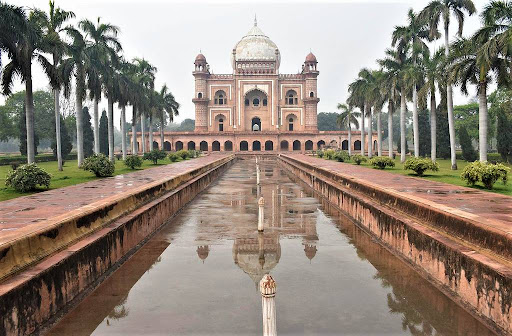
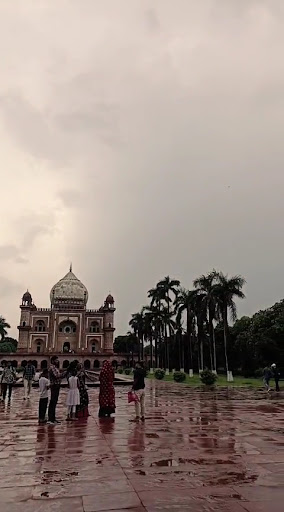
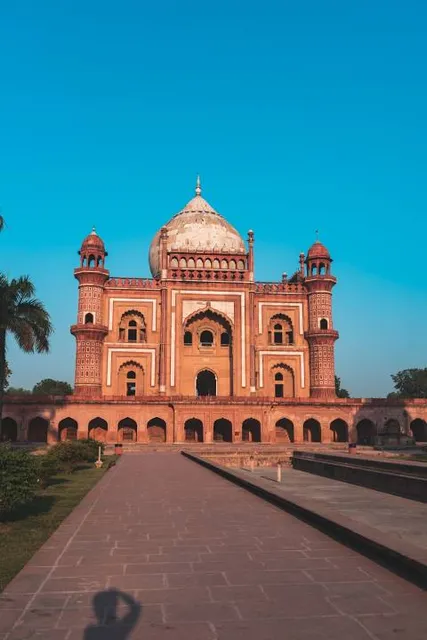
Safdarjung's tomb is a sandstone and marble mausoleum in Delhi, India. It was built in 1754 in the late Mughal Empire style for Nawab Safdarjung. The monument has an ambience of spaciousness and an imposing presence with its domed and arched red, brown and white coloured structures.
Nearby attractions
Lodhi Garden
Lodhi Rd, Lodhi Gardens, Lodhi Estate, New Delhi, Delhi 110003, India
Lodhi Garden , Back Entry
H6R8+VPC, Prithviraj Rd, Prathviraj Road Area, Lodhi Estate, New Delhi, Delhi 110003, India
Nearby restaurants
Naanzeria- The Pizza Naan Co
No 4, 15A, Lodhi Rd, Lodhi Colony, Block 23, BK Dutt Colony, New Delhi, Delhi 110003, India
The Nineteenth Hole
Airforce Sports Complex, Airforce Golf Course, Delhi Race Club, New Delhi, Delhi 110021, India
Veer Jee Restaurant
59, Block H, BK Dutt Colony, New Delhi, Delhi 110003, India
Pocket Friendly Cafe
gate no 1, K9 BK Dutt Colony, Jor Bagh, New Delhi, Delhi 110003, India
Garden Chef
Lodi Colony, New Delhi, Delhi 110003, India
Bobby Di Rasoi
f-111, opp. Safdarjung Airport, Block F2, BK Dutt Colony, New Delhi, Delhi 110003, India
Cafeteria
H6W4+2RJ, Airforce Golf Course, Delhi Race Club, New Delhi, Delhi 110021, India
Nearby hotels
Lutyens Bungalow
39, Prithviraj Rd, near Safdurjung Tomb, Prathviraj Road Area, Tughlak Road Area, New Delhi, Delhi 110003, India
Jorbagh BnB
197, Jor Bagh Rd, Jor Bagh, New Delhi, Delhi 110003, India
Related posts
Keywords
Safdarjung Tomb, Delhi tourism.Safdarjung Tomb, Delhi hotels.Safdarjung Tomb, Delhi bed and breakfast. flights to Safdarjung Tomb, Delhi.Safdarjung Tomb, Delhi attractions.Safdarjung Tomb, Delhi restaurants.Safdarjung Tomb, Delhi travel.Safdarjung Tomb, Delhi travel guide.Safdarjung Tomb, Delhi travel blog.Safdarjung Tomb, Delhi pictures.Safdarjung Tomb, Delhi photos.Safdarjung Tomb, Delhi travel tips.Safdarjung Tomb, Delhi maps.Safdarjung Tomb, Delhi things to do.
Safdarjung Tomb, Delhi things to do, attractions, restaurants, events info and trip planning
Safdarjung Tomb, Delhi
IndiaDelhiNew DelhiSafdarjung Tomb, Delhi

Basic Info

Safdarjung Tomb, Delhi

Airforce Golf Course, Delhi Race Club, New Delhi, Delhi 110003, India
4.4(6.1K)
Open 24 hours
Save
spot

Ratings & Description

Info

Safdarjung's tomb is a sandstone and marble mausoleum in Delhi, India. It was built in 1754 in the late Mughal Empire style for Nawab Safdarjung. The monument has an ambience of spaciousness and an imposing presence with its domed and arched red, brown and white coloured structures.

Cultural
Outdoor
Family friendly
attractions: Lodhi Garden, Lodhi Garden , Back Entry, restaurants: Naanzeria- The Pizza Naan Co, The Nineteenth Hole, Veer Jee Restaurant, Pocket Friendly Cafe, Garden Chef, Bobby Di Rasoi, Cafeteria
logoLearn more insights from Wanderboat AI.
Website
delhitourism.gov.in

Plan your stay

hotel
Pet-friendly Hotels in New Delhi
Find a cozy hotel nearby and make it a full experience.
hotel
Affordable Hotels in New Delhi
Find a cozy hotel nearby and make it a full experience.
hotel
The Coolest Hotels You Haven't Heard Of (Yet)
Find a cozy hotel nearby and make it a full experience.
hotel
Trending Stays Worth the Hype in New Delhi
Find a cozy hotel nearby and make it a full experience.

Reviews

Nearby attractions of Safdarjung Tomb, Delhi

Lodhi Garden

Lodhi Garden , Back Entry

Lodhi Garden

Lodhi Garden

4.5

(20.1K)

Open 24 hours
Click for details
Lodhi Garden , Back Entry

Lodhi Garden , Back Entry

4.6

(90)

Closed
Click for details

Things to do nearby

Titanic: A Voyage Through Time
Tue, Dec 9 • 12:00 PM
NH 8, Sector 15 Part 2, Sector 17, Gurugram, 122001
View details
Museum of Illusions New Delhi - Official Ticketing Partner
Mon, Dec 8 • 11:00 AM
A 30-33, 1st Floor A Block, Inner Circle Connaught Place (Near Rajiv Chowk Metro Station Exit Gate Number 8), 110001
View details
ISKATE by Roseate
ISKATE by Roseate
Mon, Dec 8 • 12:00 PM
6th Floor, Ambience Mall, NH-8, Gurugram, 122001
View details

Nearby restaurants of Safdarjung Tomb, Delhi

Naanzeria- The Pizza Naan Co

The Nineteenth Hole

Veer Jee Restaurant

Pocket Friendly Cafe

Garden Chef

Bobby Di Rasoi

Cafeteria

Naanzeria- The Pizza Naan Co

Naanzeria- The Pizza Naan Co

4.0

(4)

Closed
Click for details
The Nineteenth Hole

The Nineteenth Hole

4.5

(158)

$$

Closed
Click for details
Veer Jee Restaurant

Veer Jee Restaurant

4.0

(307)

Click for details
Pocket Friendly Cafe

Pocket Friendly Cafe

5.0

(57)

Click for details
Get the Appoverlay
Get the AppOne tap to find yournext favorite spots!
Wanderboat LogoWanderboat

Your everyday Al companion for getaway ideas

CompanyAbout Us
InformationAI Trip PlannerSitemap
SocialXInstagramTiktokLinkedin
LegalTerms of ServicePrivacy Policy

Get the app

© 2025 Wanderboat. All rights reserved.
logo

Reviews of Safdarjung Tomb, Delhi

4.4
(6,087)
avatar
5.0
26w

Safdarjung Tomb: A Glimpse into Mughal Grandeur The Safdarjung Tomb, located in New Delhi, India, is a remarkable example of late Mughal architecture and stands as a symbol of the empire's final days of splendor. Built in 1754, this tomb was constructed in memory of Mirza Muqim Abul Mansur Khan, better known as Safdarjung, who served as the prime minister (Vizier) of the Mughal Empire during the reign of Emperor Ahmad Shah Bahadur. Despite being constructed during a time of decline for the Mughals, the tomb is an architectural marvel that reflects the empire’s rich aesthetic traditions and cultural heritage.

Safdarjung was a powerful statesman from Awadh (modern-day Uttar Pradesh), and his influence in the Mughal court was significant during a period when the empire was struggling to maintain its grip on power. After his death in 1754, his son Shuja-ud-Daula sought permission from the Mughal emperor to build a mausoleum in his father's honor. The tomb was designed by an Abyssinian architect and built with sandstone and marble, combining Persian and Mughal styles, and it now stands as the last monumental garden tomb of the Mughals in India.

The structure is set in the center of a large charbagh-style garden, which is a hallmark of Mughal funerary architecture, inspired by Persian gardens symbolizing paradise. The tomb itself is built on a raised platform and consists of a central domed chamber surrounded by four smaller chambers. The massive central dome is one of its most striking features, rising majestically over the monument and reflecting the Mughal affinity for symmetry and grandeur.

The facade of the tomb is richly ornamented, with intricate lattice work, floral motifs, and decorative arches. The use of red sandstone with white marble inlays creates a vibrant visual contrast. While it echoes the layout and style of the more famous Humayun’s Tomb, which served as a prototype, Safdarjung’s Tomb has its own unique identity, characterized by slightly more flamboyant features and less strict adherence to proportion and symmetry. This deviation is often seen as reflective of the waning resources and craftsmanship of the later Mughal period.

Surrounding the main mausoleum are several smaller structures including a mosque and pavilions. The entire complex is enclosed within high walls, and four water channels run through the garden, converging at the tomb, exemplifying the traditional Mughal charbagh layout. The water system, although no longer functioning as it once did, was an essential aspect of Mughal garden design, meant to symbolize the rivers of paradise.

Safdarjung Tomb also holds historical significance beyond its architecture. It marks the end of an era of monumental Mughal tomb-building, which began with the tomb of Humayun in the 16th century. By the mid-18th century, the Mughal Empire was in decline, with power increasingly held by regional leaders and the emerging British colonial forces. The tomb thus serves as both a commemoration of a prominent figure and a silent witness to the political and cultural transitions that were reshaping India.

Today, the tomb is protected and maintained by the Archaeological Survey of India. It remains a site of historical interest and architectural study, drawing tourists, historians, and architecture enthusiasts alike. Its lush gardens and striking structure offer a peaceful retreat in the heart of bustling New Delhi, reminding visitors of the grandeur and complexity of India’s Mughal heritage.

In conclusion, Safdarjung Tomb is more than just a mausoleum; it is a testament to the fading glory of the Mughal Empire and a significant piece of India’s cultural and architectural history. It stands as a symbol of both continuity and change, representing the last echo of a great empire that once ruled much of the Indian...

   Read more
avatar
4.0
14w

My Experience at Safdarjung Tomb

Last month, I had the opportunity to visit Safdarjung Tomb, one of the most remarkable monuments of Delhi. As someone who enjoys exploring historical places, this visit felt like stepping into the past and witnessing the silent stories carved in stone. The tomb is located near the Lodhi Road area of New Delhi, surrounded by lush green gardens and a peaceful atmosphere that instantly transports you away from the noise of the city.

The first sight of the tomb was mesmerizing. Its grand Mughal-style gateway and massive red sandstone structure stood tall, welcoming me with a sense of awe. Built in 1754 in memory of Safdarjung, the Prime Minister of the Mughal Empire during the reign of Muhammad Shah, the monument is often called the “last flicker of Mughal architecture.” As I walked closer, I could clearly see the blend of red sandstone and white marble, a typical feature of Mughal design. The beautiful arches, ornamental patterns, and intricate carvings added a charm of their own.

Entering the main garden complex, I felt surrounded by symmetry. The entire tomb follows the charbagh style (four-part garden), where water channels divide the pathways leading directly to the main mausoleum. The fountains, though not working at present, must have once enhanced the beauty of the monument. I paused for a moment at the central tank and imagined how royal this place must have looked in the 18th century when Mughal architecture was at its peak.

The main tomb structure is built on a raised platform. As I climbed the steps and entered inside, a cool breeze welcomed me. The central chamber contained the grave of Safdarjung, and around it were small rooms with arched openings. The walls were simple yet graceful, with traces of old Mughal artistry still visible. Standing under the giant dome, I felt a deep sense of calmness and respect for the history that this place holds.

One of the highlights of my visit was walking along the corridors and looking out from the arched balconies. The view of the gardens from the windows was breathtaking—green lawns stretching out symmetrically with pathways lined by trees. It felt like nature and history were shaking hands in harmony.

What made the experience even more special was the relative peace of the place. Unlike the crowded Taj Mahal or Red Fort, Safdarjung Tomb had fewer visitors, which gave me the chance to explore it at my own pace. I sat in the garden for a while, simply soaking in the silence, listening to the chirping of birds, and appreciating the beauty of Mughal art that still survives in the heart of Delhi.

This visit was not just about looking at an old monument—it was about connecting with history. Safdarjung Tomb represents the fading glory of the Mughals, yet it stands proudly even today, narrating tales of power, politics, and art. The architectural beauty, the greenery, and the peaceful environment made my experience unforgettable.

When I finally left the tomb, I carried with me not only photographs but also a deep admiration for India’s rich heritage. Visiting Safdarjung Tomb reminded me that history is not just written in books—it is also built in stone,...

   Read more
avatar
5.0
2y

Safdarjung’s Tomb is a beautiful mausoleum located in the heart of Delhi, India. It was built in 1754 by the son of Safdarjung, Nawab Shujaud Daula, in memory of his father, who was the Prime Minister of the Mughal Emperor, Muhammad Shah. The tomb is one of the last great examples of Mughal-style architecture in India and is a popular tourist destination for history and architecture enthusiasts.

The architectural style of Safdarjung’s Tomb is a fusion of Mughal and Persian styles, which was a common architectural trend during that time. The tomb is made of red sandstone and is surrounded by a garden, which is divided into four parts by water channels. The garden is well-manicured and adds to the beauty of the tomb. The main entrance to the tomb is a grand gate, which is also made of red sandstone.

The tomb itself is a double-storeyed structure, with a central chamber surrounded by eight smaller rooms. The central chamber has an octagonal shape and is topped by a dome, which is decorated with intricate designs and patterns. The smaller rooms are located on the four corners of the central chamber and are connected to it by a series of corridors.

The tomb is decorated with beautiful carvings and motifs, which are typical of Mughal architecture. The intricate designs on the walls and ceilings of the tomb are breathtaking, and the use of red sandstone adds to its beauty. The tomb is surrounded by a beautiful garden, which is a perfect place to relax and enjoy the beauty of the monument.

The history surrounding Safdarjung’s Tomb is also fascinating. Safdarjung was the Prime Minister of the Mughal Emperor, Muhammad Shah, and was known for his administrative skills and diplomatic abilities. He died in 1754, and his son, Nawab Shujaud Daula, built the tomb in his memory.

There are several tourist packages available for those who wish to visit Safdarjung’s Tomb. These packages include transportation, accommodation, and guided tours of the tomb and its surroundings. Many of these packages also include visits to other famous landmarks in Delhi, such as the Red Fort and the Qutub Minar.

In conclusion, Safdarjung’s Tomb is a beautiful and historically significant monument that is a must-visit destination for anyone interested in history or architecture. Its stunning aesthetics, fascinating history, and connection to the Mughal Empire make it a true masterpiece of Mughal architecture, and its popularity as a tourist destination is a testament to its...

   Read more
Page 1 of 7
Previous
Next

Posts

Jatin ChoudharyJatin Choudhary
Safdarjung Tomb: A Glimpse into Mughal Grandeur The Safdarjung Tomb, located in New Delhi, India, is a remarkable example of late Mughal architecture and stands as a symbol of the empire's final days of splendor. Built in 1754, this tomb was constructed in memory of Mirza Muqim Abul Mansur Khan, better known as Safdarjung, who served as the prime minister (Vizier) of the Mughal Empire during the reign of Emperor Ahmad Shah Bahadur. Despite being constructed during a time of decline for the Mughals, the tomb is an architectural marvel that reflects the empire’s rich aesthetic traditions and cultural heritage. Safdarjung was a powerful statesman from Awadh (modern-day Uttar Pradesh), and his influence in the Mughal court was significant during a period when the empire was struggling to maintain its grip on power. After his death in 1754, his son Shuja-ud-Daula sought permission from the Mughal emperor to build a mausoleum in his father's honor. The tomb was designed by an Abyssinian architect and built with sandstone and marble, combining Persian and Mughal styles, and it now stands as the last monumental garden tomb of the Mughals in India. The structure is set in the center of a large charbagh-style garden, which is a hallmark of Mughal funerary architecture, inspired by Persian gardens symbolizing paradise. The tomb itself is built on a raised platform and consists of a central domed chamber surrounded by four smaller chambers. The massive central dome is one of its most striking features, rising majestically over the monument and reflecting the Mughal affinity for symmetry and grandeur. The facade of the tomb is richly ornamented, with intricate lattice work, floral motifs, and decorative arches. The use of red sandstone with white marble inlays creates a vibrant visual contrast. While it echoes the layout and style of the more famous Humayun’s Tomb, which served as a prototype, Safdarjung’s Tomb has its own unique identity, characterized by slightly more flamboyant features and less strict adherence to proportion and symmetry. This deviation is often seen as reflective of the waning resources and craftsmanship of the later Mughal period. Surrounding the main mausoleum are several smaller structures including a mosque and pavilions. The entire complex is enclosed within high walls, and four water channels run through the garden, converging at the tomb, exemplifying the traditional Mughal charbagh layout. The water system, although no longer functioning as it once did, was an essential aspect of Mughal garden design, meant to symbolize the rivers of paradise. Safdarjung Tomb also holds historical significance beyond its architecture. It marks the end of an era of monumental Mughal tomb-building, which began with the tomb of Humayun in the 16th century. By the mid-18th century, the Mughal Empire was in decline, with power increasingly held by regional leaders and the emerging British colonial forces. The tomb thus serves as both a commemoration of a prominent figure and a silent witness to the political and cultural transitions that were reshaping India. Today, the tomb is protected and maintained by the Archaeological Survey of India. It remains a site of historical interest and architectural study, drawing tourists, historians, and architecture enthusiasts alike. Its lush gardens and striking structure offer a peaceful retreat in the heart of bustling New Delhi, reminding visitors of the grandeur and complexity of India’s Mughal heritage. In conclusion, Safdarjung Tomb is more than just a mausoleum; it is a testament to the fading glory of the Mughal Empire and a significant piece of India’s cultural and architectural history. It stands as a symbol of both continuity and change, representing the last echo of a great empire that once ruled much of the Indian subcontinent.
Syed Obaidullah HussainiSyed Obaidullah Hussaini
Safdarjung’s Tomb is a beautiful mausoleum located in the heart of Delhi, India. It was built in 1754 by the son of Safdarjung, Nawab Shujaud Daula, in memory of his father, who was the Prime Minister of the Mughal Emperor, Muhammad Shah. The tomb is one of the last great examples of Mughal-style architecture in India and is a popular tourist destination for history and architecture enthusiasts. The architectural style of Safdarjung’s Tomb is a fusion of Mughal and Persian styles, which was a common architectural trend during that time. The tomb is made of red sandstone and is surrounded by a garden, which is divided into four parts by water channels. The garden is well-manicured and adds to the beauty of the tomb. The main entrance to the tomb is a grand gate, which is also made of red sandstone. The tomb itself is a double-storeyed structure, with a central chamber surrounded by eight smaller rooms. The central chamber has an octagonal shape and is topped by a dome, which is decorated with intricate designs and patterns. The smaller rooms are located on the four corners of the central chamber and are connected to it by a series of corridors. The tomb is decorated with beautiful carvings and motifs, which are typical of Mughal architecture. The intricate designs on the walls and ceilings of the tomb are breathtaking, and the use of red sandstone adds to its beauty. The tomb is surrounded by a beautiful garden, which is a perfect place to relax and enjoy the beauty of the monument. The history surrounding Safdarjung’s Tomb is also fascinating. Safdarjung was the Prime Minister of the Mughal Emperor, Muhammad Shah, and was known for his administrative skills and diplomatic abilities. He died in 1754, and his son, Nawab Shujaud Daula, built the tomb in his memory. There are several tourist packages available for those who wish to visit Safdarjung’s Tomb. These packages include transportation, accommodation, and guided tours of the tomb and its surroundings. Many of these packages also include visits to other famous landmarks in Delhi, such as the Red Fort and the Qutub Minar. In conclusion, Safdarjung’s Tomb is a beautiful and historically significant monument that is a must-visit destination for anyone interested in history or architecture. Its stunning aesthetics, fascinating history, and connection to the Mughal Empire make it a true masterpiece of Mughal architecture, and its popularity as a tourist destination is a testament to its enduring appeal.
Tanim Aziz AawviTanim Aziz Aawvi
Safdarjung's Tomb: Safdarjung's tomb, also known as 'Safdarjung Ka Maqbara', is a sandstone and marble mausoleum in Delhi, India. It was built in 1754 in the late Mughal Empire style for Nawab Safdarjung. The full name of Safdarjung was Abul Mansur Mirza Muhammad Muqim Ali Khan. Safdar Jang was an able administrator. He was not only effective in keeping control of Awadh, but also managed to render valuable assistance to the weakened Emperor Muhammad Shah. He was soon given governorship of Kashmir as well, and became a central figure at the Delhi court. Following the death of Emperor Muhammad Shah in 1748, he moved to Delhi. Under the newly crowned Mughal Emperor Ahmad Shah Bahadur, Safdar Jang was appointed as the Prime Minister (Wazir) with the title Vazir ul-Mamalk-i-Hindustan when the Mughal Empire's influence had dwindled to only parts of northern India. As Wazir, Safdar Jang effectively wielded considerable power, reducing the emperor to a mere figurehead. His dominance and authoritarian approach, however, earned him strong opposition from rival nobles, including Imad-ul-Mulk and Najib-ud-Daulah, who led a faction against him. Contrary to popular belief, the Marathas were not directly involved in his ousting. After a series of battles, Safdar Jang was forced to leave Delhi in 1753 due to mounting opposition, returning to Awadh where he died in 1754. Following his death his son Nawab Shuja-ud-Daula sought permission from the Mughal emperor to construct a tomb for his father in Delhi. The tomb, designed by an Abyssinian architect named Bilal Muhammad Khan, was built at a cost of approximately three lakh rupees and remains a significant example of late Mughal architecture. The tomb, within a garden, is in a late version of the style of earlier Mughal imperial tombs (in the tradition of Humayun’s Tomb), with inside "eight paradises" (hasht bihisht) or eight rooms around the main chamber under the dome, and a garden divided into four parts outside. It has several smaller pavilions with evocative names like Jangli Mahal, (Palace in the woods), Moti Mahal (Pearl Palace) and Badshah Pasand (King's favourite). The complex also has a madarsa. The archaeological Survey of India maintains a library over the main gateway. Address: Airforce Golf Course, Delhi Race Club, New Delhi, Delhi 110003, India.
See more posts
See more posts
hotel
Find your stay

Pet-friendly Hotels in New Delhi

Find a cozy hotel nearby and make it a full experience.

Safdarjung Tomb: A Glimpse into Mughal Grandeur The Safdarjung Tomb, located in New Delhi, India, is a remarkable example of late Mughal architecture and stands as a symbol of the empire's final days of splendor. Built in 1754, this tomb was constructed in memory of Mirza Muqim Abul Mansur Khan, better known as Safdarjung, who served as the prime minister (Vizier) of the Mughal Empire during the reign of Emperor Ahmad Shah Bahadur. Despite being constructed during a time of decline for the Mughals, the tomb is an architectural marvel that reflects the empire’s rich aesthetic traditions and cultural heritage. Safdarjung was a powerful statesman from Awadh (modern-day Uttar Pradesh), and his influence in the Mughal court was significant during a period when the empire was struggling to maintain its grip on power. After his death in 1754, his son Shuja-ud-Daula sought permission from the Mughal emperor to build a mausoleum in his father's honor. The tomb was designed by an Abyssinian architect and built with sandstone and marble, combining Persian and Mughal styles, and it now stands as the last monumental garden tomb of the Mughals in India. The structure is set in the center of a large charbagh-style garden, which is a hallmark of Mughal funerary architecture, inspired by Persian gardens symbolizing paradise. The tomb itself is built on a raised platform and consists of a central domed chamber surrounded by four smaller chambers. The massive central dome is one of its most striking features, rising majestically over the monument and reflecting the Mughal affinity for symmetry and grandeur. The facade of the tomb is richly ornamented, with intricate lattice work, floral motifs, and decorative arches. The use of red sandstone with white marble inlays creates a vibrant visual contrast. While it echoes the layout and style of the more famous Humayun’s Tomb, which served as a prototype, Safdarjung’s Tomb has its own unique identity, characterized by slightly more flamboyant features and less strict adherence to proportion and symmetry. This deviation is often seen as reflective of the waning resources and craftsmanship of the later Mughal period. Surrounding the main mausoleum are several smaller structures including a mosque and pavilions. The entire complex is enclosed within high walls, and four water channels run through the garden, converging at the tomb, exemplifying the traditional Mughal charbagh layout. The water system, although no longer functioning as it once did, was an essential aspect of Mughal garden design, meant to symbolize the rivers of paradise. Safdarjung Tomb also holds historical significance beyond its architecture. It marks the end of an era of monumental Mughal tomb-building, which began with the tomb of Humayun in the 16th century. By the mid-18th century, the Mughal Empire was in decline, with power increasingly held by regional leaders and the emerging British colonial forces. The tomb thus serves as both a commemoration of a prominent figure and a silent witness to the political and cultural transitions that were reshaping India. Today, the tomb is protected and maintained by the Archaeological Survey of India. It remains a site of historical interest and architectural study, drawing tourists, historians, and architecture enthusiasts alike. Its lush gardens and striking structure offer a peaceful retreat in the heart of bustling New Delhi, reminding visitors of the grandeur and complexity of India’s Mughal heritage. In conclusion, Safdarjung Tomb is more than just a mausoleum; it is a testament to the fading glory of the Mughal Empire and a significant piece of India’s cultural and architectural history. It stands as a symbol of both continuity and change, representing the last echo of a great empire that once ruled much of the Indian subcontinent.
Jatin Choudhary

Jatin Choudhary

hotel
Find your stay

Affordable Hotels in New Delhi

Find a cozy hotel nearby and make it a full experience.

Get the Appoverlay
Get the AppOne tap to find yournext favorite spots!
Safdarjung’s Tomb is a beautiful mausoleum located in the heart of Delhi, India. It was built in 1754 by the son of Safdarjung, Nawab Shujaud Daula, in memory of his father, who was the Prime Minister of the Mughal Emperor, Muhammad Shah. The tomb is one of the last great examples of Mughal-style architecture in India and is a popular tourist destination for history and architecture enthusiasts. The architectural style of Safdarjung’s Tomb is a fusion of Mughal and Persian styles, which was a common architectural trend during that time. The tomb is made of red sandstone and is surrounded by a garden, which is divided into four parts by water channels. The garden is well-manicured and adds to the beauty of the tomb. The main entrance to the tomb is a grand gate, which is also made of red sandstone. The tomb itself is a double-storeyed structure, with a central chamber surrounded by eight smaller rooms. The central chamber has an octagonal shape and is topped by a dome, which is decorated with intricate designs and patterns. The smaller rooms are located on the four corners of the central chamber and are connected to it by a series of corridors. The tomb is decorated with beautiful carvings and motifs, which are typical of Mughal architecture. The intricate designs on the walls and ceilings of the tomb are breathtaking, and the use of red sandstone adds to its beauty. The tomb is surrounded by a beautiful garden, which is a perfect place to relax and enjoy the beauty of the monument. The history surrounding Safdarjung’s Tomb is also fascinating. Safdarjung was the Prime Minister of the Mughal Emperor, Muhammad Shah, and was known for his administrative skills and diplomatic abilities. He died in 1754, and his son, Nawab Shujaud Daula, built the tomb in his memory. There are several tourist packages available for those who wish to visit Safdarjung’s Tomb. These packages include transportation, accommodation, and guided tours of the tomb and its surroundings. Many of these packages also include visits to other famous landmarks in Delhi, such as the Red Fort and the Qutub Minar. In conclusion, Safdarjung’s Tomb is a beautiful and historically significant monument that is a must-visit destination for anyone interested in history or architecture. Its stunning aesthetics, fascinating history, and connection to the Mughal Empire make it a true masterpiece of Mughal architecture, and its popularity as a tourist destination is a testament to its enduring appeal.
Syed Obaidullah Hussaini

Syed Obaidullah Hussaini

hotel
Find your stay

The Coolest Hotels You Haven't Heard Of (Yet)

Find a cozy hotel nearby and make it a full experience.

hotel
Find your stay

Trending Stays Worth the Hype in New Delhi

Find a cozy hotel nearby and make it a full experience.

Safdarjung's Tomb: Safdarjung's tomb, also known as 'Safdarjung Ka Maqbara', is a sandstone and marble mausoleum in Delhi, India. It was built in 1754 in the late Mughal Empire style for Nawab Safdarjung. The full name of Safdarjung was Abul Mansur Mirza Muhammad Muqim Ali Khan. Safdar Jang was an able administrator. He was not only effective in keeping control of Awadh, but also managed to render valuable assistance to the weakened Emperor Muhammad Shah. He was soon given governorship of Kashmir as well, and became a central figure at the Delhi court. Following the death of Emperor Muhammad Shah in 1748, he moved to Delhi. Under the newly crowned Mughal Emperor Ahmad Shah Bahadur, Safdar Jang was appointed as the Prime Minister (Wazir) with the title Vazir ul-Mamalk-i-Hindustan when the Mughal Empire's influence had dwindled to only parts of northern India. As Wazir, Safdar Jang effectively wielded considerable power, reducing the emperor to a mere figurehead. His dominance and authoritarian approach, however, earned him strong opposition from rival nobles, including Imad-ul-Mulk and Najib-ud-Daulah, who led a faction against him. Contrary to popular belief, the Marathas were not directly involved in his ousting. After a series of battles, Safdar Jang was forced to leave Delhi in 1753 due to mounting opposition, returning to Awadh where he died in 1754. Following his death his son Nawab Shuja-ud-Daula sought permission from the Mughal emperor to construct a tomb for his father in Delhi. The tomb, designed by an Abyssinian architect named Bilal Muhammad Khan, was built at a cost of approximately three lakh rupees and remains a significant example of late Mughal architecture. The tomb, within a garden, is in a late version of the style of earlier Mughal imperial tombs (in the tradition of Humayun’s Tomb), with inside "eight paradises" (hasht bihisht) or eight rooms around the main chamber under the dome, and a garden divided into four parts outside. It has several smaller pavilions with evocative names like Jangli Mahal, (Palace in the woods), Moti Mahal (Pearl Palace) and Badshah Pasand (King's favourite). The complex also has a madarsa. The archaeological Survey of India maintains a library over the main gateway. Address: Airforce Golf Course, Delhi Race Club, New Delhi, Delhi 110003, India.
Tanim Aziz Aawvi

Tanim Aziz Aawvi

See more posts
See more posts