"Rediscovering Sultan Razia's Reign: Bathinda Fort's Historical Tapestry"
Embarking on a journey through time at the Bathinda Fort, associated with the trailblazing Sultan Razia, was nothing short of a profound historical immersion. Sultan Razia, a pioneering figure in medieval India, shattered gender norms by ascending to the throne of Delhi in the 13th century, making her the first and only woman to do so.
Sultan Razia, born as Razia al-Din, displayed exceptional leadership qualities that set her apart. Despite facing resistance due to prevailing societal norms, she proved her mettle and earned the title of "Sultan" in 1236. Her reign was characterized by administrative reforms, a focus on justice, and a commitment to the welfare of her subjects.
However, Sultan Razia's path was fraught with challenges. Opposition from conservative factions and court intrigues posed significant threats. The fort, once a symbol of her rule, became a battleground for political machinations. Tragically, Sultan Razia's reign was cut short, and historical records suggest she was imprisoned and eventually killed by her own nobles in 1240.
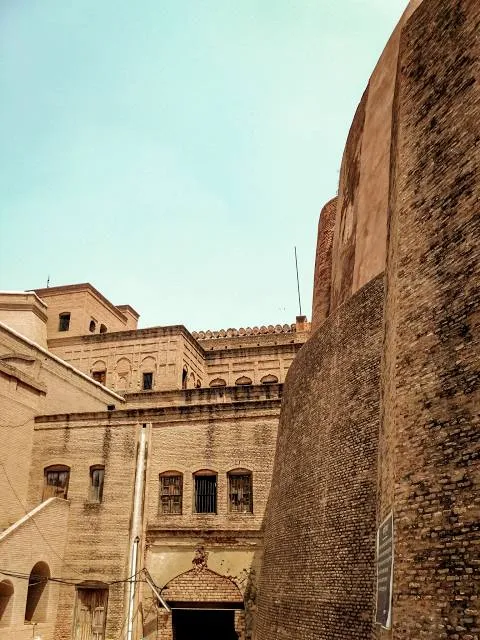
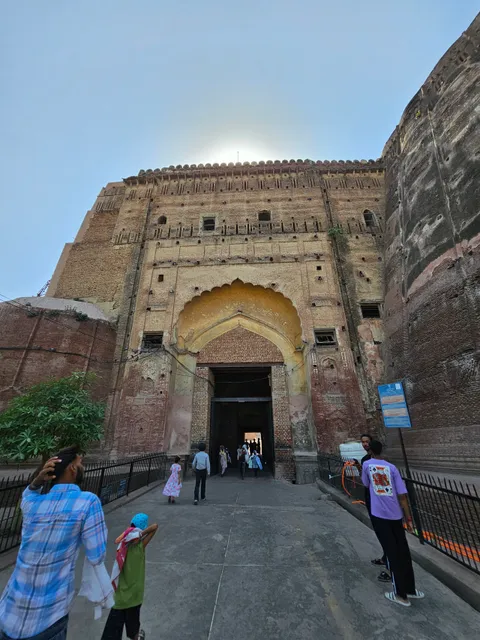
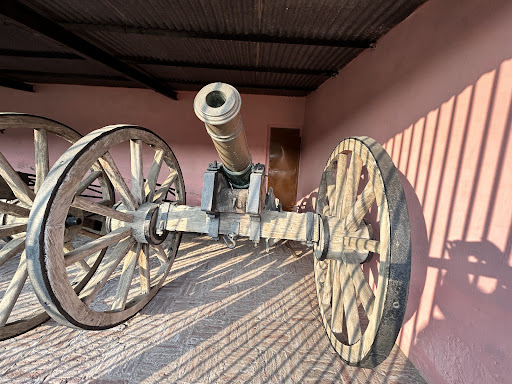
Exploring the Bathinda Fort allowed me to connect with the echoes of Sultan Razia's visionary rule. The fort's architecture, strategically designed during her reign, stands as a silent witness to the remarkable achievements of this pioneering ruler. The artifacts within the fort offered a glimpse into the complexities of her era.
Visiting this historical site is a poignant experience, serving as a reminder of Sultan Razia's struggle against societal norms and her enduring legacy in shaping India's medieval history. The custodians' efforts in preserving this significant heritage deserve commendation. The Bathinda Fort of Sultan Razia is not just a monument; it's a living testament to the indomitable spirit of a...
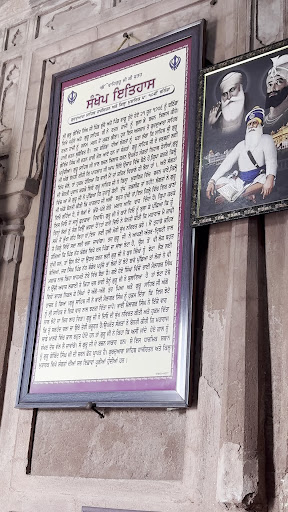
Read morePopularly known as Quila Mubarak, considered as the oldest surviving fort in the country, it is believed to be the place where Razia Sultana, the only woman emperor to rule Delhi, was imprisoned by Malik Altunia, the then governor and her husband. Popularly known as Quila Mubarak, considered as the oldest surviving fort in the country, it is believed to be the place where Razia Sultana, the only woman emperor to rule Delhi, was imprisoned by Malik Altunia, the then governor and her husband. Under the protection of the Archaeological Survey of India (ASI), this monument is considered to have a shared legacy. It was built by Raja Dab in the sixth century AD as a defence measure against the invading Huns. The fort was visited by the tenth Sikh master Guru Gobind Singh in 1705. To mark this event, two gurdwaras were built inside the fort, including one built by Karam Singh, the erstwhile ruler of Patiala.“The monument is made of mud bricks and with rain, the exposed parts erode, thus posing threat to the monument,” said Singh, in-charge of the heritage building. He said the fort was essentially a military outpost used by rulers in different times. “The monument is made of mud bricks and with rain, the exposed parts erode, thus posing threat to the monument,” said Singh, in-charge of the heritage building. He said the fort was essentially a military outpost used by rulers in...
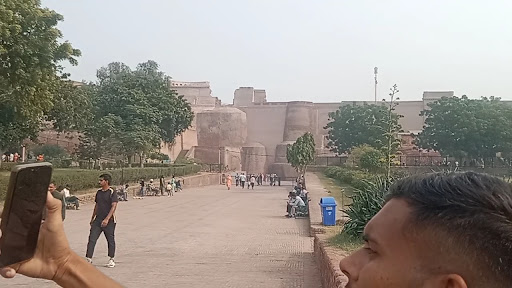
Read moreThe fort is a magnificent historical site that offers a glimpse into the rich heritage of the region. The fort is well-preserved and provides visitors with an opportunity to step back in time and imagine what life was like within its walls centuries ago.
The architecture of the fort is impressive, with its towering walls and intricate designs showcasing the skilled craftsmanship of the builders. As you explore the various sections of the fort, you can't help but be in awe of the sheer size and grandeur of the structure.
The fort also offers stunning views of the surrounding landscape, making it a great spot for photography enthusiasts. The expansive grounds provide plenty of space for leisurely walks and picnics, allowing visitors to soak in the history and natural beauty of the area.
the Bathinda large fort is a must-visit for history buffs and anyone interested in experiencing the cultural heritage of the region. The site is well-maintained and provides a fascinating look into the past, making it a worthwhile destination for tourists. I highly recommend taking the time to explore this...
Read more