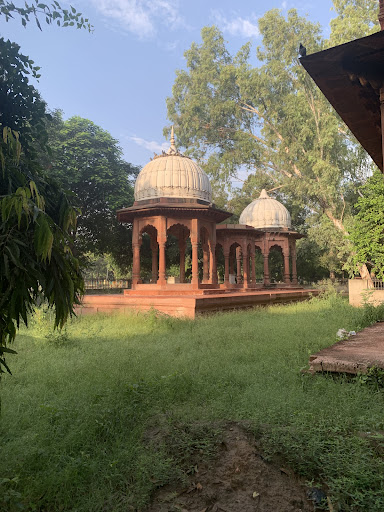
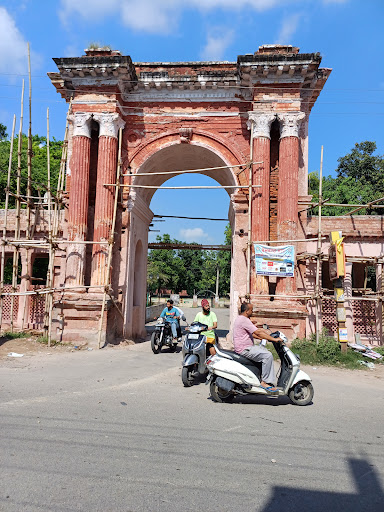
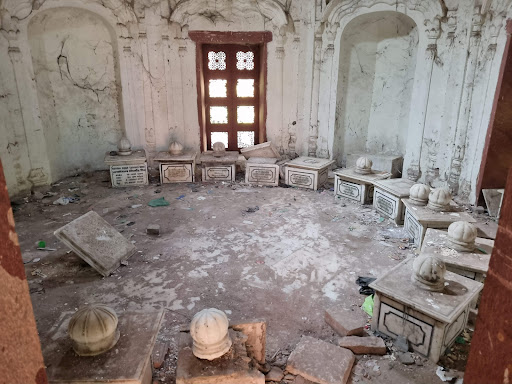
Shalimar Gardens things to do, attractions, restaurants, events info and trip planning
Basic Info
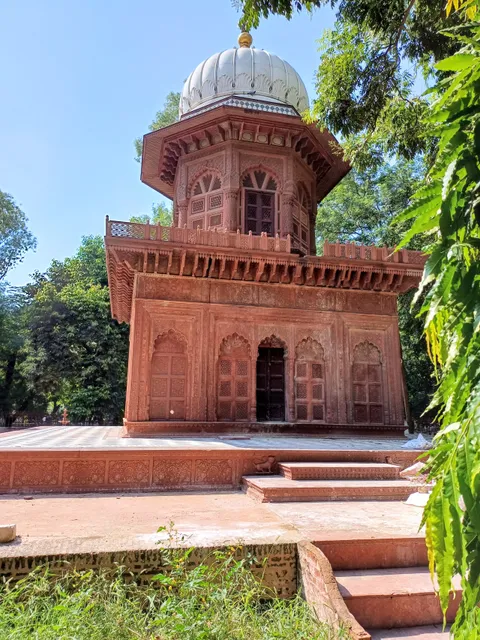
Shalimar Gardens
99PJ+H9F, Shahian St, Police Line, Kapurthala, Punjab 144601, India
4.0(1.0K)
Open until 12:00 AM
Save
spot
spot
Ratings & Description
Info
The Shalamar Gardens are a Mughal garden complex located in Lahore, Punjab, Pakistan. The gardens date from the period when the Mughal Empire was at its artistic and aesthetic zenith, and are now one of Pakistan's most popular tourist destinations.
Outdoor
Cultural
Family friendly
attractions: Panch Mandir, restaurants: Hungry Point - Kapurthala, Doaba Chicken Corner, BASANT RESTAURANT, Mr Singh burger, Burger Bar & Joker Pizza, local businesses:
 Learn more insights from Wanderboat AI.
Open hoursSee all hours
MonOpen 24 hoursOpen
Plan your stay

Pet-friendly Hotels in Punjab
Find a cozy hotel nearby and make it a full experience.

Affordable Hotels in Punjab
Find a cozy hotel nearby and make it a full experience.

The Coolest Hotels You Haven't Heard Of (Yet)
Find a cozy hotel nearby and make it a full experience.

Trending Stays Worth the Hype in Punjab
Find a cozy hotel nearby and make it a full experience.
Reviews
Nearby attractions of Shalimar Gardens
Panch Mandir

Panch Mandir
4.6
(163)
Open 24 hours
Click for details
Nearby restaurants of Shalimar Gardens
Hungry Point - Kapurthala
Doaba Chicken Corner
BASANT RESTAURANT
Mr Singh burger
Burger Bar & Joker Pizza

Hungry Point - Kapurthala
3.8
(47)
Closed
Click for details

Doaba Chicken Corner
4.4
(345)
Closed
Click for details

BASANT RESTAURANT
4.0
(692)
$$
Closed
Click for details

Mr Singh burger
4.4
(14)
Open until 10:00 PM
Click for details