HTML SitemapExplore
logo
Find Things to DoFind The Best Restaurants

Virasat-e-Khalsa — Attraction in Punjab

Name
Virasat-e-Khalsa
Description
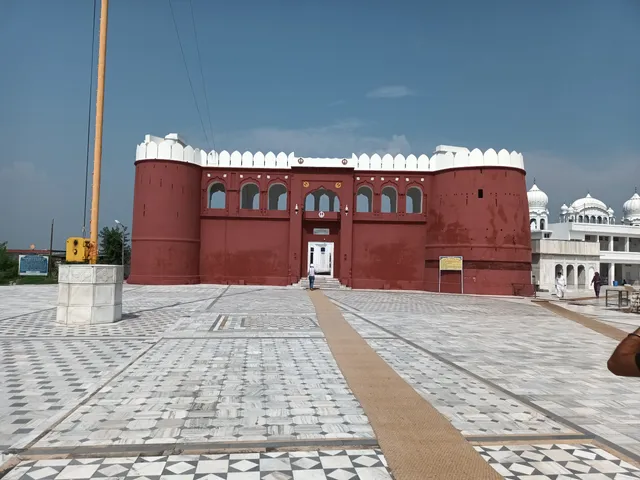
Virasat-e-Khalsa is a museum of Sikhism, located in the holy town, Anandpur Sahib, near Chandigarh, the capital of the state of Punjab, India.
Nearby attractions
Nearby restaurants
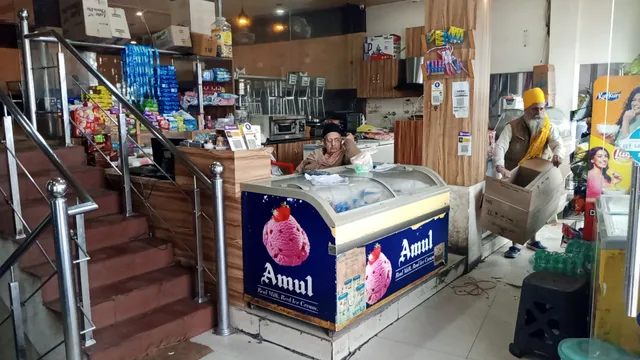
Cafe 21 Degree
Park Street, opposite Virasat E Khalsa, Nai Abadi, Anandpur Sahib, Punjab 140118, India
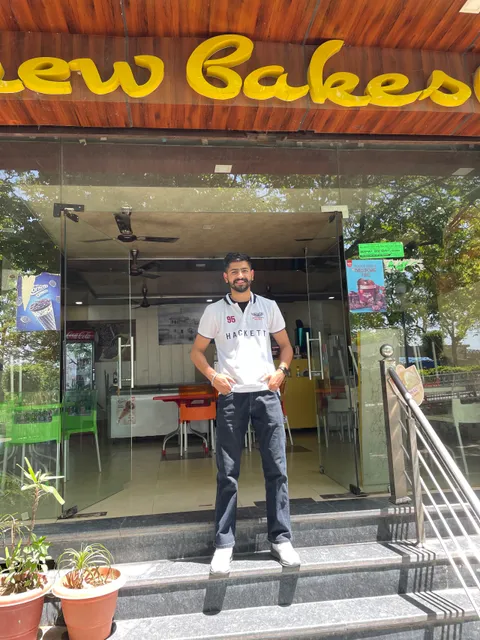
Anandpur Sahib Brewbakes Cafe
Keshgarh Sahib, Anandpur Sahib, Punjab 140118, India
Khalsa Punjabi Dhaba
Kesgarh - Anandgarh Road, Nai Abadi, Anandpur Sahib, Punjab 140118, India
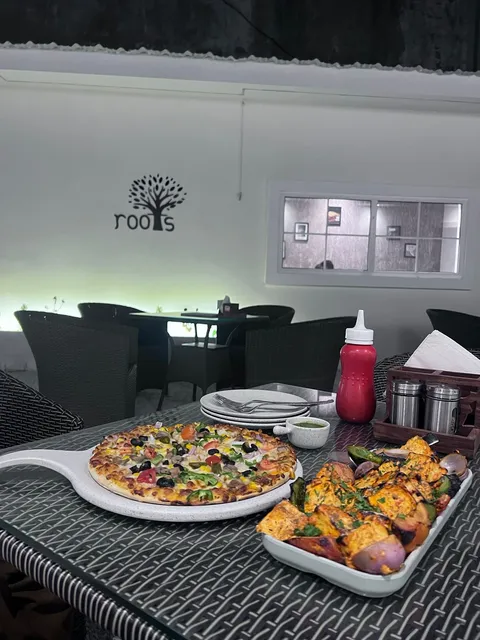
Roots
panj pyara park, sri, Khalsa Heritage Memorial Complex, Anandpur Sahib, Punjab 140118, India
Papa Pizzeria by TAG USA
SHOP NO 3, WARD NO 8, GURDWARA DAMDAMI, TAKSAL MARKET, opp. PANJ PYARA PARK, Khalsa Heritage Memorial Complex, Anandpur Sahib, Punjab 140118, India
Pal Sweets
Keshgarh Sahib, Anandpur Sahib, Punjab 140118, India
New Pizza Point
6GH7+RF6, opposite SGTB Khalsa College, Power Colony, Anandpur Sahib, Punjab 140118, India
Krishana Fast Food & Sweets
Keshgarh Sahib, Anandpur Sahib, Punjab 140118, India
Golden hut
kissan haweli, Vip road, mod, Anandpur Sahib, Punjab 140118, India
Nearby hotels
Hotel Paramount
V.I.P Rd, Keshgarh Sahib, Anandpur Sahib, Punjab 140118, India
Kathuria's Hotel - Best hotel in anandpur sahib
Nai Abadi Road, near gurdwara bhat sikh sabha, Nai Abadi, Anandpur Sahib, Punjab 140118, India
Hotel Simran
Near Railway Station, Anandpur Sahib, Punjab 140118, India
Hotel Temple View Inn
Sisganj Sahib, Road, Keshgarh Sahib, Anandpur Sahib, Punjab 140118, India
Related posts
Keywords
Virasat-e-Khalsa tourism.Virasat-e-Khalsa hotels.Virasat-e-Khalsa bed and breakfast. flights to Virasat-e-Khalsa.Virasat-e-Khalsa attractions.Virasat-e-Khalsa restaurants.Virasat-e-Khalsa travel.Virasat-e-Khalsa travel guide.Virasat-e-Khalsa travel blog.Virasat-e-Khalsa pictures.Virasat-e-Khalsa photos.Virasat-e-Khalsa travel tips.Virasat-e-Khalsa maps.Virasat-e-Khalsa things to do.
Virasat-e-Khalsa things to do, attractions, restaurants, events info and trip planning
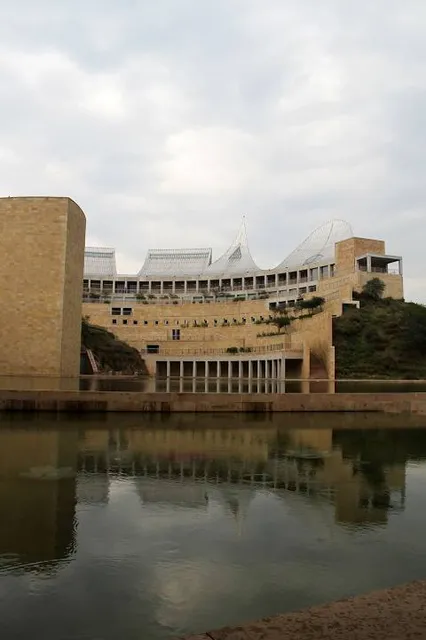
Virasat-e-Khalsa
IndiaPunjabVirasat-e-Khalsa

Basic Info

Virasat-e-Khalsa

6GM5+M27, Anandgarh - Kesgarh Road, Near Qila, Khalsa Heritage Memorial Complex, Anandpur Sahib, Punjab 140118, India
4.7(7.2K)
Open 24 hours
Save
spot

Ratings & Description

Info

Virasat-e-Khalsa is a museum of Sikhism, located in the holy town, Anandpur Sahib, near Chandigarh, the capital of the state of Punjab, India.

Cultural
Family friendly
Accessibility
attractions: , restaurants: Cafe 21 Degree, Anandpur Sahib Brewbakes Cafe, Khalsa Punjabi Dhaba, Roots, Papa Pizzeria by TAG USA, Pal Sweets, New Pizza Point, Krishana Fast Food & Sweets, Golden hut
logoLearn more insights from Wanderboat AI.
Phone
+91 188 723 2592
Website
virasat-e-khalsa.net

Plan your stay

hotel
Pet-friendly Hotels in Punjab
Find a cozy hotel nearby and make it a full experience.

hotel
Affordable Hotels in Punjab
Find a cozy hotel nearby and make it a full experience.

hotel
The Coolest Hotels You Haven't Heard Of (Yet)
Find a cozy hotel nearby and make it a full experience.

hotel
Trending Stays Worth the Hype in Punjab
Find a cozy hotel nearby and make it a full experience.

Reviews

Nearby restaurants of Virasat-e-Khalsa

Cafe 21 Degree

Anandpur Sahib Brewbakes Cafe

Khalsa Punjabi Dhaba

Roots

Papa Pizzeria by TAG USA

Pal Sweets

New Pizza Point

Krishana Fast Food & Sweets

Golden hut

Cafe 21 Degree

Cafe 21 Degree

4.0

(208)

Click for details
Anandpur Sahib Brewbakes Cafe

Anandpur Sahib Brewbakes Cafe

4.6

(189)

Click for details
Khalsa Punjabi Dhaba

Khalsa Punjabi Dhaba

4.1

(269)

$$

Click for details
Roots

Roots

4.4

(79)

Closed
Click for details
Get the Appoverlay
Get the AppOne tap to find yournext favorite spots!
Wanderboat LogoWanderboat

Your everyday Al companion for getaway ideas

CompanyAbout Us
InformationAI Trip PlannerSitemap
SocialXInstagramTiktokLinkedin
LegalTerms of ServicePrivacy Policy

Get the app

© 2025 Wanderboat. All rights reserved.
logo

Reviews of Virasat-e-Khalsa

4.7
(7,163)
avatar
5.0
48w

Virasat-e-Khalsa is a museum of Sikhism, located in the holy town, Anandpur Sahib of the state of Punjab, India. The museum celebrates 500 years of the Sikh history and the 300th anniversary of the birth of Khalsa, based on the scriptures written by the tenth and last human guru, Guru Gobind Singh. It serves to attract tourists and pilgrims. This results in a consultation between religion and emerging need in the building environment. One side it promotes hand crafts to locals as well as nurturing a sense of heritage, besides it recalls to infinity by the volumetric interference of existing skyline is another phase of a visible Urbanism dilemma.

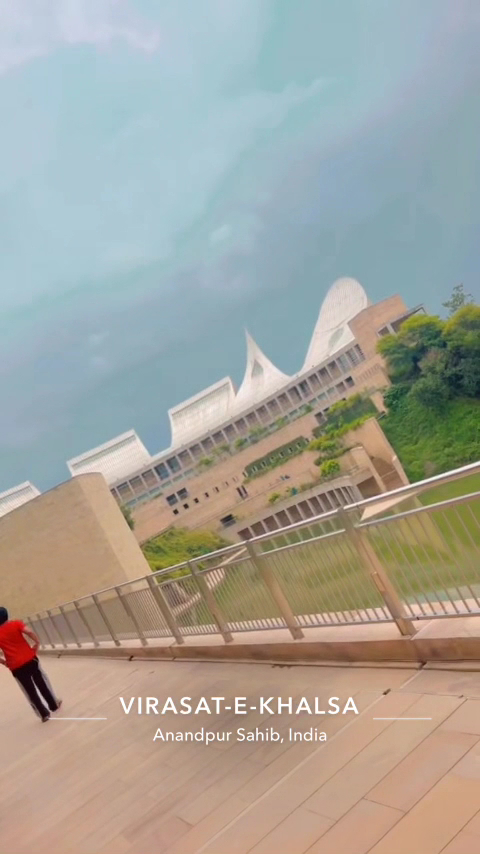
The buildings are constructed of poured-in-place concrete; some beams and columns remain exposed, though a great deal of the structures will be clad in a local honey-colored stone. The rooftops are stainless steel-clad and exhibit a double curvature: they gather and reflect the sky while a series of dams in the ravine create pools that reflect the entire complex at night.The smaller western complex includes an entrance plaza, an auditorium with 400 seating-capacity, two-story research and reference library, and changing exhibition galleries.

Parkash Singh Badal was very inspired by the Holocaust Memorial- Yad Vashem in Israel and asked the architect, Moshe Safdie to construct a memorial as an ode to the Khalsa. The artificial lake as a sarovar/moat with the bridge representing 'crossing the world-ocean' referenced in Sikh scriptures multiple times by Guru Nanak, Guru Amar Das, Guru Ram Das and Guru Arjan. The first building is a boat-shaped building named 'Punj Paani' which is right after the bridge. The central building in the shape of a leaf represents the Kikkar symbol prevalent in most Sikh coins up until British rule. Safdie designed the turrets to resemble the old fortresses of Punjab, the cluster of five evoke the fortress architecture of the region (most evident in a nearby Gurdwara) and form a dramatic silhouette against the surrounding cliff terrain. The gathering of the galleries in groups of five reflects the Five Virtues, a central tenet of Sikhism. There is one angular turret representing the Kalgi of Guru Gobind Singh. Moshie Safdie stated that the Dholpur stone represents the works of Sir Sobha Singh, a leading Sikh contractor and businessman, since most of his constructions including the Rashtrapati Bhavan and Secretariat Building, New Delhi used...

   Read more
avatar
5.0
1y

Virasat-e-Khalsa, located in Anandpur Sahib, Punjab, is a remarkable museum and cultural complex dedicated to the history and heritage of Sikhism. Opened in 2011, it serves as a significant tribute to the Sikh faith and its contributions to Indian culture.

Architecture and Design

The architectural design of Virasat-e-Khalsa is striking, combining traditional Punjabi motifs with modern aesthetics. The complex is visually stunning, featuring expansive galleries and intricate artwork that reflects Sikh history and values. The use of natural light and open spaces enhances the visitor experience, making the museum not just informative but also visually captivating.

Exhibits and Galleries

Virasat-e-Khalsa houses a variety of exhibits that chronicle the evolution of Sikhism from its inception to the present day. The galleries are well-curated, showcasing artifacts, manuscripts, and multimedia presentations that engage visitors of all ages. Key highlights include displays on the lives of the Sikh Gurus, the history of Anandpur Sahib, and the role of Sikhs in India’s freedom struggle.

Educational Value

The museum serves as an educational resource, offering workshops, seminars, and guided tours that promote a deeper understanding of Sikh culture and philosophy. Its interactive exhibits encourage visitors to engage with the material, making it an ideal destination for school groups and families.

Cultural Significance

Virasat-e-Khalsa is not just a museum; it is a cultural hub that hosts various events, including music performances, exhibitions, and festivals. This aspect fosters a sense of community and allows for the celebration of Sikh traditions and values.

Visitor Experience

Feedback from visitors highlights the immersive experience offered by Virasat-e-Khalsa. Many appreciate the well-maintained facilities and the informative staff who provide insights into the exhibits. The peaceful surroundings of Anandpur Sahib also contribute to a reflective and enriching visit.

Conclusion

Overall, Virasat-e-Khalsa stands out as a significant landmark that beautifully encapsulates the essence of Sikh history and culture. It is a must-visit for anyone interested in understanding the rich heritage of Punjab and the Sikh faith, making it an enriching experience for tourists and...

   Read more
avatar
5.0
1y

Virasat-e-Khalsa stands as a monumental testament to Punjab's rich culture, tumultuous history, and the sacrifices made by its people in the pursuit of independence. As you step into the expansive museum, you are immediately struck by the immaculate cleanliness and the breathtaking interiors that greet you. The museum's design seamlessly blends modern architecture with traditional elements, creating a captivating ambience that draws visitors into the heart of Punjab's narrative.

The museum's primary focus on showcasing Punjab's culture, history, and the valour of its warriors is evident in every corner. From intricate exhibits detailing significant historical events to poignant displays honoring the sacrifices made during the struggle for independence, Virasat-e-Khalsa serves as a poignant reminder of Punjab's enduring spirit.

One of the most striking aspects of the museum is its meticulous maintenance. Every corner is flawlessly preserved, ensuring that visitors can immerse themselves fully in the experience without distraction. The cleanliness and orderliness of the space further enhance the sense of reverence and respect for Punjab's heritage.

Despite the prohibition on photography inside the museum, this restriction serves to encourage visitors to fully engage with the exhibits and live in the moment. Instead of focusing on capturing images, visitors are encouraged to absorb the sights, sounds, and stories that surround them, creating a more profound and meaningful experience.

Each step taken within the museum's halls is accompanied by a sense of awe and reverence. Whether admiring the intricately designed interiors or reflecting on the sacrifices of Punjab's heroes, every moment spent at Virasat-e-Khalsa leaves a lasting impression.

In conclusion, Virasat-e-Khalsa is not merely a museum but a profound tribute to Punjab's rich heritage and the indomitable spirit of its people. With its clean and captivating spaces, meticulously curated exhibits, and unwavering dedication to preserving Punjab's legacy, it stands as a beacon of cultural pride and historical remembrance. A visit to Virasat-e-Khalsa is not just an educational experience but a deeply moving journey through Punjab's past,...

   Read more
Page 1 of 7
Previous
Next

Posts

Karamveer SinghKaramveer Singh
Virasat-e-Khalsa is a museum of Sikhism, located in the holy town, Anandpur Sahib of the state of Punjab, India. The museum celebrates 500 years of the Sikh history and the 300th anniversary of the birth of Khalsa, based on the scriptures written by the tenth and last human guru, Guru Gobind Singh. It serves to attract tourists and pilgrims. This results in a consultation between religion and emerging need in the building environment. One side it promotes hand crafts to locals as well as nurturing a sense of heritage, besides it recalls to infinity by the volumetric interference of existing skyline is another phase of a visible Urbanism dilemma. The buildings are constructed of poured-in-place concrete; some beams and columns remain exposed, though a great deal of the structures will be clad in a local honey-colored stone. The rooftops are stainless steel-clad and exhibit a double curvature: they gather and reflect the sky while a series of dams in the ravine create pools that reflect the entire complex at night.The smaller western complex includes an entrance plaza, an auditorium with 400 seating-capacity, two-story research and reference library, and changing exhibition galleries. Parkash Singh Badal was very inspired by the Holocaust Memorial- Yad Vashem in Israel and asked the architect, Moshe Safdie to construct a memorial as an ode to the Khalsa. The artificial lake as a sarovar/moat with the bridge representing 'crossing the world-ocean' referenced in Sikh scriptures multiple times by Guru Nanak, Guru Amar Das, Guru Ram Das and Guru Arjan. The first building is a boat-shaped building named 'Punj Paani' which is right after the bridge. The central building in the shape of a leaf represents the Kikkar symbol prevalent in most Sikh coins up until British rule. Safdie designed the turrets to resemble the old fortresses of Punjab, the cluster of five evoke the fortress architecture of the region (most evident in a nearby Gurdwara) and form a dramatic silhouette against the surrounding cliff terrain. The gathering of the galleries in groups of five reflects the Five Virtues, a central tenet of Sikhism. There is one angular turret representing the Kalgi of Guru Gobind Singh. Moshie Safdie stated that the Dholpur stone represents the works of Sir Sobha Singh, a leading Sikh contractor and businessman, since most of his constructions including the Rashtrapati Bhavan and Secretariat Building, New Delhi used Dholpur stone.
Navpreet KaurNavpreet Kaur
Virasat-e-Khalsa, located in Anandpur Sahib, Punjab, is a remarkable museum and cultural complex dedicated to the history and heritage of Sikhism. Opened in 2011, it serves as a significant tribute to the Sikh faith and its contributions to Indian culture. Architecture and Design The architectural design of Virasat-e-Khalsa is striking, combining traditional Punjabi motifs with modern aesthetics. The complex is visually stunning, featuring expansive galleries and intricate artwork that reflects Sikh history and values. The use of natural light and open spaces enhances the visitor experience, making the museum not just informative but also visually captivating. Exhibits and Galleries Virasat-e-Khalsa houses a variety of exhibits that chronicle the evolution of Sikhism from its inception to the present day. The galleries are well-curated, showcasing artifacts, manuscripts, and multimedia presentations that engage visitors of all ages. Key highlights include displays on the lives of the Sikh Gurus, the history of Anandpur Sahib, and the role of Sikhs in India’s freedom struggle. Educational Value The museum serves as an educational resource, offering workshops, seminars, and guided tours that promote a deeper understanding of Sikh culture and philosophy. Its interactive exhibits encourage visitors to engage with the material, making it an ideal destination for school groups and families. Cultural Significance Virasat-e-Khalsa is not just a museum; it is a cultural hub that hosts various events, including music performances, exhibitions, and festivals. This aspect fosters a sense of community and allows for the celebration of Sikh traditions and values. Visitor Experience Feedback from visitors highlights the immersive experience offered by Virasat-e-Khalsa. Many appreciate the well-maintained facilities and the informative staff who provide insights into the exhibits. The peaceful surroundings of Anandpur Sahib also contribute to a reflective and enriching visit. Conclusion Overall, Virasat-e-Khalsa stands out as a significant landmark that beautifully encapsulates the essence of Sikh history and culture. It is a must-visit for anyone interested in understanding the rich heritage of Punjab and the Sikh faith, making it an enriching experience for tourists and locals alike.
Yamini KukrejaYamini Kukreja
Virasat-e-Khalsa stands as a monumental testament to Punjab's rich culture, tumultuous history, and the sacrifices made by its people in the pursuit of independence. As you step into the expansive museum, you are immediately struck by the immaculate cleanliness and the breathtaking interiors that greet you. The museum's design seamlessly blends modern architecture with traditional elements, creating a captivating ambience that draws visitors into the heart of Punjab's narrative. The museum's primary focus on showcasing Punjab's culture, history, and the valour of its warriors is evident in every corner. From intricate exhibits detailing significant historical events to poignant displays honoring the sacrifices made during the struggle for independence, Virasat-e-Khalsa serves as a poignant reminder of Punjab's enduring spirit. One of the most striking aspects of the museum is its meticulous maintenance. Every corner is flawlessly preserved, ensuring that visitors can immerse themselves fully in the experience without distraction. The cleanliness and orderliness of the space further enhance the sense of reverence and respect for Punjab's heritage. Despite the prohibition on photography inside the museum, this restriction serves to encourage visitors to fully engage with the exhibits and live in the moment. Instead of focusing on capturing images, visitors are encouraged to absorb the sights, sounds, and stories that surround them, creating a more profound and meaningful experience. Each step taken within the museum's halls is accompanied by a sense of awe and reverence. Whether admiring the intricately designed interiors or reflecting on the sacrifices of Punjab's heroes, every moment spent at Virasat-e-Khalsa leaves a lasting impression. In conclusion, Virasat-e-Khalsa is not merely a museum but a profound tribute to Punjab's rich heritage and the indomitable spirit of its people. With its clean and captivating spaces, meticulously curated exhibits, and unwavering dedication to preserving Punjab's legacy, it stands as a beacon of cultural pride and historical remembrance. A visit to Virasat-e-Khalsa is not just an educational experience but a deeply moving journey through Punjab's past, present, and future.
See more posts
See more posts
hotel
Find your stay

Pet-friendly Hotels in Punjab

Find a cozy hotel nearby and make it a full experience.

Virasat-e-Khalsa is a museum of Sikhism, located in the holy town, Anandpur Sahib of the state of Punjab, India. The museum celebrates 500 years of the Sikh history and the 300th anniversary of the birth of Khalsa, based on the scriptures written by the tenth and last human guru, Guru Gobind Singh. It serves to attract tourists and pilgrims. This results in a consultation between religion and emerging need in the building environment. One side it promotes hand crafts to locals as well as nurturing a sense of heritage, besides it recalls to infinity by the volumetric interference of existing skyline is another phase of a visible Urbanism dilemma. The buildings are constructed of poured-in-place concrete; some beams and columns remain exposed, though a great deal of the structures will be clad in a local honey-colored stone. The rooftops are stainless steel-clad and exhibit a double curvature: they gather and reflect the sky while a series of dams in the ravine create pools that reflect the entire complex at night.The smaller western complex includes an entrance plaza, an auditorium with 400 seating-capacity, two-story research and reference library, and changing exhibition galleries. Parkash Singh Badal was very inspired by the Holocaust Memorial- Yad Vashem in Israel and asked the architect, Moshe Safdie to construct a memorial as an ode to the Khalsa. The artificial lake as a sarovar/moat with the bridge representing 'crossing the world-ocean' referenced in Sikh scriptures multiple times by Guru Nanak, Guru Amar Das, Guru Ram Das and Guru Arjan. The first building is a boat-shaped building named 'Punj Paani' which is right after the bridge. The central building in the shape of a leaf represents the Kikkar symbol prevalent in most Sikh coins up until British rule. Safdie designed the turrets to resemble the old fortresses of Punjab, the cluster of five evoke the fortress architecture of the region (most evident in a nearby Gurdwara) and form a dramatic silhouette against the surrounding cliff terrain. The gathering of the galleries in groups of five reflects the Five Virtues, a central tenet of Sikhism. There is one angular turret representing the Kalgi of Guru Gobind Singh. Moshie Safdie stated that the Dholpur stone represents the works of Sir Sobha Singh, a leading Sikh contractor and businessman, since most of his constructions including the Rashtrapati Bhavan and Secretariat Building, New Delhi used Dholpur stone.
Karamveer Singh

Karamveer Singh

hotel
Find your stay

Affordable Hotels in Punjab

Find a cozy hotel nearby and make it a full experience.

Get the Appoverlay
Get the AppOne tap to find yournext favorite spots!
Virasat-e-Khalsa, located in Anandpur Sahib, Punjab, is a remarkable museum and cultural complex dedicated to the history and heritage of Sikhism. Opened in 2011, it serves as a significant tribute to the Sikh faith and its contributions to Indian culture. Architecture and Design The architectural design of Virasat-e-Khalsa is striking, combining traditional Punjabi motifs with modern aesthetics. The complex is visually stunning, featuring expansive galleries and intricate artwork that reflects Sikh history and values. The use of natural light and open spaces enhances the visitor experience, making the museum not just informative but also visually captivating. Exhibits and Galleries Virasat-e-Khalsa houses a variety of exhibits that chronicle the evolution of Sikhism from its inception to the present day. The galleries are well-curated, showcasing artifacts, manuscripts, and multimedia presentations that engage visitors of all ages. Key highlights include displays on the lives of the Sikh Gurus, the history of Anandpur Sahib, and the role of Sikhs in India’s freedom struggle. Educational Value The museum serves as an educational resource, offering workshops, seminars, and guided tours that promote a deeper understanding of Sikh culture and philosophy. Its interactive exhibits encourage visitors to engage with the material, making it an ideal destination for school groups and families. Cultural Significance Virasat-e-Khalsa is not just a museum; it is a cultural hub that hosts various events, including music performances, exhibitions, and festivals. This aspect fosters a sense of community and allows for the celebration of Sikh traditions and values. Visitor Experience Feedback from visitors highlights the immersive experience offered by Virasat-e-Khalsa. Many appreciate the well-maintained facilities and the informative staff who provide insights into the exhibits. The peaceful surroundings of Anandpur Sahib also contribute to a reflective and enriching visit. Conclusion Overall, Virasat-e-Khalsa stands out as a significant landmark that beautifully encapsulates the essence of Sikh history and culture. It is a must-visit for anyone interested in understanding the rich heritage of Punjab and the Sikh faith, making it an enriching experience for tourists and locals alike.
Navpreet Kaur

Navpreet Kaur

hotel
Find your stay

The Coolest Hotels You Haven't Heard Of (Yet)

Find a cozy hotel nearby and make it a full experience.

hotel
Find your stay

Trending Stays Worth the Hype in Punjab

Find a cozy hotel nearby and make it a full experience.

Virasat-e-Khalsa stands as a monumental testament to Punjab's rich culture, tumultuous history, and the sacrifices made by its people in the pursuit of independence. As you step into the expansive museum, you are immediately struck by the immaculate cleanliness and the breathtaking interiors that greet you. The museum's design seamlessly blends modern architecture with traditional elements, creating a captivating ambience that draws visitors into the heart of Punjab's narrative. The museum's primary focus on showcasing Punjab's culture, history, and the valour of its warriors is evident in every corner. From intricate exhibits detailing significant historical events to poignant displays honoring the sacrifices made during the struggle for independence, Virasat-e-Khalsa serves as a poignant reminder of Punjab's enduring spirit. One of the most striking aspects of the museum is its meticulous maintenance. Every corner is flawlessly preserved, ensuring that visitors can immerse themselves fully in the experience without distraction. The cleanliness and orderliness of the space further enhance the sense of reverence and respect for Punjab's heritage. Despite the prohibition on photography inside the museum, this restriction serves to encourage visitors to fully engage with the exhibits and live in the moment. Instead of focusing on capturing images, visitors are encouraged to absorb the sights, sounds, and stories that surround them, creating a more profound and meaningful experience. Each step taken within the museum's halls is accompanied by a sense of awe and reverence. Whether admiring the intricately designed interiors or reflecting on the sacrifices of Punjab's heroes, every moment spent at Virasat-e-Khalsa leaves a lasting impression. In conclusion, Virasat-e-Khalsa is not merely a museum but a profound tribute to Punjab's rich heritage and the indomitable spirit of its people. With its clean and captivating spaces, meticulously curated exhibits, and unwavering dedication to preserving Punjab's legacy, it stands as a beacon of cultural pride and historical remembrance. A visit to Virasat-e-Khalsa is not just an educational experience but a deeply moving journey through Punjab's past, present, and future.
Yamini Kukreja

Yamini Kukreja

See more posts
See more posts