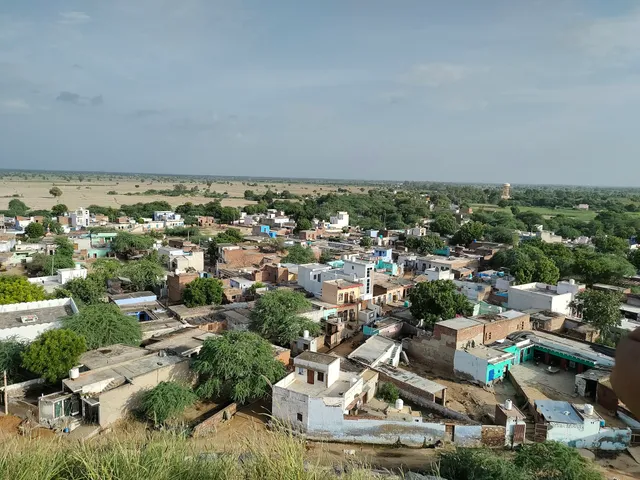
For understanding the history of this mighty Deeg fort, one first needs to know about the grand royal Deeg Palace first. After acquiring the throne, Badan Singh chose Deeg as the place for his stronghold and capital. Hence, he initiated the construction of the Deeg Palace here. Being the capital of the Jat rulers and located at a distance of just about 32 km from Bharatpur, his palace served as a summer mansion for the royal family. He became the founder of Jat House in Bharatpur and under his reign, the place gained immense prosperity and urbanisation. In fact, Surajmal, son of Badan Singh is often hailed as the hero of the Jat dynasty. Owing to its great location, architectural beauty and grandeur, the palace caught the attention of many dynasties and almost constantly under the threat from Mughals. Hence, in order to protect the stunning Deeg Palace against the attack from invader, Maharaja Suraj Mal ordered the construction of a mighty fortress around the palace.
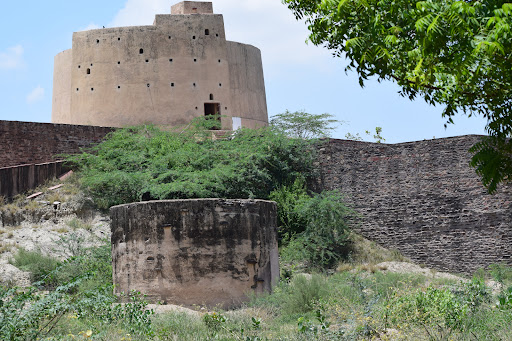
In this large quadrangle shaped fortress, massive walls were raised around the palace and deep moat was conceptualised as a few measures to protect the palace. Some historic legends also suggest that the fort and palace were constructed strategically at the location because of the great proximity of the place with Agra. The mighty structure of this popular fort of Rajasthan managed to protect its stunning palace successfully from the attack of many invaders and stands proudly till date. These majestic forts and lavish palaces of the state once again help in making its visitors remember that Rajasthan is rightly considered as the true realm of the erstwhile Maharajas. Exploring the place is nothing short of a dream come true for all the...
Read moreDeeg Fort, located in Rajasthan, India, is a historic fort known for its impressive architecture, lush gardens, and elaborate water palaces. Built in the 18th century by Raja Suraj Mal of Bharatpur, the fort was a key defense stronghold of the Jat rulers.
Review of Deeg Fort
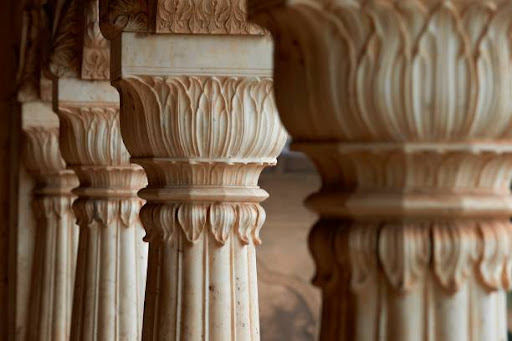
Pros: ✔ Architectural Beauty – The fort showcases a mix of Mughal and Rajput architecture, with massive walls, elegant pavilions, and water fountains. ✔ Scenic Gardens – Inspired by Mughal gardens, the fort is surrounded by well-maintained gardens and a beautiful water system. ✔ Historical Significance – It played an important role in Jat history and the battles against Mughals and British forces. ✔ Less Crowded – Compared to other forts in Rajasthan, it is relatively peaceful and perfect for exploration. ✔ Ideal for Photography – The fort’s reflection in the water reservoirs and its intricate carvings make it a great spot for photographers.
Cons: ✖ Limited Facilities – There aren’t many tourist amenities like food stalls or proper guides, so carrying essentials is advisable. ✖ Maintenance Issues – Some areas of the fort require better upkeep and restoration. ✖ Less Popular – While it adds to the peaceful experience, it also means fewer organized tours and less historical interpretation compared to bigger forts like Amer or Mehrangarh.
Verdict
If you love history, architecture, and offbeat destinations, Deeg Fort is a must-visit. It’s especially beautiful during the monsoon and when the fountains are operational. However, be prepared for basic facilities and limited...
Read moreThe Deeg Fort which has the famous Deeg Palace within was built by Maharaja Suraj Mal in 1730. He was moved by the Mughal constructions and the influence is evident in this monument as well. Layout of the fort garden resembles the Mughal Charbagh. There are four gardens separated by walkways in the middle.
The fort has a square shape. The fortifications rise 20m from the surface. You can enter the fort from the north and get the view of the ruins in Redstone and marble.
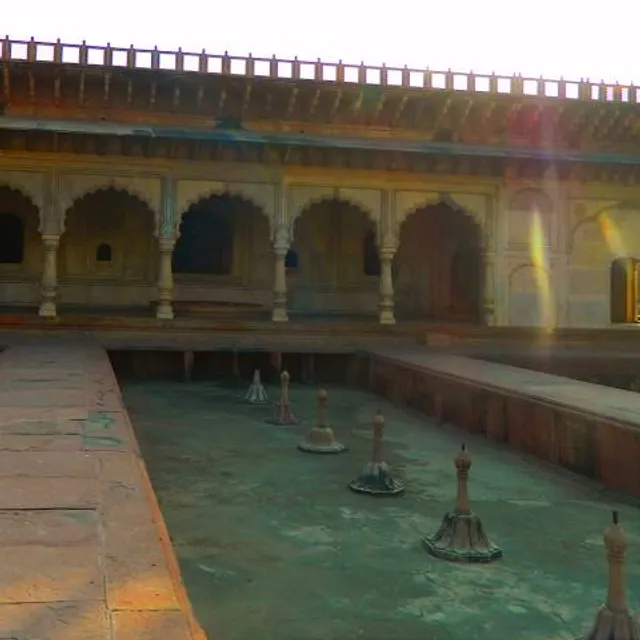
The fort is adorned with nine hundred fountains. To operate all, gallons of water is needed. In the olden days, bullock carts were used to carry water to fill the tanks. To get the royal view of the running fountains, you need to visit during the monsoons, when on Saturdays, the fountains are run. There are two tanks on either side, the Gopal Sagar and the Rup Sagar. The presence of so many water bodies intended to lower the ambient temperature...
Read more