HTML SitemapExplore
logo
Find Things to DoFind The Best Restaurants

Saptaparni Cave — Attraction in Rajgir

Name
Saptaparni Cave
Description
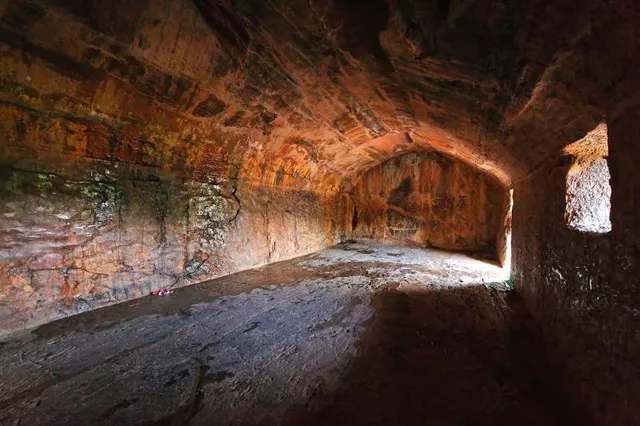
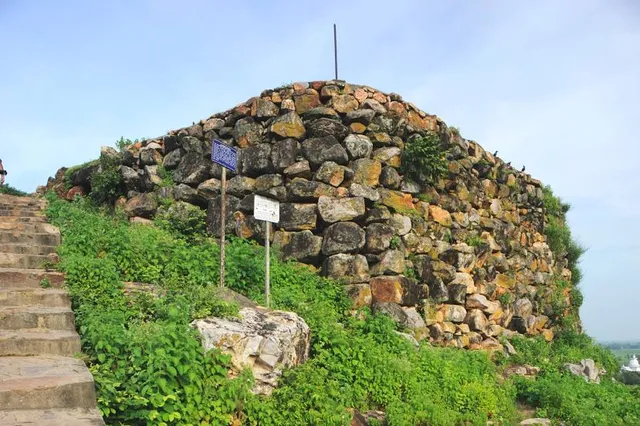
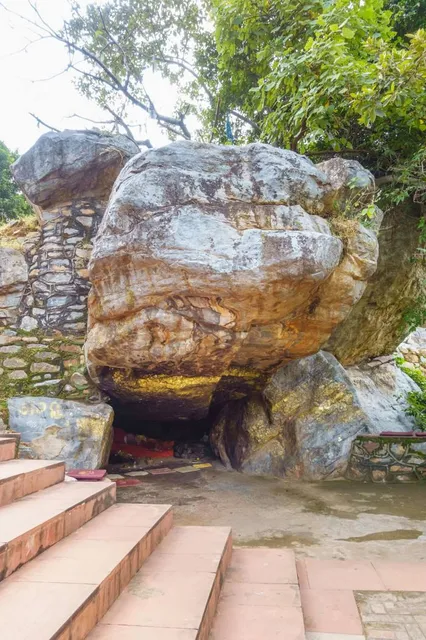
Saptparni Cave, also referred to as Sapta parni guha or sattapaṇṇi guhā, literally Seven-leaves-cave, is a Buddhist cave site about 2 kilometres southwest from Rajgir, Bihar, India. It is embedded in a hill.
Nearby attractions
Veerayatan Jain Museum, Rajgir
राजगीर Nalanda Bihar 803116 Republic of, 803116, India
Swarn Bhandar
2C38+HQ2, Rajgir, Bihar 803116, India
Battle Ground of Jarasandh
Rajgir, Bihar 803116, India
Nearby restaurants
Nearby hotels
Hotel Tathagat Ashok
Virayatan Rd, opposite pandu pokhar, Rajgir, Bihar 803116, India
Kripanidhi Retreat Rajgir
Veerayatan Complex, Rajgir, Bihar 803116, India
Indo Hokke Hotel, Rajgir
Virayatan Rd, near Viraytan, Rajgir, Bihar 803116, India
Related posts
Keywords
Saptaparni Cave tourism.Saptaparni Cave hotels.Saptaparni Cave bed and breakfast. flights to Saptaparni Cave.Saptaparni Cave attractions.Saptaparni Cave restaurants.Saptaparni Cave travel.Saptaparni Cave travel guide.Saptaparni Cave travel blog.Saptaparni Cave pictures.Saptaparni Cave photos.Saptaparni Cave travel tips.Saptaparni Cave maps.Saptaparni Cave things to do.
Saptaparni Cave things to do, attractions, restaurants, events info and trip planning
Saptaparni Cave
IndiaBiharRajgirSaptaparni Cave

Basic Info

Saptaparni Cave

2C46+Q63, Rajgir, Bihar 803116, India
4.5(234)
Open 24 hours
Save
spot

Ratings & Description

Info

Saptparni Cave, also referred to as Sapta parni guha or sattapaṇṇi guhā, literally Seven-leaves-cave, is a Buddhist cave site about 2 kilometres southwest from Rajgir, Bihar, India. It is embedded in a hill.

Cultural
Outdoor
Scenic
Adventure
Off the beaten path
attractions: Veerayatan Jain Museum, Rajgir, Swarn Bhandar, Battle Ground of Jarasandh, restaurants:
logoLearn more insights from Wanderboat AI.

Plan your stay

hotel
Pet-friendly Hotels in Rajgir
Find a cozy hotel nearby and make it a full experience.

hotel
Affordable Hotels in Rajgir
Find a cozy hotel nearby and make it a full experience.

hotel
The Coolest Hotels You Haven't Heard Of (Yet)
Find a cozy hotel nearby and make it a full experience.

hotel
Trending Stays Worth the Hype in Rajgir
Find a cozy hotel nearby and make it a full experience.

Reviews

Nearby attractions of Saptaparni Cave

Veerayatan Jain Museum, Rajgir

Swarn Bhandar

Battle Ground of Jarasandh
Veerayatan Jain Museum, Rajgir

Veerayatan Jain Museum, Rajgir

4.5

(1.1K)

Open 24 hours
Click for details
Swarn Bhandar

Swarn Bhandar

4.3

(1.5K)

Open until 5:00 PM
Click for details
Battle Ground of Jarasandh

Battle Ground of Jarasandh

4.1

(293)

Open 24 hours
Click for details
Get the Appoverlay
Get the AppOne tap to find yournext favorite spots!
Wanderboat LogoWanderboat

Your everyday Al companion for getaway ideas

CompanyAbout Us
InformationAI Trip PlannerSitemap
SocialXInstagramTiktokLinkedin
LegalTerms of ServicePrivacy Policy

Get the app

© 2025 Wanderboat. All rights reserved.
logo

Reviews of Saptaparni Cave

4.5
(234)
avatar
5.0
6y

Buddhist caves During the time of the Buddha (c. 563/480 or c. 483/400 BCE), Buddhist monks were also in the habit of using natural caves, such as the Saptaparni Cave, southwest from Rajgir, Bihar. Many believe it to be the site in which Buddha spent some time before his death,and where the first Buddhist council was held after the Buddha died (paranirvana).The Buddha himself had also used the Indrasala Cave for meditation, starting a tradition of using caves, natural or man-made, as religious retreats, that would last for over a millennium.

Monasteries

The first monasteries, such as the Jivakarama vihara in Rajgir, Bihar, were built from the time of the Buddha, in the 6th or 5th centuries BCE. The initial Jivakarama monastery was formed of two long parallel and oblong halls, large dormitories where the monks could eat and sleep, in conformity with the original regulations of the samgha, without any private cells. Other halls were then constructed, mostly long, oblong building as well, which remind of the construction of several of the Barabar caves, the Buddha is said to have been treated once in the monastery, after having been injured by Devadatta.

Stupas

Religious buildings in the form of the Buddhist stupa, a dome shaped monument, started to be used in India as commemorative monuments associated with storing sacred relics of the Buddha, the relics of the Buddha were spread between eight stupas, in Rajagriha, Vaishali, Kapilavastu, Allakappa, Ramagrama, Pava, Kushinagar, and Vethapida.The Piprahwa stupa also seems to have been one of the first to be built. Guard rails —consisting of posts, crossbars, and a coping— became a feature of safety surrounding a stupa. The Buddha had left instructions about how to pay hommage to the stupas: "And whoever lays wreaths or puts sweet perfumes and colours there with a devout heart, will reap benefits for a long time", this practice would lead to the decoration of the stupas with stone sculptures of flower garlands in the Classical period.

1.Saptaparni cave 2.Vishwa Shanti Stupa at Rajgir, one of the 80 Peace Pagodas around the world. 3.Remains of the Jivakarama vihara. 4.The Visit of Indra to the Buddha in the Indrasaila cave. The Buddha is symbolized by his throne. Wild animal are depicted around the cave (Stupa 1 Northern Gateway, Sanchi. 1st century BCE/CE). 5.The famous carved door of Lomas Rishi cave, dated to approximately 250 BC, making it the first known...

   Read more
avatar
5.0
47w

Saptapani Cave is a historic cave located in Rajgir, a town in the Nalanda district of Bihar, India. Here's a vivid description:

Location The cave is situated in the picturesque Rajgir hills, near the ancient city of Rajgir.

Historical Significance Saptapani Cave is believed to be the site where Lord Buddha and his disciples spent their time during their visits to Rajgir.

Seven Streams The cave gets its name "Saptapani" from the seven natural springs (sapta means seven, and pani means water) that originate from within the cave. These springs are considered sacred and are believed to have healing properties.

Architecture The cave is a natural limestone cave, with a simple entrance and a spacious interior. The walls of the cave feature ancient carvings and inscriptions.

Tourist Attractions Visitors can explore:

The cave's natural formations and limestone structures The seven sacred springs and their convergence point The nearby ancient ruins of Rajgir, including the Cyclopean walls and the Ajatshatru's Fort The Gridhakuta Hill, where Lord Buddha is said to have delivered many sermons

Tips and Insights The cave is open for visitors throughout the year. Best time to visit: October to March. Wear comfortable shoes and clothing suitable for cave exploration. Respect the sacred nature of the site and the springs.

Saptapani Cave is a significant historical and spiritual site, offering a glimpse into the life and teachings of...

   Read more
avatar
5.0
4y

At a distance of 4 km from Rajgir Railway Station, Saptaparni Cave is a Buddhist cave situated on Vaibhavgiri Hill in Rajgir, Bihar. It is one of the popular places of heritage in Bihar and among the must-visit Rajgir Tourist Places.

Saptparni Cave, also referred to as Sapta Parni Guha, literally Seven-leaves-cave is an important Buddhist cave site as it is believed to be the place where Lord Buddha spent some time before his death. And, this is also the site where the first Buddhist council was held after Buddha's parinirvana. It is here that a council of 500 monks decided to appoint Ananda (Buddha's cousin) and Upali, to deliver Buddha's teachings for the future generations after Buddha's death. The Buddha never wrote down his teachings. After the Saptaparni Caves meeting, Ananda created an oral tradition of Buddha's teaching from his memory, prefacing it with 'Thus have I heard on one occasion'. Upali is credited with reciting the Vinaya (discipline), or 'rules for the Bhikshus'.

A Magadha ruler named Ajatshatru also built a Sabha Mandap in front of these caves, which was used for the first Buddhist council. Today, the cave is a popular site that attracts thousands of tourists every year from across the world. A 20-minute uphill hike from the back of the Lakshmi Narayan Temple takes you past Jain and Hindu temples to this atmospheric cave and natural rock platform, where Buddha is said to have meditated.

Timings: 6 AM - 4...

   Read more
Page 1 of 7
Previous
Next

Posts

Debasish Kumar BaidyaDebasish Kumar Baidya
Saptapani Cave is a historic cave located in Rajgir, a town in the Nalanda district of Bihar, India. Here's a vivid description: Location The cave is situated in the picturesque Rajgir hills, near the ancient city of Rajgir. Historical Significance Saptapani Cave is believed to be the site where Lord Buddha and his disciples spent their time during their visits to Rajgir. Seven Streams The cave gets its name "Saptapani" from the seven natural springs (sapta means seven, and pani means water) that originate from within the cave. These springs are considered sacred and are believed to have healing properties. Architecture The cave is a natural limestone cave, with a simple entrance and a spacious interior. The walls of the cave feature ancient carvings and inscriptions. Tourist Attractions Visitors can explore: - The cave's natural formations and limestone structures - The seven sacred springs and their convergence point - The nearby ancient ruins of Rajgir, including the Cyclopean walls and the Ajatshatru's Fort - The Gridhakuta Hill, where Lord Buddha is said to have delivered many sermons Tips and Insights - The cave is open for visitors throughout the year. - Best time to visit: October to March. - Wear comfortable shoes and clothing suitable for cave exploration. - Respect the sacred nature of the site and the springs. Saptapani Cave is a significant historical and spiritual site, offering a glimpse into the life and teachings of Lord Buddha.
Gug ByusmodelingGug Byusmodeling
10 March 2025 ถ้ำสัตตบรรณคูหา เป็นถ้ำที่พระมหากัสสปะเป็นประธาน สังคายนาพระธรรมวินัยเป็นครั้งแรก การจะเดินมาที่นี่ต้องผ่านบ่อน้ำศักดิ์สิทธิ์ของชาวฮินดูขึ้นมาก่อน ทางเดินโล่งสบายเดินง่ายมากแต่อาจจะชันนิดหน่อย ตอนคนเดินขึ้นไป อาจจะมีบ่นบ้างว่าเมื่อไหร่จะถึงแต่ไม่ต้องกังวลระหว่างทางมีเซเว่นขายน้ำขายอาหารให้คุณได้อิ่มท้อง เมื่อคุณเดินขึ้นไปถึงยอดเขาแล้ว คุณก็ยังต้องเดินไต่เขาลงไปเพื่อไปถึงถ้ำอีก และคุณจะสงสัยว่าถ้ำเล็กขนาดนี้จะสามารถจุพระสงฆ์ได้จำนวน 500 รูปเชียวหรอ ซึ่งกาลเวลาผ่านไป 2 พันกว่าปีอาจจะมีช่วงเวลาที่ถ้ำอาจจะถล่มลงมาก็ได้ใครจะไปรู้นะ ก็ขอให้คุณเดินทางไปถึงถ้ำโดยสวัสดิภาพนะครับ ถ้ำสัตตบรรณคูหา ผมมาถึงแล้ว The Sattapanni Cave is a collection of three shallow fissures in a cliff near the top of one of Rajagaha's high hills. The cave got its name from a Seven Leaf Tree (Alstonia scholaris) that used to grow near its entrance. This rocky and isolated place with its breathtaking view of the landscape below was the site for one of the pivotal events in Buddhist history. The Buddha stayed in the cave from time to time and it was sometimes used as a residence for newly arrived monks when no other dwelling could be found for them (Vinaya, I:159). But the significance of the Sattapanni Cave lies in the fact that it was here that the First Buddhist council was convened in 483 BCE. Three months after the Buddha's final Nibbana, five hundred Arahants met here to recite the Dhamma and the Vinaya so that it could be passed on to future generations. It was Maha Kassapa who suggested that the council be held in the cave named Sattapanni on the northern slope of Mount Vaibhara, on a rocky-surfaced spot of ground shaded by diverse trees. (Mahavastu, I: 7ff.). Rajagaha was probably selected as the site of the council as only a city of that size could provide enough alms-food for such a large number of monks. The Mahavamsa says that King Ajatasattu, in preparation for the council, had a splendid hall built by the side of the Vebhara Rock by the entrance of the Sattapanni Cave and it was like the assembly hall of the devas. When it was adorned in every way he caused precious carpets to be spread according to the number of monks. Maha Kassapa questioned Upali on the rules of monastic discipline and Ananda on the discourses, and when this was finished the whole assembly chanted the Dhamma and the discipline together. (Vinaya, V: 286).
Al MahmudAl Mahmud
The Saptaparni Cave in Rajgir, Bihar, holds immense historical and spiritual significance. This sacred site is believed to be where the first Buddhist council was conducted after Lord Buddha's Parinirvana. Named after the seven Saptaparni trees that once shaded the cave entrance, it served as a meeting place for 500 arhats to preserve Buddha's teachings. The tranquil ambiance of the cave, nestled atop the Ratnagiri Hills, offers a serene retreat for meditation and reflection. Pilgrims and history enthusiasts are drawn to this cave, fostering a deep connection to Buddhism's origins and its profound impact on the region's spiritual heritage.
See more posts
See more posts
hotel
Find your stay

Pet-friendly Hotels in Rajgir

Find a cozy hotel nearby and make it a full experience.

Saptapani Cave is a historic cave located in Rajgir, a town in the Nalanda district of Bihar, India. Here's a vivid description: Location The cave is situated in the picturesque Rajgir hills, near the ancient city of Rajgir. Historical Significance Saptapani Cave is believed to be the site where Lord Buddha and his disciples spent their time during their visits to Rajgir. Seven Streams The cave gets its name "Saptapani" from the seven natural springs (sapta means seven, and pani means water) that originate from within the cave. These springs are considered sacred and are believed to have healing properties. Architecture The cave is a natural limestone cave, with a simple entrance and a spacious interior. The walls of the cave feature ancient carvings and inscriptions. Tourist Attractions Visitors can explore: - The cave's natural formations and limestone structures - The seven sacred springs and their convergence point - The nearby ancient ruins of Rajgir, including the Cyclopean walls and the Ajatshatru's Fort - The Gridhakuta Hill, where Lord Buddha is said to have delivered many sermons Tips and Insights - The cave is open for visitors throughout the year. - Best time to visit: October to March. - Wear comfortable shoes and clothing suitable for cave exploration. - Respect the sacred nature of the site and the springs. Saptapani Cave is a significant historical and spiritual site, offering a glimpse into the life and teachings of Lord Buddha.
Debasish Kumar Baidya

Debasish Kumar Baidya

hotel
Find your stay

Affordable Hotels in Rajgir

Find a cozy hotel nearby and make it a full experience.

Get the Appoverlay
Get the AppOne tap to find yournext favorite spots!
10 March 2025 ถ้ำสัตตบรรณคูหา เป็นถ้ำที่พระมหากัสสปะเป็นประธาน สังคายนาพระธรรมวินัยเป็นครั้งแรก การจะเดินมาที่นี่ต้องผ่านบ่อน้ำศักดิ์สิทธิ์ของชาวฮินดูขึ้นมาก่อน ทางเดินโล่งสบายเดินง่ายมากแต่อาจจะชันนิดหน่อย ตอนคนเดินขึ้นไป อาจจะมีบ่นบ้างว่าเมื่อไหร่จะถึงแต่ไม่ต้องกังวลระหว่างทางมีเซเว่นขายน้ำขายอาหารให้คุณได้อิ่มท้อง เมื่อคุณเดินขึ้นไปถึงยอดเขาแล้ว คุณก็ยังต้องเดินไต่เขาลงไปเพื่อไปถึงถ้ำอีก และคุณจะสงสัยว่าถ้ำเล็กขนาดนี้จะสามารถจุพระสงฆ์ได้จำนวน 500 รูปเชียวหรอ ซึ่งกาลเวลาผ่านไป 2 พันกว่าปีอาจจะมีช่วงเวลาที่ถ้ำอาจจะถล่มลงมาก็ได้ใครจะไปรู้นะ ก็ขอให้คุณเดินทางไปถึงถ้ำโดยสวัสดิภาพนะครับ ถ้ำสัตตบรรณคูหา ผมมาถึงแล้ว The Sattapanni Cave is a collection of three shallow fissures in a cliff near the top of one of Rajagaha's high hills. The cave got its name from a Seven Leaf Tree (Alstonia scholaris) that used to grow near its entrance. This rocky and isolated place with its breathtaking view of the landscape below was the site for one of the pivotal events in Buddhist history. The Buddha stayed in the cave from time to time and it was sometimes used as a residence for newly arrived monks when no other dwelling could be found for them (Vinaya, I:159). But the significance of the Sattapanni Cave lies in the fact that it was here that the First Buddhist council was convened in 483 BCE. Three months after the Buddha's final Nibbana, five hundred Arahants met here to recite the Dhamma and the Vinaya so that it could be passed on to future generations. It was Maha Kassapa who suggested that the council be held in the cave named Sattapanni on the northern slope of Mount Vaibhara, on a rocky-surfaced spot of ground shaded by diverse trees. (Mahavastu, I: 7ff.). Rajagaha was probably selected as the site of the council as only a city of that size could provide enough alms-food for such a large number of monks. The Mahavamsa says that King Ajatasattu, in preparation for the council, had a splendid hall built by the side of the Vebhara Rock by the entrance of the Sattapanni Cave and it was like the assembly hall of the devas. When it was adorned in every way he caused precious carpets to be spread according to the number of monks. Maha Kassapa questioned Upali on the rules of monastic discipline and Ananda on the discourses, and when this was finished the whole assembly chanted the Dhamma and the discipline together. (Vinaya, V: 286).
Gug Byusmodeling

Gug Byusmodeling

hotel
Find your stay

The Coolest Hotels You Haven't Heard Of (Yet)

Find a cozy hotel nearby and make it a full experience.

hotel
Find your stay

Trending Stays Worth the Hype in Rajgir

Find a cozy hotel nearby and make it a full experience.

The Saptaparni Cave in Rajgir, Bihar, holds immense historical and spiritual significance. This sacred site is believed to be where the first Buddhist council was conducted after Lord Buddha's Parinirvana. Named after the seven Saptaparni trees that once shaded the cave entrance, it served as a meeting place for 500 arhats to preserve Buddha's teachings. The tranquil ambiance of the cave, nestled atop the Ratnagiri Hills, offers a serene retreat for meditation and reflection. Pilgrims and history enthusiasts are drawn to this cave, fostering a deep connection to Buddhism's origins and its profound impact on the region's spiritual heritage.
Al Mahmud

Al Mahmud

See more posts
See more posts