Rabdentse Ruins in Pelling is one of the most magical and historically rich sites in all of Sikkim. Walking here feels like stepping into a living history book. This place was once the second capital of the Kingdom of Sikkim, established in 1670 by the second Chogyal, Tensung Namgyal, son of the first king Phuntsog Namgyal. At that time, the land was called Songkhim, meaning “new house,” a name given by the Limbu queen. Over centuries, Songkhim slowly transformed into Sukhim and eventually became the word we know today as Sikkim.
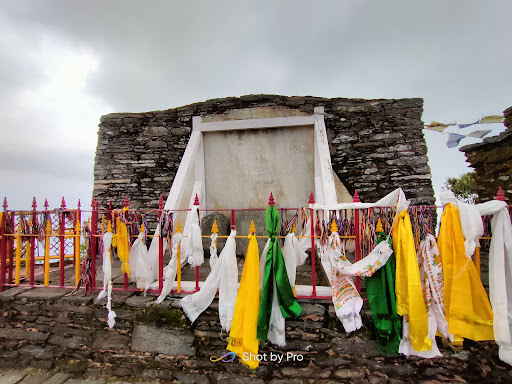
Rabdentse flourished for nearly 150 years as the seat of the Namgyal dynasty. The palace complex was grand, with separate wings for the royal residence, courtyards, prayer chortens, and a durbar area where the king held public audiences. The Namphogang, a stone throne of three seats, still remains where the royal judges once sat to give verdicts. Sadly, the glory of Rabdentse came to an end when the Gurkha army from Nepal invaded in the late 18th century. In 1814 the capital was destroyed, leaving behind ruins and memories. When the Chogyal returned to power with the help of Tibetans, he shifted the capital to Tumlong, as Rabdentse was considered too close to the Nepalese border to remain safe.
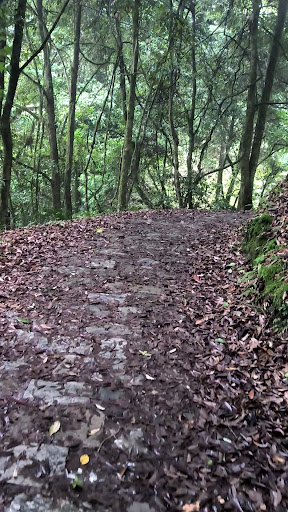
What makes visiting this site unforgettable is the approach. To reach the ruins, you walk nearly two kilometers through a mystic forest trail of chestnut and oak trees, with prayer flags fluttering in the wind and birdsong guiding your way. The forest suddenly opens up to reveal the ruins sitting silently against the backdrop of the Himalayas. Even in their broken state, the palace foundations, chortens radiate the dignity of a royal past.
And then there are the views. On a clear morning, Rabdentse offers one of the most spectacular panoramas in Sikkim—you can see Mount Kanchenjunga, along with Mount Pandim, Mount Narsing, Mount Kabru, and Mount Jopuno rising in snowy grandeur. The sight of these peaks standing guard over the ancient capital creates an atmosphere that is both majestic and deeply spiritual.
The entry ticket is just ₹10, and the experience is priceless. I recommend going in the early morning for the clearest mountain views. There isn’t much signage on-site, so it helps to read up a little history beforehand or take along a local guide to really appreciate the depth of what you’re seeing. Between the legacy of Songkhim, the rise and fall of a royal capital, the mystic walk through the forest, and the breathtaking Himalayan panorama of Kanchenjunga, Pandim, Narsing, Kabru, and Jopuno, Rabdentse Ruins captures the very...
Read moreRabdentse Ruins, located within the Sidekiong Tulku Bird Park, is a must-visit historical site in Sikkim that offers a glimpse into the region’s fascinating past. This ancient capital of Sikkim was once the seat of the Chogyal Dynasty, dating back to the 17th century, before it was destroyed in the early 19th century during a British invasion. Today, the ruins stand as a reminder of Sikkim’s rich cultural heritage and its royal history.
The trek to the Rabdentse Ruins is a pleasant one, just a short 1.5 km walk through a lush, green jungle. The trail is relatively easy, making it suitable for most visitors, and offers a unique opportunity to immerse yourself in the natural beauty of the area. As you walk through the dense forest, you’ll hear the sounds of chirping birds and the rustling of leaves, creating a serene atmosphere that makes the journey enjoyable.
Once you reach the top, the views are absolutely stunning. The ruins are situated on a hilltop, offering panoramic vistas of the surrounding city, valleys, and distant mountains. On a clear day, you can see breathtaking views of the Kanchenjunga range, adding to the peaceful, almost mystical feeling of the place. The surrounding landscape, with its blend of green hills and vibrant flora, makes the location ideal for photography and nature lovers alike.
The ruins themselves consist of the remains of royal palaces and temples, along with a few stone structures and foundations. While much of the site has been weathered by time, you can still get a sense of the grandeur this place once held. Visitors can walk around and explore the remnants of ancient walls and courtyards, all while learning about the history of the area and the significance of Rabdentse as the former capital of Sikkim.
Aside from the historical and scenic value, Rabdentse Ruins is located within the Sidekiong Tulku Bird Park, adding another layer of beauty to the experience. The park is home to a variety of bird species, making it a great place for birdwatching enthusiasts.
Overall, Rabdentse Ruins offers a perfect blend of history, nature, and panoramic views. The trek is short and easy, yet the destination is incredibly rewarding. Whether you're a history buff, nature lover, or simply someone who enjoys a good scenic view, this place should be on your list when...
Read moreRabdentse Ruins is an ancient archaeological site located in the Indian state of Sikkim. The site was once the capital of the Sikkim Kingdom until it was destroyed by the invading Gurkha army in the late 18th century.
The history of Rabdentse dates back to the 17th century when it was founded by the Chogyal dynasty, who ruled over the region. The capital was strategically located on a hilltop overlooking the Tendong Hill and the Rangit River. The palace and various other structures were constructed with stone and timber, showcasing the unique architectural style of the region.
During its peak, Rabdentse was a bustling city with a thriving economy, rich culture, and a well-structured administrative system. However, in the late 18th century, the Sikkim Kingdom faced an invasion from the Gurkha army, who were expanding their territory. The Sikkim army fought bravely but was eventually defeated, leading to the destruction of Rabdentse and the capital being shifted to Tumlong.
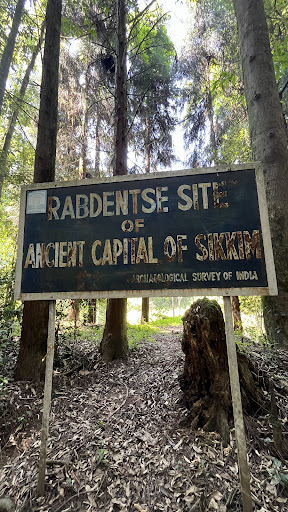
Today, the ruins of Rabdentse are a popular tourist destination and an important part of Sikkim's history. The site contains the remnants of the palace, prayer halls, and various other structures that once made up the city. Visitors can explore the ruins and get a glimpse into the glorious past of Sikkim. In 1995, the site was declared a protected monument by the Archaeological Survey of India, ensuring its preservation for future generations.
In conclusion, Rabdentse Ruins holds a significant place in the history of Sikkim and serves as a reminder of the region's rich cultural heritage. The site offers a fascinating insight into the architectural, economic, and administrative systems of the past, making it a must-visit destination for history enthusiasts and...
Read more