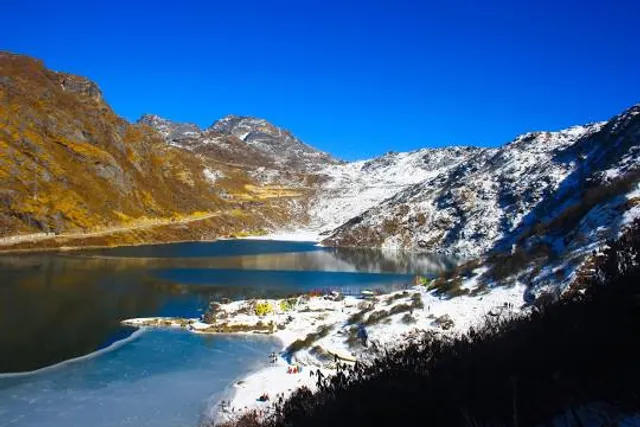
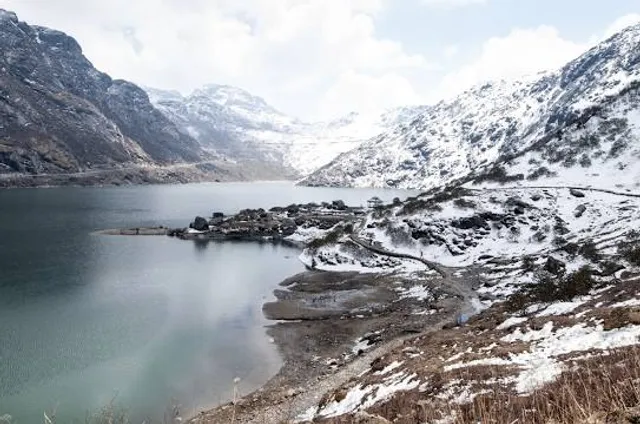
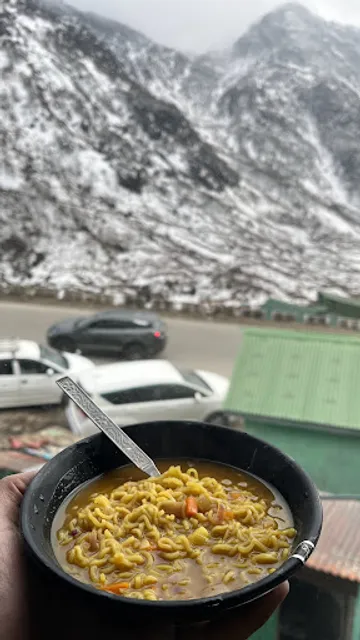
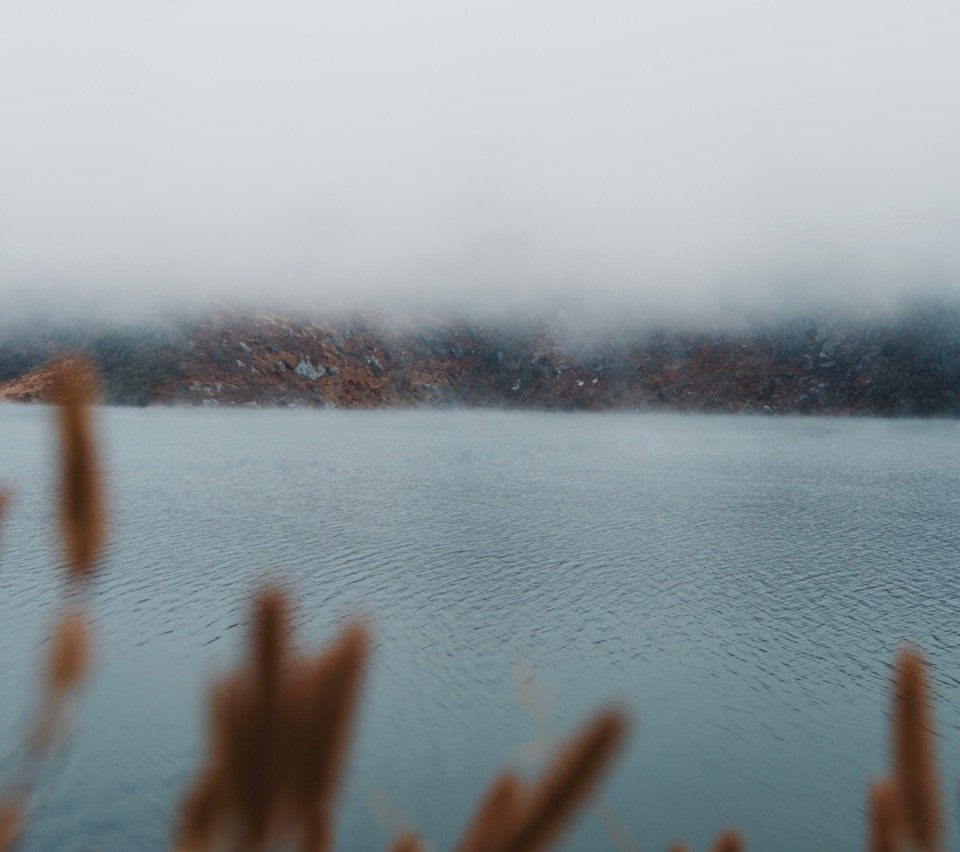
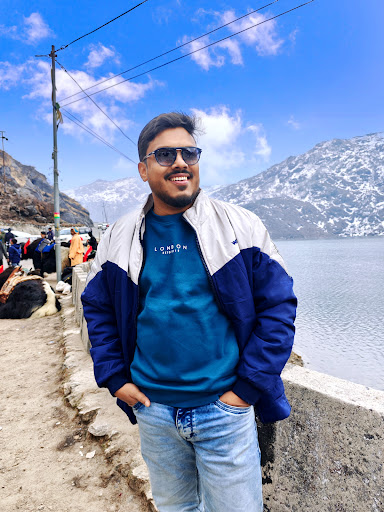
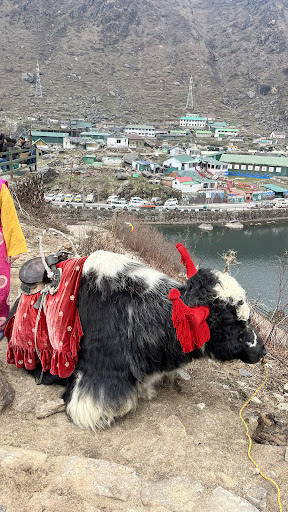
As a tourist visiting Tsongmo Lake (also known as Changu Lake) near Gangtok, Sikkim, here's a review of what you can expect: Breathtaking Natural Beauty: Stunning Scenery: Tsongmo Lake is a mesmerizing glacial lake nestled amidst towering, snow-capped mountains. The sheer beauty of the pristine blue waters reflecting the surrounding peaks is truly captivating and a photographer's delight. Changing Colors: The lake is famous for its ever-changing colors, which vary with the seasons. You might witness crystal clear blue waters in the summer or a magical white expanse when it freezes in the winter. Even during the day, the reflections and light can create different hues. Seasonal Flowers: In late spring and summer, the area around the lake comes alive with blooming rhododendrons, primulas, and other vibrant alpine flowers, adding another layer of charm to the landscape. Unique Experiences: Yak Rides: A popular tourist activity here is taking a ride on a colorfully decorated yak. It's a fun and unique way to experience the surroundings and capture some memorable photos. Be prepared to bargain for a reasonable price. Cable Car (Ropeway): Some reviews mention a ropeway offering panoramic views of the lake and the surrounding mountains. This could be a great way to get a different perspective of the landscape. Small Market: Near the lake, you'll find a small market with shops selling warm clothes, souvenirs, and offering basic food and beverages like tea and Maggi noodles. It's a good place to pick up a memento or grab a quick bite. Cultural and Spiritual Significance: Sacred Lake: Tsongmo Lake is considered sacred by the local Sikkimese people, both Buddhists and Hindus. It's believed that Buddhist monks could forecast the future by observing the lake's changing colors. Shiva Temple: There's a small Shiva temple located on the bank of the lake, adding a spiritual dimension to the visit. Things to Keep in Mind: Altitude: The lake is situated at a high altitude of around 3,753 meters (12,313 feet). Some tourists might experience altitude sickness, so it's advisable to take it easy upon arrival, stay hydrated, and avoid strenuous activities. Weather: The weather at this altitude can be unpredictable. It's essential to carry warm clothing, even in summer, as temperatures can drop suddenly. Wearing layers is recommended. Permits: As Tsongmo Lake is located in a restricted area due to its proximity to the Indo-China border, all visitors, including Indian nationals, require permits. These permits are usually arranged through registered tour operators in Sikkim. Foreign nationals need a special permit and must often travel in groups of two or more. Accessibility: The road to Tsongmo Lake from Gangtok is generally well-maintained but involves winding mountain roads. The journey takes approximately 1.5 to 2 hours. Shared taxis are a common mode of transport. Limited Facilities: Be aware that facilities at the lake are somewhat basic. Don't expect high-end restaurants or amenities. Overall Impression: A visit to Tsongmo Lake is an unforgettable experience for nature lovers and those seeking to witness the majestic Himalayas. The stunning beauty of the lake and its surroundings, coupled with the unique cultural aspects and activities like yak rides, make it a must-visit destination in Sikkim. However, it's crucial to be prepared for the high altitude and obtain the necessary permits beforehand. The raw, natural beauty and the serene atmosphere of Tsongmo Lake are well worth...
Read moreChangu Lake, often called Tsomgo Lake, lies nestled amidst dramatic Himalayan peaks at an altitude of around 12,313 feet, only a short 40-kilometer drive from Gangtok in Sikkim. This serene glacial lake, famed for its stunning palette of blues and emeralds, enchants every traveler who lays eyes on its tranquil surface surrounded by wild, snowy mountains. During the cold months, the lake transforms into a mirror of ice, shimmering under clear blue skies, while the warmer seasons unveil a bloom of vibrant wildflowers like rhododendrons, poppies, primulas, irises, and alpine foliage that adorn its shores with a painterly riot of colors.
Local folklore infuses Changu Lake with mystical aura: it is said to be the abode of protective deities, and Sikkimese Buddhists and Hindus alike revere it as sacred, regularly visiting for rituals and faith healing. In ancient times, Buddhist Lamas would read the lake’s shifting hues to prophesy fortunes. Guru Purnima celebrations fill the lakeside with prayers, and legends speak of Lamas and shamans gathering here, their rituals blending into the whisper of cold mountain winds.
The best time to visit the lake is between April and June, when the last traces of winter melt and the valleys come alive with flowers and birds – including migratory Brahminy ducks and the dazzling red panda. September through November is ideal for crisp air and crystal-clear vistas, while January to May sees the lake frozen in untouched grandeur, perfect for those seeking the otherworldly beauty of ice and snow. Monsoon months are best avoided due to landslides and travel difficulties.
Traveling to Changu Lake means winding along the scenic Gangtok-Nathula highway, either in a private cab, shared jeep, or organized tour. The journey itself is unforgettable, with spectacular abrupt gradients and waterfalls en route. Access requires a restricted area permit, so all documentation should be carried without fail.
Travel accessories make the difference between comfort and hardship. Visitors should pack thermal layers, warm jackets, rain gear for unpredictable shifts, and sturdy waterproof shoes for icy terrain. A well-stocked backpack with snacks, water, travel permits, sunscreen, and camera is essential. Yak rides along the lakeside offer a charming local experience, and kiosks at the shore sell warm tea, yak cheese, local trinkets, and provide snow boots or gumboots on hire.
Changu Lake is more than a destination; it is a soulful, aesthetic journey into the heart of Sikkim’s culture and nature—a place where myths live in shimmering waters and every moment spent feels carved out of...
Read morewhat a palce fresh air ,snow, view totaly amazing........ Tsomgo Lake, also known as Tsongmo Lake or Changu Lake, is a glacial lake in the East Sikkim district of the Indian state of Sikkim, some 40 kilometres from the capital Gangtok. Located at an elevation of 3,753 m, the lake remains frozen during the winter season.. Tsomgo Lake, also known as Tsongmo Lake or Changu Lake, is a glacial lake in the East Sikkim district of the Indian state of Sikkim, some 40 kilometres (25 mi) from the capital Gangtok. Located at an elevation of 3,753 m (12,313 ft), the lake remains frozen during the winter season. The lake surface reflects different colours with change of seasons and is held in great reverence by the local Sikkimese people. Buddhist monks prognosticated after studying the changing colours of the lake
The lake is formed in an oval shape and has a surface area of 24.47 hectares (60.5 acres). The maximum length of the lake is 836 metres (2,743 ft) and has a maximum width of 427 metres (1,401 ft). The maximum depth reported is 15 metres (49 ft) while the average depth is 4.58 metres (15.0 ft). The lake water quality is of moderate turbidity.
The lake is the venue for the Guru Purnima festival which is also the Raksha Bandhan festival when the faith healers known as Jhakris of Sikkim assemble at the lake area to derive benefits from the healing qualities of the lake waters.
Alpine forests cover the catchment of the lake.[3] After the winter season ends in middle of May, the periphery of lake has scenic blooms of flower species of rhododendrons (the state tree of Sikkim), primulas, blue and yellow poppies, irises and so forth. Also seen in the precincts of the lake are several species of birds including Brahminy ducks. Wildlife seen includes the red panda.
Tourist attractions at the lake site include joy rides on decorated yaks and mules where kiosks offer variety of food and drinks.[1] There is also a small Shiva temple on the bank...
Read more