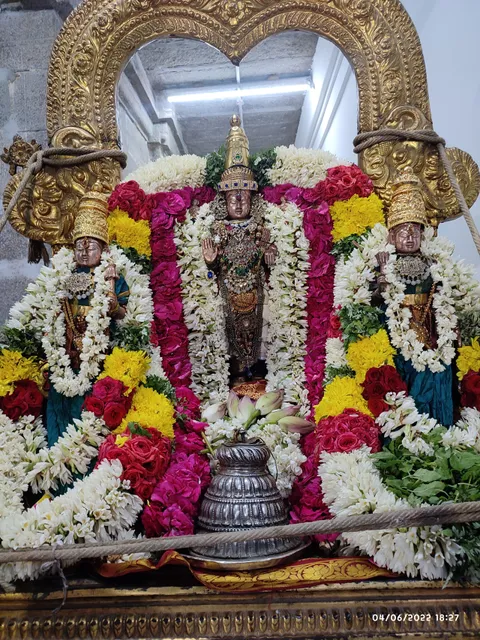
Othandeeswarar Temple in Thirumazhisai Chennai City in Tiruvallur district in the South Indian state of Tamil Nadu, is dedicated to the Hindu god Shiva. It is located 22 km from the state capital Chennai. Constructed in the Dravidian style of architecture, the temple was built during the 11th century by Chola king Kulothunga Chola II. Shiva is worshipped as Othandeeswarar and his consort Parvathi as Kulirvithanayaki.
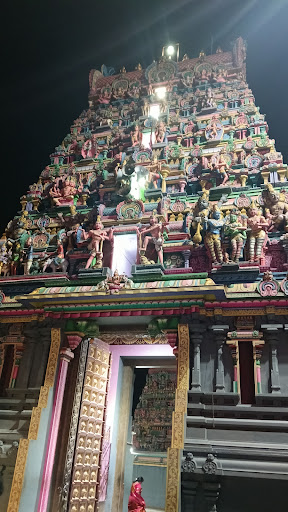
A granite wall surrounds the temple, enclosing all its shrines. The temple has a five-tiered rajagopuram, the gateway tower. The Vijayanagar and Vijayanagar kings made further expansion to the temple during the 16th century. The temple is open from 6 am - 11:30 am and 4:30 - 8:00 pm on all days. Four daily rituals and many yearly festivals are held at the temple, of which the Brahmotsavamfestival during the Tamil month of Panguni (March - April) and Sani Peyarchi (transit of planet Saturn) being the most prominent. The temple is maintained and administered by the Hindu Religious and Endowments Department of the Government of Tamil Nadu.
As per another legend, Chola king Kulothunga Chola II was hunting in the forest and while returning from Thirumullaivasal, found a blockade on his way. He tried to remove it using his sword and found blood stain in it. He later found that it emanated from the image of lingam (an iconic form of Shiva) in the place. The king wanted to expiate his sin of cutting the image and cut his hand. Shiva was pleased with the devotion and appeared to him at this place as Othandeeswarar along with his consort Parvathi as Kulirvithanayaki. Othandeeswarar also restored the hand of Kulothunga Chola and hence got the name Kai Thantha Piran. The presiding deity at the temple is still believed to have a scar on it.As per another legend, since the presiding deity relieves the devotees off their curses and impinges strength the deity is also called Manuanukuleeswarar.
The temple has many inscriptions from the Chola period during the 11th century. Kulothunga Chola II is believed to have built the temple and the shrines in the current form. Historians believe that the shrine of Vishnu seems to be a later addition. Sengunda Mudaliyars built many shrines in the temple and refurbished the tank. The Vijayanagara kings, who ruled the region, have done benevolent endowments to the temple. In modern times, the temple is maintained and administered by the Hindu Religious and Endowments Department of the Government of Tamil Nadu.
The temple follows Saivite tradition. The temple priests perform the pooja (rituals) during festivals and on a daily basis. As at other Shiva temples of Tamil Nadu, the priests belong to the Shaivaite community, a Brahmin sub-caste. The temple rituals are performed four times a day: Kalasanthi at 8:30 a.m., Uchikalam at 11:30 p.m., Sayarakshai at 6:00 p.m., and Sayaratchai between 8:00 - 8:00 p.m. Each ritual has three steps: alangaram (decoration), neivethanam (food offering) and deepa aradanai (waving of lamps) for both Othandeeswarar and Kulirvithanayaki. There are weekly, monthly and fortnightly rituals performed in the temple. The temple is open from 6am - 11:30 am and 4-8:30 pm on all days. The temple has many festivals in its calendar, with the Brahmotsavamfestival during the Tamil month of Panguni (March - April) and Sani Peyarchi (transit of planet Saturn) being the...
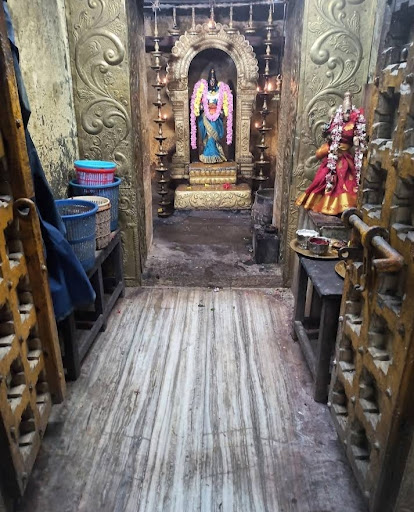
Read moreThis Sri Othandeeswarar Temple at Thimazhisai, is on the right side of the main road from Poonamallee to Thiruvallur. Thirumazhisai is the birth place of Thirumazhisai Alvar, one of the 12 Alwars of Vaishnavism. Moolavar : Sri Othandeeswarar, Kaithantha Piran, Manonukooleswarar, Consort : Sri Kulirntha Nayaki, Seethalambigai Some of the important features of this temple are…. The temple is facing east with a temple tank in front. The 5 tier Rajagopuram is on the south side. Balipeedam, Dwajasthambam and Rishabam with a mandapam are on the east side. Dwarapalakas are in front of the sanctum sanctorum. Moolavar is on a square avudayar. Somaskandar is on the back side of moolavar. In koshtam Vinayagar, Dakshinamurthy, Mahavishnu, Brahma and Durgai. In the inner prakaram Chandran, Suriyan, Adhikara Nandhi, Nalvar, Vinayagar, Sri Valli Devasena Subramaniar, Chandikeswarar, Bairavar, Somaskandar, A Rishabam, facing back side of moolavar, Natarajar, Rishabanayakar ( Rishabanthigar ), Natarajar, and Somaskandar. Ambal Kulirntha Nayaki is in a separate sannidhi in Maha mandapam facing south. Ambal is in standing posture with abhaya varada hastam. In the outer prakaram Sri Devaraja Ganapathi, Sri Gangatheswarar, Navagrahas, Valli Devasena Siva Subramaniar and Shaniswarar. ARCHITECTURE The temple consists of sanctum sanctorum, antarala, ardha mandapam and Maha mandapam. The sanctum sanctorum is on a pada bandha adhistanam with jagathy, three patta kumudam and pattikai. The bhitti starts with vedikai, and pilasters are of brahma kantha pilasters with kalasam, kudam, palakai and vettu pothyal. The prastaram consists of valapi with lotus petals, kapotam with nasi kudus. The temple from adhistanam to prastaram was constructed with Stone. The Vimanam from Sanctum sanctorum to sigaram was constructed in Gajaprishta / Gajabirushta style. The Superstructure / Vimanam above the prastaram was constructed with bricks and vimanam is of 3 tiers. Stucco images of Shiva, Dakshinamurthy, Maha Vishnu and Brahma are in tala, and greeva koshtams. HISTORY: Somaskandar believed to be of Pallava Period and the temple was reconstructed during Chozha period. 11th century Kulothunga Chozha II period inscriptions are found on the adhistanam and Maha mandapam pillars. The latter rulers Vijayanagara and Nayak kings also contributed towards expansion of the temple. Even-though the temple is under the control of HRCE department, Senguntha mudaliars community takes care of the temple maintenance. LEGENDS மூலவரின் பின்புறம் பரமசிவன் பார்வதியின் கல்யாண கோலம் வடிக்கப்பட்டு உள்ளது. இது போன்ற அமைப்பு, திருவேற்காடு, அச்சிறுப்பாக்கம் சிவன் கோவில்களிலும் உள்ளது. இது கயிலாயத்தில் நடந்த சிவனுக்கும் பார்வதிக்கும் நடந்த கல்யாணகோலத்தை அகத்தியருக்கு இங்கு காட்டினார் என்று நம்பப்படுகின்றது. In the sanctum wall behind Shiva Lingam relief of Shiva Parvati’s marriage similar to the temples at Thiruverkadu and Achirupakkam. For the same the story goes like this. During the marriage of Shiva and Parvati all the Rishis and Devas assembled at mount Kailash Due to this the north side of the earth went down and south came up. To balance this Lord Shiva asked Agasthiyar to go to south, in turn he promised to give his kalyana kolam to him, whenever Agasthiyar wishes. மூலவரின் மேல் ஒரு வெட்டுக்காயம் இருக்கின்றது. இதற்கு ஒரு சரித்திரமும் உள்ளது. அதன் படி இரண்டாம் குலோத்துங்க சோழன் திருமுல்லை வாயிலில் இருந்து யானை மீது திரும்பும் போது வழியை கொடிகள் மறைத்ததால் மன்னன் வாளால் வெட்டி வழியை உண்டாக்கினான் அப்போது அவனுடைய வாள் பூமியின் அடியில் உள்ள சிவலிங்கத்தின் மீது மோதி வெட்டு பட்டு இரத்தம் கசிந்தது. மன்னன் தான் பாவ காரியம் செய்து விட்டதாக நினைத்து தன் கையை வெட்டிக்கொண்டான். சிவபெருமான் குலோத்துங்க சோழன் முன் தோன்றி அவனுடைய பக்தியை மெச்சி மீண்டும் கைகளை வழங்கி அருளினார். அதனால் சிவன் கைதந்த பிரான் என...
Read moreஅருள்மிகு குளிர்வித்த நாயகி உடனுறை ஒத்தாண்டேஸ்வரர் திருக்கோயில், திருமழிசை - 600 124, திருவள்ளூர் மாவட்டம்.
தல சிறப்பு: இங்குள்ள நடராஜர் அம்பாளைப் பார்த்த படியும், அம்பாள் அவரைப் பார்த்தபடியும் உள்ளனர். நடுவில் நந்தி: மன்னன் தனது கையை வெட்டியபோது அவனைக்காத்து, தர்மத்தை நிலைநாட்ட சிவன் வேகமாக வந்து மன்னனுக்கு காட்சி தந்தார். அப்போது, சிவனின் வாகனமான நந்தி அவருக்கு மிகவும் உறுதுணையாக இருந்ததாம். எனவே, இங்கு சுவாமிக்கும், அம்பாளுக்கும் நடுவில் நந்தி இருக்கிறது. சுவாமிக்கு முன்புறம் அதிகாரநந்தி, பிரதோஷ நந்தி இருப்பதுடன் அவருக்கு பின்புறத்தில் கோஷ்டத்தையடுத்து கிழக்கு நோக்கியபடி தர்மநந்தியும் உள்ளது. சிவனின் அருளைப்பெறவும், தாங்கள் வேண்டும் செயல்கள் தடையின்றி நிறைவேறவும் இவரிடம் வேண்டிக்கொள்ளலாம்.
பொது தகவல்: இங்குள்ள விநாயகர் பிரசன்ன விநாயகர். குடும்பத்தில் பிரச்னை உள்ள தம்பதியர்கள் இங்கு ஒருவரை ஒருவர் பார்த்த நிலையில் உள்ள நடராஜர் - அம்பாளை வணங்கினால், மனசஞ்சலம் நீங்கி ஒற்றுமை பிறக்கும், இல்வாழ்வு சிறக்கும் என்பது நம்பிக்கை. இத்தலத்து விமானம் கஜபிருஷ்ட அமைப்பில் உள்ளது. கோஷ்டத்தில் சுவாமிக்கு பின்புறம் மேற்கு நோக்கியபடி திருமால், பிரகாரத்தில் தனிச்சன்னதியில் சனீஸ்வரன், ரிஷபநாயகர் ஆகியோர் உள்ளனர்.
பிரார்த்தனை: மன அமைதி பெறவும், செய்த பாவத்திற்கு மன்னிப்பு பெற இவரிடம் வேண்டிக்கொள்கிறார்கள்.
நேர்த்திக்கடன்: சுவாமி வஸ்திரம் சாத்தி, பூஜைகள் செய்து நேர்த்திக்கடன் நிறைவேற்றுகிறார்கள்.
தலபெருமை: சுவாமி அமைப்பு: இங்குள்ள லிங்கம் தலையில் வெட்டுப்பட்ட தடத்துடன் உள்ளது. கருவறையில் லிங்கத்திற்கு பின்புறம் அம்பாளுடன் அமர்ந்த கோலத்தில் சுவாமி காட்சி தருகிறார். கிழக்கு நோக்கியிருக்கும் இவ்விருவரையும் ஒரே நேரத்தில் தரிசனம் செய்தால் பாவங்கள் நீங்கி, முக்தி கிடைக்கும் என்பது நம்பிக்கை. ஒத்தாண்டேஸ்வரரை வணங்கினால், மனோபலம் ஏற்படும் என்பதால் இவருக்கு "மன அனுகூலேஸ்வரர்' என்றொரு பெயரும் உள்ளது
தல வரலாறு: கரிகாலப்பெருவளத்தான், இத்தலத்திற்கு அருகிலுள்ள மற்றொரு தலத்தில் சிவனை வழிபடுவதற்காக தனது யானையில் சென்றான். அப்போது யானையின் கால் ஒரு கொடியில் சிக்கிக்கொண்டது. கையால் அதனை களைய முயன்று முடியவில்லை. எனவே, தனது உடைவாளைக்கொண்டு அக்கொடிகளை வெட்டினான். அடியிலிருந்து ரத்தம் பீறிட்டது. அதிர்ச்சியடைந்த மன்னன், கொடிகளை விலக்கி பார்த்தபோது உள்ளே ஒரு லிங்கம் இருந்தது. பதறிப் போன மன்னன், லிங்கத்தை வெட்டிய அதே வாளைக்கொண்டு, சிவபாவம் செய்த தனது வலக்கையை வெட்டி வீசினான். அவனது பக்தியில் மெச்சிய சிவன், அம்பாளுடன் ரிஷபவாகனத்தில் காட்சி தந்து, இழந்த கையை மீண்டும் உடலுடன் பொருத்தினார். எனவே இவரை "கைதந்தபிரான்' என்று அழைக்கிறார்கள். மன்னனுக்கு ஆறுதல் மொழி சொல்லியும், சிவனுக்கு அவரது அடியார்களின் கதையைச்சொல்லியும் அவர்களின் மனதை அம்பிகை குளிர்வித்தாள். எனவே இவள் "குளிர்வித்த நாயகி'...
Read more